
Scots
Scotland ScotsEnglish
The Scots culture is rich in history, language, and traditions, deeply rooted in the region of Scotland and characterized by its distinct dialects, folklore, and cultural practices.
Historical Context
Scots culture has evolved over centuries, influenced by Celtic, Norse, and Anglo-Saxon cultures. The Acts of Union in 1707 and the Scottish Enlightenment were significant periods in shaping modern Scots identity.
Migration Patterns
Historically, Scots have migrated to various parts of the world, including North America, Australia, and New Zealand, often seeking economic opportunities.
Conflict And Resilience History
Scots have a history of resilience, having faced conflicts such as the Wars of Scottish Independence and the Jacobite Risings, which have shaped their national identity.
Diaspora Perspectives
The Scottish diaspora maintains strong cultural ties, celebrating traditions like Burns Night and Highland Games globally.
Regional Variations
Scots culture varies regionally, with distinct dialects and traditions in areas like the Highlands, Lowlands, and Islands.
Bridging Notes
Efforts to preserve Scots culture include promoting the Scots language and celebrating traditional festivals.
Spiritual And Religious Practices
Historically, Scots have been predominantly Christian, with the Church of Scotland playing a significant role. There is also a presence of other religions and secular beliefs.
Beliefs And Worldview
Scots value community, resilience, and a strong sense of identity. There is a deep appreciation for nature and the land.
Cultural Proverbs Sayings
Common sayings include 'Auld Lang Syne' and 'Lang may yer lum reek,' reflecting themes of friendship and prosperity.
Naming Conventions And Terms Of Address
Traditional Scots names often have Gaelic or Norse origins. Terms of address may include 'Laird' or 'Lady' in formal contexts.
Health And Mental Health
Scots have access to a comprehensive healthcare system through the NHS. Mental health awareness is growing, with increasing support services.
Mental Health Views
There is a growing acceptance and understanding of mental health issues, with efforts to reduce stigma and promote well-being.
Traditional Healers
While modern medicine is predominant, some may still use traditional remedies and herbal medicine.
Gender Roles In Healthcare
Healthcare roles are becoming more gender-balanced, though historically, women have been primary caregivers.
Healthcare Barriers
Rural areas may face challenges in accessing healthcare services, and there are ongoing efforts to address health inequalities.
Education And Learning Styles
Scots education emphasizes critical thinking and creativity, with a strong focus on literacy and numeracy.
Learning Styles
Learning is often interactive and collaborative, with a mix of traditional and modern teaching methods.
Parental Engagement
Parents are encouraged to be actively involved in their children's education, with schools fostering strong home-school partnerships.
Family And Social Structure
Family is central to Scots culture, with extended family often playing a significant role. Community ties are strong, with a focus on mutual support.
Discipline And Behavior
Discipline is generally approached with an emphasis on respect and understanding, often using positive reinforcement.
Authority Attitudes
There is a respect for authority, though Scots are known for their independent spirit and questioning of unjust authority.
Etiquette And Customs
Politeness and hospitality are valued, with customs such as greeting with a handshake and offering tea to guests.
Community Strengths Resilience
Scots communities are known for their resilience, often coming together to support each other in times of need.
Art Music And Expression
Scots culture is rich in artistic expression, with traditional music like bagpipes and folk songs, as well as a vibrant contemporary arts scene.
Cultural Symbols Motifs
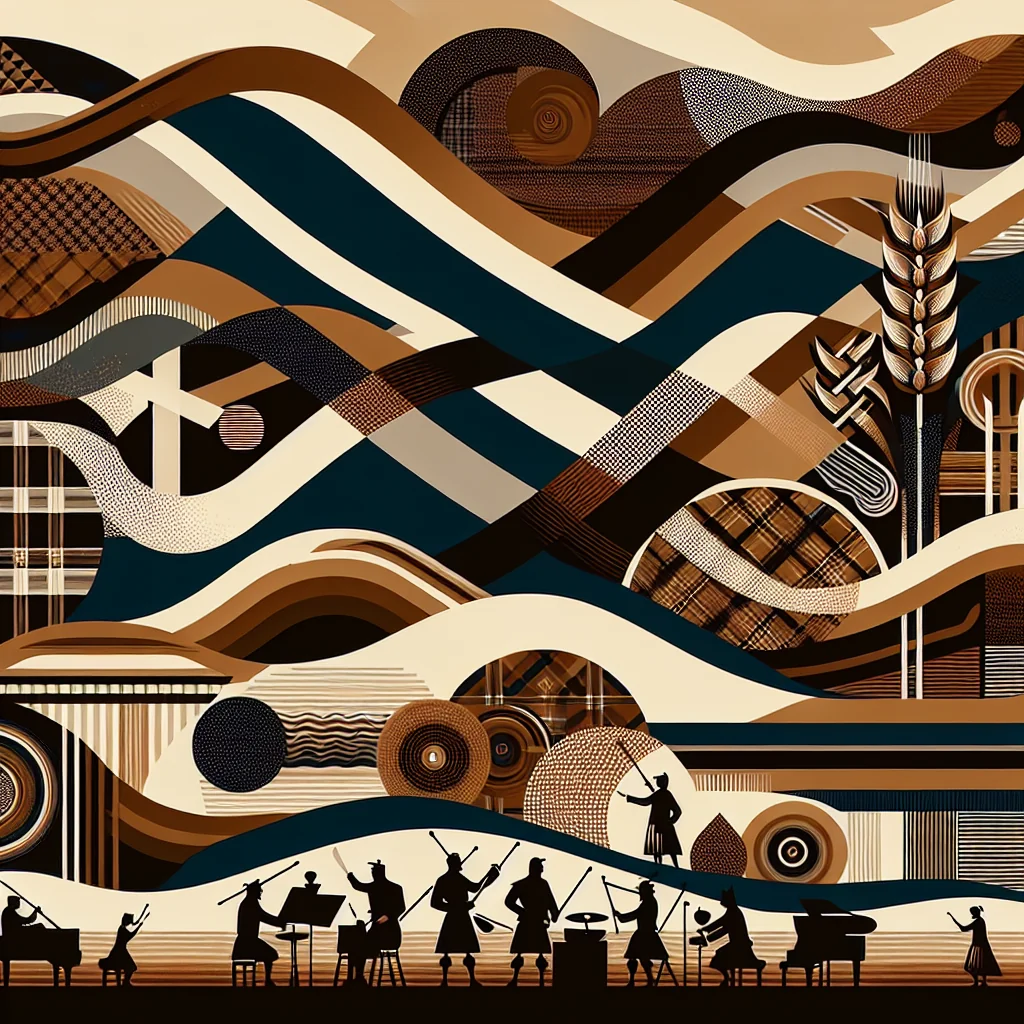
Tartan, thistles, and the Saltire are iconic symbols, representing Scottish heritage and pride.
What Brings Joy
Community gatherings, music, dance, and storytelling are sources of joy and cultural pride.
Celebrations Joyful Traditions
Hogmanay, Burns Night, and the Highland Games are celebrated with enthusiasm, showcasing Scots traditions and community spirit.
Cultural Calendar And Holidays
Key holidays include St. Andrew's Day, Hogmanay, and Burns Night, each celebrated with unique customs and traditions.
Additional Notes
Scots culture is dynamic, with a strong emphasis on preserving traditions while embracing modern influences.
Economic Context And Occupations
Scotland has a diverse economy, with key sectors including energy, finance, and tourism. Traditional industries like fishing and agriculture remain important.
Housing And Living Arrangements
Housing varies from urban apartments to rural cottages, with a mix of private and public housing options.
Nutrition And Dietary Norms
Traditional Scots diet includes dishes like haggis, neeps, and tatties, with an increasing focus on healthy eating and local produce.
Interpretation Needs
While English is widely spoken, there is a need for Scots language support in cultural and educational contexts.
Interpreter Notes
Interpreters may be required for Scots speakers in formal settings, ensuring cultural nuances are respected.
Documentation Traditions
Scots language and dialects are documented in literature and oral traditions, with efforts to preserve and promote them.
Interactions With Other Cultures
Scots culture has historically interacted with various cultures through trade, migration, and cultural exchange.
Conflict Resolution Mechanisms
Scots have a tradition of negotiation and diplomacy, often resolving conflicts through dialogue and legal frameworks.
Cultural Exchange Programs
There are numerous cultural exchange programs promoting Scots culture globally, fostering mutual understanding.
Trade Relations
Scotland has strong trade relations with countries worldwide, exporting goods like whisky and textiles.
Shared Artistic Projects
Collaborations in music, film, and art are common, with Scots artists participating in international projects.
Intercultural Marriages
Intercultural marriages are increasingly common, reflecting Scotland's diverse and inclusive society.
Shared Educational Initiatives
Educational partnerships with institutions worldwide promote cultural exchange and academic collaboration.
Youth Perspectives
Scots youth are increasingly engaged in social and environmental issues, advocating for change and innovation.
Education Initiatives
Initiatives focus on STEM education, digital skills, and promoting Scots language and culture among young people.
Future Challenges
Challenges include addressing climate change, economic inequality, and preserving cultural heritage in a globalized world.
Youth Employment Trends
Youth employment is focused on emerging sectors like technology and renewable energy, with support for entrepreneurship.
Future Visions
There is a vision for a sustainable, inclusive future, with a strong emphasis on cultural preservation and innovation.
Youth Leadership Roles
Young Scots are taking on leadership roles in community organizations, politics, and cultural initiatives.
Innovation And Startups
Scotland has a vibrant startup scene, with young entrepreneurs driving innovation in technology and creative industries.
Festivals And Celebrations
Festivals like the Edinburgh Festival Fringe and Celtic Connections celebrate Scots culture and attract global audiences.
Traditional Medicine Practices
Herbal remedies and traditional healing practices are part of Scots heritage, though modern medicine is predominant.
Environmental Practices
Scots are increasingly focused on sustainability, with initiatives to protect natural landscapes and promote green energy.
Rituals
Rituals such as ceilidhs and clan gatherings are important cultural expressions, fostering community and tradition.
Rites Of Passage
Rites of passage include traditional celebrations like christenings, weddings, and funerals, often with unique Scots customs.
Culinary Traditions
Scots cuisine features hearty dishes like haggis and shortbread, with a growing emphasis on local and sustainable ingredients.
Climate Adaptation Strategies
Scotland is investing in renewable energy and conservation efforts to address climate change and protect its environment.
Biodiversity Conservation
Efforts to conserve biodiversity include protecting native species and habitats, supported by government and community initiatives.
Sustainable Tourism Practices
Sustainable tourism is promoted, balancing visitor experiences with the preservation of natural and cultural heritage.
Renewable Energy Use
Scotland is a leader in renewable energy, particularly wind and tidal power, contributing to a sustainable future.
Community Involvement In Practices
Communities are actively involved in environmental and cultural preservation, fostering a sense of stewardship and pride.
Environmental Education Programs
Programs in schools and communities educate about environmental issues and promote sustainable practices.
Notable Figures
Notable Scots include Robert Burns, Sir Walter Scott, and Alexander Graham Bell, who have made significant cultural and scientific contributions.
Cultural Innovations
Scots have contributed to innovations in literature, music, and science, influencing global culture and knowledge.
Literary Works
Scots literature is rich, with works by authors like Robert Louis Stevenson and contemporary writers exploring diverse themes.
Architectural Styles
Scots architecture ranges from medieval castles to modern designs, reflecting a blend of tradition and innovation.
Scientific Contributions
Scotland has a strong tradition of scientific discovery, with contributions in fields like medicine, engineering, and technology.
Culinary Innovations
Scots chefs are known for innovative cuisine, blending traditional flavors with modern techniques.
Global Influence
Scots culture has a global influence, particularly in music, literature, and education, with a strong diaspora maintaining cultural ties.
Awards And Recognition
Scots artists and scientists have received numerous awards, highlighting their contributions to global culture and knowledge.
Modern Influences
Scots culture is influenced by global trends, integrating modern technology and media while preserving traditional elements.
Digital Presence
Scots culture has a strong digital presence, with online platforms promoting language, music, and cultural events.
Globalization Effects
Globalization has brought diverse influences to Scots culture, enriching it while posing challenges to cultural preservation.
Urbanization Effects
Urbanization has led to cultural shifts, with cities becoming hubs of innovation and cultural exchange.
Technology Adoption
Scots are quick to adopt new technologies, using them to enhance education, business, and cultural expression.
Hybrid Cultural Forms
Hybrid cultural forms are emerging, blending traditional Scots elements with contemporary global influences.
Social Media Presence
Social media is widely used to share and celebrate Scots culture, connecting communities locally and globally.
Challenges
Challenges include preserving the Scots language, addressing economic disparities, and maintaining cultural identity in a globalized world.
Preservation Efforts
Efforts to preserve Scots culture include language revitalization programs, cultural festivals, and educational initiatives.
Cultural Artwork
Community Discussion
Further Reading
Explore credible external sources to deepen your understanding of Scots culture.