
Afro Caribbean
Caribbean EnglishFrenchSpanishDutch
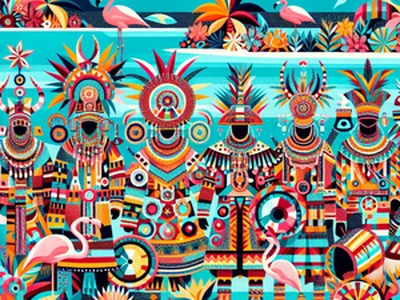
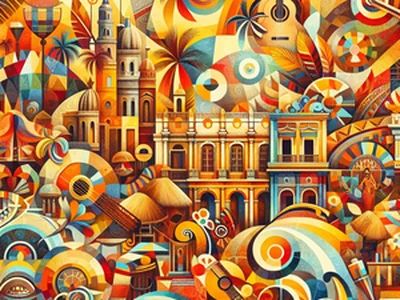
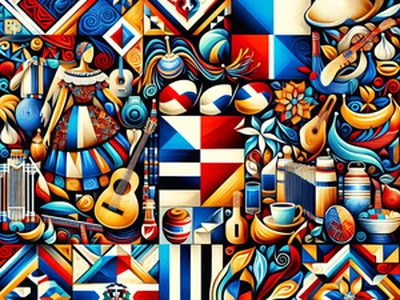
The Afro-Caribbean culture is a vibrant blend of African, Caribbean, and European influences, characterized by its rich traditions, music, dance, and spirituality.
Historical Context
The Afro-Caribbean culture has its roots in the transatlantic slave trade, where African slaves were brought to the Caribbean islands. Over time, they blended their African heritage with European and indigenous influences, creating a distinct cultural identity.
Migration Patterns
Significant migration occurred during the post-emancipation period, with Afro-Caribbeans moving to the UK, US, and Canada in search of better opportunities.
Conflict And Resilience History
The Afro-Caribbean community has faced challenges such as colonialism, slavery, and racial discrimination, yet has shown resilience through cultural preservation and adaptation.
Diaspora Perspectives
The Afro-Caribbean diaspora maintains strong cultural ties to their homelands, often celebrating traditional festivals and maintaining culinary practices abroad.
Regional Variations
Cultural expressions vary across the Caribbean, with distinct differences in language, music, and religious practices between islands like Jamaica, Trinidad, and Haiti.
Bridging Notes
Efforts to bridge cultural gaps include festivals, educational programs, and cultural exchanges that celebrate Afro-Caribbean heritage globally.
Spiritual And Religious Practices
Afro-Caribbean spirituality is diverse, including practices like Vodou, Rastafarianism, and Santería, often blending African traditions with Christianity.
Beliefs And Worldview
Community, family, and spirituality are central to the Afro-Caribbean worldview, emphasizing resilience, unity, and respect for ancestors.
Cultural Proverbs Sayings
Proverbs such as 'Every mickle mek a muckle' (small efforts lead to big results) reflect the community's values of perseverance and collective effort.
Naming Conventions And Terms Of Address
Naming conventions often reflect African heritage, with names carrying significant meanings. Respectful terms of address are important, especially for elders.
Health And Mental Health
Health practices often combine traditional remedies with modern medicine. Mental health is sometimes stigmatized but is increasingly being addressed through community support.
Mental Health Views
Mental health is often viewed through a communal lens, with family and community playing key roles in support and healing.
Traditional Healers
Traditional healers, known as 'bush doctors' or 'obeah men/women', play a role in providing herbal remedies and spiritual guidance.
Gender Roles In Healthcare
Women often serve as primary caregivers, while men may be less likely to seek medical help due to cultural perceptions of masculinity.
Healthcare Barriers
Barriers include economic constraints, limited access to healthcare facilities, and cultural stigmas around certain health issues.
Education And Learning Styles
Education is highly valued, with a focus on both formal schooling and oral traditions. Storytelling is a key learning tool.
Learning Styles
Learning often involves a mix of auditory, visual, and kinesthetic methods, with an emphasis on community involvement and practical application.
Parental Engagement
Parents are actively involved in their children's education, often emphasizing discipline and respect for teachers.
Family And Social Structure
The family unit is central, often extending beyond the nuclear family to include a wide network of relatives and community members.
Discipline And Behavior
Discipline is typically strict, with an emphasis on respect for elders and adherence to community norms.
Authority Attitudes
Respect for authority figures, such as elders and community leaders, is deeply ingrained.
Etiquette And Customs
Customs include greeting others warmly, sharing food, and participating in communal activities.
Community Strengths Resilience
Community strengths include strong kinship ties, cultural pride, and resilience in the face of adversity.
Art Music And Expression
Music and dance are vital, with genres like reggae, calypso, and soca being internationally recognized. Art often reflects historical and cultural themes.
Cultural Symbols Motifs
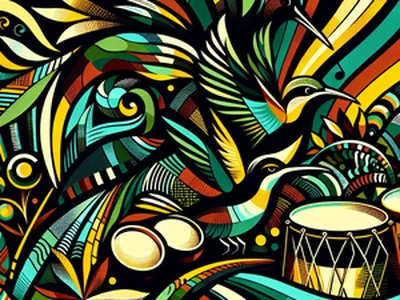
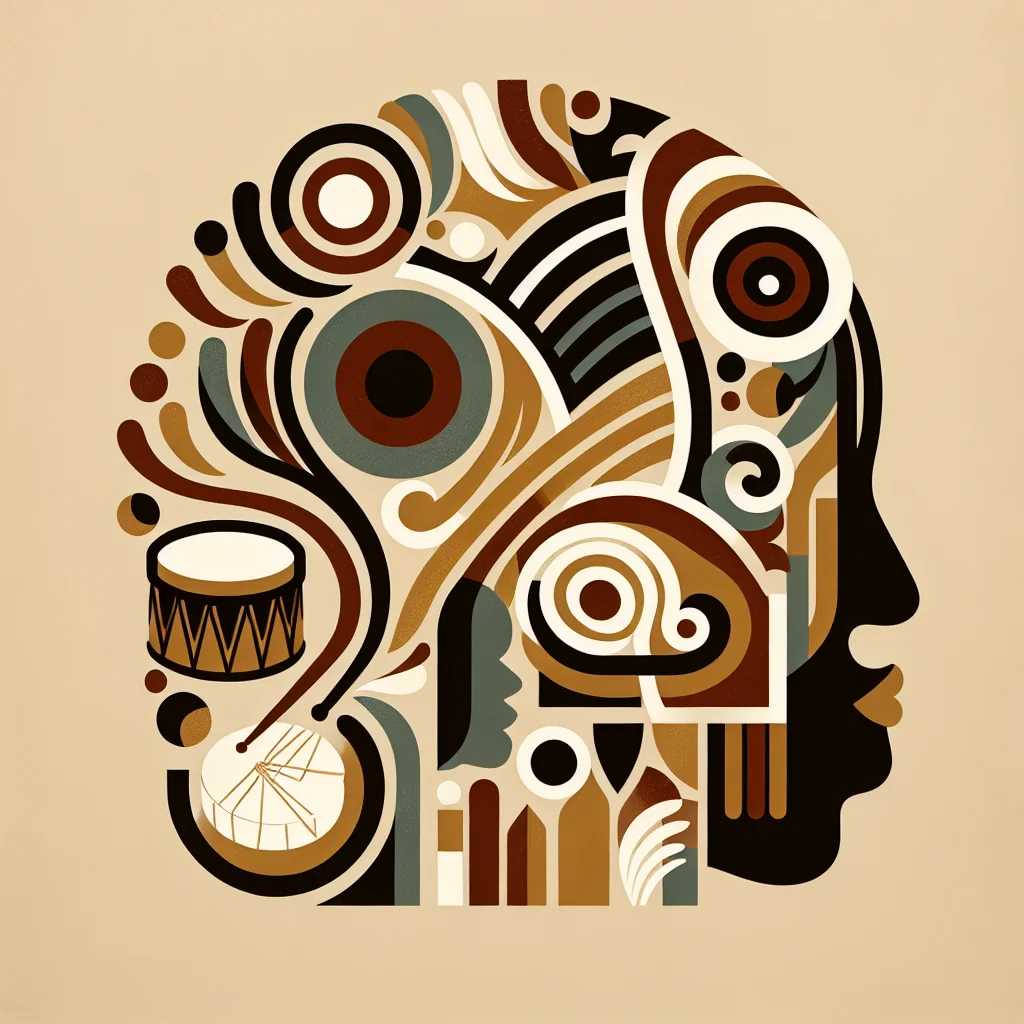
Symbols like the drum, conch shell, and certain colors hold cultural significance, representing communication, celebration, and heritage.
What Brings Joy
Music, dance, family gatherings, and festivals bring joy and are central to community life.
Celebrations Joyful Traditions
Carnival, Emancipation Day, and other festivals celebrate freedom, identity, and cultural heritage.
Cultural Calendar And Holidays
Key holidays include Carnival, Christmas, and Emancipation Day, each celebrated with unique traditions and communal gatherings.
Additional Notes
Afro-Caribbean expression is a dynamic blend of historical influences and contemporary creativity, continually evolving while honoring its roots.
Economic Context And Occupations
Economically, the community is diverse, with occupations ranging from agriculture and tourism to arts and education.
Housing And Living Arrangements
Housing varies from rural settings to urban environments, often reflecting economic status and family structure.
Nutrition And Dietary Norms
Dietary practices include a mix of African, indigenous, and European influences, with staples like rice, beans, plantains, and seafood.
Interpretation Needs
Interpretation services may be needed for Creole and Patois speakers in formal settings.
Interpreter Notes
Interpreters should be culturally sensitive and aware of regional dialects and expressions.
Documentation Traditions
Oral traditions are strong, with storytelling and music serving as key methods of cultural transmission.
Interactions With Other Cultures
Afro-Caribbean culture interacts with other cultures through migration, trade, and cultural exchanges, often enriching and being enriched by these interactions.
Conflict Resolution Mechanisms
Conflict resolution often involves community elders and leaders, emphasizing dialogue and reconciliation.
Cultural Exchange Programs
Programs exist to promote cultural understanding and exchange, particularly in music and the arts.
Trade Relations
Trade relations are historically significant, with the Caribbean serving as a hub for goods and cultural exchange.
Shared Artistic Projects
Collaborations in music, dance, and visual arts are common, reflecting a shared heritage and mutual influences.
Intercultural Marriages
Intercultural marriages are common, often leading to a blending of traditions and cultural practices.
Shared Educational Initiatives
Educational initiatives often focus on cultural heritage, language preservation, and community development.
Youth Perspectives
Youth are increasingly engaged in cultural preservation and innovation, balancing tradition with modern influences.
Education Initiatives
Initiatives focus on improving access to education, promoting cultural heritage, and fostering leadership skills.
Future Challenges
Challenges include economic opportunities, cultural preservation, and adapting to global changes.
Youth Employment Trends
Trends show a shift towards technology, creative industries, and entrepreneurship among Afro-Caribbean youth.
Future Visions
The future vision includes a strong cultural identity, economic empowerment, and global recognition of Afro-Caribbean contributions.
Youth Leadership Roles
Youth are taking on leadership roles in community organizations, cultural projects, and social movements.
Innovation And Startups
Innovation is evident in areas like technology, arts, and social enterprises, driven by a young, dynamic population.
Festivals And Celebrations
Festivals like Carnival and Junkanoo are vibrant celebrations of culture, music, and community spirit.
Traditional Medicine Practices
Traditional medicine includes herbal remedies and spiritual healing practices passed down through generations.
Environmental Practices
Environmental practices focus on sustainable agriculture, conservation, and community-based resource management.
Rituals
Rituals often involve music, dance, and offerings, reflecting a deep connection to ancestors and the spiritual world.
Rites Of Passage
Rites of passage, such as coming-of-age ceremonies, are important cultural milestones.
Culinary Traditions
Culinary traditions are rich and diverse, featuring dishes like jerk chicken, roti, and ackee and saltfish.
Climate Adaptation Strategies
Communities are adopting strategies to adapt to climate change, including sustainable farming and disaster preparedness.
Biodiversity Conservation
Efforts are made to conserve biodiversity through protected areas and community-led conservation projects.
Sustainable Tourism Practices
Sustainable tourism is promoted to preserve cultural heritage and natural resources while benefiting local communities.
Renewable Energy Use
There is a growing emphasis on renewable energy, with initiatives to harness solar and wind power.
Community Involvement In Practices
Community involvement is key in environmental and cultural practices, ensuring local knowledge and participation.
Environmental Education Programs
Programs aim to educate communities about environmental conservation and sustainable practices.
Notable Figures
Notable figures include Bob Marley, Marcus Garvey, and Derek Walcott, who have made significant contributions to music, politics, and literature.
Cultural Innovations
Innovations include the development of reggae music, Caribbean literature, and unique art forms.
Literary Works
Literary works by authors like Jamaica Kincaid and V.S. Naipaul explore themes of identity, migration, and cultural heritage.
Architectural Styles
Architecture reflects a blend of colonial and indigenous styles, with colorful buildings and intricate woodwork.
Scientific Contributions
Contributions in science include advancements in tropical medicine and environmental research.
Culinary Innovations
Culinary innovations include fusion dishes that blend African, European, and indigenous flavors.
Global Influence
Afro-Caribbean culture has a global influence, particularly in music, dance, and cuisine, celebrated worldwide.
Awards And Recognition
Recognition includes Nobel Prizes in literature and international awards in music and the arts.
Modern Influences
Modern influences include globalization, technology, and migration, leading to a dynamic cultural evolution.
Digital Presence
The digital presence is strong, with social media and online platforms used to promote cultural heritage and connect communities.
Globalization Effects
Globalization has led to increased cultural exchange, but also challenges in preserving traditional practices.
Urbanization Effects
Urbanization has influenced cultural practices, with a shift towards modern lifestyles and urban cultural expressions.
Technology Adoption
Technology is widely adopted, with innovations in communication, education, and creative industries.
Hybrid Cultural Forms
Hybrid cultural forms emerge from the blending of traditional and modern influences, seen in music, fashion, and art.
Social Media Presence
Social media is a powerful tool for cultural expression, activism, and community building among Afro-Caribbean youth.
Challenges
Challenges include cultural preservation, economic disparities, and addressing the impacts of climate change.
Preservation Efforts
Efforts to preserve culture include educational programs, cultural festivals, and documentation of oral traditions.
Cultural Artwork
Community Discussion
Further Reading
Explore credible external sources to deepen your understanding of Afro Caribbean culture.