
Saudi
Middle East Arabic
The Saudi culture is a rich and diverse blend of traditional and modern elements, shaped by the country's history, geography, and Islamic heritage.
Historical Context
Saudi Arabia has a long and complex history, with various empires and dynasties rising and falling over the centuries.
Migration Patterns
The country has experienced significant migration patterns, particularly from neighboring countries such as Yemen and Jordan.
Conflict And Resilience History
Saudi Arabia has faced numerous conflicts throughout its history, including the unification of the country in 1932 and the subsequent oil boom.
Diaspora Perspectives
The Saudi diaspora is significant, with many Saudis living abroad, particularly in countries such as the United States and Canada.
Regional Variations
Regional variations within Saudi Arabia are notable, with different regions having distinct cultural practices and traditions.
Spiritual And Religious Practices
Islam is the official religion of Saudi Arabia, and the country has a strong emphasis on Islamic law and tradition.
Beliefs And Worldview
Saudi culture is deeply rooted in Islamic values, with a strong emphasis on community, family, and tradition.
Cultural Proverbs Sayings
Proverbs such as 'Alhamdulillah' (Praise be to God) and 'Insha'Allah' (God willing) are common in Saudi culture.
Naming Conventions And Terms Of Address
Naming conventions in Saudi Arabia often reflect Islamic values, with names such as Muhammad and Fatima being common.
Health And Mental Health
Mental health is a growing concern in Saudi Arabia, with increasing rates of depression and anxiety.
Mental Health Views
Traditional views on mental health emphasize the importance of spiritual well-being and community support.
Traditional Healers
Traditional healers, such as those using herbal remedies and Islamic prayer, are still widely used in Saudi Arabia.
Gender Roles In Healthcare
Gender roles in healthcare are conservative, with women often playing a supportive role in healthcare decision-making.
Healthcare Barriers
Barriers to healthcare access include cultural and social factors, such as stigma around mental health issues.
Education And Learning Styles
Education in Saudi Arabia is highly valued, with an emphasis on traditional Islamic education and modern Western-style schooling.
Learning Styles
Learning styles in Saudi Arabia often emphasize rote memorization and repetition.
Parental Engagement
Parental engagement in education is high, with parents often playing a significant role in their children's educational decisions.
Family And Social Structure
Family and social structures in Saudi Arabia are highly conservative, with an emphasis on extended family ties and community support.
Discipline And Behavior
Discipline and behavior in Saudi Arabia often reflect strict adherence to Islamic values and tradition.
Authority Attitudes
Authority attitudes in Saudi Arabia emphasize obedience to traditional leaders and Islamic law.
Etiquette And Customs
Etiquette and customs in Saudi Arabia are highly formalized, with an emphasis on respect for elders and authority figures.
Community Strengths Resilience
Community strengths and resilience in Saudi Arabia include a strong sense of solidarity and support among family members and community.
Art Music And Expression
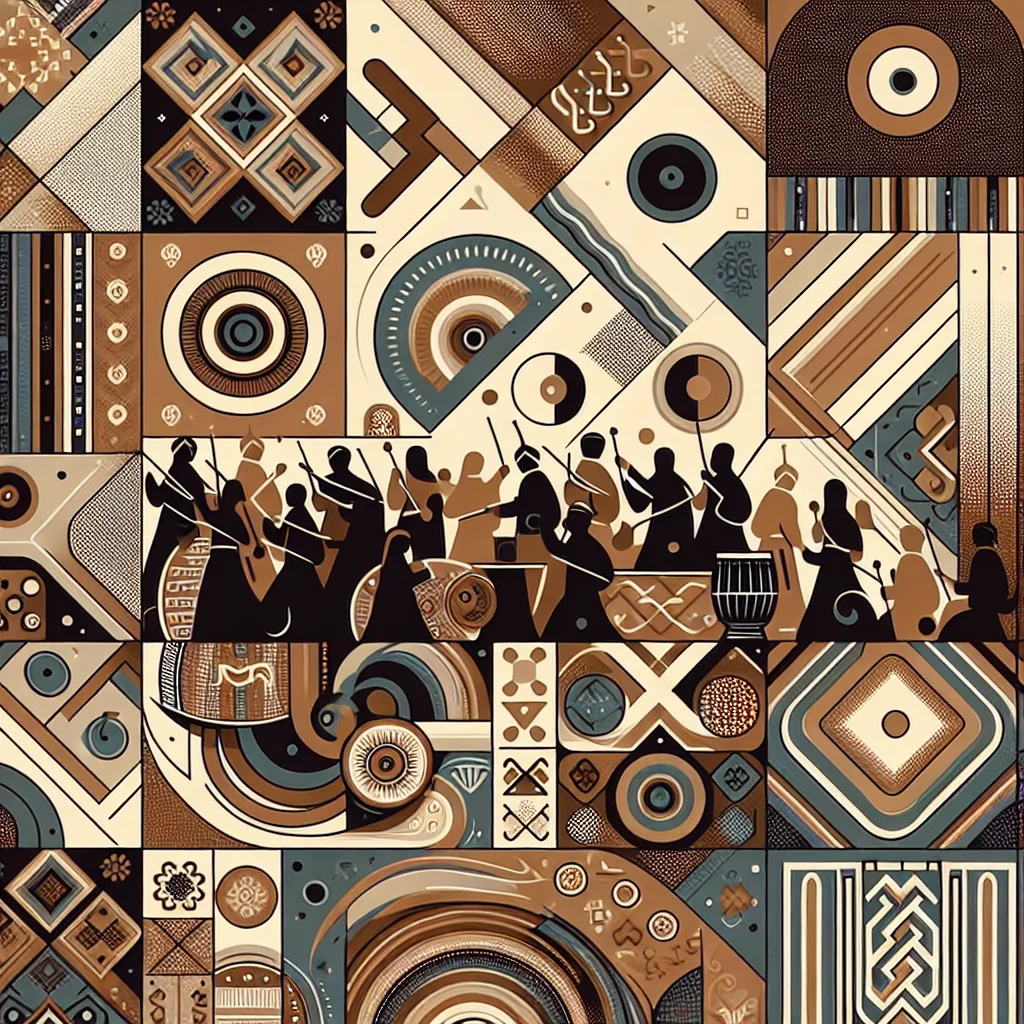
Art, music, and expression in Saudi Arabia often reflect Islamic values and tradition, with an emphasis on calligraphy, poetry, and traditional music.
Cultural Symbols Motifs
Cultural symbols and motifs in Saudi Arabia include the crescent moon and star, which are common emblems of Islamic identity.
What Brings Joy
What brings joy to Saudis often includes family gatherings, traditional festivals, and community events.
Celebrations Joyful Traditions
Celebrations and joyful traditions in Saudi Arabia include Eid al-Fitr (the end of Ramadan) and Eid al-Adha (the Feast of Sacrifice).
Cultural Calendar And Holidays
The cultural calendar in Saudi Arabia is heavily influenced by Islamic holidays, including Ramadan and Eid.
Economic Context And Occupations
Economic context and occupations in Saudi Arabia are shaped by the country's oil-based economy and conservative social norms.
Housing And Living Arrangements
Housing and living arrangements in Saudi Arabia often reflect traditional values, with an emphasis on extended family ties and community support.
Nutrition And Dietary Norms
Nutrition and dietary norms in Saudi Arabia emphasize traditional Arab cuisine, including dishes such as kebabs and falafel.
Interpretation Needs
Interpretation needs in Saudi Arabia often involve translation from Arabic to English or other languages.
Interpreter Notes
Interpreter notes may include cultural nuances and idiomatic expressions specific to Saudi culture.
Documentation Traditions
Documentation traditions in Saudi Arabia often reflect Islamic values, with an emphasis on written records and formal agreements.
Interactions With Other Cultures
Saudi Arabia has significant interactions with other cultures, particularly in the Middle East and North Africa.
Conflict Resolution Mechanisms
Conflict resolution mechanisms in Saudi Arabia often involve traditional Islamic mediation and negotiation.
Cultural Exchange Programs
Cultural exchange programs between Saudi Arabia and other countries are becoming increasingly popular.
Trade Relations
Trade relations between Saudi Arabia and other countries are shaped by the country's oil-based economy and conservative social norms.
Shared Artistic Projects
Shared artistic projects between Saudi Arabia and other countries often reflect Islamic values and tradition.
Intercultural Marriages
Intercultural marriages between Saudis and people from other cultures are becoming increasingly common.
Shared Educational Initiatives
Shared educational initiatives between Saudi Arabia and other countries often focus on Islamic education and cultural exchange.
Youth Perspectives
Youth perspectives in Saudi Arabia often reflect a desire for greater freedom and social change.
Education Initiatives
Education initiatives in Saudi Arabia often focus on modernizing the country's educational system and promoting Islamic values.
Future Challenges
Future challenges facing Saudi Arabia include managing the country's oil-based economy, addressing social and cultural issues, and promoting economic diversification.
Youth Employment Trends
Youth employment trends in Saudi Arabia often reflect a growing demand for skilled workers in fields such as technology and healthcare.
Future Visions
Future visions for Saudi Arabia include becoming a more modern and diversified economy, while maintaining Islamic values and tradition.
Youth Leadership Roles
Youth leadership roles in Saudi Arabia are increasingly important, with many young people taking on leadership positions in government, business, and civil society.
Innovation And Startups
Innovation and startups in Saudi Arabia often focus on developing new technologies and products that reflect Islamic values and tradition.
Festivals And Celebrations
Festivals and celebrations in Saudi Arabia often reflect Islamic holidays, such as Eid al-Fitr and Eid al-Adha.
Traditional Medicine Practices
Traditional medicine practices in Saudi Arabia often involve the use of herbal remedies and Islamic prayer.
Environmental Practices
Environmental practices in Saudi Arabia often reflect a growing awareness of the importance of conservation and sustainability.
Rituals
Rituals in Saudi Arabia often involve traditional Islamic practices, such as prayer and fasting during Ramadan.
Rites Of Passage
Rites of passage in Saudi Arabia often reflect Islamic values, with an emphasis on community support and family ties.
Culinary Traditions
Culinary traditions in Saudi Arabia often emphasize traditional Arab cuisine, including dishes such as kebabs and falafel.
Climate Adaptation Strategies
Climate adaptation strategies in Saudi Arabia often involve developing new technologies and products that reflect Islamic values and tradition.
Biodiversity Conservation
Biodiversity conservation efforts in Saudi Arabia often focus on protecting the country's unique natural habitats, such as the Arabian Peninsula's coral reefs.
Sustainable Tourism Practices
Sustainable tourism practices in Saudi Arabia often emphasize cultural exchange and community engagement.
Renewable Energy Use
Renewable energy use in Saudi Arabia is becoming increasingly important, with a focus on developing new technologies and products that reflect Islamic values and tradition.
Community Involvement In Practices
Community involvement in environmental practices in Saudi Arabia often reflects a growing awareness of the importance of conservation and sustainability.
Environmental Education Programs
Environmental education programs in Saudi Arabia often focus on promoting Islamic values and tradition, while emphasizing the importance of conservation and sustainability.
Notable Figures
Notable figures from Saudi Arabia include King Abdulaziz, who unified the country in 1932, and Princess Basmah bint Saud, a prominent advocate for women's rights.
Cultural Innovations
Cultural innovations from Saudi Arabia often reflect Islamic values and tradition, with an emphasis on art, music, and literature.
Literary Works
Literary works from Saudi Arabia include the poetry of Muhammad ibn al-Qasim and the novels of Ghazi Algosaibi.
Architectural Styles
Architectural styles in Saudi Arabia often reflect Islamic values, with an emphasis on grand mosques and palaces.
Scientific Contributions
Scientific contributions from Saudi Arabia often focus on developing new technologies and products that reflect Islamic values and tradition.
Culinary Innovations
Culinary innovations from Saudi Arabia often emphasize traditional Arab cuisine, including dishes such as kebabs and falafel.
Global Influence
Global influence of Saudi culture is significant, with many countries adopting Islamic practices and traditions.
Awards And Recognition
Awards and recognition for Saudi culture include the UNESCO Award for Intangible Cultural Heritage and the Arab League's Award for Excellence in Culture.
Modern Influences
Modern influences on Saudi culture include the rise of social media, online education, and global connectivity.
Digital Presence
Digital presence of Saudi culture is significant, with many online platforms and social media channels promoting Islamic values and tradition.
Globalization Effects
Globalization effects on Saudi culture often involve the adoption of Western-style education and economic systems.
Urbanization Effects
Urbanization effects on Saudi culture often involve the growth of cities and the development of modern infrastructure.
Technology Adoption
Technology adoption in Saudi Arabia often reflects a growing awareness of the importance of innovation and entrepreneurship.
Hybrid Cultural Forms
Hybrid cultural forms in Saudi Arabia often reflect a blending of traditional Islamic practices with modern Western influences.
Social Media Presence
Social media presence of Saudi culture is significant, with many influencers and content creators promoting Islamic values and tradition.
Challenges
Challenges facing Saudi culture include managing the country's oil-based economy, addressing social and cultural issues, and promoting economic diversification.
Preservation Efforts
Preservation efforts for Saudi culture often involve protecting traditional Islamic practices and traditions, while promoting modernization and innovation.
Cultural Artwork
Community Discussion
Further Reading
Explore credible external sources to deepen your understanding of Saudi culture.