
Scottish
Scotland, UK EnglishGaelic
The Scottish culture is a rich and diverse heritage that encompasses the traditions, customs, and values of Scotland.
Historical Context
Scotland's history dates back to the Mesolithic era, with various cultures and empires influencing its development.
Migration Patterns
The Romans, Vikings, and Celts all left their mark on Scotland's culture and language.
Conflict And Resilience History
Scotland has experienced numerous conflicts, including wars with England, but has also shown remarkable resilience and adaptability.
Diaspora Perspectives
Scottish diaspora communities can be found around the world, preserving and promoting their cultural heritage.
Regional Variations
Regional differences in Scotland's culture are evident in its music, art, and traditions.
Bridging Notes
Scotland's history is characterized by a complex interplay of influences from various cultures.
Spiritual And Religious Practices
Many Scots identify as Christian, with Presbyterianism being the dominant denomination. However, there are also significant numbers of non-religious and pagan individuals.
Beliefs And Worldview
Scottish culture values community, family, and tradition, with a strong emphasis on storytelling and oral history.
Cultural Proverbs Sayings
Examples include 'Haste ye weel' (hurry along) and 'Lang may yer lum reek' (long may your chimney smoke).
Naming Conventions And Terms Of Address
In Scottish culture, it is customary to use formal titles such as Mr., Mrs., or Miss until invited to use first names.
Health And Mental Health
Mental health is a growing concern in Scotland, with initiatives focusing on prevention and support.
Mental Health Views
There is a stigma surrounding mental illness in Scottish culture, but efforts are being made to promote awareness and understanding.
Traditional Healers
Some Scots still practice traditional healing methods, such as herbalism and folk medicine.
Gender Roles In Healthcare
Traditionally, men have been associated with manual labor and women with domestic work, but these roles are evolving.
Healthcare Barriers
Access to healthcare can be limited in rural areas, and there are concerns about the impact of austerity measures on health services.
Education And Learning Styles
Scottish education emphasizes critical thinking, creativity, and problem-solving skills.
Learning Styles
Students learn through a combination of theoretical and practical approaches, with an emphasis on hands-on experience.
Parental Engagement
Parents are encouraged to be involved in their children's education, with many schools offering parent-teacher associations.
Family And Social Structure
Scottish culture values close family ties and community relationships, with a strong sense of belonging.
Discipline And Behavior
Children are taught to respect authority figures and adhere to social norms from an early age.
Authority Attitudes
Authority is generally respected in Scottish culture, but there is also a strong tradition of questioning and challenging established power structures.
Etiquette And Customs
Greetings often involve the use of formal titles and last names until invited to use first names.
Community Strengths Resilience
Scottish communities are known for their resilience in the face of adversity, with a strong sense of solidarity and mutual support.
Art Music And Expression
Scotland has a rich cultural heritage in music, art, literature, and theater.
Cultural Symbols Motifs
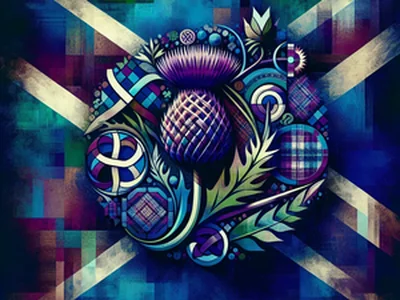
Examples include the thistle (national emblem), the Celtic cross, and the tartan patterns used in traditional dress.
What Brings Joy
Many Scots find joy in outdoor activities such as hiking, fishing, and sports, as well as cultural events like festivals and ceilidhs.
Celebrations Joyful Traditions
Examples include Hogmanay (New Year's Eve), Burns Night (January 25th), and the Highland Games.
Cultural Calendar And Holidays
Scotland celebrates various holidays throughout the year, including Christmas, Easter, and St. Andrew's Day (November 30th).
Additional Notes
Scottish culture is known for its love of storytelling, with many traditional tales and legends passed down through generations.
Economic Context And Occupations
Scotland has a diverse economy, with major industries including finance, technology, and tourism.
Housing And Living Arrangements
Housing options range from urban apartments to rural cottages, with a focus on community living and shared spaces.
Nutrition And Dietary Norms
Traditional Scottish cuisine emphasizes local ingredients like meat, fish, and vegetables, often served with potatoes and bread.
Interpretation Needs
Interpreters may be required for Gaelic speakers or those with hearing impairments.
Interpreter Notes
Certified interpreters are available for various languages, including Gaelic and British Sign Language.
Documentation Traditions
Written records of Scottish culture date back to the 12th century, with many historical documents preserved in libraries and archives.
Interactions With Other Cultures
Scotland has a long history of cultural exchange with other countries, particularly the UK, Ireland, and Europe.
Conflict Resolution Mechanisms
Efforts are being made to address historical conflicts and promote reconciliation between Scotland and England.
Cultural Exchange Programs
Programs like the Scottish Government's International Cultural Strategy aim to promote cultural exchange and collaboration.
Trade Relations
Scotland has a strong trade relationship with other countries, particularly in the EU.
Shared Artistic Projects
Examples include the Edinburgh Festival Fringe and the Glasgow International Comedy Festival.
Intercultural Marriages
Marriage between Scots and people from other cultures is becoming increasingly common.
Shared Educational Initiatives
Initiatives like the Scottish Government's International Education Strategy aim to promote cultural exchange and collaboration in education.
Youth Perspectives
Young Scots are concerned about issues like climate change, social justice, and economic inequality.
Education Initiatives
Initiatives like the Scottish Government's Education Strategy aim to improve educational outcomes and promote cultural exchange.
Future Challenges
Scotland faces challenges like demographic changes, economic uncertainty, and environmental degradation.
Youth Employment Trends
Youth employment rates are improving, but there is still a need for more job opportunities in certain sectors.
Future Visions
Many Scots envision a future with greater social justice, economic equality, and environmental sustainability.
Youth Leadership Roles
Young Scots are taking on leadership roles in various fields, including politics, business, and the arts.
Innovation And Startups
Scotland is home to a thriving startup scene, with many innovative companies emerging in areas like technology and renewable energy.
Festivals And Celebrations
Examples include Hogmanay (New Year's Eve), Burns Night (January 25th), and the Highland Games.
Traditional Medicine Practices
Some Scots still practice traditional healing methods, such as herbalism and folk medicine.
Environmental Practices
Scotland is known for its commitment to environmental sustainability, with initiatives like renewable energy and recycling programs.
Culinary Traditions
Traditional Scottish cuisine emphasizes local ingredients like meat, fish, and vegetables, often served with potatoes and bread.
Climate Adaptation Strategies
Efforts are being made to address climate change, including reducing carbon emissions and promoting sustainable land use.
Community Involvement In Practices
Community-led initiatives are crucial in promoting cultural exchange and environmental sustainability.
Environmental Education Programs
Programs like the Scottish Government's Environmental Education Strategy aim to promote environmental awareness and education.
Notable Figures
Examples include William Wallace, Robert Burns, and Charles Rennie Mackintosh.
Cultural Innovations
Scotland has made significant contributions to fields like literature (Robert Louis Stevenson), music (The Proclaimers), and art (Charles Rennie Mackintosh).
Literary Works
Examples include 'Trainspotting' by Irvine Welsh, 'The Prime of Miss Jean Brodie' by Muriel Spark, and 'Kidnapped' by Robert Louis Stevenson.
Architectural Styles
Scotland is known for its unique architectural styles, including the Gothic Revival and Scottish Baronial.
Scientific Contributions
Examples include the discovery of penicillin by Alexander Fleming and the development of the first practical telephone by Alexander Graham Bell.
Culinary Innovations
Scotland has made significant contributions to culinary traditions, including haggis, neeps and tatties, and Cullen skink.
Global Influence
Scottish culture has had a significant impact on global popular culture, particularly in the areas of music (The Proclaimers), literature (Irvine Welsh), and film (Trainspotting).
Awards And Recognition
Scotland has received numerous awards and recognition for its cultural contributions, including the Nobel Prize in Literature (Nadine Gordimer) and the Academy Award for Best Picture (Brigadoon).
Modern Influences
Scottish culture is influenced by global trends, including social media, technology, and environmentalism.
Digital Presence
Scottish culture is increasingly present online, with many websites, social media platforms, and digital initiatives promoting cultural exchange.
Globalization Effects
Globalization has had a significant impact on Scottish culture, leading to increased cultural exchange and collaboration.
Urbanization Effects
Urbanization has led to increased cultural diversity and exchange in Scotland's cities, particularly Glasgow and Edinburgh.
Technology Adoption
Scotland has made significant investments in digital infrastructure, promoting the adoption of new technologies and innovative practices.
Hybrid Cultural Forms
Examples include the fusion of traditional Scottish music with modern electronic elements or the blending of Scottish and international cuisine.
Social Media Presence
Many Scots are active on social media platforms, using them to promote cultural exchange, share traditions, and connect with others.
Challenges
Examples include addressing historical conflicts, promoting cultural exchange, and preserving traditional practices in the face of globalization.
Preservation Efforts
Efforts are being made to preserve Scottish culture, including initiatives like the Scottish Government's Cultural Strategy and community-led projects.
Cultural Artwork
Community Discussion
Further Reading
Explore credible external sources to deepen your understanding of Scottish culture.