
Ugandan
East Africa EnglishLugandaRunyankole
The Ugandan culture is a rich and diverse blend of traditional and modern practices, shaped by the country's history, geography, and social dynamics.
Historical Context
Uganda has a rich history dating back to the 14th century, with various kingdoms and empires rising and falling over time.
Migration Patterns
The country has experienced significant migration patterns, particularly during the colonial era, when many Ugandans were forced to relocate to urban areas for work.
Conflict And Resilience History
Uganda has faced numerous conflicts, including the Buganda Kingdom's resistance against British colonial rule and more recent civil wars. Despite these challenges, the country has shown remarkable resilience and adaptability.
Diaspora Perspectives
The Ugandan diaspora is a significant contributor to the country's cultural heritage, with many individuals maintaining strong ties to their homeland despite living abroad.
Regional Variations
Uganda has several regional variations, including the Buganda Kingdom in central Uganda and the Ankole Kingdom in western Uganda.
Spiritual And Religious Practices
The majority of Ugandans practice Christianity (around 85%), while a significant minority follows traditional African religions. Islam is also practiced by around 12% of the population.
Beliefs And Worldview
Ugandan culture places a strong emphasis on community, respect for elders, and a deep connection to nature. Many people believe in ancestral spirits and the importance of honoring one's ancestors.
Cultural Proverbs Sayings
Some common Ugandan proverbs include 'Kabaka k'omunyonyo' (The king is in the forest) and 'Mwana w'omwana ni mwana wa mwanamke' (A child of a child is a child of a woman).
Naming Conventions And Terms Of Address
In Ugandan culture, names often reflect one's ancestry or social status. For example, the name 'Kabaka' is reserved for the king of Buganda.
Health And Mental Health
Ugandans face significant health challenges, including high rates of HIV/AIDS, malaria, and tuberculosis.
Mental Health Views
Mental health is often stigmatized in Ugandan culture, but there is a growing recognition of its importance. Traditional healers play a significant role in addressing mental health issues.
Traditional Healers
Traditional healers, known as 'bazungu,' are highly respected for their knowledge and skills in treating various ailments using natural remedies.
Gender Roles In Healthcare
Women often take on caregiving roles within families, while men may be more involved in decision-making around healthcare.
Healthcare Barriers
Access to quality healthcare is limited in rural areas, where many Ugandans live. Financial constraints and lack of infrastructure also hinder healthcare access.
Education And Learning Styles
Ugandan education emphasizes rote memorization and respect for authority. However, there is a growing recognition of the importance of critical thinking and creativity.
Learning Styles
Students often learn through oral traditions and hands-on activities, with an emphasis on community involvement.
Parental Engagement
Parents are highly involved in their children's education, often taking on roles as teachers or mentors.
Family And Social Structure
Ugandan society is characterized by strong family ties and a complex social hierarchy. Extended families often live together, with older generations holding significant authority.
Discipline And Behavior
Children are expected to respect their elders and follow traditional norms around behavior and discipline.
Authority Attitudes
Authority figures, such as parents and teachers, are highly respected in Ugandan culture.
Etiquette And Customs
Ugandans place a strong emphasis on hospitality and respect for guests. Traditional customs, such as the 'Kwanjula' ceremony, mark important life events.
Community Strengths Resilience
Ugandan communities are known for their resilience in the face of adversity, with a strong sense of solidarity and cooperation.
Art Music And Expression
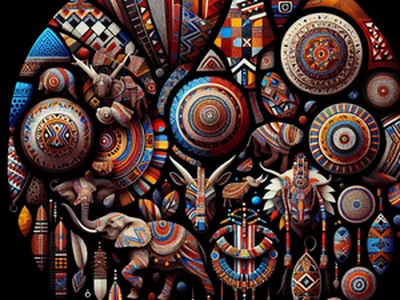
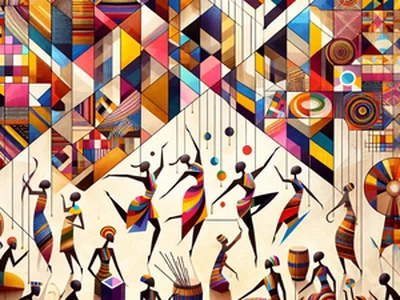
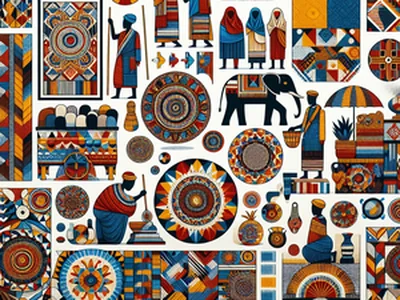
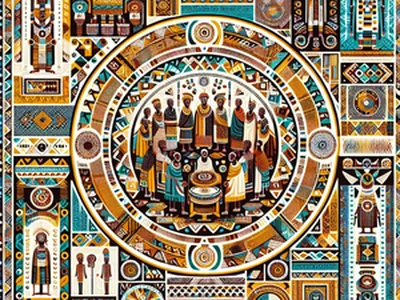
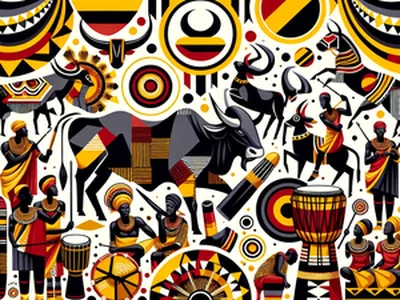
Traditional Ugandan art forms include woodcarvings, pottery, and textiles. Music and dance play significant roles in cultural expression.
Cultural Symbols Motifs
Common symbols in Ugandan culture include the 'nkoko' (a mythical bird) and the 'kabaka's crown'.
What Brings Joy
Ugandans find joy in community gatherings, traditional music and dance, and storytelling.
Celebrations Joyful Traditions
The 'Embuli' festival celebrates the harvest season, while the 'Kwanjula' ceremony marks important life events.
Cultural Calendar And Holidays
Uganda has several national holidays, including Independence Day (October 9th) and Martyrs' Day (June 3rd).
Economic Context And Occupations
The majority of Ugandans engage in subsistence farming or small-scale entrepreneurship. The service sector is growing, with a focus on tourism and IT.
Housing And Living Arrangements
Many Ugandans live in rural areas, where housing conditions can be challenging. Urbanization has led to increased access to modern amenities.
Nutrition And Dietary Norms
Ugandan cuisine emphasizes staple foods like matooke (steamed green bananas), posho (maize flour porridge), and groundnuts. Meat is a luxury for many.
Interpretation Needs
Language interpretation services are often required in Ugandan communities, particularly in rural areas where English may not be widely spoken.
Interpreter Notes
Interpreters play a crucial role in facilitating communication between government officials and community members.
Documentation Traditions
Traditional documentation methods include oral storytelling and written records on bark or palm leaves.
Interactions With Other Cultures
Ugandans have a long history of interacting with neighboring cultures, including the Kenyans, Tanzanians, and Congolese.
Conflict Resolution Mechanisms
Traditional conflict resolution mechanisms include mediation by community elders and the use of traditional justice systems.
Cultural Exchange Programs
Uganda has participated in various cultural exchange programs with other countries, including the United States and Japan.
Shared Artistic Projects
Ugandan artists have collaborated with international artists on various projects, including music and visual arts.
Intercultural Marriages
Intercultural marriages are becoming increasingly common in Uganda, particularly between Ugandans and expatriates.
Shared Educational Initiatives
Uganda has partnered with several countries to develop educational programs and exchange students.
Youth Perspectives
Young Ugandans are increasingly involved in entrepreneurship, innovation, and social activism. They face significant challenges, including limited access to education and job opportunities.
Education Initiatives
Several organizations have launched initiatives to improve education outcomes for Ugandan youth, including the 'Uganda Education Sector Strategic Plan'.
Future Challenges
Uganda will need to address pressing issues like climate change, poverty, and inequality to ensure a sustainable future.
Youth Employment Trends
Youth employment rates are improving, but many young Ugandans still face significant barriers to finding stable work.
Future Visions
Many Ugandans envision a brighter future for their country, with improved infrastructure, economic growth, and social justice.
Youth Leadership Roles
Young Ugandans are increasingly taking on leadership roles in government, business, and civil society.
Innovation And Startups
Uganda has seen a surge in innovation and entrepreneurship, particularly in the tech sector.
Festivals And Celebrations
The 'Embuli' festival celebrates the harvest season, while the 'Kwanjula' ceremony marks important life events.
Traditional Medicine Practices
Traditional healers use natural remedies to treat various ailments, often in combination with modern medicine.
Environmental Practices
Ugandans have a strong connection to nature and engage in sustainable practices like agroforestry and conservation farming.
Rituals
Rituals are an essential part of Ugandan culture, often performed to honor ancestors or ensure fertility.
Rites Of Passage
Rites of passage mark important life events, such as birth, initiation, marriage, and death.
Culinary Traditions
Ugandan cuisine emphasizes staple foods like matooke (steamed green bananas), posho (maize flour porridge), and groundnuts. Meat is a luxury for many.
Climate Adaptation Strategies
Ugandans have developed various climate adaptation strategies, including agroforestry and conservation farming.
Biodiversity Conservation
Efforts are underway to conserve Uganda's rich biodiversity, including the establishment of national parks and wildlife reserves.
Sustainable Tourism Practices
Tourism is becoming increasingly important for Uganda's economy, with a focus on sustainable practices like eco-lodges and community-based tourism.
Renewable Energy Use
Uganda has invested in renewable energy sources, including solar and wind power.
Community Involvement In Practices
Community members are actively involved in conservation efforts, including the protection of endangered species and habitats.
Environmental Education Programs
Several organizations have launched environmental education programs to raise awareness about climate change and sustainable practices.
Notable Figures
Notable Ugandans include the late President Milton Obote, musician Eddy Kenzo, and writer Okot p'Bitek.
Cultural Innovations
Uganda has made significant contributions to cultural innovations, including the development of traditional music and dance styles.
Literary Works
Notable Ugandan literary works include 'Song of Lawino' by Okot p'Bitek and 'The Beautyful Ones Are Not Yet Born' by Ayi Kwei Armah.
Architectural Styles
Uganda's architectural styles reflect its rich cultural heritage, with influences from traditional African designs to modern colonial-era buildings.
Scientific Contributions
Ugandan scientists have made significant contributions to fields like agriculture, medicine, and environmental science.
Culinary Innovations
Ugandan cuisine has been influenced by various cultures, resulting in unique fusion dishes like 'matooke with beans' and 'posho with groundnuts'.
Global Influence
Uganda's cultural influence extends beyond its borders, with many Ugandans contributing to global initiatives in areas like peacebuilding and sustainable development.
Awards And Recognition
Ugandan artists have received numerous awards for their contributions to music, literature, and visual arts.
Modern Influences
Uganda has been influenced by various modern trends, including globalization, urbanization, and technological advancements.
Digital Presence
Ugandans are increasingly active online, with a growing presence on social media platforms like Facebook and Twitter.
Globalization Effects
Globalization has had both positive and negative effects on Uganda's economy and culture, leading to increased trade and cultural exchange but also job displacement and cultural homogenization.
Urbanization Effects
Urbanization has led to improved access to modern amenities, education, and healthcare in Uganda's cities, but also poses challenges like overcrowding, pollution, and social inequality.
Technology Adoption
Ugandans are rapidly adopting new technologies, including mobile phones, computers, and solar panels.
Hybrid Cultural Forms
New cultural forms have emerged in Uganda, blending traditional practices with modern influences. Examples include 'Afrobeat' music and 'Kinyarwanda' dance styles.
Social Media Presence
Ugandans are increasingly active on social media platforms, using them to connect with others, share information, and express themselves.
Challenges
Uganda faces significant cultural challenges, including the erosion of traditional practices, the impact of globalization on local cultures, and the need for greater cultural exchange and understanding.
Preservation Efforts
Efforts are underway to preserve Uganda's rich cultural heritage, including initiatives to document and promote traditional music, dance, and art forms.
Cultural Artwork
Community Discussion
Further Reading
Explore credible external sources to deepen your understanding of Ugandan culture.