
Tanzanian
East Africa SwahiliEnglish
The Tanzanian culture is a rich and diverse blend of African, Arab, and European influences.
Historical Context
Tanzania has a long and complex history, with evidence of human habitation dating back to the Stone Age. The country was a German colony from 1885 to 1918, then a British trust territory until it gained independence in 1964.
Migration Patterns
Many Tanzanians have migrated to other countries for work or education, particularly to South Africa, Europe, and North America.
Conflict And Resilience History
Tanzania has experienced several conflicts, including the Maji Maji Rebellion (1905-1907) and the Zanzibar Revolution (1964). The country has also faced challenges such as poverty, corruption, and HIV/AIDS.
Diaspora Perspectives
The Tanzanian diaspora is a significant contributor to the country's economy and culture. Many Tanzanians living abroad send remittances back home and maintain strong ties with their families and communities.
Regional Variations
Tanzania has several regional variations, including the coastal region, the northern region, and the southern region. Each region has its own unique cultural practices and traditions.
Spiritual And Religious Practices
The majority of Tanzanians are Christian (around 30%), with significant numbers also practicing Islam (around 35%) and traditional African religions (around 20%).
Beliefs And Worldview
Tanzanians generally believe in a spiritual realm that interacts with the physical world. They place great importance on community, family, and respect for elders.
Cultural Proverbs Sayings
Examples of Tanzanian proverbs include 'Ukijua nini, ukisema nini' (If you know something, say it) and 'Mwili ni mwili, akili ni akili' (The body is the body, the mind is the mind).
Naming Conventions And Terms Of Address
Tanzanians often use honorifics such as 'Baba' or 'Mama' to address older individuals. Children are typically given names that reflect their family's history and cultural heritage.
Health And Mental Health
Tanzania faces significant health challenges, including high rates of HIV/AIDS, malaria, and tuberculosis.
Mental Health Views
Mental health is often stigmatized in Tanzanian culture, but there is growing recognition of its importance. Traditional healers are still widely used for mental health issues.
Traditional Healers
Traditional healers play a significant role in Tanzanian healthcare, particularly in rural areas where access to modern medical facilities is limited.
Gender Roles In Healthcare
Women often take on caregiving roles in Tanzanian families, but men are increasingly involved in healthcare decision-making.
Healthcare Barriers
Barriers to healthcare access include poverty, lack of infrastructure, and cultural beliefs that discourage seeking medical attention.
Education And Learning Styles
Tanzanians value education highly, with a strong emphasis on formal schooling. However, there is also a rich tradition of informal learning through apprenticeships and community-based programs.
Learning Styles
Tanzanian students often learn through hands-on experience and practical application, rather than just theoretical knowledge.
Parental Engagement
Parents are highly involved in their children's education, with many taking on roles as teachers or mentors.
Family And Social Structure
The Tanzanian family is typically extended, with multiple generations living together. Community ties are strong, and social relationships are often based on kinship and shared identity.
Discipline And Behavior
Discipline is highly valued in Tanzanian culture, with a strong emphasis on respect for authority and tradition.
Authority Attitudes
Authority figures such as elders and teachers are highly respected in Tanzanian society.
Etiquette And Customs
Tanzanians place great importance on etiquette and customs, particularly when interacting with older individuals or in formal settings.
Community Strengths Resilience
Tanzanian communities are known for their resilience and ability to adapt to challenging circumstances.
Art Music And Expression
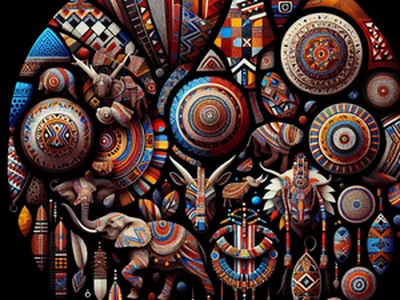
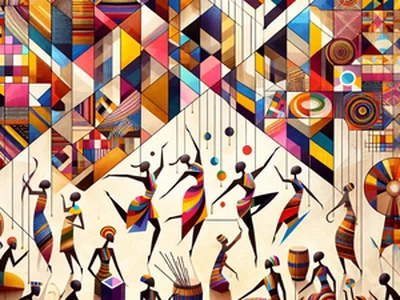
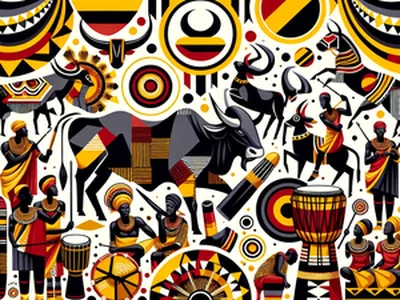
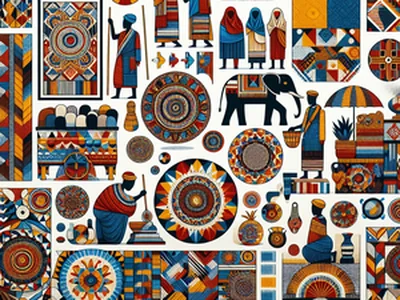
Tanzanian art and music reflect the country's rich cultural heritage, with influences from African, Arab, and European traditions.
Cultural Symbols Motifs
Examples of Tanzanian cultural symbols include the Maasai jumping dance and the Zanzibari stone town architecture.
What Brings Joy
Tanzanians often find joy in community-based activities such as music, dance, and storytelling.
Celebrations Joyful Traditions
Tanzania has many vibrant celebrations and traditions, including the annual Dar es Salaam International Film Festival.
Cultural Calendar And Holidays
Tanzanian holidays include Independence Day (December 9th) and Saba Saba (July 7th), which celebrates the country's agricultural heritage.
Economic Context And Occupations
The Tanzanian economy is primarily based on agriculture, with many people engaged in subsistence farming or small-scale commercial activities.
Housing And Living Arrangements
Housing options range from traditional mud huts to modern apartments, depending on the region and economic status.
Nutrition And Dietary Norms
Tanzanians typically eat a diet rich in starchy foods such as ugali (cornmeal) and rice, with vegetables and fruits also being important components.
Interpretation Needs
Interpreters are often needed for communication between Tanzanian languages and English or other foreign languages.
Interpreter Notes
Tanzanian interpreters may be trained in specific dialects or languages, such as Swahili or Chagga.
Documentation Traditions
Documentation traditions vary across Tanzania, with some communities using written records while others rely on oral transmission.
Interactions With Other Cultures
Tanzanians have a long history of interacting with other cultures, particularly through trade and migration.
Conflict Resolution Mechanisms
Conflict resolution mechanisms in Tanzania often involve mediation by community leaders or elders.
Cultural Exchange Programs
Cultural exchange programs between Tanzania and other countries are becoming increasingly popular.
Trade Relations
Tanzania has trade agreements with several countries, including the European Union and South Africa.
Shared Artistic Projects
Tanzanian artists often collaborate with international artists on joint projects.
Intercultural Marriages
Intercultural marriages between Tanzanians and people from other cultures are becoming more common.
Shared Educational Initiatives
Tanzania has partnered with several countries to develop educational programs and exchange students.
Youth Perspectives
Young Tanzanians often express a desire for greater economic opportunities, improved healthcare, and increased access to education.
Education Initiatives
Tanzania has implemented various education initiatives aimed at improving literacy rates and increasing access to quality education.
Future Challenges
Challenges facing Tanzania's future include climate change, poverty, and corruption.
Youth Employment Trends
Youth employment trends in Tanzania are shifting towards more formalized sectors such as technology and entrepreneurship.
Future Visions
Many Tanzanians envision a brighter future for their country, with improved economic prospects and increased global influence.
Youth Leadership Roles
Young Tanzanians are increasingly taking on leadership roles in politics, business, and civil society.
Innovation And Startups
Tanzania has seen an increase in innovation and startup activity, particularly in the tech sector.
Festivals And Celebrations
Tanzania hosts several festivals and celebrations throughout the year, including the Dar es Salaam International Film Festival.
Traditional Medicine Practices
Traditional medicine practices are still widely used in Tanzania, particularly for mental health issues.
Environmental Practices
Environmental practices vary across Tanzania, with some communities adopting sustainable agriculture methods while others rely on traditional practices.
Rituals
Tanzanians observe various rituals throughout the year, including the annual Saba Saba celebrations.
Rites Of Passage
Rites of passage in Tanzania often involve traditional ceremonies and rituals.
Culinary Traditions
Culinary traditions vary across Tanzania, with a focus on starchy foods like ugali (cornmeal) and rice.
Climate Adaptation Strategies
Tanzania is implementing climate adaptation strategies such as reforestation and renewable energy projects.
Biodiversity Conservation
Biodiversity conservation efforts are underway in Tanzania, particularly in protected areas like Serengeti National Park.
Sustainable Tourism Practices
Sustainable tourism practices are being promoted in Tanzania to reduce the environmental impact of tourism.
Renewable Energy Use
Renewable energy use is increasing in Tanzania, with a focus on solar and wind power.
Community Involvement In Practices
Community involvement is essential for many environmental practices in Tanzania, such as reforestation efforts.
Environmental Education Programs
Environmental education programs are being implemented in Tanzanian schools to promote sustainability and conservation.
Notable Figures
Notable figures from Tanzania include the first president of Tanzania, Julius Nyerere, and the renowned musician, Siti Binti Saad.
Cultural Innovations
Tanzania has made significant cultural innovations in areas such as music, dance, and visual arts.
Literary Works
Tanzanian literature includes works by authors like Euphrase Kezilahabi and Hemedi Abdallah.
Architectural Styles
Tanzanian architecture reflects a blend of African, Arab, and European influences.
Scientific Contributions
Tanzanians have made significant scientific contributions in areas such as agriculture, medicine, and environmental science.
Culinary Innovations
Tanzanian cuisine has been influenced by various cultures, resulting in unique dishes like ugali (cornmeal) and nyama choma (roasted meat).
Global Influence
Tanzania's cultural influence extends globally through its music, dance, and visual arts.
Awards And Recognition
Tanzanians have received numerous awards and recognition for their contributions to culture, science, and innovation.
Modern Influences
Modern influences on Tanzanian culture include globalization, urbanization, and technological advancements.
Digital Presence
Tanzanian businesses and organizations are increasingly adopting digital technologies to improve efficiency and reach a wider audience.
Globalization Effects
Globalization has had both positive and negative effects on Tanzanian society, including increased economic opportunities but also cultural homogenization.
Urbanization Effects
Urbanization has led to changes in Tanzanian society, including increased migration to cities and the growth of informal settlements.
Technology Adoption
Tanzania is adopting various technologies such as mobile money and e-commerce to improve economic opportunities and services.
Hybrid Cultural Forms
Hybrid cultural forms such as Afro-pop music and fusion cuisine are emerging in Tanzania.
Social Media Presence
Social media platforms have become increasingly popular in Tanzania, with many people using them to connect with others and access information.
Challenges
Challenges facing Tanzania's culture include poverty, corruption, and climate change.
Preservation Efforts
Efforts are underway to preserve Tanzanian cultural heritage, including documentation of traditional practices and languages.
Cultural Artwork
Community Discussion
Further Reading
Explore credible external sources to deepen your understanding of Tanzanian culture.