

Tutsi
Great Lakes region of Africa (Rwanda, Burundi) KinyarwandaKirundi
The Tutsi people are an ethnic group from the Great Lakes region of Africa, primarily residing in Rwanda and Burundi.
Historical Context
The Tutsi people have a long history in the Great Lakes region, with evidence of their presence dating back to the 14th century.
Migration Patterns
Tutsis migrated from the north to the south, settling primarily in Rwanda and Burundi.
Conflict And Resilience History
The Tutsi people have faced numerous conflicts, including the Rwandan genocide, but have also demonstrated resilience and adaptability.
Diaspora Perspectives
Many Tutsis live outside of their ancestral homeland, with significant diaspora communities in Europe, North America, and Australia.
Regional Variations
Regional variations exist within the Tutsi culture, reflecting local customs and traditions.
Spiritual And Religious Practices
Tutsis are predominantly Christian, with a significant minority practicing traditional animist beliefs.
Beliefs And Worldview
The Tutsi worldview emphasizes the importance of community, family, and social hierarchy.
Cultural Proverbs Sayings
Proverb: 'Umutima ni urutanga' (The heart is a garden).
Naming Conventions And Terms Of Address
Tutsis use a patronymic naming system, with children taking their father's name as their surname.
Health And Mental Health
Mental health issues are prevalent among Tutsis, particularly due to historical trauma and ongoing social challenges.
Mental Health Views
Traditional healers play a significant role in addressing mental health concerns.
Traditional Healers
Healers use a combination of traditional medicine and spiritual practices to treat physical and mental ailments.
Gender Roles In Healthcare
Women often take on caregiving roles, while men are more likely to seek medical attention for themselves.
Healthcare Barriers
Access to healthcare is limited in rural areas, with many Tutsis relying on traditional healers or traveling long distances for medical care.
Education And Learning Styles
Tutsi education emphasizes community involvement and hands-on learning.
Learning Styles
Children learn through observation and participation, with a focus on practical skills.
Parental Engagement
Parents are actively involved in their children's education, often serving as teachers or mentors.
Family And Social Structure
Tutsi society is organized around extended family units, with a strong emphasis on social hierarchy and community involvement.
Discipline And Behavior
Children are taught to respect their elders and follow traditional norms of behavior.
Authority Attitudes
Respect for authority figures, such as elders and traditional leaders, is deeply ingrained in Tutsi culture.
Etiquette And Customs
Tutsis place great importance on hospitality, with guests often receiving elaborate welcomes and feasts.
Community Strengths Resilience
Community cohesion and social support networks are key strengths in Tutsi culture.
Art Music And Expression
Traditional Tutsi art includes intricate wood carvings, basketry, and textiles, while music features a mix of traditional instruments and modern styles.
Cultural Symbols Motifs
The ibihima (a type of drum) is a symbol of Tutsi culture, representing community and social cohesion.
What Brings Joy
Tutsis find joy in communal activities, such as singing, dancing, and storytelling.
Celebrations Joyful Traditions
The Intore dance troupe is a revered institution in Tutsi culture, performing traditional dances during celebrations and ceremonies.
Cultural Calendar And Holidays
Tutsis celebrate the Umuganuro (a harvest festival) and the Imena (a new year celebration).
Economic Context And Occupations
Many Tutsis engage in subsistence farming, with some also working as traders or artisans.
Housing And Living Arrangements
Tutsi homes are often simple, traditional structures made from local materials such as mud and thatch.
Nutrition And Dietary Norms
The Tutsi diet consists mainly of staple crops like maize, beans, and potatoes, with occasional meat consumption.
Interpretation Needs
Interpreters may be necessary for communication between Tutsis who speak different languages or dialects.
Interpreter Notes
Trained interpreters can facilitate effective communication in both formal and informal settings.
Documentation Traditions
Tutsi oral traditions emphasize storytelling and passing down knowledge through generations.
Interactions With Other Cultures
Tutsis have interacted with various cultures, including the Hutu and Twa, through trade, marriage, and cultural exchange.
Conflict Resolution Mechanisms
Traditional conflict resolution mechanisms involve mediation by respected community leaders or elders.
Cultural Exchange Programs
Cultural exchange programs between Rwanda and Burundi aim to promote understanding and cooperation between Tutsi communities.
Trade Relations
Tutsis engage in trade with neighboring communities, exchanging goods such as crops, livestock, and handicrafts.
Shared Artistic Projects
Tutsi artists collaborate on joint projects, blending traditional techniques with modern styles.
Intercultural Marriages
Intermarriage between Tutsis and other ethnic groups is common, promoting cultural exchange and understanding.
Shared Educational Initiatives
Educational initiatives aim to promote cross-cultural understanding and cooperation among Tutsi communities.
Youth Perspectives
Tutsi youth face challenges such as poverty, unemployment, and social inequality, but also have opportunities for education and entrepreneurship.
Education Initiatives
Initiatives focus on improving access to quality education, particularly in rural areas.
Future Challenges
Challenges include addressing historical trauma, promoting economic development, and preserving cultural heritage.
Youth Employment Trends
Youth employment trends indicate a shift towards entrepreneurship, innovation, and technology-based industries.
Future Visions
Tutsi youth envision a future with improved living standards, greater social cohesion, and enhanced cultural preservation.
Youth Leadership Roles
Young Tutsis take on leadership roles in community organizations, promoting positive change and development.
Innovation And Startups
Innovation hubs and startup initiatives aim to foster entrepreneurship and economic growth among Tutsi youth.
Festivals And Celebrations
Tutsis celebrate various festivals, including the Umuganuro (harvest festival) and Imena (new year celebration).
Traditional Medicine Practices
Healers use a combination of traditional medicine and spiritual practices to treat physical and mental ailments.
Environmental Practices
Tutsi communities practice sustainable agriculture, conservation, and eco-friendly practices.
Rituals
Rituals involve offerings to ancestors, spirits, or deities, often accompanied by music, dance, and storytelling.
Rites Of Passage
Rites of passage mark important life transitions, such as birth, initiation, marriage, and death.
Culinary Traditions
Tutsi cuisine emphasizes local ingredients, with staple crops like maize, beans, and potatoes featuring prominently.
Climate Adaptation Strategies
Communities adapt to climate change through sustainable agriculture practices, conservation efforts, and eco-friendly technologies.
Biodiversity Conservation
Tutsis prioritize biodiversity conservation, protecting natural habitats and preserving traditional knowledge.
Sustainable Tourism Practices
Tourism initiatives promote cultural preservation, community engagement, and environmental sustainability.
Renewable Energy Use
Communities increasingly adopt renewable energy sources, such as solar and wind power, to reduce reliance on fossil fuels.
Community Involvement In Practices
Tutsi communities actively participate in decision-making processes regarding environmental practices and conservation efforts.
Environmental Education Programs
Educational programs focus on environmental awareness, sustainability, and eco-friendly practices.
Notable Figures
Notable Tutsis include King Mwami Mutara III Rudahigwa (Rwanda's last king) and Nobel laureate Dambisa F. Moyo.
Cultural Innovations
Tutsi innovations in agriculture, architecture, and art have contributed to the region's cultural heritage.
Literary Works
Literary works by Tutsi authors explore themes of identity, community, and social justice.
Architectural Styles
Traditional Tutsi architecture features intricate wood carvings, basketry, and textiles.
Scientific Contributions
Tutsis have made significant contributions to fields like agriculture, medicine, and environmental science.
Culinary Innovations
Tutsi cuisine has influenced regional cooking styles, with innovations in traditional dishes and ingredients.
Global Influence
Tutsi culture has had a global impact through diaspora communities, cultural exchange programs, and artistic collaborations.
Awards And Recognition
Tutsis have received awards for their contributions to fields like literature, art, and human rights.
Modern Influences
Modern influences on Tutsi culture include urbanization, migration, and technological advancements.
Digital Presence
Tutsi communities increasingly engage with digital technologies, including social media, online education platforms, and e-commerce.
Globalization Effects
Globalization has influenced Tutsi culture through increased exposure to international ideas, products, and services.
Urbanization Effects
Urbanization has led to changes in Tutsi culture, including shifts in traditional practices, social norms, and community structures.
Technology Adoption
Communities adopt technology to improve access to education, healthcare, and economic opportunities.
Hybrid Cultural Forms
Hybrid cultural forms emerge from the blending of traditional practices with modern influences, such as fusion music and art.
Social Media Presence
Tutsis use social media to connect with global communities, share cultural experiences, and promote their heritage.
Challenges
Challenges facing the Tutsi people include poverty, unemployment, social inequality, and cultural preservation.
Preservation Efforts
Efforts focus on preserving Tutsi culture through education, documentation, and community engagement.
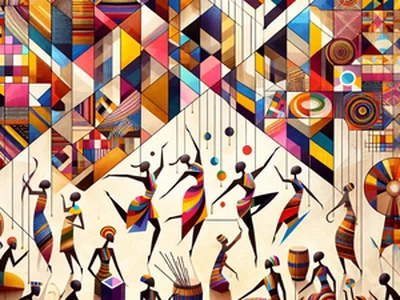
Cultural Artwork
Community Discussion
Further Reading
Explore credible external sources to deepen your understanding of Tutsi culture.