
Guatemalan American
United States SpanishEnglishMayan languages
Guatemalan-American culture represents the blend of Guatemalan heritage and American influences, characterized by a rich tapestry of traditions, languages, and values.
Historical Context
Guatemalan migration to the U.S. increased significantly during the late 20th century due to civil conflict and economic challenges in Guatemala.
Migration Patterns
Many Guatemalans settled in states like California, Florida, and Texas, often forming tight-knit communities.
Conflict And Resilience History
The Guatemalan civil war (1960-1996) led to significant displacement, with many seeking asylum in the U.S.
Diaspora Perspectives
The Guatemalan diaspora maintains strong connections to their homeland through remittances and cultural practices.
Regional Variations
Cultural expressions can vary significantly between urban and rural Guatemalan-American communities.
Bridging Notes
Efforts to bridge cultural gaps include community organizations and cultural festivals.
Spiritual And Religious Practices
Predominantly Catholic, with growing Protestant communities; traditional Mayan beliefs are also present.
Beliefs And Worldview
Family and community are central, with a strong emphasis on respect and hard work.
Cultural Proverbs Sayings
Common sayings emphasize the importance of family and perseverance.
Naming Conventions And Terms Of Address
Names often reflect Spanish and indigenous influences; respect is shown through formal address.
Health And Mental Health
Access to healthcare can be limited; traditional remedies are often used alongside modern medicine.
Mental Health Views
Mental health is sometimes stigmatized, but awareness is growing.
Traditional Healers
Curanderos and herbalists are respected for their knowledge of traditional medicine.
Gender Roles In Healthcare
Women often play a central role in family health decisions.
Healthcare Barriers
Language barriers and lack of insurance are common challenges.
Education And Learning Styles
Education is valued, with a focus on bilingualism and cultural heritage.
Learning Styles
Visual and experiential learning are often preferred.
Parental Engagement
Parents are highly involved in their children's education, often emphasizing respect for teachers.
Family And Social Structure
Extended families often live together or nearby, providing a strong support network.
Discipline And Behavior
Discipline is typically strict, with an emphasis on respect and obedience.
Authority Attitudes
Respect for elders and authority figures is deeply ingrained.
Etiquette And Customs
Greetings often involve handshakes or hugs; hospitality is highly valued.
Community Strengths Resilience
Strong community bonds and cultural pride contribute to resilience.
Art Music And Expression
Music and dance, such as marimba and salsa, are integral to cultural expression.
Cultural Symbols Motifs
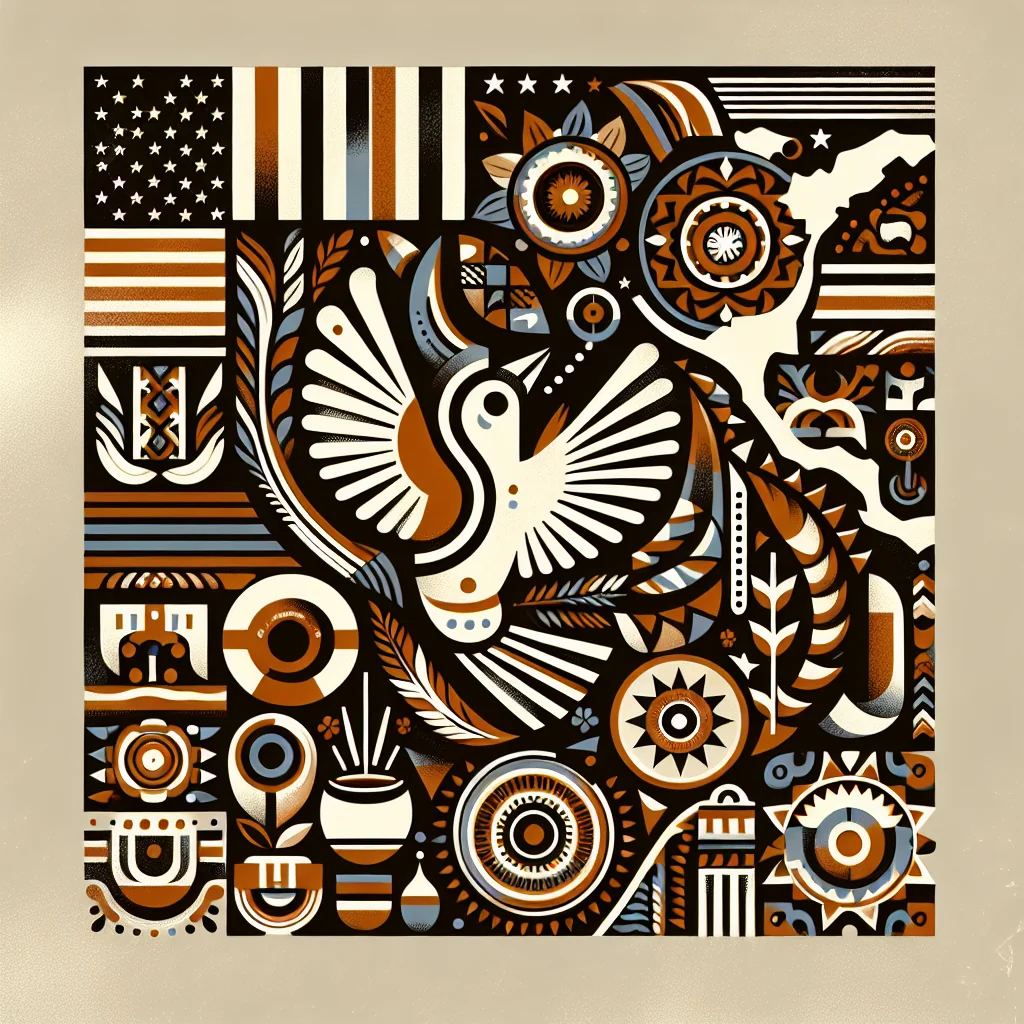
Symbols like the quetzal bird and Mayan motifs are significant.
What Brings Joy
Family gatherings, music, and traditional foods bring joy.
Celebrations Joyful Traditions
Celebrations like Semana Santa and Independence Day are important.
Cultural Calendar And Holidays
Holidays blend Guatemalan and American traditions, such as Christmas and Día de los Muertos.
Additional Notes
Cultural festivals in the U.S. help maintain traditions and community ties.
Economic Context And Occupations
Many work in agriculture, construction, and service industries.
Housing And Living Arrangements
Multigenerational households are common, often due to economic necessity.
Nutrition And Dietary Norms
Traditional foods include corn, beans, and tamales, often adapted to local ingredients.
Interpretation Needs
Spanish interpretation is often needed in healthcare and legal settings.
Interpreter Notes
Cultural sensitivity is crucial for effective communication.
Documentation Traditions
Oral traditions are important, though written documentation is increasing.
Interactions With Other Cultures
Guatemalan-Americans often interact with other Latino groups, sharing cultural and social spaces.
Conflict Resolution Mechanisms
Community mediation and family discussions are common methods.
Cultural Exchange Programs
Programs often focus on language exchange and cultural festivals.
Trade Relations
Trade relations are more relevant at the national level, impacting local businesses.
Shared Artistic Projects
Collaborations in music and art are common, especially in multicultural cities.
Intercultural Marriages
Intercultural marriages are increasingly common, blending traditions.
Shared Educational Initiatives
Educational programs often focus on bilingualism and cultural heritage.
Youth Perspectives
Youth often balance traditional values with modern American influences.
Education Initiatives
Scholarship programs and mentorships support higher education access.
Future Challenges
Challenges include navigating identity and economic opportunities.
Youth Employment Trends
Many young Guatemalan-Americans work in service and tech industries.
Future Visions
There is a strong desire to preserve cultural heritage while achieving personal success.
Youth Leadership Roles
Youth are increasingly taking leadership roles in community organizations.
Innovation And Startups
Entrepreneurship is growing, with a focus on technology and cultural businesses.
Festivals And Celebrations
Festivals often include traditional music, dance, and food.
Traditional Medicine Practices
Herbal remedies and spiritual healing are practiced alongside modern medicine.
Environmental Practices
Community gardens and sustainable practices are encouraged.
Rituals
Rituals often involve family gatherings and religious ceremonies.
Rites Of Passage
Quinceañeras and graduations are significant milestones.
Culinary Traditions
Cuisine features corn, beans, and spices, with regional variations.
Climate Adaptation Strategies
Community efforts focus on sustainable living and resource conservation.
Biodiversity Conservation
Efforts are made to preserve traditional agricultural practices.
Sustainable Tourism Practices
Tourism initiatives often highlight cultural heritage and natural beauty.
Renewable Energy Use
Interest in renewable energy is growing, particularly solar power.
Community Involvement In Practices
Community involvement is key in environmental and cultural initiatives.
Environmental Education Programs
Programs often focus on youth education and community workshops.
Notable Figures
Figures like Rigoberta Menchú have raised awareness of indigenous rights.
Cultural Innovations
Innovations include blending traditional and modern art forms.
Literary Works
Guatemalan-American authors contribute to both American and Latino literature.
Architectural Styles
Architecture often reflects a blend of traditional and modern influences.
Scientific Contributions
Contributions are seen in fields like agriculture and environmental science.
Culinary Innovations
Fusion cuisine blends Guatemalan and American flavors.
Global Influence
Guatemalan-American culture influences music, art, and cuisine globally.
Awards And Recognition
Recognition in arts and human rights advocacy is notable.
Modern Influences
American pop culture and technology influence daily life.
Digital Presence
Social media is widely used for communication and cultural expression.
Globalization Effects
Globalization has led to increased cultural exchange and adaptation.
Urbanization Effects
Urban living has influenced lifestyle and cultural practices.
Technology Adoption
High adoption of smartphones and digital platforms.
Hybrid Cultural Forms
Hybrid forms include music and art that blend traditional and modern elements.
Social Media Presence
Platforms like Facebook and Instagram are popular for community engagement.
Challenges
Challenges include cultural preservation and economic integration.
Preservation Efforts
Efforts focus on language preservation and cultural education.
Cultural Artwork
Community Discussion
Further Reading
Explore credible external sources to deepen your understanding of Guatemalan American culture.