

Cuban American
United States EnglishSpanish
Cuban-American culture is a vibrant blend of Cuban heritage and American influences, characterized by a strong sense of community, rich traditions, and a dynamic presence in the United States.
Historical Context
Cuban-Americans have a rich history that began with significant migration waves in the 19th and 20th centuries, especially after the Cuban Revolution in 1959. This migration has shaped the cultural landscape of many U.S. cities.
Migration Patterns
Major migration waves occurred post-1959, with many Cubans settling in Miami, creating a vibrant community known as 'Little Havana.' Subsequent waves have included political exiles and economic migrants.
Conflict And Resilience History
Cuban-Americans have faced challenges such as political discrimination and cultural assimilation pressures but have shown resilience by maintaining strong cultural ties and establishing influential communities.
Diaspora Perspectives
The Cuban-American diaspora maintains strong connections to Cuba, often advocating for political change and supporting family members through remittances.
Regional Variations
While Miami is the cultural hub, Cuban-Americans in New Jersey and California have developed distinct regional identities influenced by local cultures.
Bridging Notes
Cuban-Americans often serve as cultural bridges between the U.S. and Cuba, facilitating dialogue and cultural exchange.
Spiritual And Religious Practices
Predominantly Roman Catholic, with influences from Santería and other Afro-Cuban religions. Religious practices often blend traditional Catholic rituals with Afro-Cuban elements.
Beliefs And Worldview
Cuban-Americans value family, community, and cultural heritage. There is a strong emphasis on resilience, hard work, and maintaining cultural traditions.
Cultural Proverbs Sayings
Common sayings include 'El que no tiene de congo tiene de carabalí,' reflecting the mixed heritage and resilience of the Cuban people.
Naming Conventions And Terms Of Address
Names often reflect Spanish heritage, with common use of both first and middle names. Respectful terms of address include 'Señor' and 'Señora.'
Health And Mental Health
Cuban-Americans often face health challenges related to access and cultural barriers. There is a growing focus on preventative care and community health initiatives.
Mental Health Views
Mental health is sometimes stigmatized, but awareness is increasing. Community support and family are crucial in addressing mental health issues.
Traditional Healers
Some Cuban-Americans may consult traditional healers or use herbal remedies alongside conventional medicine.
Gender Roles In Healthcare
Traditional gender roles may influence healthcare decisions, with women often taking primary responsibility for family health.
Healthcare Barriers
Language barriers, lack of insurance, and cultural differences can impede access to healthcare services.
Education And Learning Styles
Education is highly valued, with a strong emphasis on academic achievement and bilingual education. Cuban-American students often benefit from supportive family networks.
Learning Styles
Cuban-American students may prefer collaborative and interactive learning environments that reflect their communal cultural values.
Parental Engagement
Parents are actively involved in their children's education, often participating in school activities and advocating for bilingual programs.
Family And Social Structure
Family is central to Cuban-American life, often extending beyond the nuclear family to include a wide network of relatives and close friends.
Discipline And Behavior
Discipline is typically firm but loving, with an emphasis on respect for elders and family unity.
Authority Attitudes
Respect for authority figures, such as elders and community leaders, is a cultural norm.
Etiquette And Customs
Cuban-Americans value hospitality, often welcoming guests with food and conversation. Greetings typically include a kiss on the cheek.
Community Strengths Resilience
Strong community networks provide support and resilience, particularly in times of need or crisis.
Art Music And Expression
Cuban-American culture is rich in artistic expression, with music genres like salsa and jazz being particularly influential. Visual arts and dance also play significant roles.
Cultural Symbols Motifs
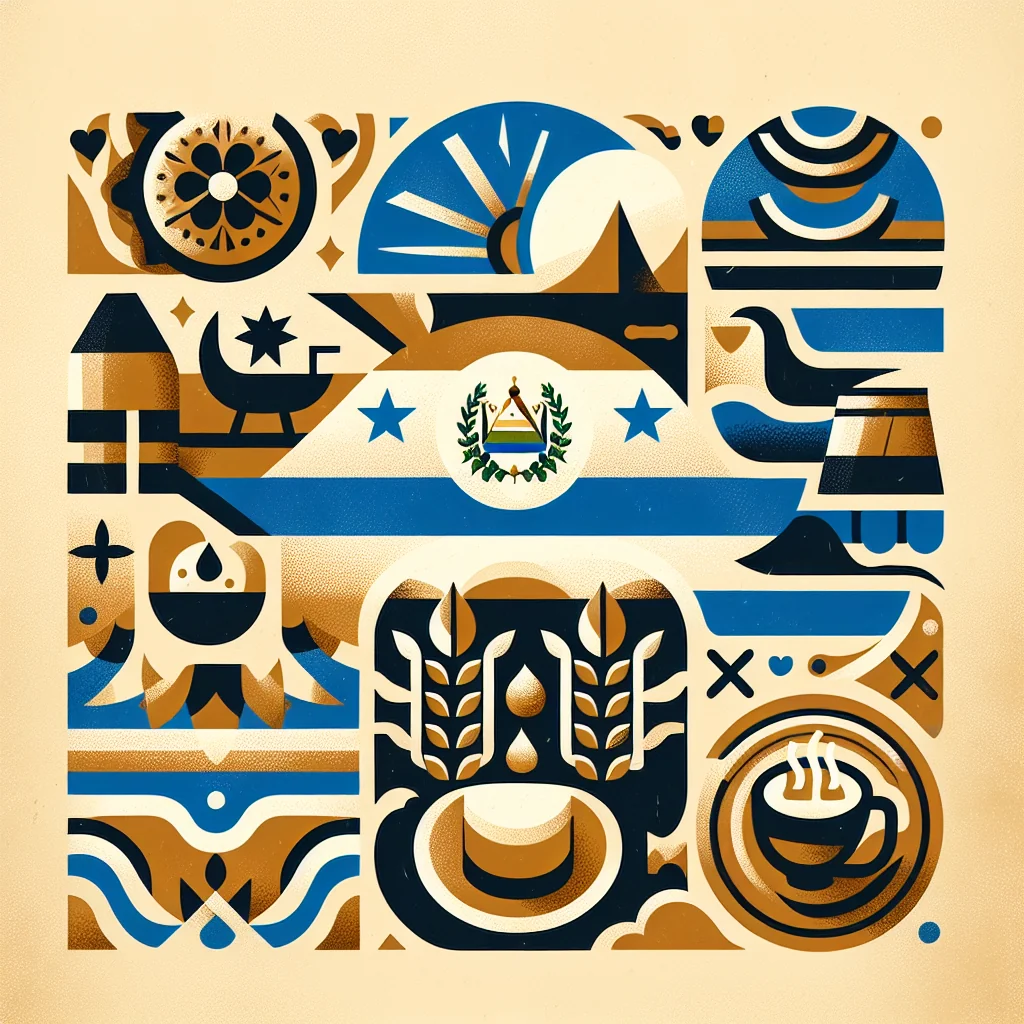
Symbols such as the Cuban flag and motifs like tropical flora are common in Cuban-American art and expression.
What Brings Joy
Music, dance, family gatherings, and cultural festivals are sources of joy and community bonding.
Celebrations Joyful Traditions
Key celebrations include Nochebuena (Christmas Eve), Cuban Independence Day, and Carnaval Miami.
Cultural Calendar And Holidays
Cuban-Americans celebrate both U.S. holidays and Cuban cultural events, often blending traditions from both cultures.
Additional Notes
Cuban-American culture continues to evolve, incorporating new influences while maintaining strong ties to its roots.
Economic Context And Occupations
Cuban-Americans are represented in diverse occupations, from business and politics to arts and education, with a strong entrepreneurial spirit.
Housing And Living Arrangements
Many Cuban-Americans live in multigenerational households, reflecting cultural values of family support and cohesion.
Nutrition And Dietary Norms
Cuban cuisine is a staple, featuring dishes like arroz con pollo and ropa vieja, often adapted to local ingredients and tastes.
Interpretation Needs
Spanish interpretation services are often needed, particularly for older generations who may have limited English proficiency.
Interpreter Notes
Interpreters should be culturally sensitive and aware of regional dialects and idiomatic expressions common in Cuban Spanish.
Documentation Traditions
Oral traditions are important, with stories and history often passed down through generations verbally.
Interactions With Other Cultures
Cuban-Americans interact with a wide range of cultures, particularly within the broader Latino community, fostering cultural exchange and collaboration.
Conflict Resolution Mechanisms
Community dialogue and mediation are common methods for resolving conflicts, often involving respected community leaders.
Cultural Exchange Programs
Programs promoting cultural exchange between the U.S. and Cuba are important for maintaining cultural ties and understanding.
Trade Relations
Cuban-Americans often engage in trade and business ventures that connect U.S. markets with Cuban products and services.
Shared Artistic Projects
Collaborations in music, film, and art are common, highlighting shared cultural themes and experiences.
Intercultural Marriages
Intercultural marriages are common, reflecting the integration of Cuban-Americans into the broader American society.
Shared Educational Initiatives
Educational programs often focus on bilingual education and cultural heritage, promoting mutual understanding and respect.
Youth Perspectives
Cuban-American youth are increasingly bicultural, balancing Cuban heritage with American influences, and often leading cultural innovation.
Education Initiatives
Initiatives focus on bilingual education and higher education access, with programs supporting STEM and arts education.
Future Challenges
Challenges include navigating identity, maintaining cultural heritage, and addressing socio-economic disparities.
Youth Employment Trends
Youth are entering diverse fields, with growing representation in technology, healthcare, and creative industries.
Future Visions
Cuban-American youth envision a future that embraces cultural diversity, innovation, and global connectivity.
Youth Leadership Roles
Youth are increasingly taking on leadership roles in community organizations and cultural advocacy.
Innovation And Startups
There is a growing trend of Cuban-American youth engaging in startups and entrepreneurial ventures, particularly in tech and creative sectors.
Festivals And Celebrations
Festivals like Carnaval Miami celebrate Cuban culture with music, dance, and food, attracting diverse audiences.
Traditional Medicine Practices
Herbal remedies and traditional healing practices are sometimes used alongside modern medicine.
Environmental Practices
Community gardens and urban farming initiatives reflect a growing interest in sustainable living.
Rituals
Rituals often blend Catholic and Afro-Cuban elements, particularly in religious and life-cycle events.
Rites Of Passage
Quinceañeras and other coming-of-age celebrations are important cultural rites of passage.
Culinary Traditions
Cuban cuisine is central to cultural identity, with dishes like lechón asado and black beans being staples.
Climate Adaptation Strategies
Community efforts focus on resilience to climate change, particularly in coastal areas vulnerable to sea-level rise.
Biodiversity Conservation
Efforts to preserve native plants and promote biodiversity are part of community environmental initiatives.
Sustainable Tourism Practices
Cuban-American communities promote cultural tourism that respects and preserves cultural heritage.
Renewable Energy Use
There is growing interest in renewable energy, with some community projects focusing on solar power.
Community Involvement In Practices
Community involvement is key in environmental and cultural preservation efforts, with local organizations leading initiatives.
Environmental Education Programs
Programs aim to educate youth about environmental stewardship and sustainable practices.
Notable Figures
Figures like Gloria Estefan, Celia Cruz, and José Martí have made significant cultural contributions.
Cultural Innovations
Cuban-Americans have influenced music genres like salsa and Latin jazz, and have contributed to American cuisine and arts.
Literary Works
Authors like Cristina García and Oscar Hijuelos have enriched American literature with Cuban-American narratives.
Architectural Styles
Cuban-American communities often feature architectural styles that blend Cuban and American influences, such as in Little Havana.
Scientific Contributions
Cuban-Americans have made contributions in fields like medicine and engineering, with notable figures in academia and research.
Culinary Innovations
Cuban-American cuisine has introduced dishes like the Cuban sandwich and café cubano to a wider audience.
Global Influence
Cuban-American culture has a global presence, influencing music, dance, and cuisine worldwide.
Awards And Recognition
Cuban-Americans have received numerous awards in arts, sciences, and public service, highlighting their contributions to society.
Modern Influences
Cuban-American culture continues to evolve, influenced by global trends and technological advancements.
Digital Presence
Cuban-Americans have a strong digital presence, using social media to connect and share cultural content.
Globalization Effects
Globalization has facilitated cultural exchange, leading to hybrid cultural forms and increased cultural visibility.
Urbanization Effects
Urbanization has influenced Cuban-American communities, with many adapting to city life while maintaining cultural traditions.
Technology Adoption
Cuban-Americans are active in technology adoption, with growing participation in tech industries and digital innovation.
Hybrid Cultural Forms
Hybrid cultural forms, such as fusion cuisine and music, reflect the blending of Cuban and American influences.
Social Media Presence
Social media platforms are used to promote cultural events, share stories, and connect with the broader Cuban diaspora.
Challenges
Cuban-Americans face challenges such as cultural assimilation pressures, socio-economic disparities, and political tensions.
Preservation Efforts
Efforts to preserve cultural heritage include community festivals, educational programs, and cultural organizations promoting Cuban traditions.
Cultural Artwork
Community Discussion
Further Reading
Explore credible external sources to deepen your understanding of Cuban American culture.