
Amhara
Ethiopia Amharic
The Amhara are an ethnic group traditionally inhabiting the northern and central highlands of Ethiopia. They are known for their rich history, cultural heritage, and significant influence in Ethiopian politics and culture.
Historical Context
The Amhara have a long history dating back to the ancient Kingdom of Aksum. They have played a significant role in the political and cultural development of Ethiopia, particularly during the Solomonic dynasty.
Migration Patterns
Historically, the Amhara have migrated within Ethiopia due to various socio-political and economic factors, including land redistribution and conflict.
Conflict And Resilience History
The Amhara have experienced periods of conflict, particularly during the Ethiopian Civil War and recent regional tensions. Despite this, they have shown resilience through cultural preservation and adaptation.
Diaspora Perspectives
The Amhara diaspora, primarily in North America and Europe, maintains strong cultural ties to Ethiopia, often engaging in cultural preservation and advocacy.
Regional Variations
Within the Amhara Region, there are variations in dialects and cultural practices, influenced by geography and historical interactions with neighboring ethnic groups.
Bridging Notes
Efforts to bridge cultural gaps focus on promoting understanding and cooperation between the Amhara and other Ethiopian ethnic groups, emphasizing shared history and values.
Spiritual And Religious Practices
The Ethiopian Orthodox Tewahedo Church is central to Amhara spirituality, with religious practices including fasting, prayer, and participation in church festivals.
Beliefs And Worldview
The Amhara worldview is heavily influenced by Orthodox Christianity, with a strong emphasis on community, family, and moral values.
Cultural Proverbs Sayings
Amhara proverbs often reflect wisdom, moral lessons, and the importance of community, such as 'A single stick may smoke, but it will not burn.'
Naming Conventions And Terms Of Address
Amhara naming conventions typically include a given name followed by the father's name. Respectful terms of address are important, often using titles and honorifics.
Health And Mental Health
Traditional health practices coexist with modern healthcare, with an emphasis on herbal remedies and spiritual healing.
Mental Health Views
Mental health is often viewed through a spiritual lens, with traditional healers playing a role in addressing psychological issues.
Traditional Healers
Traditional healers, known as 'debtera,' are respected figures who use spiritual and herbal remedies to treat ailments.
Gender Roles In Healthcare
Gender roles in healthcare can influence access and decision-making, with women often being primary caregivers but facing barriers to accessing services themselves.
Healthcare Barriers
Barriers include limited access to healthcare facilities, economic constraints, and cultural beliefs that may prioritize traditional medicine.
Education And Learning Styles
Education is highly valued, with a strong emphasis on formal schooling and religious education through the church.
Learning Styles
Learning often involves rote memorization and oral transmission of knowledge, particularly in religious contexts.
Parental Engagement
Parents are actively involved in their children's education, often prioritizing academic success and moral upbringing.
Family And Social Structure
The Amhara social structure is traditionally patriarchal, with extended families playing a crucial role in social organization.
Discipline And Behavior
Discipline is often guided by religious and cultural norms, emphasizing respect for elders and community values.
Authority Attitudes
Authority is respected, particularly religious and community leaders, who are seen as custodians of cultural and moral values.
Etiquette And Customs
Etiquette includes respectful greetings, hospitality, and adherence to social norms, such as removing shoes before entering a home.
Community Strengths Resilience
Community strengths include strong family ties, cultural pride, and resilience in the face of adversity, often supported by communal cooperation and mutual aid.
Art Music And Expression
Amhara art and music are rich and diverse, with traditional music often featuring the masenqo and krar, and art reflecting religious themes.
Cultural Symbols Motifs
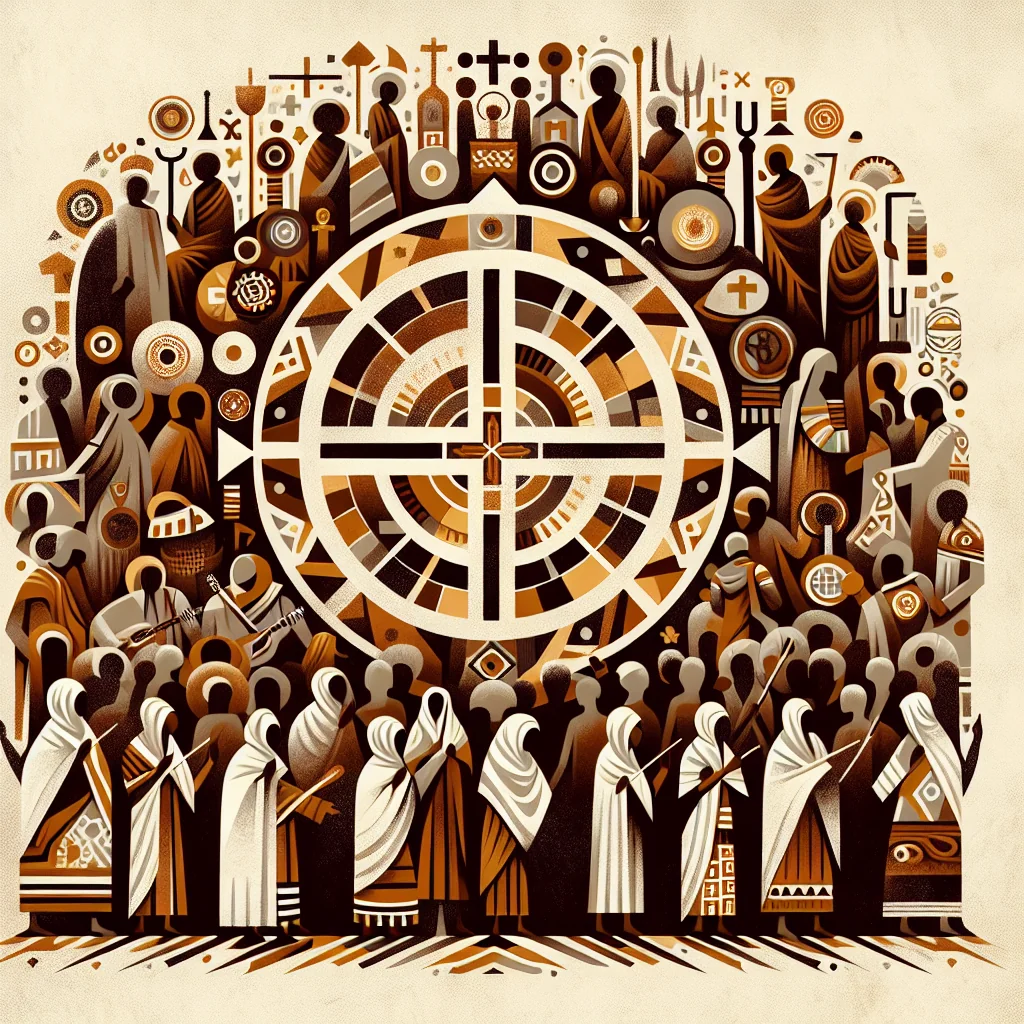
Common symbols include the cross, reflecting religious significance, and traditional patterns used in textiles and crafts.
What Brings Joy
Joy is often found in communal celebrations, religious festivals, and family gatherings.
Celebrations Joyful Traditions
Major celebrations include Meskel, Timkat, and Genna, which are marked by religious ceremonies, feasting, and communal activities.
Cultural Calendar And Holidays
The Amhara cultural calendar is marked by religious holidays, with the Ethiopian Orthodox calendar playing a central role.
Additional Notes
The Amhara culture is characterized by a deep sense of history and tradition, with a strong emphasis on community and spirituality.
Economic Context And Occupations
The Amhara economy is primarily agrarian, with many engaged in farming, livestock rearing, and small-scale trade.
Housing And Living Arrangements
Housing typically consists of traditional tukuls or modern structures, often accommodating extended family members.
Nutrition And Dietary Norms
Dietary norms include staple foods like injera, doro wat, and kitfo, with fasting periods influencing dietary practices.
Interpretation Needs
Interpretation services may be needed for Amharic speakers in non-Amharic speaking regions or countries.
Interpreter Notes
Interpreters should be aware of cultural nuances and the importance of respectful communication.
Documentation Traditions
Documentation often involves oral traditions, with written records primarily in Amharic script for religious and historical texts.
Interactions With Other Cultures
The Amhara have historically interacted with neighboring ethnic groups, influencing and being influenced by them culturally and linguistically.
Conflict Resolution Mechanisms
Traditional conflict resolution involves elders and religious leaders mediating disputes to maintain community harmony.
Cultural Exchange Programs
Cultural exchange programs focus on promoting Ethiopian culture globally and fostering understanding between different ethnic groups within Ethiopia.
Trade Relations
Trade historically involved agricultural products and crafts, with modern trade expanding to include services and technology.
Shared Artistic Projects
Collaborative artistic projects often involve music and dance, showcasing Ethiopia's diverse cultural heritage.
Intercultural Marriages
Intercultural marriages occur, often requiring negotiation of cultural practices and traditions.
Shared Educational Initiatives
Educational initiatives focus on promoting literacy and cultural education, often involving collaboration between different ethnic communities.
Youth Perspectives
Amhara youth are increasingly engaged in education and technology, balancing traditional values with modern aspirations.
Education Initiatives
Initiatives aim to improve access to education, particularly in rural areas, and incorporate cultural education into curricula.
Future Challenges
Challenges include economic opportunities, political stability, and preserving cultural identity amidst globalization.
Youth Employment Trends
Employment trends show a shift towards urban areas and sectors like technology, education, and services.
Future Visions
Future visions include a prosperous and culturally vibrant community, with improved living standards and educational opportunities.
Youth Leadership Roles
Youth are increasingly taking on leadership roles in community organizations and cultural preservation efforts.
Innovation And Startups
There is a growing trend of innovation and startups, particularly in technology and agriculture, driven by young entrepreneurs.
Festivals And Celebrations
Festivals such as Meskel and Timkat are celebrated with religious ceremonies, music, and communal gatherings.
Traditional Medicine Practices
Traditional medicine involves herbal remedies and spiritual healing, often integrated with modern healthcare.
Environmental Practices
Environmental practices include sustainable farming techniques and community-led conservation efforts.
Rituals
Rituals often involve religious ceremonies, such as baptisms and weddings, reflecting deep spiritual significance.
Rites Of Passage
Rites of passage include religious confirmations and traditional ceremonies marking transitions in life stages.
Culinary Traditions
Culinary traditions feature dishes like injera and doro wat, with communal eating being an important social activity.
Climate Adaptation Strategies
Adaptation strategies focus on sustainable agriculture and water management to cope with climate variability.
Biodiversity Conservation
Conservation efforts include protecting indigenous plant species and promoting biodiversity in farming practices.
Sustainable Tourism Practices
Sustainable tourism initiatives aim to preserve cultural heritage while promoting economic development.
Renewable Energy Use
There is a growing emphasis on renewable energy, particularly solar power, in rural areas.
Community Involvement In Practices
Community involvement is crucial in environmental and cultural preservation efforts, often led by local leaders.
Environmental Education Programs
Programs focus on educating communities about sustainable practices and the importance of environmental conservation.
Notable Figures
Notable figures include Emperor Menelik II, who played a key role in Ethiopia's resistance to colonization, and Haile Selassie I, a prominent leader in modern Ethiopian history.
Cultural Innovations
Cultural innovations include the development of unique musical styles and traditional crafts that are integral to Ethiopian identity.
Literary Works
Amharic literature includes religious texts, poetry, and modern novels that reflect the cultural and historical experiences of the Amhara.
Architectural Styles
Traditional Amhara architecture features stone churches and castles, such as those found in Lalibela and Gondar.
Scientific Contributions
Contributions include advancements in agriculture and traditional medicine, often blending indigenous knowledge with modern techniques.
Culinary Innovations
Culinary innovations involve the fusion of traditional and modern cooking techniques, with a focus on local ingredients.
Global Influence
The Amhara culture has influenced global perceptions of Ethiopia, particularly through its rich history and religious heritage.
Awards And Recognition
Amhara individuals and cultural projects have received recognition for their contributions to Ethiopian culture and heritage.
Modern Influences
Modern influences include globalization, technology, and urbanization, impacting cultural practices and lifestyles.
Digital Presence
The digital presence of the Amhara is growing, with increased use of social media and digital platforms for cultural expression.
Globalization Effects
Globalization has led to cultural exchanges and the introduction of new ideas, while also posing challenges to cultural preservation.
Urbanization Effects
Urbanization has resulted in shifts in social structures and lifestyles, with more Amhara moving to cities for opportunities.
Technology Adoption
Technology adoption is increasing, with a focus on improving education, communication, and economic activities.
Hybrid Cultural Forms
Hybrid cultural forms are emerging, blending traditional Amhara elements with modern influences in music, art, and fashion.
Social Media Presence
Social media is used to connect with the diaspora, share cultural content, and engage in social and political discourse.
Challenges
Challenges include preserving cultural identity amidst modernization, addressing socio-economic disparities, and managing ethnic tensions.
Preservation Efforts
Preservation efforts focus on documenting cultural practices, promoting traditional arts, and educating younger generations about their heritage.
Cultural Artwork
Community Discussion
Further Reading
Explore credible external sources to deepen your understanding of Amhara culture.