
Ethiopian
Horn of Africa AmharicOromoTigrinyaSomali
Ethiopian culture is a rich tapestry of history, traditions, and diversity, influenced by its ancient civilizations and varied ethnic groups.
Historical Context
Ethiopia is one of the oldest nations in the world, with a history that dates back to the Aksumite Empire. It is known for its resistance to colonization, maintaining independence during the Scramble for Africa.
Migration Patterns
Ethiopia has experienced various migration patterns due to economic opportunities, conflicts, and environmental changes, leading to a significant diaspora in countries like the United States, Canada, and the Middle East.
Conflict And Resilience History
Ethiopia has faced internal conflicts and external invasions but has shown resilience through its ability to maintain cultural identity and sovereignty.
Diaspora Perspectives
The Ethiopian diaspora plays a crucial role in cultural preservation and economic support through remittances and cultural exchanges.
Regional Variations
Cultural practices vary significantly across regions, influenced by ethnic diversity and geographical factors.
Bridging Notes
Efforts to bridge cultural differences focus on promoting national unity while respecting ethnic diversity.
Spiritual And Religious Practices
Ethiopia is predominantly Christian, with the Ethiopian Orthodox Church being the largest denomination. Islam is also widely practiced, particularly in the eastern regions.
Beliefs And Worldview
Ethiopian culture places a strong emphasis on community, family, and religious faith, with a worldview that values hospitality and respect for elders.
Cultural Proverbs Sayings
Proverbs are an integral part of Ethiopian communication, often used to convey wisdom and cultural values.
Naming Conventions And Terms Of Address
Names often reflect religious or cultural significance, with individuals typically addressed by their first name followed by their father's name.
Health And Mental Health
Traditional medicine plays a significant role alongside modern healthcare, with a focus on holistic approaches to health.
Mental Health Views
Mental health is often stigmatized, but awareness is growing, and efforts are being made to integrate mental health services into primary healthcare.
Traditional Healers
Traditional healers, known as 'debteras', are respected for their knowledge of herbal medicine and spiritual healing practices.
Gender Roles In Healthcare
Gender roles can influence healthcare access, with women often being primary caregivers but facing barriers to accessing care themselves.
Healthcare Barriers
Barriers include limited access to healthcare facilities, economic constraints, and cultural beliefs about illness and treatment.
Education And Learning Styles
Education is highly valued, with a strong emphasis on rote learning and respect for teachers.
Learning Styles
Learning often involves memorization and oral transmission of knowledge, reflecting traditional educational practices.
Parental Engagement
Parents are actively involved in their children's education, often prioritizing education as a means of improving future prospects.
Family And Social Structure
The family is the cornerstone of Ethiopian society, with extended families often living together and playing a significant role in social support.
Discipline And Behavior
Discipline is typically strict, with an emphasis on respect for elders and adherence to social norms.
Authority Attitudes
Authority is respected, with elders and community leaders holding significant influence in decision-making processes.
Etiquette And Customs
Etiquette emphasizes hospitality, with greetings often involving handshakes and inquiries about family well-being.
Community Strengths Resilience
Communities are resilient, with strong social networks and a collective approach to overcoming challenges.
Art Music And Expression
Ethiopian art and music are vibrant, with traditional music featuring unique instruments like the krar and masenqo.
Cultural Symbols Motifs
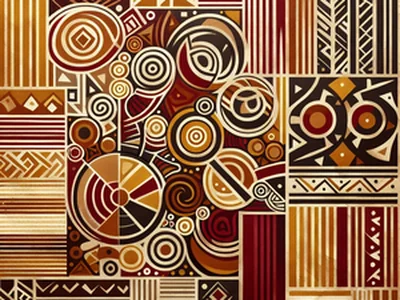
Cultural symbols include the Ethiopian cross and traditional patterns found in clothing and art.
What Brings Joy
Joy is often found in communal activities, music, dance, and religious celebrations.
Celebrations Joyful Traditions
Major celebrations include Meskel, Timkat, and Enkutatash, each marked by unique rituals and communal gatherings.
Cultural Calendar And Holidays
The Ethiopian calendar is unique, with 13 months, and holidays often revolve around religious events.
Additional Notes
Ethiopian culture is known for its rich oral traditions and storytelling, which play a key role in cultural expression.
Economic Context And Occupations
Agriculture is the backbone of the Ethiopian economy, with many people engaged in farming and related activities.
Housing And Living Arrangements
Housing varies from traditional tukuls in rural areas to modern apartments in urban centers.
Nutrition And Dietary Norms
The Ethiopian diet is diverse, with injera being a staple food, often accompanied by various stews and vegetables.
Interpretation Needs
Interpretation services are often needed for Amharic and other local languages in international settings.
Interpreter Notes
Interpreters should be aware of cultural nuances and the importance of context in communication.
Documentation Traditions
Documentation often involves oral traditions, with written records becoming more common in modern times.
Interactions With Other Cultures
Ethiopia has a long history of interactions with neighboring cultures through trade and migration.
Conflict Resolution Mechanisms
Traditional conflict resolution often involves community elders and religious leaders.
Cultural Exchange Programs
Cultural exchange programs focus on promoting Ethiopian art, music, and cuisine globally.
Trade Relations
Ethiopia engages in trade with neighboring countries and has growing economic ties with global partners.
Shared Artistic Projects
Collaborations in music and art with other African nations are common.
Intercultural Marriages
Intercultural marriages are becoming more common, particularly in urban areas.
Shared Educational Initiatives
Educational initiatives often involve partnerships with international universities and organizations.
Youth Perspectives
Ethiopian youth are increasingly focused on education and technology, seeking opportunities for innovation and entrepreneurship.
Education Initiatives
Government and NGOs are investing in education to improve literacy and access to higher education.
Future Challenges
Challenges include unemployment, political instability, and climate change impacts.
Youth Employment Trends
There is a growing trend towards entrepreneurship and technology-based jobs among Ethiopian youth.
Future Visions
The future vision for Ethiopia includes sustainable development, technological advancement, and cultural preservation.
Youth Leadership Roles
Youth are taking on leadership roles in community development and social change initiatives.
Innovation And Startups
The startup ecosystem is growing, with a focus on technology and agriculture innovations.
Festivals And Celebrations
Festivals such as Timkat and Meskel are celebrated with vibrant processions and communal gatherings.
Traditional Medicine Practices
Traditional medicine is widely practiced, with herbal remedies and spiritual healing being common.
Environmental Practices
Environmental conservation is gaining attention, with efforts to protect natural resources and biodiversity.
Rituals
Rituals often involve religious ceremonies and community participation, reflecting deep spiritual beliefs.
Rites Of Passage
Rites of passage, such as weddings and coming-of-age ceremonies, are significant cultural events.
Culinary Traditions
Ethiopian cuisine is known for its rich flavors and communal dining, with dishes like doro wat and kitfo.
Climate Adaptation Strategies
Strategies include sustainable agriculture practices and water conservation efforts.
Biodiversity Conservation
Conservation efforts focus on protecting Ethiopia's unique flora and fauna, including endemic species.
Sustainable Tourism Practices
Sustainable tourism is promoted to preserve cultural heritage and natural landscapes.
Renewable Energy Use
There is a growing emphasis on renewable energy, particularly hydroelectric power.
Community Involvement In Practices
Communities are actively involved in environmental and cultural preservation initiatives.
Environmental Education Programs
Programs aim to raise awareness about environmental issues and promote sustainable practices.
Notable Figures
Notable figures include Emperor Haile Selassie, athlete Haile Gebrselassie, and musician Mulatu Astatke.
Cultural Innovations
Ethiopia is known for its unique script, the Ge'ez alphabet, and its contributions to coffee culture.
Literary Works
Ethiopian literature includes ancient texts like the Kebra Nagast and modern works by authors like Dinaw Mengestu.
Architectural Styles
Distinctive architectural styles include the rock-hewn churches of Lalibela and the castles of Gondar.
Scientific Contributions
Contributions to science include advancements in agriculture and traditional medicine.
Culinary Innovations
Ethiopian cuisine is renowned for its use of spices and communal dining traditions.
Global Influence
Ethiopian culture has influenced global music, cuisine, and religious practices, particularly through the Rastafarian movement.
Awards And Recognition
Ethiopian individuals and cultural works have received international recognition in fields such as athletics, music, and literature.
Modern Influences
Modern influences include globalization, technology, and urbanization, impacting cultural practices and lifestyles.
Digital Presence
Ethiopian culture is increasingly represented online through social media and digital platforms.
Globalization Effects
Globalization has led to cultural exchanges and the blending of traditional and modern practices.
Urbanization Effects
Urbanization is transforming social structures and lifestyles, particularly in cities like Addis Ababa.
Technology Adoption
Technology adoption is growing, with increased access to mobile phones and the internet.
Hybrid Cultural Forms
Hybrid cultural forms are emerging, blending traditional Ethiopian elements with global influences.
Social Media Presence
Social media is widely used for cultural expression and communication, particularly among the youth.
Challenges
Challenges include preserving cultural heritage amidst modernization and addressing social inequalities.
Preservation Efforts
Efforts are underway to preserve cultural sites and traditions, supported by both government and community initiatives.
Cultural Artwork
Community Discussion
Further Reading
Explore credible external sources to deepen your understanding of Ethiopian culture.