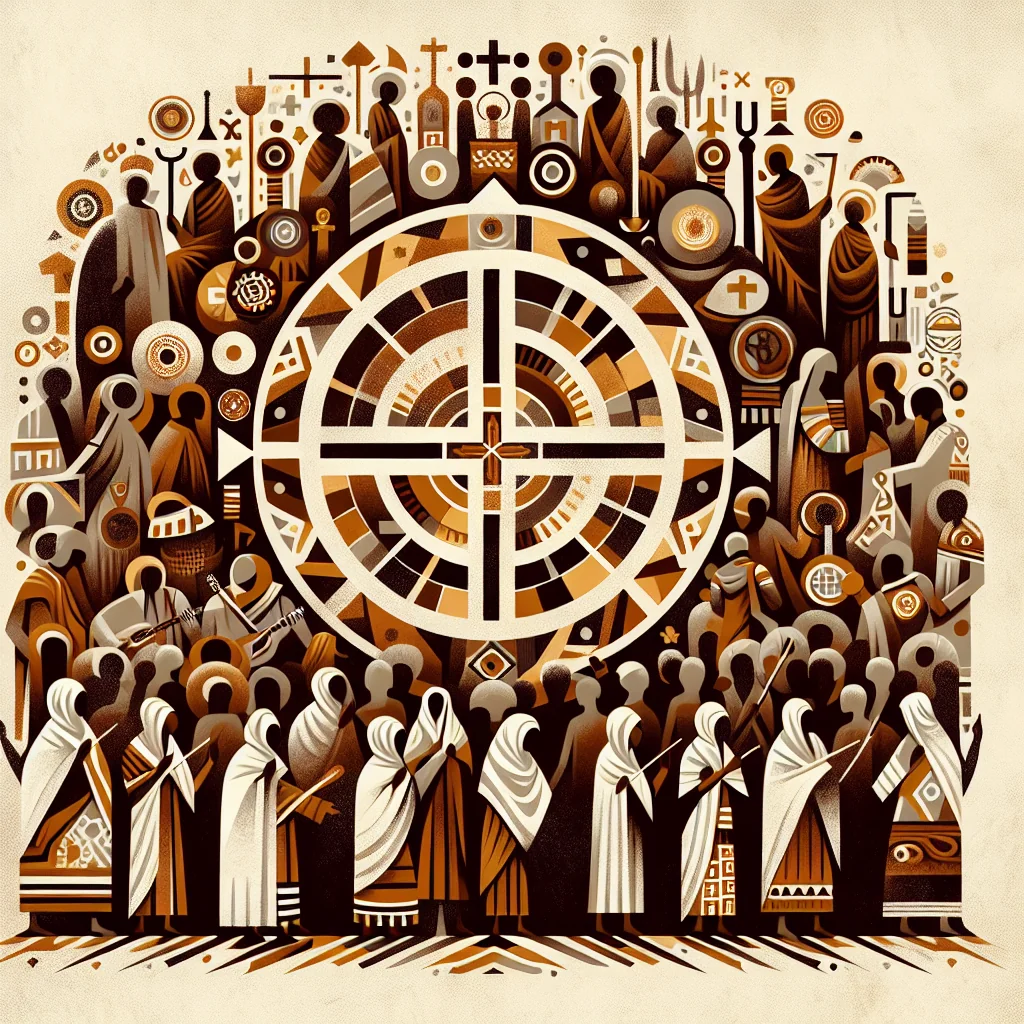


Konso
Southern Ethiopia KonsoAmharic
The Konso people are an ethnic group living in southern Ethiopia, known for their unique culture and traditional practices.
Historical Context
The Konso people have a long history dating back to the 13th century, with evidence of their presence in the region.
Migration Patterns
The Konso people migrated from the north to the south of Ethiopia, settling in the current region around the 16th century.
Conflict And Resilience History
The Konso people have faced various conflicts and challenges throughout history, including wars with neighboring tribes and colonial powers.
Diaspora Perspectives
There is a small diaspora community of Konso people living in urban areas of Ethiopia and abroad.
Regional Variations
Regional variations exist within the Konso culture, with different sub-groups having their own distinct traditions and practices.
Spiritual And Religious Practices
The Konso people practice a traditional form of Christianity, blending it with indigenous beliefs and rituals.
Beliefs And Worldview
The Konso people believe in a supreme being, Ancestor spirits, and the importance of maintaining balance and harmony with nature.
Cultural Proverbs Sayings
Proverbs and sayings are an integral part of Konso culture, often used to convey moral values and teachings.
Naming Conventions And Terms Of Address
Names in Konso culture hold significant meaning, with each name reflecting a person's status, occupation, or ancestry.
Health And Mental Health
The Konso people prioritize physical and mental well-being, with a strong emphasis on traditional medicine and spiritual healing.
Mental Health Views
Mental health is considered an integral part of overall health in Konso culture, with a focus on balance and harmony within the community.
Traditional Healers
Traditional healers play a crucial role in Konso society, using herbal remedies, rituals, and spiritual practices to treat illnesses.
Gender Roles In Healthcare
Women often take on caregiving roles in healthcare, while men are involved in decision-making and treatment.
Healthcare Barriers
Access to modern healthcare services is limited in rural areas, leading to a reliance on traditional medicine.
Education And Learning Styles
The Konso people value education, with an emphasis on practical skills and hands-on learning.
Learning Styles
Learning styles vary among the Konso people, with some preferring formal education and others relying on apprenticeships and oral traditions.
Parental Engagement
Parents are actively involved in their children's education, often providing guidance and support in traditional practices.
Family And Social Structure
The Konso people live in small villages, with a strong emphasis on family ties and social cohesion.
Discipline And Behavior
Discipline is maintained through community norms and values, with an emphasis on respect for elders and tradition.
Authority Attitudes
Authority figures are highly respected in Konso culture, with a strong emphasis on obedience and loyalty.
Etiquette And Customs
Etiquette and customs play a significant role in Konso society, with rules governing behavior, dress, and interaction.
Community Strengths Resilience
The Konso people are known for their resilience and adaptability, with a strong sense of community and cooperation.
Art Music And Expression
The Konso people have a rich cultural heritage in art, music, and expression, with a focus on traditional crafts and storytelling.
Cultural Symbols Motifs
Symbols and motifs are used extensively in Konso culture, often representing spiritual or ancestral connections.
What Brings Joy
Joy is found in community celebrations, traditional performances, and the sharing of stories and experiences.
Celebrations Joyful Traditions
The Konso people celebrate various festivals throughout the year, including harvest festivals and initiation ceremonies.
Cultural Calendar And Holidays
The Konso calendar is based on lunar cycles, with significant events marked by traditional rituals and celebrations.
Economic Context And Occupations
The Konso people engage in subsistence agriculture, animal husbandry, and craftsmanship, with some involvement in trade and commerce.
Housing And Living Arrangements
Housing is typically simple, made from local materials such as thatch or mud, with a focus on community living arrangements.
Nutrition And Dietary Norms
The Konso people follow a traditional diet based on locally available crops and livestock, with an emphasis on community sharing and cooperation.
Interpretation Needs
Interpretation services may be required for non-Konso speakers, particularly in official contexts or when interacting with outsiders.
Interpreter Notes
Interpreters are often family members or respected community leaders who have a deep understanding of Konso culture and language.
Documentation Traditions
Documentation is not a significant aspect of Konso culture, with knowledge and traditions passed down through oral tradition.
Interactions With Other Cultures
The Konso people have interactions with neighboring tribes and communities, often through trade and cultural exchange.
Conflict Resolution Mechanisms
Disputes are typically resolved through community mediation and negotiation, with a focus on maintaining harmony and balance.
Cultural Exchange Programs
Cultural exchange programs exist between the Konso people and other ethnic groups in Ethiopia, promoting mutual understanding and respect.
Trade Relations
The Konso people engage in trade with neighboring communities, exchanging goods such as crops, livestock, and handicrafts.
Shared Artistic Projects
Artistic collaborations and joint performances are common between the Konso people and other cultural groups.
Intercultural Marriages
Intermarriage is practiced among the Konso people and other ethnic groups in Ethiopia, promoting cultural exchange and understanding.
Shared Educational Initiatives
Educational initiatives are shared between the Konso people and other communities, focusing on skills development and community empowerment.
Youth Perspectives
Youth in the Konso community prioritize education, economic opportunities, and cultural preservation.
Education Initiatives
Education initiatives focus on vocational training, literacy programs, and cultural heritage preservation.
Future Challenges
Challenges facing the Konso people include climate change, poverty, and cultural erosion.
Youth Employment Trends
Youth employment trends in the Konso community involve agriculture, craftsmanship, and entrepreneurship.
Future Visions
The future vision for the Konso people involves sustainable development, cultural preservation, and community empowerment.
Youth Leadership Roles
Youth leadership roles are emerging in the Konso community, focusing on community development and cultural preservation.
Innovation And Startups
Innovation and entrepreneurship are encouraged among the Konso youth, with a focus on sustainable development and community benefit.
Festivals And Celebrations
The Konso people celebrate various festivals throughout the year, including harvest festivals and initiation ceremonies.
Traditional Medicine Practices
Traditional healers use herbal remedies, rituals, and spiritual practices to treat illnesses.
Environmental Practices
The Konso people prioritize environmental conservation, with a focus on sustainable agriculture and resource management.
Rituals
Rituals are an integral part of Konso culture, often performed to ensure fertility, prosperity, and protection.
Rites Of Passage
Rites of passage involve initiation ceremonies, which mark important life transitions such as birth, coming of age, and marriage.
Culinary Traditions
The Konso people follow a traditional diet based on locally available crops and livestock, with an emphasis on community sharing and cooperation.
Climate Adaptation Strategies
Climate adaptation strategies involve crop diversification, soil conservation, and water harvesting.
Biodiversity Conservation
Biodiversity conservation is a priority for the Konso people, with efforts focused on preserving traditional crops and livestock breeds.
Sustainable Tourism Practices
Sustainable tourism practices promote cultural exchange, community benefit, and environmental conservation.
Renewable Energy Use
Renewable energy sources are used by the Konso people, including solar power and biogas.
Community Involvement In Practices
Community involvement is essential in maintaining traditional practices, including cultural ceremonies and rituals.
Notable Figures
Notable figures in Konso culture include community leaders, artists, and traditional healers.
Cultural Innovations
Cultural innovations involve the development of new crafts, music, and dance styles, often blending traditional and modern elements.
Literary Works
Literary works are not a significant aspect of Konso culture, with knowledge and traditions passed down through oral tradition.
Architectural Styles
Architectural styles in the Konso region reflect traditional building techniques and materials, such as thatch and mud.
Scientific Contributions
Scientific contributions from the Konso people are limited, although they have developed unique agricultural practices and resource management strategies.
Culinary Innovations
Culinary innovations involve the development of new dishes and cooking techniques, often blending traditional ingredients with modern flavors.
Global Influence
The Konso culture has a significant influence on local communities in Ethiopia, promoting cultural exchange and understanding.
Modern Influences
Modern influences on the Konso culture include urbanization, migration, and exposure to global media and technologies.
Digital Presence
The Konso people have a growing digital presence, with increasing access to mobile phones, internet, and social media.
Globalization Effects
Globalization has had both positive and negative effects on the Konso culture, promoting cultural exchange but also threatening traditional practices.
Urbanization Effects
Urbanization has had both positive and negative effects on the Konso culture, promoting economic opportunities but also threatening traditional practices.
Technology Adoption
Technology adoption is increasing among the Konso people, with a focus on sustainable development and community benefit.
Hybrid Cultural Forms
Hybrid cultural forms are emerging in the Konso community, blending traditional and modern elements in art, music, and expression.
Social Media Presence
The Konso people have a growing social media presence, with increasing use of platforms such as Facebook and Instagram.
Challenges
Challenges facing the Konso people include climate change, poverty, cultural erosion, and limited access to education and healthcare.
Preservation Efforts
Preservation efforts focus on maintaining traditional practices, promoting cultural exchange, and supporting community development initiatives.
Cultural Artwork
Community Discussion
Further Reading
Explore credible external sources to deepen your understanding of Konso culture.