
Yazidi
Kurdistan region of Iraq, with diaspora communities in Europe and North America. Kurdish (Kurmanji dialect)Arabic
The Yazidi culture is a distinct ethno-religious group primarily found in northern Iraq, known for its unique religious beliefs and practices.
Historical Context
The Yazidi religion is believed to have originated in the 12th century, with roots in ancient Mesopotamian religions. The community has faced persecution throughout history, most notably during the Ottoman Empire and more recently by ISIS.
Migration Patterns
Significant migration occurred during the late 20th and early 21st centuries due to conflict, leading to diaspora communities in Europe and North America.
Conflict And Resilience History
Yazidis have faced numerous genocides and persecutions, particularly under ISIS, which led to a mass displacement in 2014. Despite this, they have shown resilience in preserving their culture and identity.
Diaspora Perspectives
The Yazidi diaspora plays a crucial role in raising awareness about their culture and the challenges faced by the community, often advocating for human rights and cultural preservation.
Regional Variations
While the core beliefs remain consistent, there are slight variations in practices and traditions among Yazidis in different regions, influenced by local cultures.
Bridging Notes
Efforts are ongoing to bridge the gap between Yazidis in their homeland and the diaspora, focusing on cultural preservation and community support.
Spiritual And Religious Practices
Yazidis practice a monotheistic religion with elements of Zoroastrianism, Islam, Christianity, and ancient Mesopotamian beliefs. Central to their faith is the worship of Melek Taus, the Peacock Angel.
Beliefs And Worldview
Yazidis believe in a single God who created the world and entrusted it to seven holy beings, with Melek Taus as the chief. They emphasize purity, truth, and the cyclical nature of life.
Cultural Proverbs Sayings
Yazidi proverbs often reflect themes of resilience, community, and the importance of maintaining one's cultural identity.
Naming Conventions And Terms Of Address
Names often have religious significance, and terms of address reflect respect for elders and religious leaders.
Health And Mental Health
Traditional health practices are common, with a focus on herbal remedies and spiritual healing. Access to modern healthcare can be limited, especially in rural areas.
Mental Health Views
Mental health is often viewed through a spiritual lens, with traditional healers playing a role in addressing mental health issues.
Traditional Healers
Traditional healers, known as 'Kocheks', are respected figures who use spiritual and herbal remedies to treat ailments.
Gender Roles In Healthcare
Gender roles can influence healthcare access, with women often having less autonomy in health-related decisions.
Healthcare Barriers
Barriers include limited access to healthcare facilities, cultural stigma around certain medical conditions, and language barriers in diaspora communities.
Education And Learning Styles
Education is highly valued, with a focus on both religious and secular knowledge. Community schools often emphasize Yazidi history and culture.
Learning Styles
Learning is often communal, with oral traditions playing a significant role in education.
Parental Engagement
Parents are actively involved in their children's education, often prioritizing cultural and religious teachings.
Family And Social Structure
The Yazidi community is organized around extended family units, with a strong emphasis on kinship and communal support.
Discipline And Behavior
Discipline is often guided by religious teachings and community norms, with respect for elders being paramount.
Authority Attitudes
Religious leaders hold significant authority within the community, guiding both spiritual and social matters.
Etiquette And Customs
Etiquette is deeply rooted in respect for tradition and religious practices, with specific customs observed during religious ceremonies and social gatherings.
Community Strengths Resilience
The Yazidi community is known for its resilience, strong social bonds, and ability to maintain cultural identity despite external pressures.
Art Music And Expression
Yazidi music and dance are integral to cultural expression, often featuring traditional instruments like the tambur and daf.
Cultural Symbols Motifs
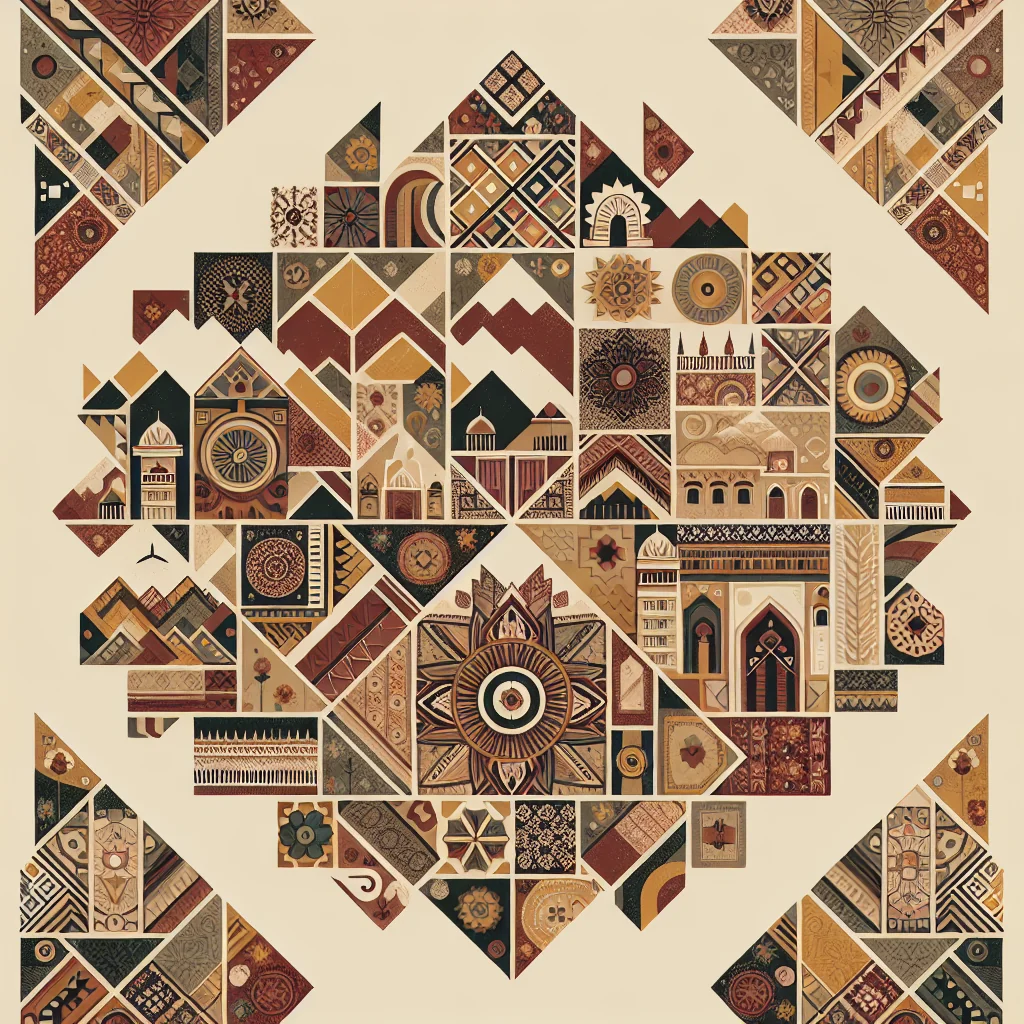
The peacock is a prominent symbol, representing Melek Taus. Other motifs include sun symbols and traditional geometric patterns.
What Brings Joy
Community gatherings, religious festivals, and music are central to Yazidi joy and cultural expression.
Celebrations Joyful Traditions
The Yazidi New Year, known as 'Sere Sal', and the Feast of the Assembly are major celebrations marked by communal feasting and rituals.
Cultural Calendar And Holidays
The Yazidi calendar includes several religious festivals, with the New Year and the Feast of the Assembly being the most significant.
Additional Notes
Yazidi cultural expression is a blend of religious devotion and communal joy, often reflected in their vibrant music and dance traditions.
Economic Context And Occupations
Traditionally, Yazidis have been involved in agriculture and animal husbandry. In diaspora communities, they engage in various occupations, including business and skilled trades.
Housing And Living Arrangements
In Iraq, Yazidis often live in close-knit villages. In diaspora, they adapt to urban living while maintaining community ties.
Nutrition And Dietary Norms
Dietary practices are influenced by religious beliefs, with certain foods being avoided during religious observances.
Interpretation Needs
In diaspora communities, there is often a need for interpretation services, particularly for older generations who may not speak the local language fluently.
Interpreter Notes
Interpreters should be sensitive to cultural nuances and the importance of religious terminology.
Documentation Traditions
Oral tradition is strong, with many cultural and religious teachings passed down verbally. Written documentation is becoming more common in diaspora communities.
Interactions With Other Cultures
Yazidis have historically interacted with neighboring cultures, often adopting and adapting elements while maintaining distinct cultural practices.
Conflict Resolution Mechanisms
Traditional conflict resolution involves community elders and religious leaders, emphasizing reconciliation and community harmony.
Cultural Exchange Programs
There are initiatives aimed at promoting cultural exchange and understanding, particularly in diaspora communities.
Trade Relations
Historically, Yazidis engaged in trade with neighboring communities, exchanging goods and cultural practices.
Shared Artistic Projects
Collaborations with other cultures in music and art are emerging, particularly in diaspora settings.
Intercultural Marriages
Intercultural marriages are rare due to religious and cultural norms, but they do occur in diaspora communities.
Shared Educational Initiatives
Educational programs often focus on cultural preservation and awareness, sometimes in collaboration with other minority groups.
Youth Perspectives
Yazidi youth are increasingly focused on education and cultural preservation, balancing traditional values with modern aspirations.
Education Initiatives
There are efforts to provide educational opportunities that emphasize both Yazidi culture and broader academic subjects.
Future Challenges
Challenges include cultural preservation, integration in diaspora communities, and addressing the trauma of past persecutions.
Youth Employment Trends
Youth are pursuing diverse career paths, with many seeking opportunities in technology and business.
Future Visions
The Yazidi community envisions a future where their cultural identity is preserved and respected, with increased opportunities for youth.
Youth Leadership Roles
Youth are taking on leadership roles in cultural and community organizations, advocating for their community's needs.
Innovation And Startups
There is a growing interest in entrepreneurship, with young Yazidis exploring startups in various sectors.
Festivals And Celebrations
Festivals are central to Yazidi culture, with rituals and communal gatherings marking significant religious events.
Traditional Medicine Practices
Herbal remedies and spiritual healing are common, often used alongside modern medicine.
Environmental Practices
Traditional practices emphasize harmony with nature, with sustainable agriculture being a key aspect.
Rituals
Rituals often involve music, dance, and offerings, reflecting the community's spiritual beliefs.
Rites Of Passage
Rites of passage, such as weddings and coming-of-age ceremonies, are significant cultural events with elaborate rituals.
Culinary Traditions
Yazidi cuisine features dishes like biryani and dolma, often prepared for communal gatherings.
Climate Adaptation Strategies
In rural areas, traditional knowledge is used to adapt to climate changes, particularly in agriculture.
Biodiversity Conservation
There is a cultural emphasis on preserving local biodiversity, often reflected in agricultural practices.
Sustainable Tourism Practices
Efforts are being made to promote sustainable tourism that respects Yazidi cultural sites and traditions.
Renewable Energy Use
In diaspora communities, there is an interest in renewable energy, though traditional areas rely more on conventional sources.
Community Involvement In Practices
Community involvement is crucial in cultural and environmental practices, with collective decision-making being common.
Environmental Education Programs
Programs are emerging to educate younger generations about environmental stewardship and traditional practices.
Notable Figures
Notable Yazidi figures include Nadia Murad, a Nobel Peace Prize laureate and human rights activist.
Cultural Innovations
Yazidi music and dance have influenced regional cultural expressions, with unique styles and instruments.
Literary Works
Yazidi oral literature is rich, with stories and proverbs passed down through generations.
Architectural Styles
Traditional Yazidi architecture includes distinctive temples and shrines, often featuring conical roofs.
Scientific Contributions
While specific scientific contributions are less documented, Yazidis have historically engaged in agricultural innovations.
Culinary Innovations
Yazidi cuisine is known for its unique flavors and traditional preparation methods, contributing to regional culinary diversity.
Global Influence
The Yazidi diaspora has raised global awareness about their culture and the challenges they face, influencing international human rights discussions.
Awards And Recognition
Yazidi individuals and organizations have received recognition for their efforts in cultural preservation and human rights advocacy.
Modern Influences
Yazidi culture is adapting to modern influences, particularly in diaspora communities, while striving to maintain traditional values.
Digital Presence
Social media and digital platforms are increasingly used to connect Yazidi communities and share cultural content.
Globalization Effects
Globalization has brought both opportunities and challenges, with increased cultural exchange and the risk of cultural dilution.
Urbanization Effects
Urbanization has led to changes in lifestyle and community dynamics, particularly in diaspora settings.
Technology Adoption
Technology is being adopted for education, communication, and cultural preservation, with online platforms playing a key role.
Hybrid Cultural Forms
Hybrid cultural forms are emerging, blending traditional Yazidi elements with influences from host cultures.
Social Media Presence
Social media is a vital tool for cultural expression and community organization, particularly among Yazidi youth.
Challenges
The Yazidi community faces challenges such as cultural preservation, integration in diaspora, and addressing the trauma of past persecutions.
Preservation Efforts
Efforts are underway to document Yazidi culture and traditions, with initiatives focused on education and cultural heritage preservation.
Cultural Artwork
Community Discussion
Further Reading
Explore credible external sources to deepen your understanding of Yazidi culture.