

Assyrian Diaspora
Global, with significant populations in the United States, Europe, and Australia. Assyrian Neo-AramaicArabicEnglish
The Assyrian diaspora refers to the communities of Assyrians living outside their ancestral homeland, primarily due to historical conflicts and persecution.
Historical Context
The Assyrian diaspora has its roots in the ancient Assyrian Empire, with significant migrations occurring due to the fall of the empire, subsequent persecutions, and conflicts in the Middle East.
Migration Patterns
Major waves of migration occurred during the Assyrian Genocide in the early 20th century, and later due to conflicts in Iraq and Syria.
Conflict And Resilience History
The Assyrian diaspora has faced numerous challenges, including genocide and forced displacement, yet has shown remarkable resilience in preserving its cultural identity.
Diaspora Perspectives
Assyrians in the diaspora often view themselves as custodians of their ancient heritage, striving to maintain their language, religion, and traditions.
Regional Variations
While maintaining core cultural elements, Assyrian communities adapt to their host countries, resulting in regional variations in language use and cultural practices.
Bridging Notes
Efforts are ongoing to bridge the gap between Assyrians in the diaspora and those in their ancestral lands through cultural exchanges and digital platforms.
Spiritual And Religious Practices
The majority of Assyrians in the diaspora are Christians, primarily belonging to the Assyrian Church of the East, Chaldean Catholic Church, and Syriac Orthodox Church.
Beliefs And Worldview
Assyrians hold a strong sense of community and identity, with a worldview shaped by their historical experiences and Christian faith.
Cultural Proverbs Sayings
Common sayings emphasize resilience, community, and the importance of heritage.
Naming Conventions And Terms Of Address
Names often reflect religious and historical significance, with traditional Assyrian names being common.
Health And Mental Health
Health practices are influenced by both traditional beliefs and modern medical practices, with a focus on family involvement in health decisions.
Mental Health Views
Mental health is often approached with caution, with stigma still present, though awareness is increasing.
Traditional Healers
While modern medicine is prevalent, some Assyrians may still consult traditional healers for certain ailments.
Gender Roles In Healthcare
Gender roles can influence healthcare decisions, with family elders often playing a significant role.
Healthcare Barriers
Language barriers and cultural differences can pose challenges in accessing healthcare services.
Education And Learning Styles
Education is highly valued, with a strong emphasis on academic achievement and cultural education.
Learning Styles
Learning often involves a mix of traditional methods and modern educational practices, with a focus on community involvement.
Parental Engagement
Parents are highly involved in their children's education, often emphasizing the importance of maintaining cultural heritage.
Family And Social Structure
Family is the cornerstone of Assyrian society, with extended family networks providing support and cohesion.
Discipline And Behavior
Discipline is often guided by cultural and religious values, with respect for elders being paramount.
Authority Attitudes
There is a strong respect for authority figures, both within the family and the community.
Etiquette And Customs
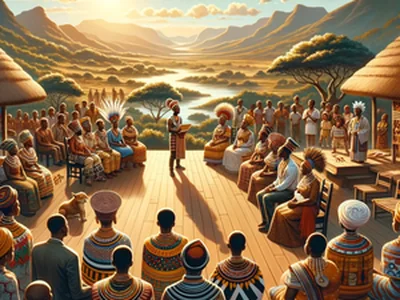
Assyrian customs emphasize hospitality, respect, and community gatherings.
Community Strengths Resilience
The Assyrian diaspora is known for its resilience, maintaining cultural traditions and supporting one another through community organizations.
Art Music And Expression
Assyrian culture is rich in music, dance, and art, with traditional instruments and folk dances being integral to cultural expression.
Cultural Symbols Motifs
Symbols such as the Assyrian flag and motifs from ancient Assyrian art are commonly used to express cultural identity.
What Brings Joy
Community gatherings, religious celebrations, and cultural festivals are sources of joy and pride.
Celebrations Joyful Traditions
Key celebrations include Assyrian New Year (Akitu), Easter, and Christmas, often marked by communal feasts and traditional music.
Cultural Calendar And Holidays
The Assyrian calendar includes both religious and cultural holidays, celebrated with community events and family gatherings.
Additional Notes
Assyrian cultural expression is a blend of ancient traditions and modern influences, reflecting the diaspora's adaptability.
Economic Context And Occupations
Assyrians in the diaspora engage in a variety of occupations, with many excelling in business, academia, and the arts.
Housing And Living Arrangements
Living arrangements often reflect a blend of traditional family structures and modern housing practices.
Nutrition And Dietary Norms
Traditional Assyrian cuisine is cherished, with dishes like dolma and kebabs being popular, though dietary habits may adapt to local contexts.
Interpretation Needs
Language services are often required for older generations who may not be fluent in the host country's language.
Interpreter Notes
Interpreters familiar with Assyrian dialects and cultural nuances are preferred.
Documentation Traditions
Documentation often includes both traditional oral histories and written records, reflecting a rich cultural heritage.
Interactions With Other Cultures
Assyrians engage in cultural exchanges with other communities, often participating in multicultural events.
Conflict Resolution Mechanisms
Community leaders and elders often mediate conflicts, drawing on traditional practices and modern approaches.
Cultural Exchange Programs
Programs exist to promote cultural understanding and exchange between Assyrians and other communities.
Trade Relations
Assyrians have historically been involved in trade, with modern diaspora communities continuing this tradition in various forms.
Shared Artistic Projects
Collaborations in music, art, and literature are common, fostering intercultural dialogue.
Intercultural Marriages
Intercultural marriages are increasingly common, reflecting the diaspora's integration into diverse societies.
Shared Educational Initiatives
Educational initiatives often focus on cultural preservation and language education, sometimes in collaboration with other cultural groups.
Youth Perspectives
Assyrian youth are often at the forefront of cultural preservation and adaptation, balancing heritage with modern influences.
Education Initiatives
Initiatives focus on language preservation, cultural education, and leadership development among Assyrian youth.
Future Challenges
Challenges include cultural assimilation, maintaining language and traditions, and addressing socio-economic barriers.
Youth Employment Trends
Youth are increasingly pursuing careers in technology, business, and the arts, reflecting broader societal trends.
Future Visions
The future vision includes a strong, cohesive community that maintains its cultural identity while thriving in diverse societies.
Youth Leadership Roles
Youth are encouraged to take on leadership roles within the community, fostering a new generation of cultural stewards.
Innovation And Startups
There is a growing trend of Assyrian youth engaging in startups and innovative projects, often blending cultural heritage with modern technology.
Festivals And Celebrations
Festivals such as the Assyrian New Year and religious holidays are celebrated with traditional music, dance, and feasts.
Traditional Medicine Practices
Some Assyrians still practice traditional medicine, often alongside modern healthcare.
Environmental Practices
Environmental practices are influenced by both traditional knowledge and modern sustainability efforts.
Rituals
Rituals often revolve around religious and cultural milestones, such as baptisms, weddings, and funerals.
Rites Of Passage
Rites of passage, such as coming-of-age ceremonies, are important cultural markers.
Culinary Traditions
Assyrian cuisine is a vital part of cultural identity, with traditional dishes being passed down through generations.
Climate Adaptation Strategies
Communities are increasingly adopting climate adaptation strategies, balancing traditional practices with modern solutions.
Biodiversity Conservation
Efforts are made to preserve biodiversity, often through community-led initiatives.
Sustainable Tourism Practices
Sustainable tourism is promoted to showcase Assyrian heritage while preserving cultural sites.
Renewable Energy Use
There is a growing interest in renewable energy, reflecting broader environmental awareness.
Community Involvement In Practices
Community involvement is key in cultural and environmental practices, ensuring collective responsibility and action.
Environmental Education Programs
Programs are being developed to educate the community about environmental conservation and sustainable practices.
Notable Figures
Notable Assyrians include scholars, artists, and leaders who have contributed to both their communities and broader society.
Cultural Innovations
Assyrians have contributed to cultural innovations in music, literature, and art, often blending traditional and modern elements.
Literary Works
Assyrian literature includes both ancient texts and contemporary works, reflecting the community's rich literary heritage.
Architectural Styles
Traditional Assyrian architecture is characterized by intricate designs and motifs, influencing modern interpretations.
Scientific Contributions
Assyrians have made significant contributions to science, particularly in fields like medicine and engineering.
Culinary Innovations
Assyrian cuisine has influenced and been influenced by other cultures, leading to unique culinary innovations.
Global Influence
The Assyrian diaspora has a global influence, contributing to multicultural societies and promoting cultural understanding.
Awards And Recognition
Assyrians have received recognition in various fields, highlighting their contributions to arts, sciences, and community development.
Modern Influences
Assyrian culture in the diaspora is influenced by global trends, leading to a dynamic blend of tradition and modernity.
Digital Presence
The Assyrian diaspora has a strong digital presence, using social media and online platforms to connect and share cultural content.
Globalization Effects
Globalization has led to increased cultural exchange and adaptation, while also posing challenges to cultural preservation.
Urbanization Effects
Urbanization has influenced lifestyle changes, with many Assyrians living in metropolitan areas and engaging in diverse occupations.
Technology Adoption
Technology is widely adopted, facilitating communication and cultural preservation through digital means.
Hybrid Cultural Forms
Hybrid cultural forms emerge as Assyrians blend traditional practices with influences from their host countries.
Social Media Presence
Social media is a key tool for cultural expression and community building, with many Assyrians actively engaging online.
Challenges
Challenges include cultural assimilation, language preservation, and maintaining community cohesion in diverse environments.
Preservation Efforts
Efforts to preserve Assyrian culture include language education, cultural festivals, and community organizations dedicated to heritage preservation.
Cultural Artwork
Community Discussion
Further Reading
Explore credible external sources to deepen your understanding of Assyrian Diaspora culture.