
Uruguayan
South America SpanishPortuguese
The Uruguayan culture is a unique blend of European, African, and indigenous influences.
Historical Context
Uruguay was a Spanish colony from the 16th century until its independence in 1828.
Migration Patterns
European immigrants, mainly from Italy and Spain, arrived in Uruguay during the late 19th and early 20th centuries.
Conflict And Resilience History
Uruguay has experienced periods of conflict, including a civil war in 1836-1851, but has also shown resilience through its democratic institutions.
Diaspora Perspectives
Many Uruguayans have emigrated to other countries, particularly Argentina and Spain, due to economic opportunities or family ties.
Regional Variations
Uruguayan culture varies across regions, with the capital city Montevideo having a distinct urban flavor.
Spiritual And Religious Practices
Catholicism is the dominant religion in Uruguay, but there are also significant numbers of Protestants and Jews.
Beliefs And Worldview
Uruguayans tend to be secular and pragmatic, valuing individual freedom and social equality.
Cultural Proverbs Sayings
Some common Uruguayan proverbs include 'El que no arriesga no gana' (He who does not take risks does not win) and 'La vida es un juego de azar' (Life is a game of chance).
Naming Conventions And Terms Of Address
Uruguayans typically use formal titles such as 'Señor' or 'Señora' when addressing older people, but may use more informal terms like 'Che' among friends.
Health And Mental Health
Uruguay has a well-regarded healthcare system, with good access to medical services and mental health support.
Mental Health Views
There is a growing awareness of mental health issues in Uruguay, with efforts to reduce stigma and promote treatment.
Traditional Healers
Some traditional healers, known as 'curanderos', still practice in Uruguay, particularly among indigenous communities.
Gender Roles In Healthcare
Uruguay has made significant progress in promoting gender equality in healthcare, including training for healthcare providers on LGBTQ+ issues.
Healthcare Barriers
Despite its good healthcare system, Uruguay faces challenges such as unequal access to healthcare services and mental health treatment.
Education And Learning Styles
Uruguay has a strong emphasis on education, with a focus on inclusive and student-centered learning.
Learning Styles
Uruguayan students tend to be active learners who value hands-on experience and collaboration.
Parental Engagement
Parents in Uruguay are often involved in their children's education, attending school events and participating in parent-teacher associations.
Family And Social Structure
Uruguay has a strong family-oriented culture, with close-knit families and a sense of community.
Discipline And Behavior
Uruguayan children are often encouraged to be independent and self-reliant, but also respect for authority is valued.
Authority Attitudes
Uruguayans tend to have a positive attitude towards authority figures, such as teachers and police officers.
Etiquette And Customs
Formal etiquette is not highly emphasized in Uruguay, but there are certain customs around mealtime and social gatherings.
Community Strengths Resilience
Uruguayan communities often come together to support each other during times of crisis or need.
Art Music And Expression
Uruguay has a rich cultural scene, with contributions from artists such as Juan Luis Gómez and Jorge Drexler.
Cultural Symbols Motifs
The Uruguayan flag features the national coat of arms, which includes a shield with three mountains and a river.
What Brings Joy
Uruguayans often find joy in simple pleasures like spending time with family and friends, enjoying traditional foods, or participating in cultural events.
Celebrations Joyful Traditions
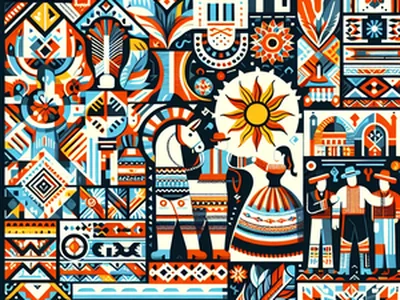
Uruguay celebrates many festivals throughout the year, including the Fiestas de la Vendimia (Grape Harvest Festival) and the Día del Sol (Sun Day).
Cultural Calendar And Holidays
Uruguay has a number of national holidays, including March 25th (Independence Day) and August 25th (Battle of Las Piedras).
Economic Context And Occupations
Uruguay has a mixed economy with a strong service sector, including tourism, finance, and healthcare.
Housing And Living Arrangements
Many Uruguayans live in urban areas, particularly Montevideo, but there is also a growing trend towards rural living.
Nutrition And Dietary Norms
Uruguayans tend to eat a Mediterranean-style diet, with an emphasis on meat, bread, and wine.
Interpretation Needs
Some Uruguayans may require interpretation services for languages such as English or Portuguese.
Interpreter Notes
Interpreters in Uruguay are often trained in medical or legal settings, but there is a growing need for cultural interpreters.
Documentation Traditions
Uruguay has a strong tradition of written documentation, with many official documents and records kept on file.
Interactions With Other Cultures
Uruguay has a long history of cultural exchange with neighboring countries, particularly Argentina and Brazil.
Conflict Resolution Mechanisms
Uruguay has a well-established system for resolving conflicts through diplomacy and negotiation.
Cultural Exchange Programs
There are several cultural exchange programs between Uruguay and other countries, including the Fulbright Program.
Trade Relations
Uruguay has trade agreements with many countries, including the United States and the European Union.
Shared Artistic Projects
Uruguayan artists have collaborated with international artists on numerous projects, showcasing their unique style and creativity.
Intercultural Marriages
Intercultural marriages are common in Uruguay, reflecting its diverse cultural heritage.
Shared Educational Initiatives
Uruguay has partnered with other countries to develop educational programs and exchange students.
Youth Perspectives
Young people in Uruguay value education, social justice, and environmental sustainability.
Education Initiatives
Uruguay has implemented several initiatives to improve education, including the 'Plan Ceibal' program for digital inclusion.
Future Challenges
Uruguay faces challenges such as climate change, economic inequality, and migration.
Youth Employment Trends
Youth unemployment in Uruguay is relatively low compared to other countries in the region.
Future Visions
Many Uruguayans envision a future with greater social equality, environmental protection, and cultural exchange.
Youth Leadership Roles
Young people in Uruguay are increasingly taking on leadership roles in politics, business, and civil society.
Innovation And Startups
Uruguay has a growing startup scene, with many innovative companies emerging in the tech and clean energy sectors.
Festivals And Celebrations
Uruguay celebrates numerous festivals throughout the year, including the Fiestas de la Vendimia (Grape Harvest Festival) and the Día del Sol (Sun Day).
Traditional Medicine Practices
Some traditional healers in Uruguay still practice their craft, particularly among indigenous communities.
Environmental Practices
Uruguay has made significant progress in environmental protection, including the establishment of national parks and wildlife reserves.
Climate Adaptation Strategies
Uruguay is developing strategies to adapt to climate change, such as promoting sustainable agriculture and renewable energy.
Biodiversity Conservation
Uruguay has a strong commitment to biodiversity conservation, with efforts to protect its unique ecosystems and species.
Sustainable Tourism Practices
Tourism in Uruguay is increasingly focused on sustainability, with many eco-lodges and environmentally-friendly tour operators emerging.
Renewable Energy Use
Uruguay has made significant progress in renewable energy use, including wind and solar power.
Community Involvement In Practices
Many Uruguayan communities are involved in environmental conservation efforts, such as reforestation and wildlife protection.
Environmental Education Programs
Uruguay offers various environmental education programs for schools and the general public.
Notable Figures
Some notable Uruguayans include Juan Luis Gómez (artist), Jorge Drexler (musician), and Eduardo Galeano (writer).
Cultural Innovations
Uruguay has contributed to various cultural innovations, including the development of tango music and the creation of the Uruguayan flag.
Literary Works
Uruguayan literature includes works by authors such as Eduardo Galeano, Juan Carlos Onetti, and Mario Benedetti.
Architectural Styles
Uruguay has a unique architectural style, blending European and indigenous influences.
Scientific Contributions
Uruguayans have made contributions to science, including the discovery of new species and advancements in renewable energy.
Culinary Innovations
Uruguayan cuisine is known for its fusion of European and indigenous flavors, with popular dishes like 'chivito' and 'milanesa'.
Global Influence
Uruguay has a growing global influence, particularly in the areas of culture, education, and environmental protection.
Awards And Recognition
Uruguayans have received numerous awards for their contributions to art, literature, music, and science.
Modern Influences
Modern influences on Uruguayan culture include the rise of social media, the growth of tourism, and the increasing importance of environmental sustainability.
Digital Presence
Uruguay has a strong digital presence, with many online resources and services available to citizens and visitors.
Globalization Effects
Globalization has had both positive and negative effects on Uruguay, including increased trade and cultural exchange but also economic inequality and environmental degradation.
Urbanization Effects
Urbanization has had both positive and negative effects on Uruguay, including increased economic opportunities but also environmental degradation and social inequality.
Technology Adoption
Uruguay has made significant progress in adopting new technologies, including digital payment systems, e-government services, and renewable energy solutions.
Hybrid Cultural Forms
Uruguayan culture is increasingly influenced by globalization, resulting in the emergence of hybrid cultural forms such as 'tropicalismo' music.
Social Media Presence
Uruguayans are increasingly active on social media platforms, using them to connect with others, share information, and express themselves creatively.
Challenges
Uruguay faces challenges such as climate change, economic inequality, migration, and cultural homogenization.
Preservation Efforts
Efforts to preserve Uruguayan culture include the establishment of museums, cultural centers, and historical sites, as well as initiatives to promote traditional arts and crafts.
Cultural Artwork
Community Discussion
Further Reading
Explore credible external sources to deepen your understanding of Uruguayan culture.