
Brazilian
South America Portuguese
Brazilian culture is a vibrant blend of indigenous, African, and European influences, characterized by its diverse traditions, music, and cuisine.
Historical Context
Brazil's history is marked by the colonization by Portugal in the 16th century, the importation of African slaves, and the eventual independence in 1822. The country has since experienced periods of dictatorship and democracy.
Migration Patterns
Brazil has seen significant immigration from Europe, the Middle East, and Asia, particularly during the late 19th and early 20th centuries, contributing to its multicultural society.
Conflict And Resilience History
Brazil has faced internal conflicts such as military dictatorship and social inequality but has shown resilience through democratic reforms and cultural unity.
Diaspora Perspectives
The Brazilian diaspora maintains strong cultural ties through music, food, and festivals, often serving as cultural ambassadors in their host countries.
Regional Variations
Brazil's culture varies significantly by region, with the Northeast known for Afro-Brazilian traditions, the South for European influences, and the Amazon for indigenous cultures.
Bridging Notes
Efforts to bridge cultural differences in Brazil focus on promoting inclusivity and celebrating the country's diverse heritage.
Spiritual And Religious Practices
Brazil is predominantly Roman Catholic, but also has significant Protestant, Afro-Brazilian, and indigenous spiritual practices.
Beliefs And Worldview
Brazilian worldview emphasizes community, family, and joy, with a strong belief in the power of music and dance to bring people together.
Cultural Proverbs Sayings
Common sayings include 'Deus ajuda quem cedo madruga' (God helps those who wake up early) and 'A pressa é inimiga da perfeição' (Haste is the enemy of perfection).
Naming Conventions And Terms Of Address
Brazilians often use first names or nicknames, with terms of respect like 'Senhor' or 'Senhora' used in formal settings.
Health And Mental Health
Health care in Brazil is a mix of public and private systems, with mental health increasingly recognized as an important aspect of overall well-being.
Mental Health Views
Mental health is often stigmatized, but awareness is growing, with more people seeking therapy and support.
Traditional Healers
In rural and indigenous communities, traditional healers and herbal remedies are still commonly used alongside modern medicine.
Gender Roles In Healthcare
Women are often primary caregivers, and there is a growing movement for gender equality in healthcare access and decision-making.
Healthcare Barriers
Barriers include economic disparities, geographic access in rural areas, and long wait times in public health facilities.
Education And Learning Styles
Brazilian education emphasizes memorization and lecture-based learning, but there is a shift towards more interactive and student-centered approaches.
Learning Styles
Visual and auditory learning are common, with a strong emphasis on group activities and social interaction.
Parental Engagement
Parents are increasingly involved in their children's education, with a focus on supporting academic achievement and extracurricular activities.
Family And Social Structure
Family is central to Brazilian life, often extending beyond the nuclear family to include a wide network of relatives.
Discipline And Behavior
Discipline is generally relaxed, with an emphasis on positive reinforcement and family discussions.
Authority Attitudes
Respect for authority figures is important, but there is also a strong cultural value placed on questioning and dialogue.
Etiquette And Customs
Brazilians are known for their warmth and hospitality, with customs such as greeting with kisses on the cheek and sharing meals.
Community Strengths Resilience
Community resilience is built through strong social networks, cultural festivals, and collective problem-solving.
Art Music And Expression
Brazilian art and music are globally renowned, with samba, bossa nova, and capoeira being key cultural expressions.
Cultural Symbols Motifs
Symbols such as the Brazilian flag, the Christ the Redeemer statue, and the Amazon rainforest are iconic.
What Brings Joy
Music, dance, football, and festivals like Carnival bring immense joy and are integral to Brazilian identity.
Celebrations Joyful Traditions
Carnival, Festa Junina, and New Year's Eve are major celebrations that highlight Brazil's love for festivity and community.
Cultural Calendar And Holidays
Brazil's cultural calendar includes national holidays like Independence Day, as well as regional festivals celebrating local traditions.
Additional Notes
Brazil's cultural expressions are a testament to its diversity and creativity, often serving as a bridge between different cultural influences.
Economic Context And Occupations
Brazil has a diverse economy with key sectors in agriculture, mining, manufacturing, and services, but faces challenges with economic inequality.
Housing And Living Arrangements
Housing varies widely, from urban apartments to rural homes, with a significant portion of the population living in informal settlements known as favelas.
Nutrition And Dietary Norms
Brazilian cuisine is diverse, with staples like rice, beans, and manioc, and regional specialties such as feijoada and acarajé.
Interpretation Needs
Portuguese is the official language, but interpretation services are needed for indigenous languages and immigrant communities.
Interpreter Notes
Interpreters should be aware of regional dialects and cultural nuances in communication.
Documentation Traditions
Documentation in Brazil is often formal, with a strong emphasis on official stamps and notarization for legal documents.
Interactions With Other Cultures
Brazil has a history of cultural exchange, particularly with Portugal, Africa, and neighboring Latin American countries.
Conflict Resolution Mechanisms
Conflict resolution often involves community dialogue and legal mediation, reflecting a preference for peaceful solutions.
Cultural Exchange Programs
Brazil participates in numerous cultural exchange programs, fostering international collaboration in arts and education.
Trade Relations
Brazil is a key player in global trade, with strong economic ties to countries in Europe, Asia, and the Americas.
Shared Artistic Projects
Collaborations in music, film, and visual arts are common, highlighting Brazil's role in global cultural production.
Intercultural Marriages
Intercultural marriages are increasingly common, reflecting Brazil's diverse society and openness to different cultures.
Shared Educational Initiatives
Brazil engages in educational partnerships with countries worldwide, focusing on research and student exchange programs.
Youth Perspectives
Brazilian youth are increasingly focused on social justice, environmental sustainability, and technological innovation.
Education Initiatives
Programs aimed at improving education quality and access, particularly in underserved regions, are a national priority.
Future Challenges
Challenges include addressing economic inequality, improving education, and combating environmental degradation.
Youth Employment Trends
Youth employment is concentrated in service industries, with a growing interest in technology and entrepreneurship.
Future Visions
Brazil's future vision includes sustainable development, cultural preservation, and increased global influence.
Youth Leadership Roles
Youth are taking on leadership roles in social movements, environmental advocacy, and political activism.
Innovation And Startups
Brazil is fostering a vibrant startup ecosystem, particularly in technology and creative industries.
Festivals And Celebrations
Brazil is famous for its vibrant festivals, including Carnival, which showcases music, dance, and elaborate costumes.
Traditional Medicine Practices
Traditional medicine, including herbal remedies and spiritual healing, is practiced alongside modern healthcare, especially in rural areas.
Environmental Practices
Brazil is actively involved in conservation efforts, particularly in the Amazon rainforest, balancing development with environmental protection.
Rituals
Rituals in Brazil often blend indigenous, African, and Catholic traditions, reflecting the country's cultural diversity.
Rites Of Passage
Rites of passage, such as coming-of-age ceremonies, are celebrated in various cultural and religious contexts.
Culinary Traditions
Brazilian cuisine is diverse, with regional dishes like feijoada, moqueca, and pão de queijo reflecting the country's multicultural influences.
Climate Adaptation Strategies
Brazil is developing strategies to adapt to climate change, focusing on sustainable agriculture and renewable energy.
Biodiversity Conservation
Efforts to conserve Brazil's rich biodiversity include protected areas, wildlife corridors, and community-based conservation projects.
Sustainable Tourism Practices
Sustainable tourism is promoted to protect natural and cultural heritage while supporting local economies.
Renewable Energy Use
Brazil is a leader in renewable energy, particularly in hydropower and biofuels, contributing to its energy independence.
Community Involvement In Practices
Community involvement is crucial in environmental and cultural preservation efforts, ensuring local voices are heard.
Environmental Education Programs
Environmental education is integrated into school curricula, raising awareness about conservation and sustainability.
Notable Figures
Notable figures include Pelé, Oscar Niemeyer, and Gilberto Gil, who have made significant contributions to sports, architecture, and music.
Cultural Innovations
Brazil has pioneered cultural innovations in music, dance, and visual arts, influencing global trends.
Literary Works
Brazilian literature is rich, with authors like Jorge Amado and Clarice Lispector gaining international acclaim.
Architectural Styles
Brazilian architecture is known for its modernist designs, with landmarks like Brasília showcasing innovative urban planning.
Scientific Contributions
Brazil has made significant contributions to science, particularly in agriculture, environmental research, and aerospace.
Culinary Innovations
Brazilian cuisine is celebrated for its fusion of flavors and ingredients, with dishes like açaí bowls gaining global popularity.
Global Influence
Brazil's cultural influence extends globally through its music, dance, and festivals, promoting a positive image of Brazilian identity.
Awards And Recognition
Brazilian artists and scientists have received numerous international awards, highlighting the country's cultural and intellectual contributions.
Modern Influences
Modern influences in Brazil include globalization, digital technology, and urbanization, shaping contemporary cultural expressions.
Digital Presence
Brazil has a strong digital presence, with widespread use of social media and digital platforms for cultural exchange.
Globalization Effects
Globalization has brought both opportunities and challenges, influencing Brazilian culture through increased connectivity and cultural exchange.
Urbanization Effects
Urbanization has transformed Brazilian cities, leading to cultural blending and new social dynamics.
Technology Adoption
Brazil is rapidly adopting new technologies, with a growing tech industry and widespread internet access.
Hybrid Cultural Forms
Hybrid cultural forms are emerging, blending traditional Brazilian elements with global influences in music, fashion, and art.
Social Media Presence
Social media is a powerful tool for cultural expression and activism in Brazil, connecting people across the country and the world.
Challenges
Brazil faces cultural challenges such as preserving indigenous cultures, addressing social inequality, and managing urbanization impacts.
Preservation Efforts
Preservation efforts focus on protecting cultural heritage sites, supporting indigenous communities, and promoting traditional arts.
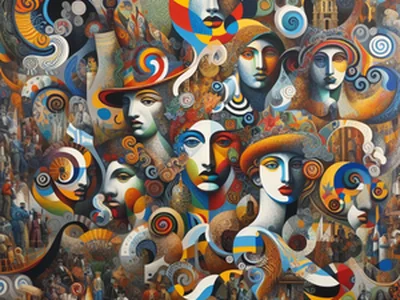
Cultural Artwork
Community Discussion
Further Reading
Explore credible external sources to deepen your understanding of Brazilian culture.