
Polish
Central Europe PolishEnglish
The Polish culture is a rich and diverse heritage that has been shaped by the country's history, geography, and people.
Historical Context
Poland has a complex and tumultuous history, with periods of independence and occupation by various powers.
Migration Patterns
Polish people have migrated to many countries around the world, including the United States, Canada, and Australia.
Conflict And Resilience History
Poland has experienced numerous conflicts throughout its history, but has also shown remarkable resilience and adaptability.
Diaspora Perspectives
The Polish diaspora is a significant aspect of Polish culture, with many people maintaining strong ties to their heritage despite living abroad.
Regional Variations
There are regional variations in Polish culture, particularly between the urban and rural areas.
Spiritual And Religious Practices
Poland is a predominantly Catholic country, with many people practicing their faith through various rituals and traditions.
Beliefs And Worldview
Polish culture places a strong emphasis on family, community, and social responsibility.
Cultural Proverbs Sayings
Some common Polish proverbs include 'Dobry początek jest połowa sukcesu' (A good start is half the success) and 'Kto nie ryzykuje, ten nie wygrywa' (Who doesn't take risks, doesn't win).
Naming Conventions And Terms Of Address
In Polish culture, it's customary to use formal titles such as 'Pan/Pani' when addressing someone older or in a position of authority.
Health And Mental Health
Polish people generally prioritize health and well-being, with a strong emphasis on preventive care and healthy lifestyle choices.
Mental Health Views
Mental health is becoming increasingly recognized as an important aspect of overall health in Poland.
Traditional Healers
Traditional healers such as folk medicine practitioners are still respected in some parts of Poland.
Gender Roles In Healthcare
In Polish culture, there is a strong emphasis on traditional gender roles in healthcare, with women often taking on caregiving responsibilities.
Healthcare Barriers
Some barriers to healthcare access in Poland include limited availability of services in rural areas and high costs for some treatments.
Education And Learning Styles
Polish education places a strong emphasis on academic achievement, with a focus on science, technology, engineering, and mathematics (STEM) fields.
Learning Styles
Polish students tend to prefer hands-on learning approaches and interactive teaching methods.
Parental Engagement
Parents in Poland are often highly involved in their children's education, attending parent-teacher conferences and participating in school activities.
Family And Social Structure
Family is highly valued in Polish culture, with close-knit relationships between extended family members.
Discipline And Behavior
Polish people tend to prioritize discipline and self-control, with a strong emphasis on social norms and expectations.
Authority Attitudes
Authority figures such as teachers and government officials are generally respected in Polish society.
Etiquette And Customs
Polish culture places a strong emphasis on etiquette and customs, particularly when interacting with older individuals or in formal settings.
Community Strengths Resilience
Polish communities tend to be highly resilient and resourceful, with a strong sense of solidarity and mutual support.
Art Music And Expression
Polish art and music are known for their rich cultural heritage, with famous composers such as Frédéric Chopin and Karol Szymanowski.
Cultural Symbols Motifs
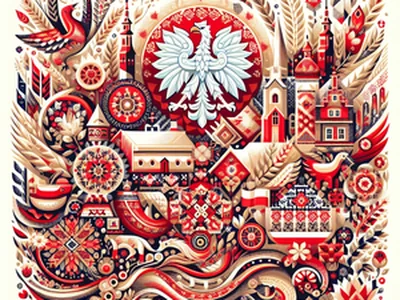
Some common Polish cultural symbols include the white eagle (Białe Orły) and the red and white colors of the national flag.
What Brings Joy
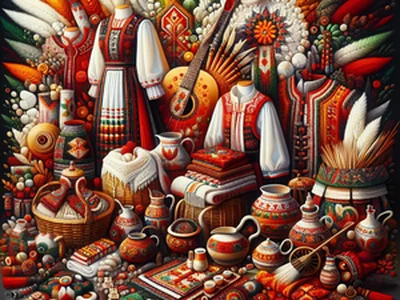
Polish people often find joy in traditional folk music, dance, and handicrafts.
Celebrations Joyful Traditions
Some popular Polish celebrations include Easter (Wielkanoc), Christmas (Boże Narodzenie), and the Midsummer festival (Noc Kupały).
Cultural Calendar And Holidays
Poland has a rich cultural calendar, with many holidays and festivals throughout the year.
Economic Context And Occupations
The Polish economy is primarily driven by services, manufacturing, and agriculture, with a growing focus on technology and innovation.
Housing And Living Arrangements
Housing in Poland varies from urban apartments to rural farmhouses, with many people living in multi-generational households.
Nutrition And Dietary Norms
Polish cuisine is known for its hearty meat dishes, bread, and pastries, with a strong emphasis on local ingredients and traditional recipes.
Interpretation Needs
Interpretation services may be necessary for Polish people who speak minority languages or dialects.
Interpreter Notes
Polish interpreters are available in many countries around the world, particularly in areas with large Polish diaspora populations.
Documentation Traditions
Polish documentation traditions place a strong emphasis on written records and formal agreements.
Interactions With Other Cultures
Poland has a long history of interactions with other cultures, particularly in the context of European integration and global trade.
Conflict Resolution Mechanisms
Poland has developed various conflict resolution mechanisms, including diplomatic channels and international organizations.
Cultural Exchange Programs
Poland participates in numerous cultural exchange programs, promoting mutual understanding and cooperation between nations.
Trade Relations
Poland has established trade relations with many countries around the world, with a focus on increasing exports and imports.
Shared Artistic Projects
Polish artists collaborate with international partners on various artistic projects, showcasing Polish culture to global audiences.
Intercultural Marriages
Intercultural marriages between Polish people and individuals from other cultures are becoming increasingly common.
Shared Educational Initiatives
Poland participates in shared educational initiatives with other countries, promoting cultural exchange and understanding.
Youth Perspectives
Young Poles tend to be highly educated and tech-savvy, with a strong emphasis on innovation and entrepreneurship.
Education Initiatives
Poland has implemented various education initiatives aimed at promoting digital literacy and STEM skills among young people.
Future Challenges
Polish youth face challenges such as climate change, economic uncertainty, and social inequality.
Youth Employment Trends
Youth employment trends in Poland are shifting towards the service sector, with a growing demand for skilled workers.
Future Visions
Young Poles envision a future characterized by sustainability, innovation, and social responsibility.
Youth Leadership Roles
Polish youth are increasingly taking on leadership roles in various fields, including politics, business, and civil society.
Innovation And Startups
Poland has seen a surge in startup activity, with many young entrepreneurs developing innovative solutions to address societal challenges.
Festivals And Celebrations
Polish festivals and celebrations are known for their vibrant music, dance, and food traditions.
Traditional Medicine Practices
Traditional medicine practices in Poland include the use of herbal remedies and folk healing techniques.
Environmental Practices
Polish people tend to prioritize environmental sustainability, with a focus on reducing waste and conserving natural resources.
Rituals
Some common Polish rituals include the blessing of homes during Easter (Wielkanoc) and the lighting of candles during Christmas (Boże Narodzenie).
Rites Of Passage
Polish rites of passage include traditional weddings, baptisms, and funerals.
Culinary Traditions
Polish cuisine is known for its hearty meat dishes, bread, and pastries, with a strong emphasis on local ingredients and traditional recipes.
Climate Adaptation Strategies
Poland has implemented various climate adaptation strategies, including renewable energy projects and sustainable agriculture initiatives.
Biodiversity Conservation
Polish people prioritize biodiversity conservation, with efforts to protect endangered species and preserve natural habitats.
Sustainable Tourism Practices
Poland promotes sustainable tourism practices, encouraging visitors to respect local customs and environments.
Renewable Energy Use
Poland has invested heavily in renewable energy sources, including wind power and solar energy.
Community Involvement In Practices
Polish communities are often involved in environmental conservation efforts, with a focus on protecting natural resources and promoting sustainable practices.
Environmental Education Programs
Poland offers various environmental education programs for schools and community groups, promoting eco-awareness and sustainability.
Notable Figures
Notable Polish figures include famous composers such as Frédéric Chopin and Karol Szymanowski.
Cultural Innovations
Polish culture has contributed to various innovations, including the development of the piano and the creation of iconic architectural styles.
Literary Works
Polish literature is known for its rich literary heritage, with famous authors such as Adam Mickiewicz and Cyprian Kamil Norwid.
Architectural Styles
Poland has a unique architectural style that blends medieval and modern elements, with notable examples including the Wawel Castle and St. Mary's Basilica in Krakow.
Scientific Contributions
Polish scientists have made significant contributions to various fields, including mathematics (Nicolaus Copernicus), physics (Marie Curie), and chemistry (Maria Skłodowska-Curie).
Culinary Innovations
Polish cuisine has contributed to various culinary innovations, including the development of pierogi and bigos.
Global Influence
Polish culture has had a significant global influence, with Polish immigrants contributing to cultural exchange and understanding in many countries around the world.
Awards And Recognition
Poland has received numerous awards and recognition for its cultural achievements, including UNESCO World Heritage designations and international literary prizes.
Modern Influences
Modern influences on Polish culture include the rise of social media, e-commerce, and digital technologies.
Digital Presence
Polish people are increasingly active online, with a strong presence on social media platforms and e-commerce websites.
Globalization Effects
Globalization has had a significant impact on Polish culture, with increased trade and cultural exchange between nations.
Urbanization Effects
Urbanization has had a significant impact on Polish culture, with many young people moving to cities for education and employment opportunities.
Technology Adoption
Poland has seen rapid adoption of technology, including smartphones, laptops, and other digital devices.
Hybrid Cultural Forms
Polish culture is blending traditional practices with modern influences, resulting in hybrid forms such as fusion cuisine and contemporary art.
Social Media Presence
Polish people are increasingly using social media to connect with others, share cultural experiences, and promote their work.
Challenges
Polish culture faces challenges such as cultural homogenization, language loss, and environmental degradation.
Preservation Efforts
Efforts are being made to preserve Polish cultural heritage, including the protection of traditional crafts, languages, and natural habitats.
Cultural Artwork
Community Discussion
Further Reading
Explore credible external sources to deepen your understanding of Polish culture.