
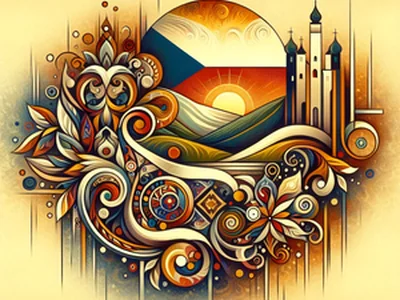
Czech
Central Europe Czech
The Czech culture is rich with history, traditions, and a strong sense of national identity. It is known for its contributions to art, music, and literature.
Historical Context
Czech history is marked by its position at the crossroads of European trade and culture, with significant periods under the Holy Roman Empire, Austro-Hungarian Empire, and as part of Czechoslovakia.
Migration Patterns
Historically, there have been migrations due to political upheavals, such as during the World Wars and the Communist era.
Conflict And Resilience History
The Czech people have shown resilience through occupations, wars, and political changes, maintaining their cultural identity.
Diaspora Perspectives
The Czech diaspora is spread across the United States, Canada, and Australia, maintaining cultural ties through community organizations.
Regional Variations
There are distinct cultural differences between the regions of Bohemia, Moravia, and Silesia.
Bridging Notes
Czech culture bridges Western and Eastern European traditions, offering a unique blend of influences.
Spiritual And Religious Practices
Predominantly Roman Catholic, with a significant portion of the population identifying as non-religious or atheist.
Beliefs And Worldview
Czechs value education, cultural heritage, and have a pragmatic worldview influenced by historical experiences.
Cultural Proverbs Sayings
Common proverbs include 'Bez práce nejsou koláče' (Without work, there are no cakes) emphasizing the value of hard work.
Naming Conventions And Terms Of Address
Czechs typically use first names among friends and family, while formal titles are used in professional settings.
Health And Mental Health
The Czech Republic has a well-developed healthcare system, with a focus on preventive care and mental health awareness.
Mental Health Views
Mental health is increasingly recognized as important, with growing public awareness and acceptance.
Traditional Healers
While modern medicine is predominant, some traditional herbal remedies are still used.
Gender Roles In Healthcare
Healthcare roles are traditionally gendered, but there is increasing gender equality in the field.
Healthcare Barriers
Language barriers can exist for non-Czech speakers, and rural areas may have less access to specialized care.
Education And Learning Styles
Education is highly valued, with a strong emphasis on critical thinking and a comprehensive curriculum.
Learning Styles
Czech education encourages analytical skills and independent learning.
Parental Engagement
Parents are actively involved in their children's education, often participating in school activities and decision-making.
Family And Social Structure
Family is central to Czech life, with strong ties and support systems extending to extended family.
Discipline And Behavior
Discipline is generally moderate, with an emphasis on respect and responsibility.
Authority Attitudes
Czechs respect authority but value democratic principles and personal freedoms.
Etiquette And Customs
Czech etiquette includes greeting with a handshake, punctuality, and removing shoes when entering homes.
Community Strengths Resilience
Czech communities are resilient, with a strong sense of identity and mutual support, particularly in rural areas.
Art Music And Expression
Czech culture is renowned for its classical music, with composers like Dvořák and Smetana, and a vibrant contemporary art scene.
Cultural Symbols Motifs
The Czech lion and the linden tree are national symbols, representing strength and peace.
What Brings Joy
Czechs find joy in music, literature, and traditional festivals, as well as in nature and outdoor activities.
Celebrations Joyful Traditions
Major celebrations include Easter, Christmas, and local festivals like Masopust (Carnival).
Cultural Calendar And Holidays
The Czech Republic observes public holidays such as Czech Statehood Day and the Day of the Establishment of the Independent Czechoslovak State.
Additional Notes
Czech culture is characterized by a love for beer, with a rich brewing tradition and numerous local breweries.
Economic Context And Occupations
The Czech economy is diverse, with strong industries in manufacturing, technology, and services.
Housing And Living Arrangements
Housing varies from urban apartments to rural homes, with a trend towards home ownership.
Nutrition And Dietary Norms
Czech cuisine is hearty, with staples like bread, meat, and potatoes, and a growing interest in healthy eating.
Interpretation Needs
Interpretation services are needed for non-Czech speakers, particularly in healthcare and legal settings.
Interpreter Notes
Professional interpreters are often required for official matters, with a focus on accuracy and confidentiality.
Documentation Traditions
Czech documentation is thorough, with a strong emphasis on record-keeping and archival practices.
Interactions With Other Cultures
Czechs have a history of interaction with neighboring cultures, fostering a blend of influences.
Conflict Resolution Mechanisms
Diplomatic and peaceful negotiation are preferred methods for resolving conflicts.
Cultural Exchange Programs
There are numerous cultural exchange programs with European and global partners.
Trade Relations
The Czech Republic has strong trade relations within the EU and with countries like Germany and China.
Shared Artistic Projects
Collaborations in music, film, and visual arts are common with neighboring countries.
Intercultural Marriages
Intercultural marriages are increasingly common, reflecting a more globalized society.
Shared Educational Initiatives
Czech universities participate in international educational initiatives like Erasmus.
Youth Perspectives
Czech youth are increasingly global-minded, valuing education and technological innovation.
Education Initiatives
There are strong initiatives to improve STEM education and digital literacy among youth.
Future Challenges
Challenges include economic disparities, environmental sustainability, and political engagement.
Youth Employment Trends
Youth employment is focused on technology, services, and creative industries.
Future Visions
The future vision includes a sustainable, innovative, and culturally rich society.
Youth Leadership Roles
Youth are taking on more leadership roles in social and environmental movements.
Innovation And Startups
There is a vibrant startup scene, particularly in Prague, focusing on technology and innovation.
Festivals And Celebrations
Traditional festivals like Easter and Christmas are celebrated with unique Czech customs.
Traditional Medicine Practices
Herbal remedies and natural treatments are part of traditional medicine practices.
Environmental Practices
Czech culture emphasizes recycling and sustainable living practices.
Rituals
Rituals include traditional dances and music, often performed during festivals.
Rites Of Passage
Rites of passage such as graduation and marriage are celebrated with family gatherings.
Culinary Traditions
Czech cuisine includes dishes like svíčková, goulash, and dumplings, with a focus on local ingredients.
Climate Adaptation Strategies
Efforts are being made to adapt to climate change through sustainable agriculture and energy use.
Biodiversity Conservation
Conservation efforts focus on protecting natural reserves and endangered species.
Sustainable Tourism Practices
Sustainable tourism is promoted to preserve cultural heritage and natural landscapes.
Renewable Energy Use
The Czech Republic is investing in renewable energy sources like wind and solar power.
Community Involvement In Practices
Communities are actively involved in environmental conservation and cultural preservation.
Environmental Education Programs
Programs in schools and communities raise awareness about environmental issues and sustainability.
Notable Figures
Notable figures include Franz Kafka, Antonín Dvořák, and Václav Havel.
Cultural Innovations
Czech culture has contributed to innovations in literature, music, and architecture.
Literary Works
Czech literature is renowned, with works by authors like Milan Kundera and Bohumil Hrabal.
Architectural Styles
Czech architecture includes Gothic, Baroque, and modernist styles, with landmarks like Prague Castle.
Scientific Contributions
Contributions in science include the work of Gregor Mendel in genetics.
Culinary Innovations
Czech cuisine is known for its unique pastries and beer brewing techniques.
Global Influence
Czech culture has influenced global music, literature, and political thought.
Awards And Recognition
Czech artists and scientists have received international awards, including Nobel Prizes.
Modern Influences
Modern influences include globalization, digital technology, and international cultural exchanges.
Digital Presence
Czech culture has a strong digital presence, with active participation in social media and online platforms.
Globalization Effects
Globalization has brought diverse influences to Czech culture, enriching its traditions and practices.
Urbanization Effects
Urbanization has led to a blend of traditional and modern lifestyles, particularly in cities like Prague.
Technology Adoption
Czechs are quick to adopt new technologies, with a focus on innovation and digital solutions.
Hybrid Cultural Forms
Hybrid cultural forms emerge from the fusion of traditional Czech elements with global trends.
Social Media Presence
Social media is widely used for cultural expression and community engagement.
Challenges
Challenges include preserving cultural heritage amidst modernization and addressing social inequalities.
Preservation Efforts
Efforts are underway to preserve historical sites and promote traditional crafts and arts.
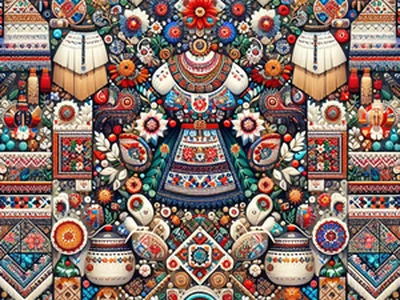
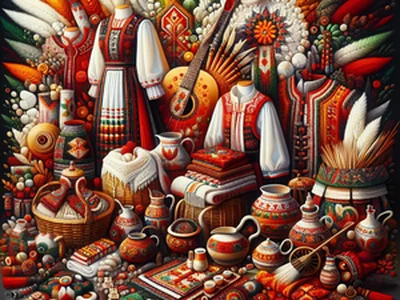
Cultural Artwork
Community Discussion
Further Reading
Explore credible external sources to deepen your understanding of Czech culture.