
Mapuche
South-central Chile and southwestern Argentina MapudungunSpanish
The Mapuche are an indigenous people from south-central Chile and southwestern Argentina, known for their rich cultural heritage, resilience, and strong connection to their land.
Historical Context
The Mapuche have a long history dating back to pre-Columbian times. They resisted Spanish colonization fiercely and were never fully conquered, maintaining a degree of autonomy until the late 19th century.
Migration Patterns
Historically, the Mapuche were semi-nomadic, moving within their territories according to seasonal cycles. In modern times, some have migrated to urban areas for economic opportunities.
Conflict And Resilience History
The Mapuche have a history of conflict with colonial and national governments, notably during the Arauco War with the Spanish and later during the 'Pacification of Araucanía' by the Chilean state.
Diaspora Perspectives
Mapuche diaspora communities exist in urban areas of Chile and Argentina, as well as in countries like Canada and the United States, where they maintain cultural practices and advocate for indigenous rights.
Regional Variations
Within the Mapuche, there are subgroups like the Huilliche and Pehuenche, each with distinct cultural practices and adaptations to their specific environments.
Bridging Notes
Efforts to bridge cultural gaps include educational programs and cultural exchanges that promote understanding and respect for Mapuche traditions.
Spiritual And Religious Practices
Mapuche spirituality is deeply connected to nature, with a belief in spirits inhabiting natural elements. The Machi, or spiritual leader, plays a central role in conducting ceremonies and healing rituals.
Beliefs And Worldview
The Mapuche worldview emphasizes harmony with nature, community solidarity, and respect for ancestral traditions. They believe in a balance between the physical and spiritual worlds.
Cultural Proverbs Sayings
Mapuche proverbs often reflect their connection to nature and community values, such as 'Küme Mongen' (living well) which emphasizes well-being and balance.
Naming Conventions And Terms Of Address
Names often reflect natural elements or ancestral lineage. Respectful terms of address are important, with elders and leaders given particular honor.
Health And Mental Health
Traditional health practices are integral, with a focus on holistic well-being. Modern healthcare is sometimes viewed with skepticism due to historical marginalization.
Mental Health Views
Mental health is seen as interconnected with spiritual and community health. Traditional healers address mental health through spiritual and herbal remedies.
Traditional Healers
The Machi is a key figure in health, using rituals, herbal medicine, and spiritual guidance to treat ailments.
Gender Roles In Healthcare
Women often play significant roles in healthcare as caregivers and healers, though both genders can be Machi.
Healthcare Barriers
Barriers include language differences, cultural misunderstandings, and limited access to culturally sensitive healthcare services.
Education And Learning Styles
Education traditionally occurs through oral transmission of knowledge, storytelling, and practical engagement with the environment.
Learning Styles
Mapuche learning emphasizes observation, participation, and respect for elders as knowledge holders.
Parental Engagement
Parents and elders are actively involved in the education of children, passing down cultural values and practices.
Family And Social Structure
The Mapuche social structure is community-oriented, with extended families living in close proximity and sharing resources.
Discipline And Behavior
Discipline is often community-based, focusing on teaching respect and responsibility through example and storytelling.
Authority Attitudes
Respect for elders and community leaders is paramount, with decisions often made collectively.
Etiquette And Customs
Customs include greeting with a handshake and a respectful nod, and offering food or drink as a sign of hospitality.
Community Strengths Resilience
Strong community bonds and a shared cultural identity contribute to resilience in the face of external pressures.
Art Music And Expression
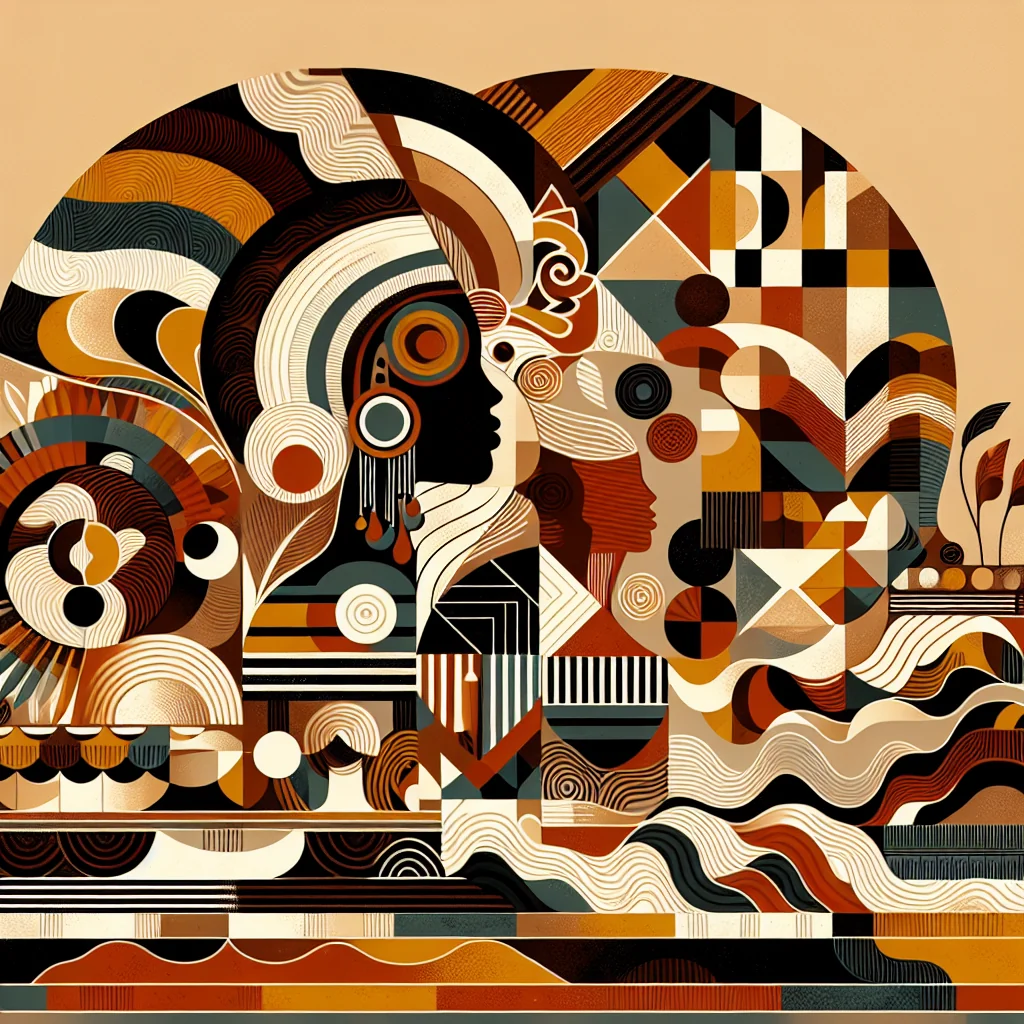
Mapuche art includes weaving, silverwork, and wood carving, often featuring symbolic motifs. Music and dance are integral to ceremonies and celebrations.
Cultural Symbols Motifs
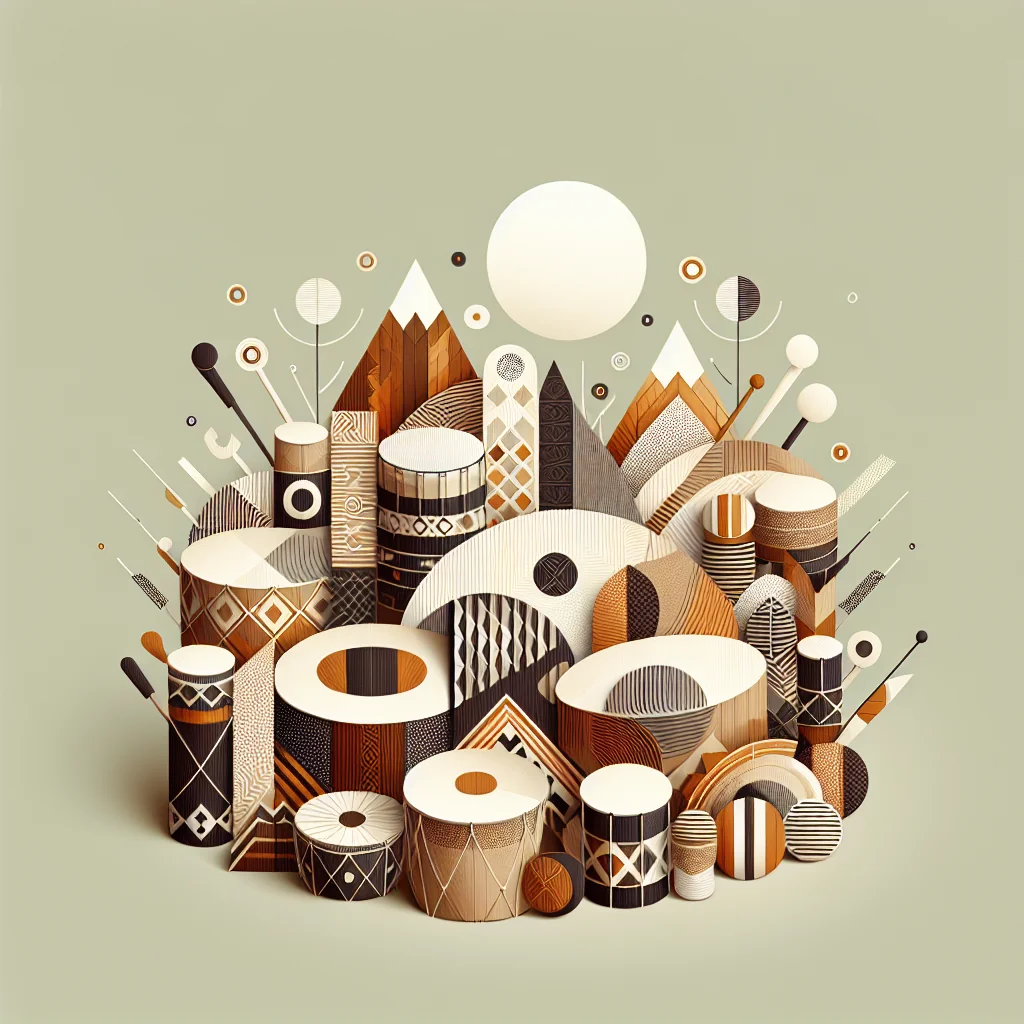
Common symbols include the Kultrun (a ceremonial drum) and the Wenufoye (a flag representing Mapuche identity).
What Brings Joy
Community gatherings, traditional music, and storytelling are sources of joy and cultural pride.
Celebrations Joyful Traditions
Celebrations like We Tripantu (New Year) are important, marking the winter solstice with rituals and communal feasting.
Cultural Calendar And Holidays
The Mapuche calendar includes agricultural cycles and spiritual ceremonies, with We Tripantu being a key event.
Additional Notes
Mapuche expression is a vital part of cultural preservation, with efforts to revitalize traditional arts and languages.
Economic Context And Occupations
Traditionally, the Mapuche economy is based on agriculture, livestock, and crafts. Modern economic activities include tourism and small-scale entrepreneurship.
Housing And Living Arrangements
Housing traditionally consists of Ruka, communal homes made of wood and straw. Modern adaptations include more contemporary housing styles.
Nutrition And Dietary Norms
The diet is traditionally based on maize, potatoes, and meat, with an emphasis on locally sourced and seasonal foods.
Interpretation Needs
Mapudungun speakers may require interpretation services in healthcare and legal settings to ensure understanding and respect for cultural nuances.
Interpreter Notes
Interpreters should be culturally sensitive and aware of the importance of non-verbal communication in Mapuche culture.
Documentation Traditions
Traditionally, knowledge is passed orally, but there are increasing efforts to document language and cultural practices in written form.
Interactions With Other Cultures
The Mapuche have historically interacted with neighboring indigenous groups and European settlers, often marked by resistance and negotiation.
Conflict Resolution Mechanisms
Traditional conflict resolution involves community dialogue and the guidance of elders, emphasizing reconciliation and harmony.
Cultural Exchange Programs
There are initiatives to promote cultural exchange and understanding between the Mapuche and other communities, both locally and internationally.
Trade Relations
Historically, the Mapuche engaged in trade with neighboring groups, exchanging goods like textiles and livestock.
Shared Artistic Projects
Collaborative art projects often focus on cultural preservation and awareness, involving both Mapuche and non-Mapuche artists.
Intercultural Marriages
Intercultural marriages occur, often requiring negotiation of cultural practices and values.
Shared Educational Initiatives
Educational programs aim to incorporate Mapuche history and culture into broader curricula, fostering mutual respect and understanding.
Youth Perspectives
Mapuche youth are increasingly involved in cultural revitalization and advocacy, balancing traditional values with modern opportunities.
Education Initiatives
Programs focus on bilingual education and cultural studies to empower youth with knowledge of their heritage.
Future Challenges
Challenges include cultural assimilation pressures, economic disparities, and environmental threats to traditional lands.
Youth Employment Trends
Youth are pursuing diverse careers, from traditional crafts to modern professions, often advocating for sustainable development.
Future Visions
The vision for the future includes cultural preservation, economic empowerment, and environmental stewardship.
Youth Leadership Roles
Youth are taking on leadership roles in cultural organizations and community projects, driving innovation and change.
Innovation And Startups
There is a growing trend of Mapuche youth engaging in startups that blend traditional knowledge with modern technology.
Festivals And Celebrations
Festivals like We Tripantu celebrate the Mapuche New Year, involving rituals, music, and communal gatherings.
Traditional Medicine Practices
Traditional medicine involves herbal remedies and spiritual healing, often guided by the Machi.
Environmental Practices
The Mapuche practice sustainable agriculture and land management, respecting natural cycles and biodiversity.
Rituals
Rituals are central to Mapuche life, marking important life events and seasonal changes with ceremonies.
Rites Of Passage
Rites of passage include ceremonies for coming of age, marriage, and other life transitions, emphasizing community and spiritual growth.
Culinary Traditions
Culinary traditions feature locally sourced ingredients, with dishes like Curanto and Sopaipillas being popular.
Climate Adaptation Strategies
Adaptation strategies include traditional agricultural practices and community-based resource management.
Biodiversity Conservation
Conservation efforts focus on protecting native species and ecosystems, often involving community participation.
Sustainable Tourism Practices
Sustainable tourism initiatives highlight Mapuche culture and natural landscapes, promoting eco-friendly practices.
Renewable Energy Use
There is interest in renewable energy projects that align with traditional values of environmental stewardship.
Community Involvement In Practices
Community involvement is crucial in environmental and cultural practices, ensuring collective responsibility and benefit.
Environmental Education Programs
Programs aim to educate both Mapuche and non-Mapuche communities about sustainable practices and cultural heritage.
Notable Figures
Notable figures include poet Elicura Chihuailaf and activist Aucán Huilcamán, who have contributed to cultural and political advocacy.
Cultural Innovations
Innovations include the revitalization of traditional crafts and the integration of Mapuche motifs in contemporary art.
Literary Works
Mapuche literature often explores themes of identity, resistance, and connection to the land, with works by authors like Leonel Lienlaf.
Architectural Styles
Traditional architecture includes the Ruka, a communal dwelling, reflecting sustainable design principles.
Scientific Contributions
Contributions include traditional ecological knowledge, which informs sustainable practices and biodiversity conservation.
Culinary Innovations
Culinary innovations involve the fusion of traditional ingredients with modern culinary techniques.
Global Influence
Mapuche culture influences global discussions on indigenous rights, environmental conservation, and cultural preservation.
Awards And Recognition
Mapuche individuals and organizations have received recognition for their contributions to culture, literature, and human rights.
Modern Influences
Modern influences include the adoption of technology and participation in global cultural exchanges, while maintaining traditional values.
Digital Presence
The Mapuche have a growing digital presence, using social media and online platforms to share cultural content and advocate for rights.
Globalization Effects
Globalization presents both challenges and opportunities, with increased access to information and markets, but also cultural assimilation pressures.
Urbanization Effects
Urbanization has led to shifts in lifestyle and economic activities, with some Mapuche adapting to urban environments while maintaining cultural ties.
Technology Adoption
Technology is used to document and share cultural practices, as well as to connect with broader indigenous networks.
Hybrid Cultural Forms
Hybrid cultural forms emerge as traditional practices blend with contemporary influences, seen in music, art, and fashion.
Social Media Presence
Social media is a tool for cultural expression and activism, allowing the Mapuche to reach wider audiences and engage in global conversations.
Challenges
Challenges include land rights disputes, cultural assimilation, and economic marginalization, impacting the preservation of Mapuche culture.
Preservation Efforts
Efforts focus on language revitalization, cultural education, and legal advocacy to protect Mapuche rights and heritage.
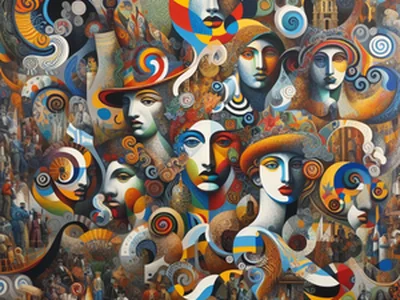
Cultural Artwork
Community Discussion
Further Reading
Explore credible external sources to deepen your understanding of Mapuche culture.