
Mandaean
Primarily in Iraq and Iran, with diaspora communities in Europe, North America, and Australia. MandaicArabicPersian
The Mandaeans are a Gnostic religious and ethnic group originating from the Middle East, primarily in Iraq and Iran, with a rich cultural heritage centered around their unique religious beliefs and practices.
Historical Context
Mandaeans trace their origins to ancient Mesopotamia, with a history that spans over two millennia. They have faced persecution and displacement, particularly in the 20th and 21st centuries.
Migration Patterns
Significant migration occurred during the late 20th century due to political instability in Iraq and Iran, leading to diaspora communities worldwide.
Conflict And Resilience History
Despite facing religious persecution and cultural assimilation pressures, Mandaeans have preserved their traditions through strong community networks and religious practices.
Diaspora Perspectives
The diaspora has focused on preserving cultural and religious identity while integrating into new societies, often advocating for minority rights and cultural recognition.
Regional Variations
While core beliefs remain consistent, practices may vary slightly between communities in Iraq and Iran, influenced by local customs and interactions.
Bridging Notes
Efforts to bridge cultural gaps include interfaith dialogues and cultural exchange programs to foster understanding and respect for Mandaean traditions.
Spiritual And Religious Practices
Central to Mandaean spirituality is the practice of baptism, which is performed regularly as a purification rite. They follow a dualistic belief system, emphasizing the struggle between light and darkness.
Beliefs And Worldview
Mandaeans believe in a supreme deity and a series of lesser divine beings. Their worldview is deeply rooted in Gnostic traditions, focusing on the soul's journey and salvation.
Cultural Proverbs Sayings
Proverbs often reflect themes of purity, knowledge, and the importance of community and tradition.
Naming Conventions And Terms Of Address
Names often have religious significance, and terms of address reflect respect for religious leaders and elders within the community.
Health And Mental Health
Health practices are influenced by religious beliefs, with an emphasis on purity and cleanliness. Mental health is often approached through community support and spiritual guidance.
Mental Health Views
Mental health is seen as interconnected with spiritual well-being, and traditional healing practices may be used alongside modern medicine.
Traditional Healers
Priests, known as 'tarmidas', may provide spiritual healing and guidance, often seen as integral to addressing both physical and mental health issues.
Gender Roles In Healthcare
Gender roles can influence healthcare decisions, with men often taking a leading role in family health matters, though women are increasingly involved.
Healthcare Barriers
Barriers include language differences, cultural misunderstandings, and limited access to culturally sensitive healthcare services.
Education And Learning Styles
Education is highly valued, with a focus on religious teachings and the preservation of the Mandaic language. Formal education is also encouraged to ensure community advancement.
Learning Styles
Learning often involves oral traditions and community-based education, with an emphasis on religious texts and rituals.
Parental Engagement
Parents are actively involved in their children's education, both religious and secular, often emphasizing the importance of cultural heritage.
Family And Social Structure
The family is the cornerstone of Mandaean society, with extended family networks providing support and maintaining cultural traditions.
Discipline And Behavior
Discipline is often guided by religious teachings, with an emphasis on respect, community values, and adherence to cultural norms.
Authority Attitudes
Respect for religious and community leaders is paramount, with decisions often made collectively within the community.
Etiquette And Customs
Customs include specific greetings, hospitality practices, and rituals that reflect their religious beliefs and cultural identity.
Community Strengths Resilience
Resilience is demonstrated through strong community bonds, cultural preservation efforts, and adaptability in the face of external challenges.
Art Music And Expression
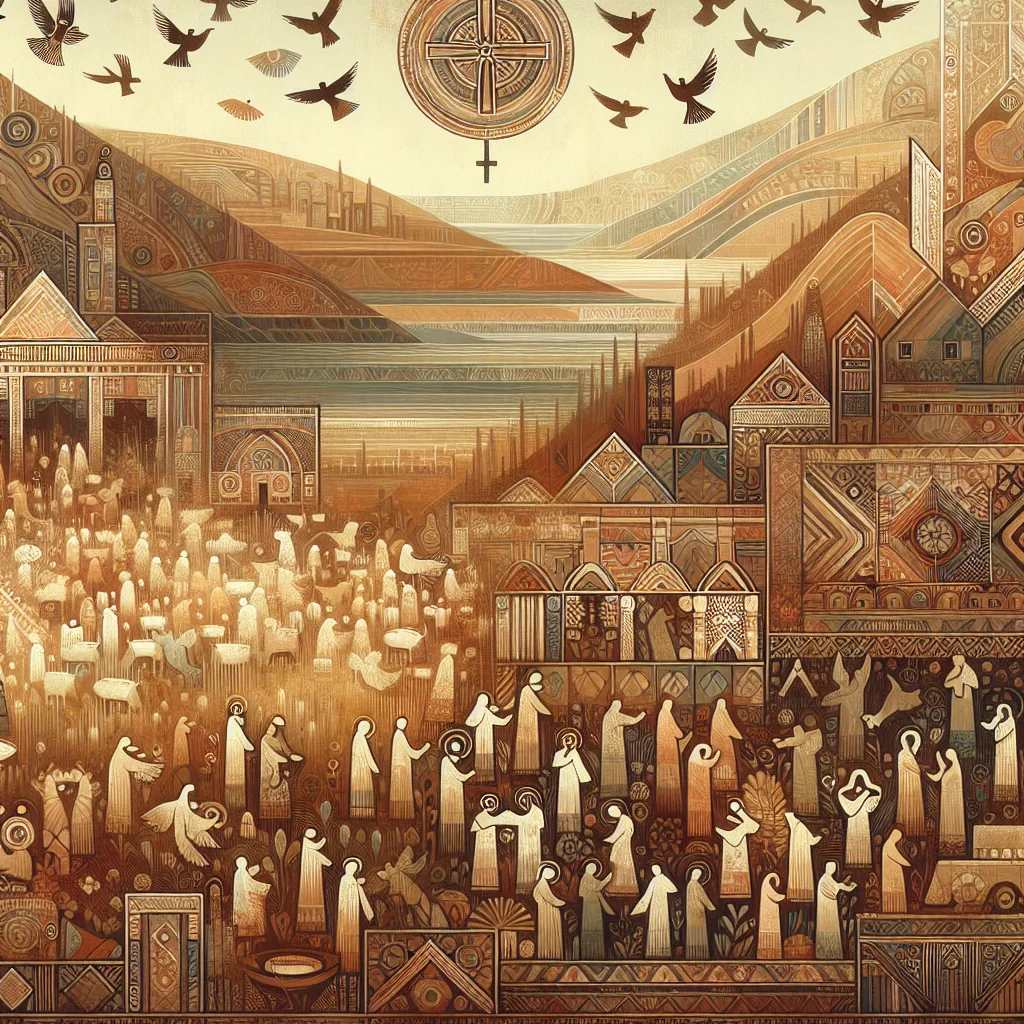
Mandaean art often features religious symbols and motifs, with music playing a role in religious ceremonies and cultural celebrations.
Cultural Symbols Motifs
Symbols such as the 'drabsha' (cross) and water motifs are prevalent, reflecting their religious beliefs and connection to baptism.
What Brings Joy
Community gatherings, religious festivals, and the practice of traditional rituals bring joy and reinforce cultural identity.
Celebrations Joyful Traditions
Key celebrations include Parwanaya, a five-day festival of creation, and other religious observances that strengthen community ties.
Cultural Calendar And Holidays
The Mandaean calendar includes several religious holidays and observances, often linked to lunar cycles and agricultural events.
Additional Notes
Mandaean expression is deeply intertwined with their religious practices, with art and music serving as mediums for cultural transmission.
Economic Context And Occupations
Traditionally, Mandaeans have been skilled in trades such as goldsmithing and silversmithing, though modern economic contexts have diversified their occupational roles.
Housing And Living Arrangements
Housing often reflects community living, with extended families residing close to one another to maintain cultural and social ties.
Nutrition And Dietary Norms
Dietary practices are influenced by religious beliefs, with certain foods considered pure and others avoided, particularly during religious observances.
Interpretation Needs
Interpretation services are often required for Mandaic, especially in diaspora communities where local languages dominate.
Interpreter Notes
Interpreters should be sensitive to religious and cultural nuances, ensuring accurate and respectful communication.
Documentation Traditions
Documentation often includes religious texts and oral histories, with efforts to preserve these through modern recording and archiving techniques.
Interactions With Other Cultures
Mandaeans have historically interacted with neighboring cultures, often adopting and adapting elements while maintaining distinct religious practices.
Conflict Resolution Mechanisms
Community leaders and religious figures often mediate conflicts, emphasizing dialogue and reconciliation.
Cultural Exchange Programs
Programs aimed at cultural exchange focus on sharing Mandaean traditions and fostering mutual understanding with other communities.
Trade Relations
Historically, Mandaeans engaged in trade, particularly in crafts and jewelry, which facilitated cultural exchanges.
Shared Artistic Projects
Collaborative artistic projects often highlight religious themes and promote cultural awareness.
Intercultural Marriages
While traditionally rare, intercultural marriages have become more common in diaspora communities, often requiring negotiation of cultural practices.
Shared Educational Initiatives
Educational initiatives may involve partnerships with other cultural groups to promote diversity and inclusion.
Youth Perspectives
Mandaean youth often balance cultural preservation with modern aspirations, seeking to integrate while maintaining their heritage.
Education Initiatives
Initiatives focus on bilingual education and cultural programs to ensure the transmission of Mandaean language and traditions.
Future Challenges
Challenges include cultural assimilation, maintaining religious practices, and securing community rights in diaspora settings.
Youth Employment Trends
Youth are increasingly pursuing diverse career paths, often in technology and service industries, reflecting broader economic trends.
Future Visions
Visions for the future include strengthening community networks, preserving cultural identity, and advocating for minority rights.
Youth Leadership Roles
Youth are encouraged to take on leadership roles within the community, fostering a new generation of cultural stewards.
Innovation And Startups
There is a growing interest in entrepreneurship, with young Mandaeans exploring startups that blend cultural heritage with modern innovation.
Festivals And Celebrations
Festivals such as Parwanaya and Dehwa Hanina are central to Mandaean cultural life, involving rituals, feasting, and community gatherings.
Traditional Medicine Practices
Traditional medicine often incorporates herbal remedies and spiritual healing, reflecting a holistic approach to health.
Environmental Practices
Environmental stewardship is emphasized, with practices that respect natural resources and promote sustainability.
Rituals
Rituals are integral to Mandaean life, with baptism being the most significant, symbolizing purification and renewal.
Rites Of Passage
Rites of passage include religious ceremonies marking birth, marriage, and death, each with specific rituals and community involvement.
Culinary Traditions
Culinary practices are influenced by religious dietary laws, with traditional dishes often prepared during festivals and celebrations.
Climate Adaptation Strategies
Adaptation strategies focus on sustainable living and resource management, particularly in response to environmental changes.
Biodiversity Conservation
Conservation efforts are informed by religious teachings that emphasize the interconnectedness of all life.
Sustainable Tourism Practices
Tourism initiatives aim to educate visitors about Mandaean culture while promoting environmental and cultural sustainability.
Renewable Energy Use
There is a growing interest in renewable energy, aligning with broader environmental values and sustainability goals.
Community Involvement In Practices
Community involvement is key to environmental and cultural practices, with collective efforts to maintain traditions and protect resources.
Environmental Education Programs
Programs focus on educating both Mandaeans and the broader public about environmental stewardship and cultural heritage.
Notable Figures
Notable figures include religious leaders and scholars who have contributed to the preservation and study of Mandaean culture.
Cultural Innovations
Innovations include the development of unique religious texts and artistic expressions that reflect Mandaean beliefs.
Literary Works
Mandaean literature includes religious texts such as the Ginza Rba, which is central to their spiritual teachings.
Architectural Styles
Traditional architecture often features elements that reflect religious symbolism and community values.
Scientific Contributions
Contributions to science are often linked to traditional knowledge and practices, particularly in medicine and astronomy.
Culinary Innovations
Culinary innovations involve the adaptation of traditional recipes to modern contexts, often highlighting unique flavors and ingredients.
Global Influence
Mandaean culture has influenced global religious studies and interfaith dialogues, contributing to a broader understanding of Gnostic traditions.
Awards And Recognition
Recognition often comes in the form of cultural preservation awards and academic acknowledgments of their unique heritage.
Modern Influences
Modern influences include the integration of technology in cultural practices and the adaptation of traditions to contemporary life.
Digital Presence
A growing digital presence includes online communities and resources that connect Mandaeans globally and promote cultural awareness.
Globalization Effects
Globalization has led to increased cultural exchange and challenges in maintaining distinct cultural identities.
Urbanization Effects
Urbanization has influenced lifestyle changes, with many Mandaeans adapting to city life while striving to maintain cultural practices.
Technology Adoption
Technology is increasingly used for cultural preservation, education, and community building, particularly in diaspora settings.
Hybrid Cultural Forms
Hybrid forms emerge as Mandaeans blend traditional practices with modern influences, creating new expressions of cultural identity.
Social Media Presence
Social media platforms are used to share cultural content, connect with diaspora communities, and advocate for Mandaean rights.
Challenges
Challenges include cultural assimilation, religious persecution, and the preservation of language and traditions in diaspora communities.
Preservation Efforts
Efforts focus on documenting cultural practices, educating younger generations, and advocating for minority rights and recognition.
Cultural Artwork
Community Discussion
Further Reading
Explore credible external sources to deepen your understanding of Mandaean culture.