
Kurdish Diaspora
Global, with significant populations in Europe, North America, and the Middle East. KurdishTurkishArabicPersian
The Kurdish diaspora refers to the communities of Kurds living outside their traditional homeland, which spans parts of Turkey, Iran, Iraq, and Syria. This diaspora has been shaped by historical conflicts, economic migration, and political persecution.
Historical Context
The Kurdish diaspora has been shaped by a history of conflict and displacement, particularly due to political persecution and ethnic conflicts in the Middle East.
Migration Patterns
Significant waves of migration occurred during the late 20th century due to conflicts in Iraq and Turkey, with Kurds seeking asylum in Europe and North America.
Conflict And Resilience History
Despite facing persecution and displacement, Kurdish communities have shown resilience by preserving their cultural identity and advocating for their rights.
Diaspora Perspectives
The diaspora often views itself as a bridge between their homeland and host countries, advocating for Kurdish rights and cultural recognition.
Regional Variations
Kurdish communities in Europe tend to be more politically active, while those in the Middle East often focus on cultural preservation.
Bridging Notes
The diaspora plays a crucial role in raising awareness about Kurdish issues globally and supporting their communities back home.
Spiritual And Religious Practices
The Kurdish diaspora practices a variety of religions, including Islam (Sunni and Shia), Yazidism, and Christianity, often adapting their practices to fit their new environments.
Beliefs And Worldview
Kurdish diaspora communities often emphasize values of resilience, community solidarity, and cultural preservation.
Cultural Proverbs Sayings
Common sayings emphasize unity and perseverance, such as 'He who has no village has no identity.'
Naming Conventions And Terms Of Address
Names often reflect Kurdish heritage, with a preference for traditional Kurdish names and respectful terms of address.
Health And Mental Health
Access to healthcare varies, with some facing barriers due to language and cultural differences. Mental health is increasingly recognized as important, though stigma may persist.
Mental Health Views
Mental health is often approached with caution, with traditional views sometimes conflicting with modern practices.
Traditional Healers
Some diaspora members may still consult traditional healers, especially for herbal remedies and spiritual healing.
Gender Roles In Healthcare
Gender roles can influence healthcare decisions, with women often taking on caregiving roles.
Healthcare Barriers
Language barriers, lack of culturally competent care, and economic challenges can impede access to healthcare.
Education And Learning Styles
Education is highly valued, with a strong emphasis on academic achievement and professional success.
Learning Styles
Kurdish students may prefer collaborative and interactive learning environments that respect cultural backgrounds.
Parental Engagement
Parents are often highly involved in their children's education, emphasizing the importance of higher education and professional careers.
Family And Social Structure
Family is central to Kurdish diaspora communities, often extending beyond the nuclear family to include a wide network of relatives.
Discipline And Behavior
Discipline is typically guided by respect for elders and adherence to cultural norms.
Authority Attitudes
Respect for authority figures, such as community leaders and elders, is a common cultural trait.
Etiquette And Customs
Hospitality is a key custom, with an emphasis on politeness and respect in social interactions.
Community Strengths Resilience
Strong community networks provide support and resilience, helping members navigate challenges in host countries.
Art Music And Expression
Kurdish music, dance, and literature are vital forms of cultural expression, often reflecting themes of resistance and identity.
Cultural Symbols Motifs
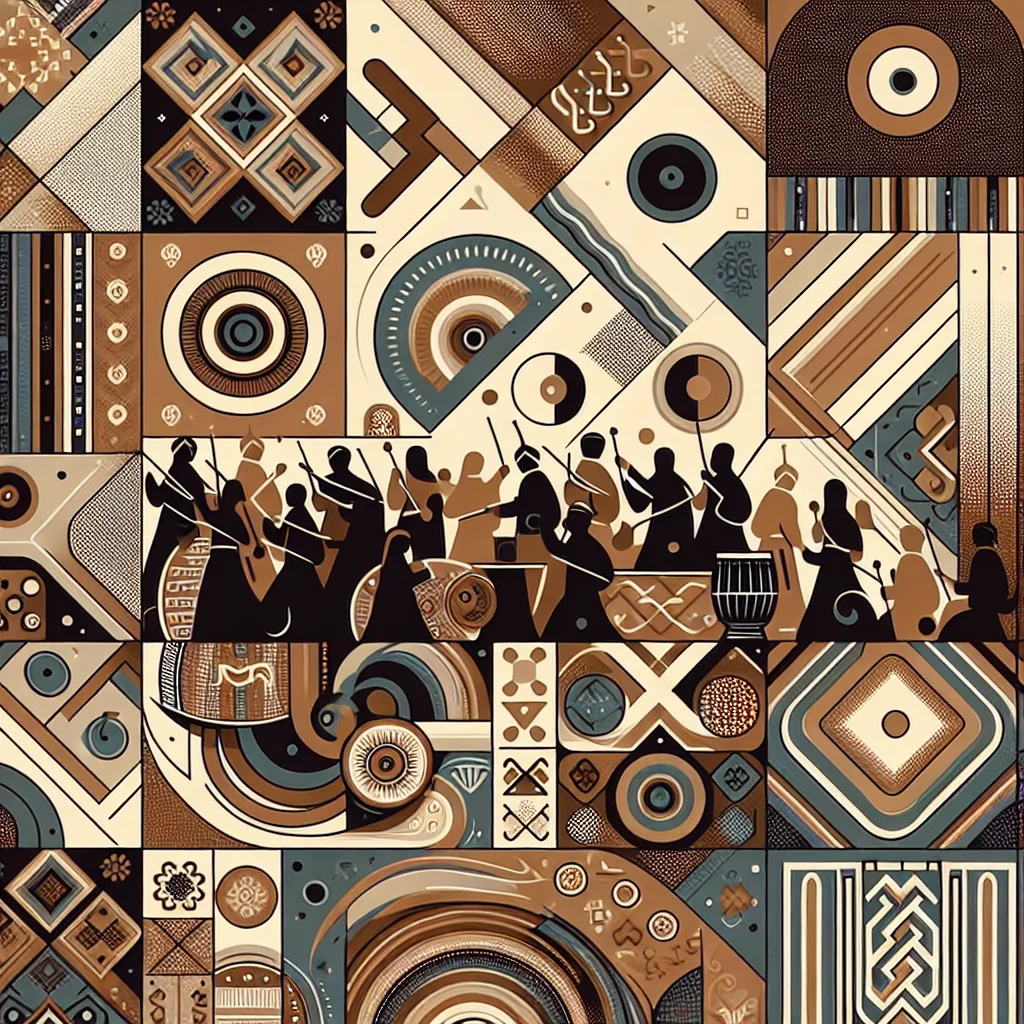
Symbols such as the sun and traditional Kurdish patterns are prevalent in art and textiles.
What Brings Joy
Community gatherings, music, and dance are sources of joy and cultural pride.
Celebrations Joyful Traditions
Newroz (Kurdish New Year) is a major celebration, marked by music, dance, and community gatherings.
Cultural Calendar And Holidays
In addition to Newroz, other important occasions include religious holidays and cultural festivals.
Additional Notes
Kurdish diaspora communities often use cultural events to maintain connections with their heritage and educate others about their culture.
Economic Context And Occupations
Many in the diaspora work in diverse fields, from skilled trades to professional sectors, often facing economic challenges due to discrimination.
Housing And Living Arrangements
Housing varies widely, with some communities experiencing overcrowding and others achieving stable home ownership.
Nutrition And Dietary Norms
Traditional Kurdish cuisine is maintained, with an emphasis on fresh ingredients and communal meals.
Interpretation Needs
Language services are often needed, particularly for older community members who may not be fluent in the host country's language.
Interpreter Notes
Interpreters familiar with Kurdish dialects and cultural nuances are preferred.
Documentation Traditions
Oral traditions are strong, but there is also a growing body of written literature in Kurdish and other languages.
Interactions With Other Cultures
Kurdish diaspora communities often engage with other cultural groups, fostering mutual understanding and cooperation.
Conflict Resolution Mechanisms
Community leaders and elders play a key role in mediating conflicts and promoting harmony.
Cultural Exchange Programs
Programs that promote cultural exchange and understanding are valued, often involving music, dance, and art.
Trade Relations
Some diaspora members are involved in trade, particularly in traditional crafts and textiles.
Shared Artistic Projects
Collaborative artistic projects with other cultures are common, highlighting shared experiences and themes.
Intercultural Marriages
Intercultural marriages are increasingly common, reflecting the diaspora's integration into host societies.
Shared Educational Initiatives
Educational initiatives often focus on language preservation and cultural education, sometimes in collaboration with other cultural groups.
Youth Perspectives
Kurdish youth in the diaspora often balance cultural heritage with modern influences, advocating for social justice and cultural recognition.
Education Initiatives
Initiatives focus on higher education and vocational training, with an emphasis on empowering youth to succeed in diverse fields.
Future Challenges
Challenges include navigating identity, combating discrimination, and achieving economic stability.
Youth Employment Trends
Youth often pursue careers in technology, healthcare, and education, reflecting both traditional values and modern opportunities.
Future Visions
The diaspora envisions a future where Kurdish culture is celebrated and integrated within global societies.
Youth Leadership Roles
Youth are increasingly taking on leadership roles within their communities, advocating for cultural preservation and social change.
Innovation And Startups
There is a growing trend of Kurdish youth engaging in startups and innovation, particularly in technology and creative industries.
Festivals And Celebrations
Festivals such as Newroz are celebrated with music, dance, and traditional foods, reinforcing cultural identity.
Traditional Medicine Practices
Herbal remedies and traditional healing practices are still valued, often used alongside modern medicine.
Environmental Practices
Environmental stewardship is important, with practices such as community gardening and sustainable agriculture.
Rituals
Rituals often involve music and dance, serving as a means of cultural expression and community bonding.
Rites Of Passage
Rites of passage, such as weddings and coming-of-age ceremonies, are celebrated with traditional customs and gatherings.
Culinary Traditions
Kurdish cuisine is rich and varied, featuring dishes like dolma, kebabs, and flatbreads, often shared during communal meals.
Climate Adaptation Strategies
Communities are increasingly adopting strategies to adapt to climate change, focusing on sustainable practices.
Biodiversity Conservation
Efforts to conserve biodiversity are supported, particularly in relation to traditional agricultural practices.
Sustainable Tourism Practices
Sustainable tourism is promoted, highlighting cultural heritage and natural landscapes.
Renewable Energy Use
There is growing interest in renewable energy, with some communities adopting solar and wind technologies.
Community Involvement In Practices
Community involvement is key in environmental practices, with collective efforts to promote sustainability.
Environmental Education Programs
Programs aim to educate both youth and adults about environmental conservation and sustainable living.
Notable Figures
Notable figures include artists, writers, and activists who have made significant contributions to both Kurdish and global culture.
Cultural Innovations
Innovations in music, dance, and literature reflect the dynamic nature of the Kurdish diaspora's cultural expression.
Literary Works
Kurdish authors have produced a rich body of literature, often exploring themes of identity and exile.
Architectural Styles
Traditional Kurdish architecture is characterized by its use of local materials and adaptation to the environment.
Scientific Contributions
Members of the diaspora have contributed to various scientific fields, including medicine and engineering.
Culinary Innovations
Kurdish cuisine has been adapted and popularized in host countries, contributing to global culinary diversity.
Global Influence
The Kurdish diaspora has influenced global culture through art, music, and advocacy for human rights.
Awards And Recognition
Kurdish artists and activists have received international recognition for their contributions to culture and society.
Modern Influences
The diaspora is influenced by global trends, integrating modern technology and media into cultural practices.
Digital Presence
A strong digital presence is maintained through social media and online platforms, promoting cultural exchange and advocacy.
Globalization Effects
Globalization has facilitated cultural exchange, but also presents challenges in preserving traditional practices.
Urbanization Effects
Urbanization has led to changes in lifestyle and community dynamics, with a shift towards more individualistic living.
Technology Adoption
Technology is widely adopted, with many diaspora members engaging in digital entrepreneurship and innovation.
Hybrid Cultural Forms
Hybrid cultural forms emerge as traditional practices blend with modern influences, creating unique expressions of identity.
Social Media Presence
Social media is a key tool for cultural expression and community building, connecting diaspora members globally.
Challenges
Challenges include preserving cultural identity, combating discrimination, and achieving economic stability in host countries.
Preservation Efforts
Efforts to preserve culture include language education, cultural festivals, and advocacy for Kurdish rights.
Cultural Artwork
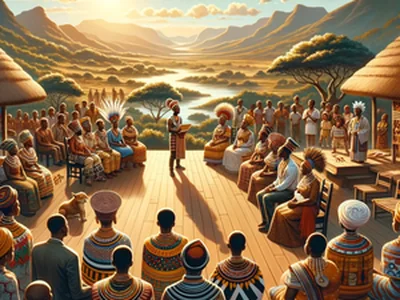
Community Discussion
Further Reading
Explore credible external sources to deepen your understanding of Kurdish Diaspora culture.