
Koara
Goldfields-Esperance, Western Australia KoaraEnglish
The Koara are an Indigenous Australian group from the Goldfields-Esperance region of Western Australia, known for their rich cultural traditions and deep connection to the land.
Historical Context
The Koara people have traditionally inhabited the arid interior of Western Australia, with a history marked by resilience in the face of colonial expansion and mining activities.
Migration Patterns
Historically, the Koara people have been semi-nomadic, moving within their traditional lands according to seasonal availability of resources.
Conflict And Resilience History
The Koara people have faced significant challenges due to colonization, including displacement from their lands and cultural disruption. Despite these challenges, they have shown resilience by maintaining their cultural practices and advocating for land rights.
Diaspora Perspectives
Koara people who have moved to urban areas often maintain strong ties to their traditional lands and communities, participating in cultural events and advocating for Indigenous rights.
Regional Variations
Within the Koara community, there are variations in dialects and cultural practices, influenced by interactions with neighboring Indigenous groups.
Bridging Notes
Efforts to bridge cultural gaps include cultural awareness programs and collaborations with local governments to ensure the preservation of Koara heritage.
Spiritual And Religious Practices
The Koara people have a deep spiritual connection to their land, which is central to their cultural identity. Their spiritual practices often involve ceremonies and rituals that honor their ancestors and the natural world.
Beliefs And Worldview
The Koara worldview is deeply rooted in the Dreamtime, a spiritual belief system that explains the origins of the world and the interconnectedness of all living things.
Cultural Proverbs Sayings
Koara proverbs often emphasize the importance of community, respect for elders, and living in harmony with nature.
Naming Conventions And Terms Of Address
Names in Koara culture often reflect natural elements or ancestral connections. Terms of address show respect for elders and community leaders.
Health And Mental Health
Health practices among the Koara include a mix of traditional healing methods and modern healthcare. Mental health is often approached through community support and traditional practices.
Mental Health Views
Mental health is often approached holistically, with an emphasis on community and spiritual well-being.
Traditional Healers
Traditional healers, known as 'Ngangkari', play a crucial role in maintaining health through spiritual and natural remedies.
Gender Roles In Healthcare
In Koara culture, women often play a significant role in healthcare, particularly in traditional healing practices and as caregivers within the community.
Healthcare Barriers
Access to healthcare can be limited due to geographical isolation and cultural differences in health practices.
Education And Learning Styles
Koara education traditionally involves storytelling, observation, and participation in cultural practices. Elders play a crucial role in passing down knowledge.
Learning Styles
Learning is traditionally experiential, involving storytelling, observation, and participation in cultural practices.
Parental Engagement
Parents and elders are highly involved in the education of Koara children, emphasizing the importance of cultural knowledge alongside formal education.
Family And Social Structure
Koara society is organized around extended family networks, with strong kinship ties and a collective approach to community well-being.
Discipline And Behavior
Discipline in Koara culture is often community-based, with an emphasis on teaching through example and storytelling rather than punitive measures.
Authority Attitudes
Respect for elders and community leaders is a fundamental aspect of Koara culture, with decisions often made collectively.
Etiquette And Customs
Koara customs include greeting elders with respect, participating in community gatherings, and adhering to cultural protocols during ceremonies.
Community Strengths Resilience
The Koara community is known for its resilience, maintaining cultural practices and advocating for rights despite historical challenges.
Art Music And Expression
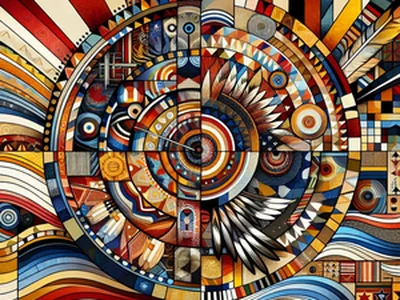
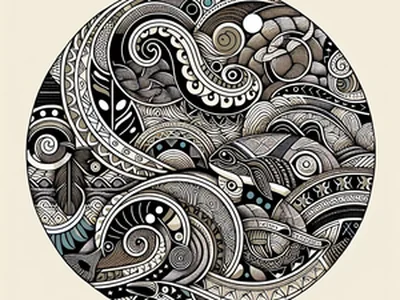
Koara art often features traditional motifs and symbols, reflecting their connection to the land and Dreamtime stories. Music and dance are integral to cultural ceremonies.
Cultural Symbols Motifs
Common symbols in Koara art include representations of animals, tracks, and natural elements, each with specific cultural meanings.
What Brings Joy
Community gatherings, storytelling, and participation in cultural ceremonies are sources of joy and cultural pride for the Koara people.
Celebrations Joyful Traditions
Koara celebrations often involve music, dance, and storytelling, serving as a means to strengthen community bonds and pass down traditions.
Cultural Calendar And Holidays
Cultural events are often tied to seasonal changes and significant historical events, celebrated with community gatherings and ceremonies.
Additional Notes
The Koara people have a rich tradition of storytelling and art, often using these mediums to convey cultural knowledge and history.
Economic Context And Occupations
Traditionally, the Koara people engaged in hunting and gathering, with contemporary occupations often involving land management and cultural tourism.
Housing And Living Arrangements
Housing varies from traditional structures to modern accommodations, with a focus on maintaining community proximity.
Nutrition And Dietary Norms
Traditional Koara diets included bush foods, with contemporary diets incorporating both traditional and modern foods.
Interpretation Needs
Interpretation services may be required for Koara speakers, particularly in legal and healthcare settings.
Interpreter Notes
Interpreters familiar with Koara language and cultural nuances are essential for effective communication, particularly in legal and healthcare settings.
Documentation Traditions
Oral traditions are predominant, with stories and knowledge passed down through generations verbally.
Interactions With Other Cultures
The Koara have historically interacted with neighboring Indigenous groups, sharing cultural practices and forming alliances.
Conflict Resolution Mechanisms
Traditional conflict resolution often involves mediation by elders and community discussions to reach consensus.
Cultural Exchange Programs
Cultural exchange programs with other Indigenous groups and non-Indigenous communities help promote understanding and cultural preservation.
Trade Relations
Historically, the Koara engaged in trade with neighboring groups, exchanging goods such as tools and ceremonial items.
Shared Artistic Projects
Collaborative art projects with other Indigenous artists help preserve and promote Koara cultural expressions.
Intercultural Marriages
Intercultural marriages are common, often strengthening ties between different Indigenous groups.
Shared Educational Initiatives
Educational initiatives often involve partnerships with other Indigenous communities to share resources and knowledge.
Youth Perspectives
Koara youth are increasingly involved in cultural preservation efforts, balancing traditional practices with modern opportunities.
Education Initiatives
Programs aimed at increasing educational access and success for Koara youth often focus on integrating cultural knowledge with formal education.
Future Challenges
Challenges include maintaining cultural identity in the face of modernization and ensuring access to education and employment opportunities.
Youth Employment Trends
Employment trends for Koara youth include roles in cultural tourism, land management, and community services.
Future Visions
The Koara envision a future where their cultural heritage is preserved and respected, with increased opportunities for economic and social development.
Youth Leadership Roles
Youth leadership is encouraged through participation in cultural events and community decision-making processes.
Innovation And Startups
There is growing interest in startups that focus on cultural tourism and sustainable practices, led by Koara youth.
Festivals And Celebrations
Koara festivals celebrate cultural heritage and seasonal changes, featuring traditional music, dance, and storytelling.
Traditional Medicine Practices
Traditional medicine involves the use of native plants and spiritual healing practices, often guided by elders and healers.
Environmental Practices
The Koara have a deep respect for the land, practicing sustainable land management and conservation methods.
Rituals
Rituals often involve ceremonies that honor ancestors and the natural world, reinforcing cultural values and community bonds.
Rites Of Passage
Rites of passage mark significant life stages, such as coming of age, and are celebrated with community ceremonies.
Culinary Traditions
Koara culinary traditions include the preparation of bush foods and communal meals, emphasizing the use of local ingredients.
Climate Adaptation Strategies
Adaptation strategies include traditional ecological knowledge and practices that promote resilience to environmental changes.
Biodiversity Conservation
Conservation efforts focus on protecting native species and habitats, often involving community-led initiatives.
Sustainable Tourism Practices
Sustainable tourism initiatives aim to promote cultural heritage while minimizing environmental impact and benefiting the community.
Renewable Energy Use
There is growing interest in renewable energy projects that align with traditional values of sustainability and environmental stewardship.
Community Involvement In Practices
Community involvement is central to environmental and cultural practices, ensuring that initiatives are culturally appropriate and widely supported.
Environmental Education Programs
Programs focus on educating both Koara youth and the broader community about traditional ecological knowledge and conservation.
Notable Figures
Prominent Koara figures include community leaders and activists who have advocated for Indigenous rights and cultural preservation.
Cultural Innovations
Innovations include the integration of traditional knowledge with modern practices in areas such as land management and cultural tourism.
Literary Works
Koara stories and oral histories have been documented in various publications, contributing to the broader understanding of Indigenous cultures.
Architectural Styles
Traditional Koara architecture includes structures made from natural materials, reflecting their connection to the land.
Scientific Contributions
Contributions include traditional ecological knowledge that informs contemporary environmental management practices.
Culinary Innovations
Culinary innovations involve the fusion of traditional bush foods with modern culinary techniques, promoting Indigenous cuisine.
Global Influence
Koara culture has influenced global discussions on Indigenous rights and environmental conservation, highlighting the importance of traditional knowledge.
Awards And Recognition
Koara individuals and initiatives have received recognition for their contributions to cultural preservation and community development.
Modern Influences
Modern influences include the adoption of technology and participation in the broader Australian economy, while maintaining cultural identity.
Digital Presence
The Koara community is increasingly using digital platforms to share cultural knowledge and advocate for Indigenous rights.
Globalization Effects
Globalization presents both opportunities and challenges, with increased access to information and potential threats to cultural preservation.
Urbanization Effects
Urbanization has led some Koara people to move to cities, where they balance urban life with maintaining cultural connections.
Technology Adoption
Technology is used to document cultural practices and connect with broader Indigenous networks, supporting cultural continuity.
Hybrid Cultural Forms
Hybrid cultural forms emerge as traditional practices are adapted to contemporary contexts, reflecting the dynamic nature of Koara culture.
Social Media Presence
Social media is a tool for cultural expression and advocacy, allowing Koara individuals to share their stories and connect with others.
Challenges
Challenges include the preservation of language and cultural practices in the face of external pressures and modernization.
Preservation Efforts
Efforts to preserve Koara culture involve community-led initiatives, documentation of oral histories, and cultural education programs.
Cultural Artwork
Community Discussion
Further Reading
Explore credible external sources to deepen your understanding of Koara culture.