
Irula
Southern India, primarily in Tamil Nadu and Kerala IrulaTamilMalayalam
The Irula are an indigenous tribal community primarily residing in the southern Indian states of Tamil Nadu and Kerala. Known for their traditional knowledge of herbal medicine and snake-catching skills, they have a rich cultural heritage deeply connected to the natural environment.
Historical Context
The Irula have historically been forest dwellers, with a lifestyle centered around hunting, gathering, and agriculture. They have faced challenges due to deforestation and land encroachment, which have impacted their traditional way of life.
Migration Patterns
Traditionally, the Irula have been semi-nomadic, moving within forest areas for hunting and gathering. Modern pressures have led to more settled lifestyles.
Conflict And Resilience History
The Irula have faced marginalization and land rights issues but have shown resilience through community organization and advocacy for their rights.
Diaspora Perspectives
There is limited diaspora as the Irula primarily reside in their traditional homelands in southern India.
Regional Variations
There are slight variations in dialect and customs between Irula communities in Tamil Nadu and Kerala.
Bridging Notes
Efforts are being made to bridge traditional Irula practices with modern livelihoods through education and sustainable development programs.
Spiritual And Religious Practices
The Irula practice animism, worshipping nature and ancestral spirits. They also celebrate Hindu festivals and have their own unique rituals.
Beliefs And Worldview
The Irula worldview is deeply connected to nature, with a belief in the interdependence of all living things.
Cultural Proverbs Sayings
Proverbs often reflect their connection to nature and emphasize community values and wisdom.
Naming Conventions And Terms Of Address
Names often reflect natural elements or ancestral lineage, and terms of address are respectful, reflecting social hierarchy and kinship.
Health And Mental Health
Traditional herbal medicine is commonly used, and there is a growing integration with modern healthcare services.
Mental Health Views
Mental health is often viewed through a holistic lens, considering physical, spiritual, and community well-being.
Traditional Healers
Traditional healers, known as 'vaidyas', play a crucial role in healthcare, using herbal remedies and spiritual practices.
Gender Roles In Healthcare
Women often play a significant role in healthcare, particularly in childbirth and child-rearing practices.
Healthcare Barriers
Barriers include limited access to modern healthcare facilities and language differences.
Education And Learning Styles
Education is increasingly valued, with efforts to integrate traditional knowledge into formal education systems.
Learning Styles
Learning is often experiential, with a focus on oral traditions and practical skills.
Parental Engagement
Parents are becoming more engaged in formal education, recognizing its importance for future opportunities.
Family And Social Structure
The Irula community is organized around extended family units, with a strong emphasis on kinship and communal living.
Discipline And Behavior
Discipline is maintained through community norms and the guidance of elders.
Authority Attitudes
Elders and community leaders hold significant authority and are respected for their wisdom and experience.
Etiquette And Customs
Customs emphasize respect for elders, communal sharing, and harmony with nature.
Community Strengths Resilience
The Irula community is resilient, with strong social bonds and a deep connection to their cultural heritage.
Art Music And Expression
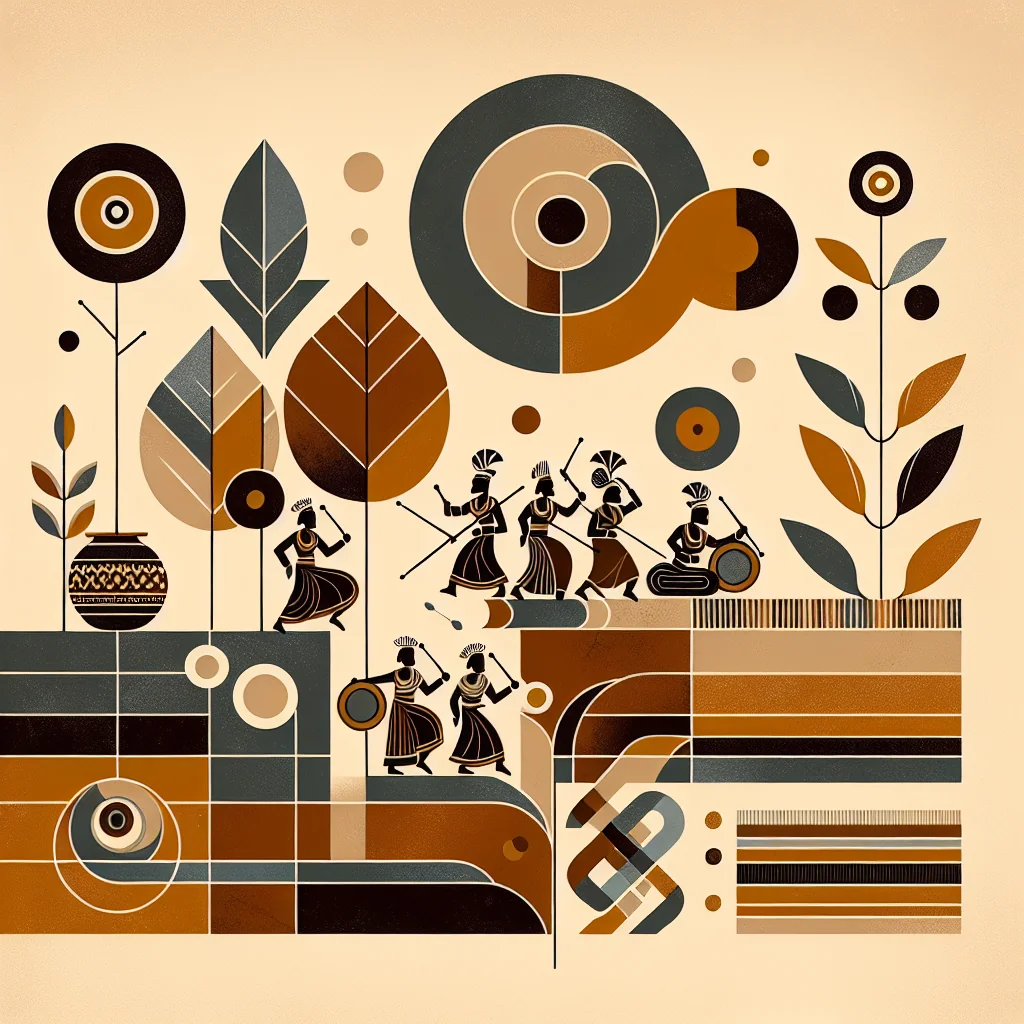
Irula art includes traditional crafts, music, and dance that reflect their connection to nature and community life.
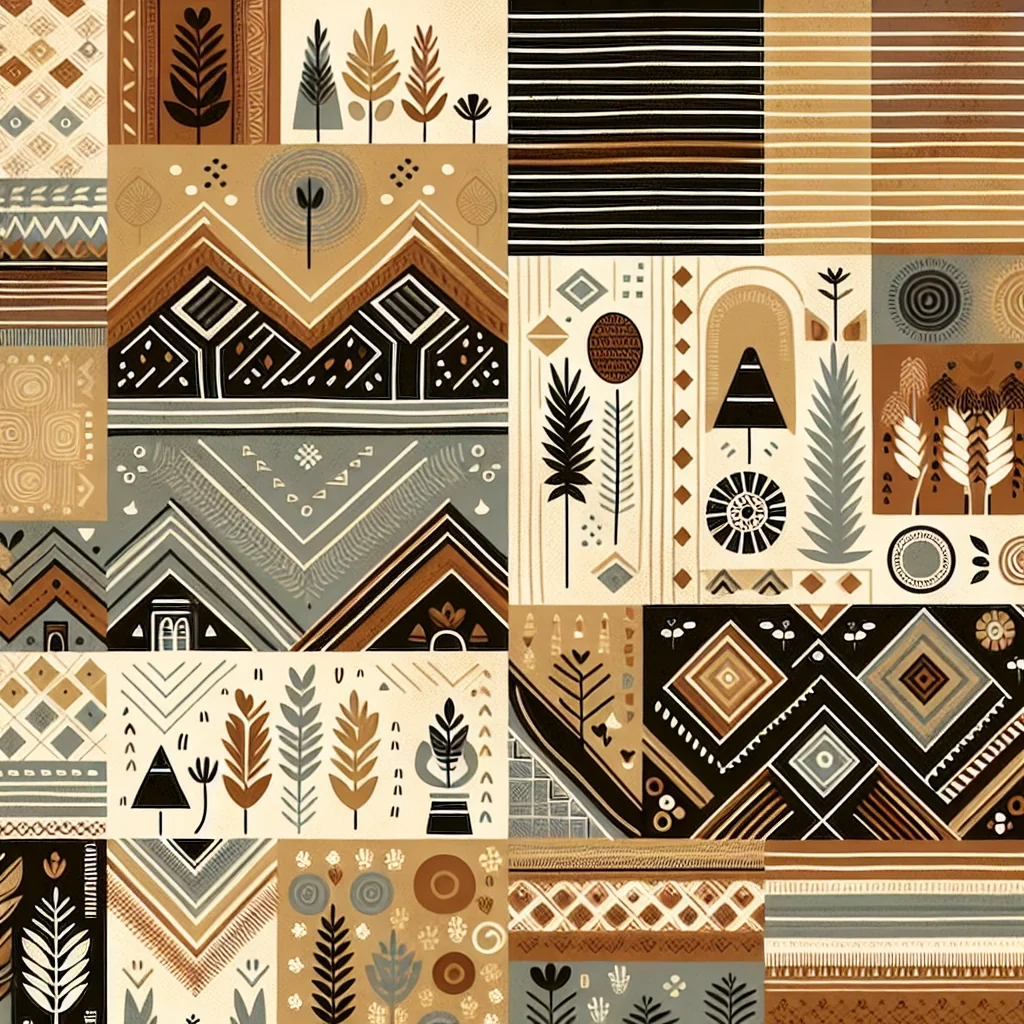
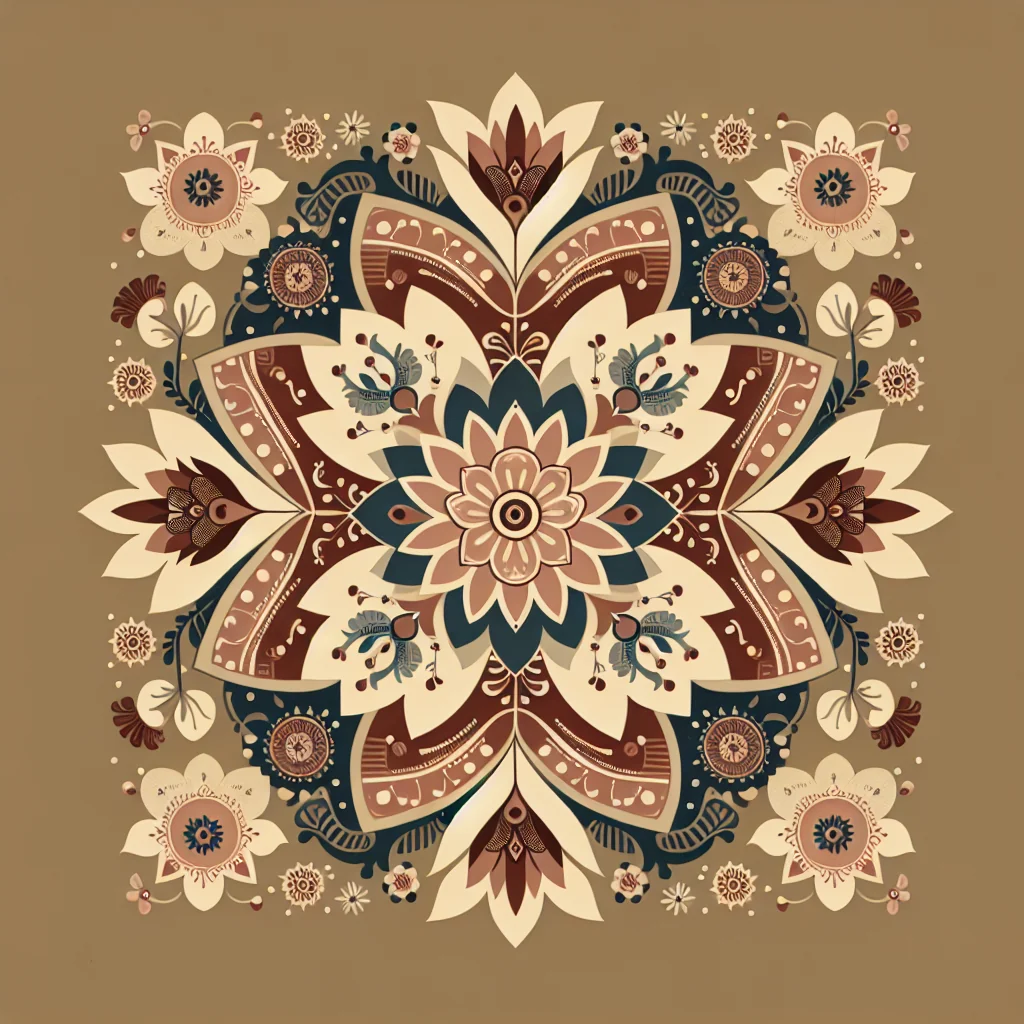
Cultural Symbols Motifs
Common motifs include snakes, trees, and other natural elements, symbolizing their environment and beliefs.
What Brings Joy
Community gatherings, traditional music, and dance are sources of joy and cultural expression.
Celebrations Joyful Traditions
Festivals and rituals celebrating nature and community milestones are central to Irula culture.
Cultural Calendar And Holidays
The Irula observe both traditional festivals and Hindu holidays, with unique rituals and celebrations.
Additional Notes
Efforts are being made to document and preserve Irula cultural expressions through various initiatives.
Economic Context And Occupations
Traditionally reliant on agriculture and forest resources, many Irula are now engaging in diverse occupations, including labor and small-scale entrepreneurship.
Housing And Living Arrangements
Housing varies from traditional thatched huts to more modern structures, often in rural or semi-urban settings.
Nutrition And Dietary Norms
The diet is primarily plant-based, with rice, millets, and forest produce being staples. Meat is consumed occasionally.
Interpretation Needs
Interpretation is often needed for Irula speakers in healthcare and legal settings, where Tamil or Malayalam are more commonly used.
Interpreter Notes
Interpreters should be sensitive to cultural nuances and the importance of traditional knowledge.
Documentation Traditions
Oral traditions are predominant, with increasing efforts to document language and cultural practices in written form.
Interactions With Other Cultures
The Irula interact with neighboring communities through trade, cultural exchanges, and shared festivals.
Conflict Resolution Mechanisms
Conflicts are traditionally resolved through community meetings and the mediation of elders.
Cultural Exchange Programs
There are initiatives to promote cultural exchange and understanding between the Irula and other communities.
Trade Relations
Trade historically involved forest products and crafts, with modern trade including agricultural goods.
Shared Artistic Projects
Collaborations with artists and cultural organizations aim to preserve and promote Irula art forms.
Intercultural Marriages
Intercultural marriages occur, often leading to a blending of cultural practices and traditions.
Shared Educational Initiatives
Educational programs often include cultural awareness components to foster mutual understanding.
Youth Perspectives
Irula youth are increasingly seeking education and employment opportunities while striving to preserve their cultural identity.
Education Initiatives
Programs focus on bilingual education and incorporating traditional knowledge into the curriculum.
Future Challenges
Challenges include balancing modernization with cultural preservation and addressing socio-economic disparities.
Youth Employment Trends
Youth are exploring diverse employment opportunities, including in technology and service sectors.
Future Visions
The Irula envision a future where their cultural heritage is preserved alongside socio-economic development.
Youth Leadership Roles
Youth are taking on leadership roles in community development and cultural preservation initiatives.
Innovation And Startups
There is a growing interest in entrepreneurship, particularly in areas like eco-tourism and traditional crafts.
Festivals And Celebrations
Festivals often celebrate nature and agricultural cycles, with rituals that honor deities and ancestral spirits.
Traditional Medicine Practices
Herbal medicine is a key aspect of Irula culture, with knowledge passed down through generations.
Environmental Practices
Sustainable use of natural resources and conservation of biodiversity are integral to their way of life.
Rituals
Rituals often involve offerings to nature spirits and community gatherings to mark significant events.
Rites Of Passage
Rites of passage include ceremonies for birth, marriage, and death, reflecting their spiritual beliefs.
Culinary Traditions
Culinary practices emphasize local ingredients and traditional methods of preparation.
Climate Adaptation Strategies
Adaptation strategies include traditional agricultural practices and community-based resource management.
Biodiversity Conservation
The Irula are involved in conservation efforts, particularly in preserving local flora and fauna.
Sustainable Tourism Practices
There is potential for eco-tourism initiatives that highlight Irula culture and natural heritage.
Renewable Energy Use
Some communities are exploring renewable energy options to reduce environmental impact.
Community Involvement In Practices
Community involvement is crucial in maintaining cultural and environmental practices.
Environmental Education Programs
Programs aim to educate both Irula and non-Irula communities about sustainable practices and conservation.
Notable Figures
Notable figures include traditional healers and community leaders who have advocated for Irula rights.
Cultural Innovations
Innovations include the integration of traditional knowledge with modern practices in areas like agriculture and medicine.
Literary Works
There is a growing body of literature documenting Irula folklore and oral traditions.
Architectural Styles
Traditional architecture includes thatched huts and structures that blend with the natural environment.
Scientific Contributions
Contributions include traditional ecological knowledge that informs biodiversity conservation.
Culinary Innovations
Culinary practices are being adapted for broader appeal, highlighting traditional ingredients and methods.
Global Influence
The Irula's expertise in snake catching has gained international recognition, particularly in wildlife conservation.
Awards And Recognition
Recognition includes awards for community leaders and initiatives that promote cultural preservation.
Modern Influences
Modern influences include increased access to education and technology, impacting traditional lifestyles.
Digital Presence
Digital platforms are being used to promote Irula culture and connect with broader audiences.
Globalization Effects
Globalization has brought both opportunities and challenges, influencing cultural practices and economic activities.
Urbanization Effects
Urbanization has led to changes in lifestyle and increased interaction with non-Irula communities.
Technology Adoption
Technology is being adopted in areas like education, healthcare, and communication.
Hybrid Cultural Forms
Hybrid forms are emerging, blending traditional and modern elements in art, music, and lifestyle.
Social Media Presence
Social media is used to share cultural content and advocate for Irula rights and issues.
Challenges
Challenges include cultural erosion, land rights issues, and socio-economic disparities.
Preservation Efforts
Efforts include documentation of language and traditions, as well as advocacy for cultural and land rights.
Cultural Artwork
Community Discussion
Further Reading
Explore credible external sources to deepen your understanding of Irula culture.