
Singaporean
Southeast Asia EnglishMandarin ChineseMalayTamil
The Singaporean culture is a unique blend of Chinese, Malay, Indian, and Western influences.
Historical Context
Singapore's history dates back to the 14th century, with various empires and colonizers influencing its development.
Migration Patterns
The island has been a major hub for trade and migration throughout history, attracting people from China, Malaysia, India, and other parts of Southeast Asia.
Conflict And Resilience History
Singapore has experienced several conflicts, including the Japanese occupation during World War II, but has also shown resilience in rebuilding and developing its economy.
Diaspora Perspectives
The Singaporean diaspora is spread across various countries, with significant communities in Malaysia, China, and other parts of Southeast Asia.
Regional Variations
Singapore's regional variations are influenced by its multicultural heritage, with different ethnic groups maintaining their unique customs and traditions.
Spiritual And Religious Practices
The majority of Singaporeans practice Buddhism (33.2%), followed by Christianity (18.8%), Islam (14.7%), Hinduism (5.0%), and Taoism (3.3%).
Beliefs And Worldview
Singaporean culture values hard work, education, and family, with a strong emphasis on social harmony and respect for authority.
Cultural Proverbs Sayings
Some common Singaporean proverbs include 'Unity in diversity' and 'Hard work is key to success'.
Naming Conventions And Terms Of Address
In Singaporean culture, names are often given based on their meaning or significance, with terms of address such as 'Ah Kong' (grandfather) and 'Makcik' (aunt).
Health And Mental Health
Singapore has a well-developed healthcare system, with high life expectancy and low infant mortality rates.
Mental Health Views
There is growing awareness of mental health issues in Singapore, with efforts to promote mental wellness and reduce stigma around mental illness.
Traditional Healers
Traditional Chinese medicine (TCM) practitioners are common in Singapore, offering services such as acupuncture and herbal remedies.
Gender Roles In Healthcare
In Singaporean culture, men are often expected to take on more active roles in healthcare decision-making for their families.
Healthcare Barriers
Access to healthcare can be a challenge for low-income households or those living in rural areas.
Education And Learning Styles
Singapore's education system emphasizes academic rigor, with a focus on science, technology, engineering, and mathematics (STEM) fields.
Learning Styles
Singaporean students tend to prefer structured learning environments and hands-on activities.
Parental Engagement
Parents in Singapore often play an active role in their children's education, attending parent-teacher meetings and supporting their academic development.
Family And Social Structure
The traditional Singaporean family is patriarchal, with a strong emphasis on respect for elders.
Discipline And Behavior
Discipline and obedience are highly valued in Singaporean culture, with strict rules governing behavior in schools and public spaces.
Authority Attitudes
Singaporeans generally have a high regard for authority figures, such as teachers and government officials.
Etiquette And Customs
In Singaporean culture, it is customary to use both hands when giving or receiving something, and to remove shoes before entering homes.
Community Strengths Resilience
The Singaporean community is known for its resilience in the face of adversity, with a strong sense of social cohesion and support.
Art Music And Expression
Singapore has a thriving arts scene, with numerous galleries, museums, and performance venues showcasing local and international talent.
Cultural Symbols Motifs
Some common cultural symbols in Singaporean art include the dragon, phoenix, and lotus flower.
What Brings Joy
Many Singaporeans find joy in traditional activities such as playing mahjong or watching Chinese opera performances.
Celebrations Joyful Traditions
Singapore celebrates various festivals throughout the year, including Chinese New Year, Hari Raya Puasa, and Deepavali.
Cultural Calendar And Holidays
The Singaporean calendar includes public holidays such as National Day (August 9th) and Vesak Day (May or June).
Economic Context And Occupations
Singapore has a highly developed economy, with major industries including finance, technology, and manufacturing.
Housing And Living Arrangements
The majority of Singaporeans live in public housing estates or private apartments, with a strong emphasis on home ownership.
Nutrition And Dietary Norms
Singaporean cuisine is known for its blend of Chinese, Malay, and Indian flavors, with popular dishes such as chili crab and Hainanese chicken rice.
Interpretation Needs
Interpretation services are often required in Singapore due to the country's multilingual population.
Interpreter Notes
Trained interpreters can be found through government agencies or private companies, with a focus on accuracy and cultural sensitivity.
Documentation Traditions
In Singaporean culture, documents such as birth certificates and identification cards are issued by government authorities.
Interactions With Other Cultures
Singaporeans generally have positive interactions with people from other cultures, valuing diversity and inclusivity.
Conflict Resolution Mechanisms
Conflicts are often resolved through mediation or negotiation, with a focus on maintaining social harmony.
Cultural Exchange Programs
Singapore has various cultural exchange programs in place to promote understanding and cooperation between nations.
Trade Relations
Singapore is a major trading hub, with extensive trade relationships with countries around the world.
Shared Artistic Projects
Singaporean artists often collaborate with international artists on joint projects, showcasing their unique blend of cultures.
Intercultural Marriages
Intercultural marriages are common in Singapore, reflecting its multicultural heritage and openness to diversity.
Shared Educational Initiatives
Singapore has partnered with other countries to develop educational programs and exchange students, promoting global understanding.
Youth Perspectives
Young Singaporeans are often exposed to diverse cultural influences through education and media, shaping their perspectives on the world.
Education Initiatives
Singapore has implemented various initiatives to improve education outcomes, including the use of technology and data-driven approaches.
Future Challenges
Singapore faces challenges such as an aging population, climate change, and maintaining its economic competitiveness in a rapidly changing global landscape.
Youth Employment Trends
Youth employment trends in Singapore are influenced by factors such as technological advancements and shifting industry demands.
Future Visions
Many Singaporeans envision a future where their country continues to thrive as a hub for innovation, trade, and cultural exchange.
Youth Leadership Roles
Young Singaporeans are increasingly taking on leadership roles in various fields, including politics, business, and the arts.
Innovation And Startups
Singapore has a thriving startup ecosystem, with numerous initiatives to support entrepreneurship and innovation.
Festivals And Celebrations
Singapore celebrates various festivals throughout the year, including Chinese New Year, Hari Raya Puasa, and Deepavali.
Traditional Medicine Practices
Traditional Chinese medicine (TCM) practitioners are common in Singapore, offering services such as acupuncture and herbal remedies.
Environmental Practices
Singapore has implemented various initiatives to reduce its environmental impact, including the use of renewable energy and waste reduction programs.
Rituals
Rituals in Singaporean culture often involve the use of incense, candles, and other symbolic objects to honor ancestors or deities.
Rites Of Passage
In Singaporean culture, rites of passage include traditional ceremonies for birth, marriage, and death.
Culinary Traditions
Singaporean cuisine is known for its blend of Chinese, Malay, and Indian flavors, with popular dishes such as chili crab and Hainanese chicken rice.
Climate Adaptation Strategies
The city-state is developing strategies to adapt to climate change, including the construction of flood-resistant infrastructure and green spaces.
Biodiversity Conservation
Singapore has established several nature reserves and parks to conserve its biodiversity, with a focus on protecting endangered species.
Sustainable Tourism Practices
Tourism in Singapore is promoted as sustainable, with initiatives such as eco-friendly accommodations and responsible wildlife viewing practices.
Renewable Energy Use
Singapore aims to increase its use of renewable energy sources, including solar and wind power, to reduce its reliance on fossil fuels.
Community Involvement In Practices
Community involvement in environmental practices is encouraged through initiatives such as park cleanups and tree-planting events.
Environmental Education Programs
Singapore has implemented various environmental education programs to promote awareness and action among its citizens.
Notable Figures
Notable Singaporeans include Lee Kuan Yew, the country's first prime minister, and Kuo Pao Lius, a renowned artist.
Cultural Innovations
Singapore has made significant contributions to cultural innovations, including the development of new art forms and fusion cuisine.
Literary Works
Singaporean literature includes works such as 'The Singapore Story' by Lee Kuan Yew and 'A History of Singapore' by John Bastin.
Architectural Styles
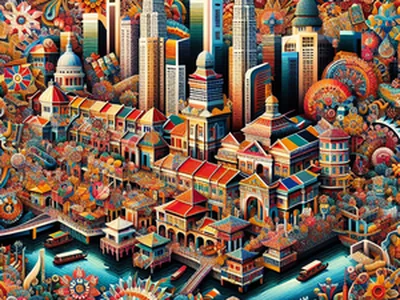
Singapore's architecture reflects its multicultural heritage, with a blend of Chinese, Malay, Indian, and Western influences.
Scientific Contributions
Singapore has made significant scientific contributions, including the development of new technologies and medical treatments.
Culinary Innovations
Singaporean cuisine is known for its innovative fusion dishes, such as chili crab and Hainanese chicken rice.
Global Influence
Singapore's cultural influence extends globally, with its unique blend of traditions and innovations inspiring artists, chefs, and entrepreneurs worldwide.
Awards And Recognition
Singapore has received numerous awards and recognition for its cultural achievements, including UNESCO World Heritage Site designations.
Modern Influences
Modern influences on Singaporean culture include Western pop culture, technology, and social media.
Digital Presence
Singaporeans are increasingly active online, with a strong presence on social media platforms such as Facebook and Instagram.
Globalization Effects
Globalization has had a significant impact on Singaporean culture, leading to increased exposure to international influences and ideas.
Urbanization Effects
Urbanization has transformed the Singaporean landscape, with high-rise buildings, shopping malls, and transportation infrastructure dominating the cityscape.
Technology Adoption
Singaporeans have rapidly adopted new technologies, including smartphones, e-commerce platforms, and digital payment systems.
Hybrid Cultural Forms
Singaporean culture is characterized by the blending of traditional and modern elements, resulting in unique hybrid forms such as fusion cuisine and contemporary art.
Social Media Presence
Social media plays a significant role in shaping public opinion and influencing cultural trends in Singapore.
Challenges
Singapore faces challenges such as maintaining its economic competitiveness in a rapidly changing global landscape, addressing climate change, and promoting social cohesion among its diverse population.
Preservation Efforts
Efforts to preserve Singaporean culture include initiatives such as language preservation programs, cultural festivals, and heritage conservation projects.
Cultural Artwork
Community Discussion
Further Reading
Explore credible external sources to deepen your understanding of Singaporean culture.