
Haitian
Caribbean Haitian CreoleFrench
Haitian culture is a vibrant blend of African, French, and indigenous Taíno influences, characterized by its rich traditions in music, art, and spirituality.
Historical Context
Haiti was the first independent nation in Latin America and the Caribbean, gaining independence from France in 1804. Its history is marked by the legacy of slavery, colonialism, and a successful slave revolt.
Migration Patterns
Haitians have migrated to various countries, including the United States, Canada, and France, often due to political instability and economic challenges.
Conflict And Resilience History
Haiti has faced numerous challenges, including political turmoil, natural disasters, and economic hardships, yet it remains resilient, with a strong sense of national pride and community solidarity.
Diaspora Perspectives
The Haitian diaspora maintains strong cultural ties to their homeland, often participating in cultural events and sending remittances to support family members in Haiti.
Regional Variations
Cultural practices can vary between urban and rural areas, with rural regions often maintaining more traditional customs.
Bridging Notes
Understanding the historical context of Haiti's independence and its ongoing challenges is crucial for appreciating its cultural resilience and creativity.
Spiritual And Religious Practices
Vodou is a significant spiritual practice in Haiti, alongside Christianity, particularly Roman Catholicism and Protestantism.
Beliefs And Worldview
Haitians often view life through a spiritual lens, with a strong belief in the interconnectedness of the physical and spiritual worlds.
Cultural Proverbs Sayings
Proverbs are an essential part of Haitian communication, often used to convey wisdom and cultural values.
Naming Conventions And Terms Of Address
Names often reflect French influence, and terms of address are used to show respect, such as 'Monsieur' and 'Madame'.
Health And Mental Health
Health practices in Haiti often combine traditional medicine with modern healthcare, with a focus on community-based care.
Mental Health Views
Mental health is sometimes stigmatized, but there is growing awareness and efforts to integrate mental health services into primary care.
Traditional Healers
Traditional healers, known as 'houngans' or 'mambos', play a significant role in community health, especially in rural areas.
Gender Roles In Healthcare
Women often take on caregiving roles, but there is increasing recognition of the need for gender equity in healthcare access.
Healthcare Barriers
Barriers include limited access to healthcare facilities, economic constraints, and geographical challenges.
Education And Learning Styles
Education in Haiti is highly valued, with a focus on rote learning and memorization, though there are efforts to incorporate more interactive methods.
Learning Styles
Haitian students often excel in environments that emphasize oral tradition and storytelling.
Parental Engagement
Parents are actively involved in their children's education, often making significant sacrifices to ensure access to schooling.
Family And Social Structure
Family is central to Haitian life, often extending beyond the nuclear family to include a wide network of relatives.
Discipline And Behavior
Discipline is generally strict, with an emphasis on respect for elders and authority figures.
Authority Attitudes
Respect for authority is ingrained, though there is also a strong tradition of questioning and resisting unjust authority.
Etiquette And Customs
Haitian customs emphasize hospitality, respect, and community solidarity, with specific rituals for greetings and social interactions.
Community Strengths Resilience
Haitian communities are known for their resilience, mutual support, and ability to organize collectively in times of need.
Art Music And Expression
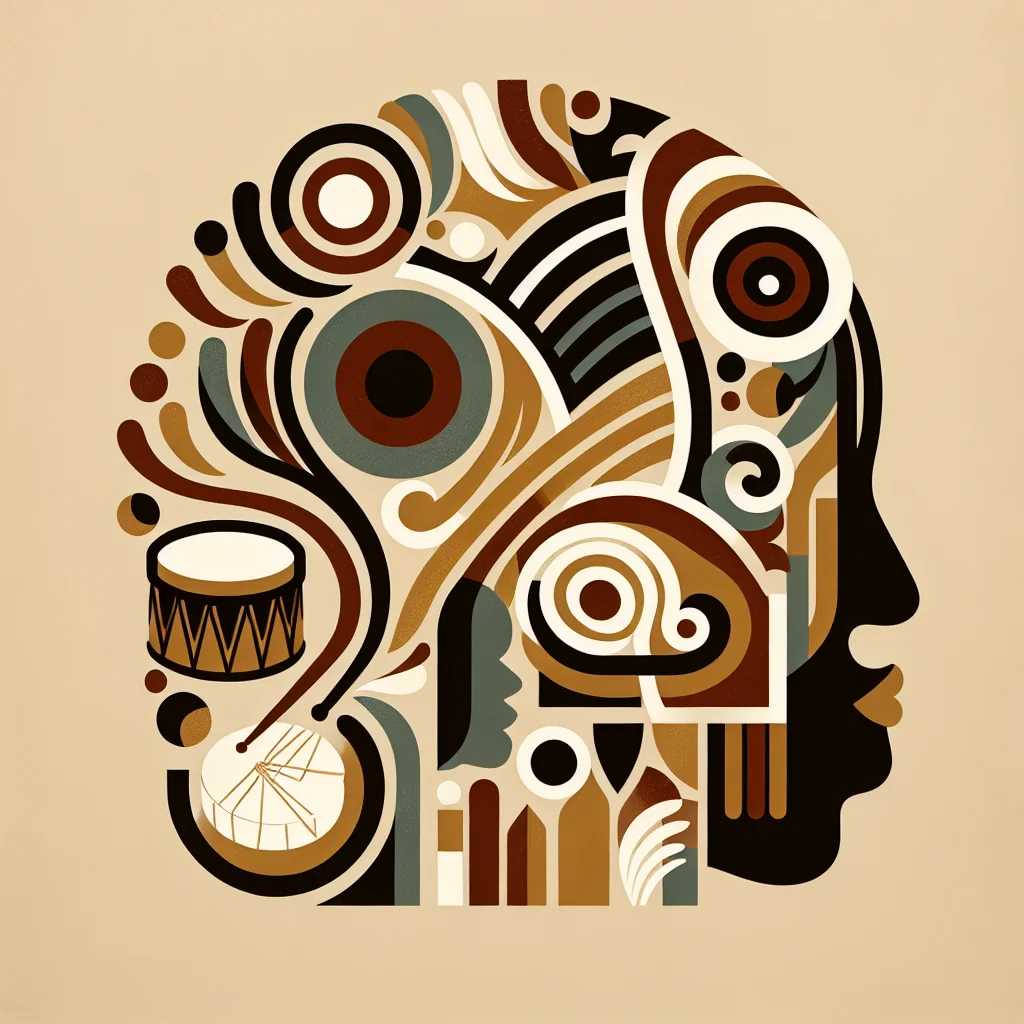
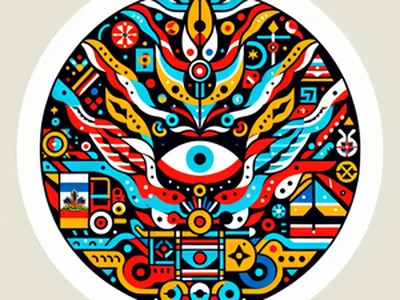
Haitian art is renowned for its vibrant colors and themes of spirituality and daily life. Music, especially genres like Kompa and Rara, plays a vital role in cultural expression.
Cultural Symbols Motifs
Symbols such as the 'lwa' in Vodou and the Haitian flag are significant cultural motifs.
What Brings Joy
Music, dance, and communal gatherings are sources of joy and cultural pride for Haitians.
Celebrations Joyful Traditions
Carnival and Independence Day are major celebrations, marked by music, dance, and communal festivities.
Cultural Calendar And Holidays
Important holidays include Independence Day (January 1), Flag Day (May 18), and various religious festivals.
Additional Notes
Haitian culture is a testament to the power of creativity and resilience in the face of adversity.
Economic Context And Occupations
The economy is largely agrarian, with many Haitians engaged in subsistence farming, though there is a growing service sector.
Housing And Living Arrangements
Housing varies widely, with many living in informal settlements, especially in urban areas.
Nutrition And Dietary Norms
The Haitian diet is rich in rice, beans, and plantains, with a strong emphasis on locally sourced ingredients.
Interpretation Needs
Interpretation services are often needed for Haitian Creole speakers in healthcare and legal settings.
Interpreter Notes
Interpreters should be aware of cultural nuances and the importance of non-verbal communication in Haitian culture.
Documentation Traditions
Oral tradition is strong, but there is a growing emphasis on written documentation, especially in education and governance.
Interactions With Other Cultures
Haitians have a history of cultural exchange with African, French, and other Caribbean cultures.
Conflict Resolution Mechanisms
Community-based approaches and traditional mediation are common in resolving conflicts.
Cultural Exchange Programs
Programs often focus on art, music, and education to promote cultural understanding.
Trade Relations
Haiti engages in trade primarily with the United States, the Dominican Republic, and other Caribbean nations.
Shared Artistic Projects
Collaborations in music and art are common, especially with other Caribbean artists.
Intercultural Marriages
Intercultural marriages are increasingly common, reflecting Haiti's diverse cultural interactions.
Shared Educational Initiatives
Educational partnerships often focus on language exchange and cultural studies.
Youth Perspectives
Haitian youth are increasingly focused on education and entrepreneurship as pathways to a better future.
Education Initiatives
Initiatives aim to improve access to quality education and incorporate technology in learning.
Future Challenges
Challenges include economic instability, political unrest, and environmental vulnerabilities.
Youth Employment Trends
There is a growing trend towards entrepreneurship and technology-based jobs among Haitian youth.
Future Visions
Haitian youth envision a future with improved infrastructure, education, and economic opportunities.
Youth Leadership Roles
Youth are taking on leadership roles in community development and social change initiatives.
Innovation And Startups
There is a burgeoning startup culture, particularly in technology and sustainable development sectors.
Festivals And Celebrations
Festivals such as Carnival and Rara are integral to Haitian culture, showcasing music, dance, and community spirit.
Traditional Medicine Practices
Herbal remedies and spiritual healing are common, often integrated with modern medical practices.
Environmental Practices
Efforts are being made to promote reforestation and sustainable agriculture to combat environmental degradation.
Rituals
Rituals in Vodou and other religious practices are central to community life, often involving music and dance.
Rites Of Passage
Rites of passage, such as baptisms and weddings, are celebrated with elaborate ceremonies and communal gatherings.
Culinary Traditions
Haitian cuisine is known for its bold flavors and use of local ingredients, with dishes like griot and joumou soup being staples.
Climate Adaptation Strategies
Communities are adopting strategies such as improved agricultural practices and disaster preparedness to adapt to climate change.
Biodiversity Conservation
Conservation efforts focus on protecting Haiti's unique flora and fauna, often involving community participation.
Sustainable Tourism Practices
There is a growing emphasis on promoting tourism that respects local culture and the environment.
Renewable Energy Use
Initiatives are underway to increase the use of solar and wind energy, particularly in rural areas.
Community Involvement In Practices
Community involvement is crucial in environmental and cultural preservation efforts, with local leaders often spearheading initiatives.
Environmental Education Programs
Programs aim to educate communities about sustainable practices and the importance of environmental stewardship.
Notable Figures
Figures such as Toussaint Louverture, Jean-Jacques Dessalines, and Wyclef Jean are celebrated for their contributions to Haitian history and culture.
Cultural Innovations
Haitian art and music have significantly influenced Caribbean culture, with unique styles and genres.
Literary Works
Haitian literature, with authors like Edwidge Danticat, explores themes of identity, resilience, and diaspora experiences.
Architectural Styles
Haitian architecture reflects French colonial influences, with distinctive features like gingerbread houses.
Scientific Contributions
Haitian scientists have made contributions in fields such as medicine and environmental science, often focusing on local challenges.
Culinary Innovations
Haitian cuisine is known for its innovative use of spices and local ingredients, creating unique flavors.
Global Influence
Haitian culture has a global impact, particularly in the arts and music, influencing genres like jazz and hip-hop.
Awards And Recognition
Haitian artists and writers have received international recognition, including awards in literature and music.
Modern Influences
Globalization has brought new influences to Haitian culture, particularly in fashion, music, and technology.
Digital Presence
Haitians are increasingly active on digital platforms, using social media to connect with the diaspora and promote cultural events.
Globalization Effects
While globalization has introduced new opportunities, it also poses challenges to cultural preservation.
Urbanization Effects
Urbanization is changing traditional lifestyles, with more people moving to cities in search of better opportunities.
Technology Adoption
Technology is being adopted in various sectors, including education, healthcare, and agriculture.
Hybrid Cultural Forms
Hybrid cultural forms are emerging, blending traditional Haitian elements with modern influences.
Social Media Presence
Social media is a powerful tool for cultural expression and activism, with many Haitians using it to share their stories and advocate for change.
Challenges
Haiti faces challenges such as political instability, economic hardship, and environmental degradation, impacting cultural preservation.
Preservation Efforts
Efforts are underway to preserve Haitian culture through education, documentation, and community initiatives.
Cultural Artwork
Community Discussion
Further Reading
Explore credible external sources to deepen your understanding of Haitian culture.