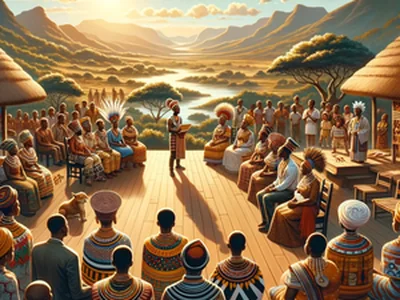


Gurungs
Himalayas, Nepal, India GurungNepaliEnglish
The Gurung people are an ethnic group native to the Himalayas, primarily residing in Nepal and parts of India.
Historical Context
The Gurungs have a long history in the Himalayas, with evidence of their presence dating back to the 12th century.
Migration Patterns
They migrated from Tibet to Nepal and India due to various factors such as wars, famines, and economic opportunities.
Conflict And Resilience History
Gurungs have faced numerous conflicts, including the Gorkha War, but have shown remarkable resilience in preserving their culture and traditions.
Diaspora Perspectives
Many Gurung communities are scattered across the globe, with significant populations in the United States, the United Kingdom, and Australia.
Regional Variations
Gurungs have distinct regional variations, such as the Kaski and Lamjung dialects.
Spiritual And Religious Practices
The Gurungs are predominantly Buddhist, with a strong emphasis on Tibetan Buddhism. They also practice animism and ancestor worship.
Beliefs And Worldview
Gurungs believe in the concept of karma and reincarnation, and have a deep respect for nature and the environment.
Cultural Proverbs Sayings
Some notable proverbs include 'Kasto cha, kasto chha' (What is given, what is received) and 'Dhanyabaad' (Thank you).
Naming Conventions And Terms Of Address
Gurungs use a patronymic naming system, with the father's name being used as a surname. They also have specific terms of address for elders and respected individuals.
Health And Mental Health
Gurungs prioritize physical and mental well-being, with a strong emphasis on traditional medicine and holistic practices.
Mental Health Views
They believe in the importance of maintaining a balance between body, mind, and spirit for overall health and happiness.
Traditional Healers
Gurung traditional healers use a combination of herbal remedies, rituals, and spiritual practices to treat various ailments.
Gender Roles In Healthcare
Women play a significant role in healthcare, with many serving as midwives, nurses, and traditional healers.
Healthcare Barriers
Limited access to modern healthcare facilities and lack of awareness about Western medicine are some of the challenges faced by Gurungs.
Education And Learning Styles
Gurung education emphasizes hands-on learning, community involvement, and practical skills.
Learning Styles
They value experiential learning, storytelling, and oral traditions as effective teaching methods.
Parental Engagement
Parents are actively involved in their children's education, often serving as teachers or mentors.
Family And Social Structure
Gurung society is organized around the family unit, with a strong emphasis on kinship ties and community involvement.
Discipline And Behavior
Children are taught to respect elders, follow traditional norms, and maintain social harmony.
Authority Attitudes
Elders and respected individuals hold significant authority in Gurung communities, with a focus on consensus-building and collective decision-making.
Etiquette And Customs
Gurungs have specific etiquette rules for interacting with others, including the use of respectful language and physical gestures.
Community Strengths Resilience
Their strong sense of community, cooperation, and mutual support enables them to overcome challenges and adapt to changing circumstances.
Art Music And Expression
Gurung art forms include traditional music, dance, and folk songs, often performed during festivals and celebrations.
Cultural Symbols Motifs
Some notable cultural symbols include the 'Dharmachakra' (Wheel of Dharma) and the 'Swastika' (auspicious symbol).
What Brings Joy
Gurungs find joy in community gatherings, music, dance, and storytelling.
Celebrations Joyful Traditions
They celebrate various festivals, including the 'Bisket Jatra' (New Year) and the 'Dashain' (festival of victory).
Cultural Calendar And Holidays
Gurungs follow a lunar calendar, with specific dates for major festivals and celebrations.
Economic Context And Occupations
Gurung communities are primarily engaged in agriculture, animal husbandry, and small-scale entrepreneurship.
Housing And Living Arrangements
They live in traditional houses made of stone or wood, often with thatched roofs and open courtyards.
Nutrition And Dietary Norms
Gurungs follow a vegetarian diet, with a focus on locally grown produce, grains, and dairy products.
Interpretation Needs
Limited English proficiency may require interpretation services for Gurung speakers interacting with outsiders.
Interpreter Notes
Interpreters should be familiar with local dialects and cultural nuances to ensure accurate communication.
Documentation Traditions
Gurungs have a rich tradition of oral storytelling, but written documentation is increasingly used for official purposes.
Interactions With Other Cultures
Gurungs have interacted with various cultures, including Tibetans, Nepalis, and Indians, through trade, migration, and cultural exchange.
Conflict Resolution Mechanisms
They use a combination of traditional mediation and modern dispute resolution mechanisms to resolve conflicts.
Cultural Exchange Programs
Gurung communities participate in cultural exchange programs with other Himalayan cultures, promoting cross-cultural understanding and cooperation.
Trade Relations
They engage in trade with neighboring countries, exchanging goods such as tea, spices, and handicrafts.
Shared Artistic Projects
Gurungs collaborate on artistic projects with other cultures, including music, dance, and visual arts.
Intercultural Marriages
Intermarriage between Gurung and other communities is common, promoting cultural exchange and understanding.
Shared Educational Initiatives
They participate in joint educational initiatives with neighboring countries, focusing on language, culture, and community development.
Youth Perspectives
Gurung youth are increasingly involved in education, entrepreneurship, and cultural preservation efforts.
Education Initiatives
They participate in various education initiatives, including literacy programs, vocational training, and language classes.
Future Challenges
Gurungs face challenges such as climate change, urbanization, and cultural homogenization, which require innovative solutions and community engagement.
Youth Employment Trends
Youth employment trends indicate a shift towards entrepreneurship, small-scale industry, and service-oriented sectors.
Future Visions
Gurung communities envision a future with sustainable development, cultural preservation, and social harmony.
Youth Leadership Roles
Young Gurungs are taking on leadership roles in community development, education, and cultural preservation efforts.
Innovation And Startups
They are increasingly involved in innovation and startup initiatives, focusing on technology, entrepreneurship, and sustainable development.
Festivals And Celebrations
Gurungs celebrate various festivals, including the 'Bisket Jatra' (New Year) and the 'Dashain' (festival of victory).
Traditional Medicine Practices
They use traditional medicine practices, including herbal remedies, rituals, and spiritual healing.
Environmental Practices
Gurungs prioritize environmental conservation, with a focus on sustainable agriculture, reforestation, and waste management.
Rituals
They perform various rituals to honor ancestors, deities, and the natural environment.
Rites Of Passage
Gurung communities have specific rites of passage for life events such as birth, marriage, and death.
Culinary Traditions
Their cuisine is characterized by locally grown produce, grains, and dairy products, often prepared using traditional cooking methods.
Climate Adaptation Strategies
They employ various climate adaptation strategies, including agroforestry, permaculture, and sustainable water management.
Biodiversity Conservation
Gurungs prioritize biodiversity conservation, with a focus on protecting endangered species, preserving ecosystems, and promoting eco-tourism.
Sustainable Tourism Practices
They promote sustainable tourism practices, including responsible travel, cultural exchange, and community-based tourism.
Renewable Energy Use
Gurung communities increasingly use renewable energy sources, such as solar, wind, and hydro power.
Community Involvement In Practices
Community members are actively involved in environmental conservation efforts, including tree planting, waste management, and wildlife protection.
Environmental Education Programs
They participate in environmental education programs, focusing on sustainable development, climate change, and eco-friendly practices.
Notable Figures
Notable Gurung figures include [list notable individuals].
Cultural Innovations
Gurungs have made significant cultural innovations in areas such as music, dance, and visual arts.
Literary Works
Their literary works include traditional folk tales, poetry, and songs, often passed down through oral tradition.
Architectural Styles
Gurung architecture is characterized by traditional houses made of stone or wood, often with thatched roofs and open courtyards.
Scientific Contributions
They have contributed to scientific knowledge in areas such as botany, zoology, and environmental science.
Culinary Innovations
Gurungs have developed unique culinary innovations, including traditional dishes and cooking methods.
Global Influence
Their cultural influence extends globally, with many Gurung communities scattered across the world.
Awards And Recognition
Gurung individuals and communities have received various awards and recognition for their contributions to culture, education, and environmental conservation.
Modern Influences
Gurungs are influenced by modern technologies, including smartphones, computers, and internet connectivity.
Digital Presence
They have a growing digital presence, with many communities using social media platforms for communication and cultural exchange.
Globalization Effects
Globalization has impacted Gurung culture, leading to increased exposure to Western values, consumerism, and urbanization.
Urbanization Effects
Urbanization has brought about changes in lifestyle, diet, and cultural practices among Gurungs.
Technology Adoption
They are increasingly adopting modern technologies, including renewable energy sources, e-commerce platforms, and digital payment systems.
Hybrid Cultural Forms
Gurung culture is evolving through the creation of hybrid forms, such as fusion music and contemporary art.
Social Media Presence
Many Gurungs use social media platforms to connect with others, share cultural practices, and promote community development initiatives.
Challenges
Gurung communities face challenges such as climate change, urbanization, and cultural homogenization.
Preservation Efforts
They are actively engaged in preservation efforts, including language documentation, cultural revitalization, and environmental conservation.
Cultural Artwork
Community Discussion
Further Reading
Explore credible external sources to deepen your understanding of Gurungs culture.