
Chamorro
Mariana Islands, Western Pacific Ocean ChamorroEnglish
The Chamorro culture is indigenous to the Mariana Islands, including Guam and the Northern Mariana Islands, with a rich history influenced by Spanish, American, and other Pacific Islander cultures.
Historical Context
The Chamorro people have inhabited the Mariana Islands for over 3,500 years. Their history includes periods of Spanish colonization, Japanese occupation during World War II, and current political association with the United States.
Migration Patterns
Historically, Chamorros have migrated to other parts of the Pacific and the United States, often for economic opportunities or education.
Conflict And Resilience History
The Chamorro people have shown resilience through colonization, war, and cultural assimilation pressures, maintaining their language and traditions.
Diaspora Perspectives
The Chamorro diaspora maintains strong ties to their homeland, often participating in cultural events and advocating for Chamorro rights and recognition.
Regional Variations
There are slight cultural variations between Chamorros from Guam and those from the Northern Mariana Islands, influenced by different colonial histories.
Bridging Notes
Efforts are ongoing to bridge cultural gaps between Chamorros on Guam and those in the Northern Mariana Islands, focusing on shared heritage and challenges.
Spiritual And Religious Practices
Catholicism is predominant due to Spanish influence, but traditional beliefs and practices, such as respect for ancestral spirits (taotaomo'na), remain significant.
Beliefs And Worldview
Chamorro worldview emphasizes respect for family, community, and the environment, with a strong sense of identity and pride in their heritage.
Cultural Proverbs Sayings
Proverbs such as 'Inafa'maolek' (to make good) reflect the importance of harmony and cooperation.
Naming Conventions And Terms Of Address
Names often reflect Spanish influence, and terms of address show respect for elders and authority figures.
Health And Mental Health
Health practices blend Western medicine with traditional remedies. Mental health is often approached with caution due to stigma.
Mental Health Views
Mental health issues may be underreported due to cultural stigma, but awareness is growing.
Traditional Healers
Suruhånu or suruhåna (traditional healers) play a role in community health, using herbal remedies and spiritual practices.
Gender Roles In Healthcare
Women often take on caregiving roles, but both genders participate in healthcare decisions.
Healthcare Barriers
Barriers include geographic isolation, limited access to specialized care, and economic constraints.
Education And Learning Styles
Education is highly valued, with a focus on both academic achievement and cultural education.
Learning Styles
Learning often involves storytelling and practical experiences, reflecting traditional knowledge transmission.
Parental Engagement
Parents are actively involved in their children's education, emphasizing respect for teachers and the importance of schooling.
Family And Social Structure
Family is the cornerstone of Chamorro society, with extended families often living together or nearby.
Discipline And Behavior
Discipline is typically gentle but firm, with an emphasis on respect and community values.
Authority Attitudes
Respect for elders and authority figures is deeply ingrained, with decisions often made collectively.
Etiquette And Customs
Customs include respect for elders, sharing food, and participating in community events.
Community Strengths Resilience
Community resilience is evident in strong social networks, cultural pride, and adaptability to change.
Art Music And Expression
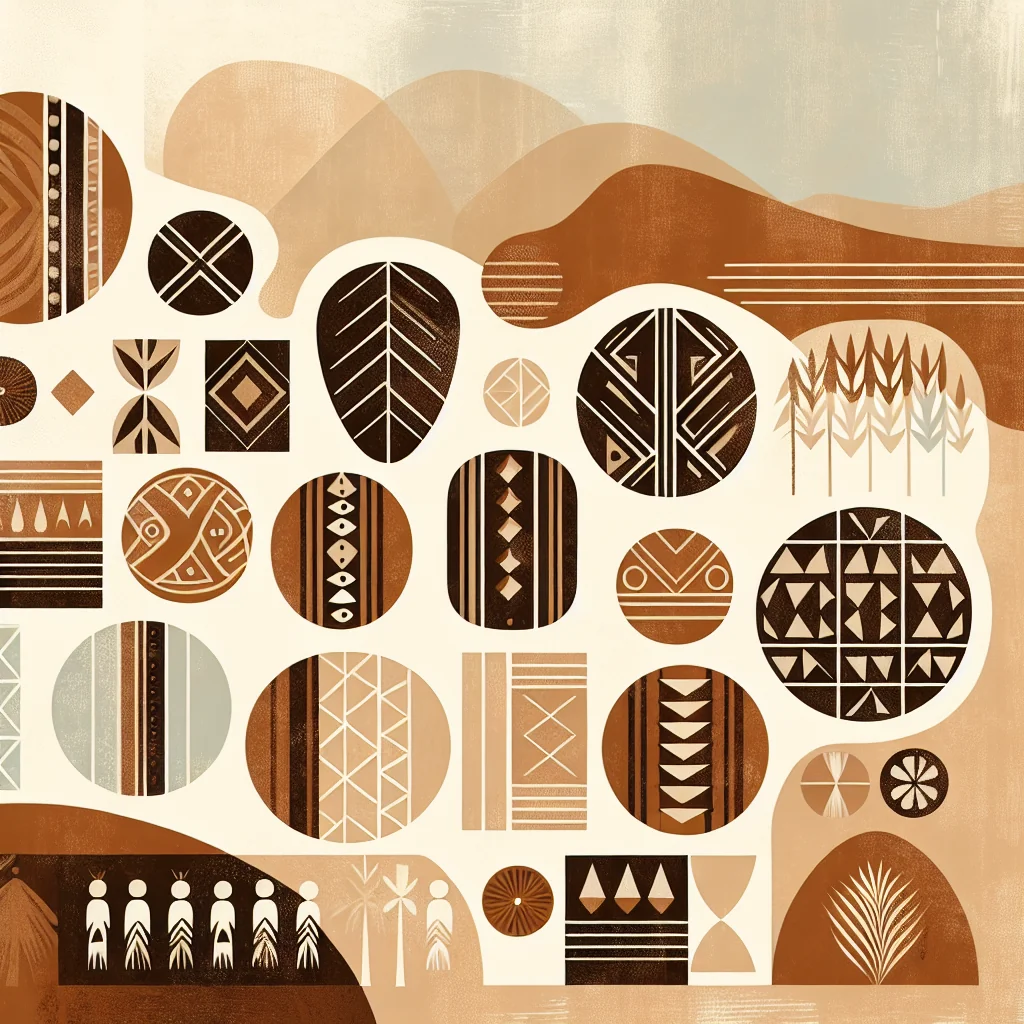
Chamorro art includes weaving, carving, and dance. Music often features traditional instruments like the belembaotuyan.
Cultural Symbols Motifs
Symbols such as the latte stone and slingstone are significant, representing strength and heritage.
What Brings Joy
Family gatherings, cultural festivals, and traditional dances bring joy and strengthen community bonds.
Celebrations Joyful Traditions
Festivals like Liberation Day and village fiestas are celebrated with music, dance, and feasting.
Cultural Calendar And Holidays
Key holidays include Liberation Day, Easter, and Christmas, often celebrated with both religious and cultural activities.
Additional Notes
Chamorro culture is vibrant and evolving, with efforts to preserve language and traditions amid modern influences.
Economic Context And Occupations
The economy is driven by tourism, military presence, and local industries. Traditional occupations include fishing and agriculture.
Housing And Living Arrangements
Housing varies from modern homes to traditional structures, often accommodating extended families.
Nutrition And Dietary Norms
Diet includes rice, seafood, and local fruits, with influences from Spanish and American cuisines.
Interpretation Needs
While many Chamorros speak English, interpretation may be needed for elders or in cultural contexts.
Interpreter Notes
Interpreters should be culturally sensitive and aware of Chamorro customs and language nuances.
Documentation Traditions
Oral traditions are strong, with storytelling and chants used to pass down history and values.
Interactions With Other Cultures
Chamorro culture has been influenced by Spanish, American, and other Pacific Islander cultures through trade and colonization.
Conflict Resolution Mechanisms
Conflict is often resolved through community dialogue and respect for elders' guidance.
Cultural Exchange Programs
Programs exist to promote cultural exchange with other Pacific Islander communities and the broader world.
Trade Relations
Historically, trade involved local goods like copra and fish, with modern trade focusing on tourism and imports.
Shared Artistic Projects
Artistic collaborations often occur with other Pacific cultures, highlighting shared heritage and creativity.
Intercultural Marriages
Intercultural marriages are common, reflecting the diverse influences on Chamorro society.
Shared Educational Initiatives
Educational initiatives often focus on cultural preservation and exchange with other indigenous communities.
Youth Perspectives
Chamorro youth are increasingly engaged in cultural preservation and modern advocacy, balancing tradition with global influences.
Education Initiatives
Initiatives focus on bilingual education and cultural studies to strengthen identity and heritage knowledge.
Future Challenges
Challenges include cultural preservation, economic opportunities, and environmental sustainability.
Youth Employment Trends
Youth employment is often in tourism, military, and service sectors, with growing interest in entrepreneurship.
Future Visions
Future visions include a sustainable economy, cultural revitalization, and increased political autonomy.
Youth Leadership Roles
Youth are taking on leadership roles in cultural organizations and community advocacy.
Innovation And Startups
There is a growing trend of startups focusing on technology, sustainability, and cultural products.
Festivals And Celebrations
Festivals celebrate historical events, religious occasions, and cultural heritage, often involving music, dance, and food.
Traditional Medicine Practices
Traditional medicine includes herbal remedies and spiritual healing, often practiced by suruhånu or suruhåna.
Environmental Practices
Environmental stewardship is important, with practices like sustainable fishing and land management.
Rituals
Rituals often involve respect for ancestors and nature, with practices like offering food and prayers.
Rites Of Passage
Rites of passage include ceremonies for birth, coming of age, and marriage, often involving community participation.
Culinary Traditions
Culinary traditions feature dishes like kelaguen and red rice, reflecting a blend of indigenous and colonial influences.
Climate Adaptation Strategies
Strategies include traditional knowledge of weather patterns and modern approaches to climate resilience.
Biodiversity Conservation
Conservation efforts focus on protecting native species and habitats, often involving community initiatives.
Sustainable Tourism Practices
Sustainable tourism is promoted to preserve natural and cultural resources while supporting the economy.
Renewable Energy Use
There is growing interest in renewable energy sources like solar and wind to reduce environmental impact.
Community Involvement In Practices
Community involvement is key in environmental and cultural practices, ensuring sustainability and resilience.
Environmental Education Programs
Programs aim to educate youth and the community about environmental stewardship and cultural heritage.
Notable Figures
Notable figures include political leaders, artists, and cultural advocates who have contributed to Chamorro identity and rights.
Cultural Innovations
Innovations include the revival of traditional arts and crafts, and the integration of modern and traditional practices.
Literary Works
Chamorro literature includes poetry, folklore, and modern writings that explore identity and history.
Architectural Styles
Architecture blends traditional designs like the latte stone with modern influences, reflecting cultural evolution.
Scientific Contributions
Contributions include research in marine biology and environmental science, often focusing on local ecosystems.
Culinary Innovations
Culinary innovations involve fusion cuisine that combines traditional Chamorro flavors with global influences.
Global Influence
Chamorro culture influences global perceptions of Pacific Islander identity and contributes to multicultural dialogues.
Awards And Recognition
Chamorro individuals and groups have received recognition for cultural preservation, arts, and community leadership.
Modern Influences
Modern influences include American pop culture, technology, and global media, impacting lifestyle and communication.
Digital Presence
Chamorro culture is increasingly represented online through social media, digital archives, and cultural websites.
Globalization Effects
Globalization brings both opportunities and challenges, influencing economic practices and cultural identity.
Urbanization Effects
Urbanization affects traditional lifestyles, with shifts towards modern housing and infrastructure.
Technology Adoption
Technology is widely adopted, with initiatives to integrate it into education and cultural preservation.
Hybrid Cultural Forms
Hybrid forms emerge in music, art, and cuisine, blending traditional and contemporary elements.
Social Media Presence
Social media is used to promote cultural events, share stories, and connect with the Chamorro diaspora.
Challenges
Challenges include cultural preservation, language revitalization, and balancing modernization with tradition.
Preservation Efforts
Efforts focus on language education, cultural festivals, and community programs to maintain Chamorro heritage.
Cultural Artwork
Community Discussion
Further Reading
Explore credible external sources to deepen your understanding of Chamorro culture.