

Breton
Brittany, France BretonFrench
The Breton culture is a unique blend of Celtic traditions and French influences, primarily found in the Brittany region of France.
Historical Context
The Breton people are descendants of Celtic tribes who migrated from Great Britain to Armorica (modern-day Brittany) during the early Middle Ages.
Migration Patterns
Significant migration from Great Britain to Brittany occurred during the 5th and 6th centuries due to Anglo-Saxon invasions.
Conflict And Resilience History
Breton culture has survived numerous challenges, including French centralization efforts and language suppression, maintaining a strong regional identity.
Diaspora Perspectives
Breton diaspora communities exist in parts of France and other countries, maintaining cultural ties through festivals and language preservation.
Regional Variations
Cultural practices can vary between Upper and Lower Brittany, with differences in language usage and traditional customs.
Bridging Notes
Efforts to bridge Breton and French cultures include bilingual education and cultural festivals celebrating both identities.
Spiritual And Religious Practices
Breton culture has a strong Catholic influence, with a rich tradition of saints and religious festivals.
Beliefs And Worldview
Bretons value community, tradition, and a connection to their Celtic heritage, often expressed through music and storytelling.
Cultural Proverbs Sayings
Breton proverbs often reflect themes of resilience, nature, and the sea, such as 'An hini a gar an douar, a gar ar bobl' (He who loves the land, loves the people).
Naming Conventions And Terms Of Address
Traditional Breton names are often derived from saints or Celtic origins, and terms of address reflect respect and familial ties.
Health And Mental Health
Traditional health practices include herbal remedies and a focus on community support systems.
Mental Health Views
Mental health is often approached with a community-centric perspective, emphasizing support from family and friends.
Traditional Healers
Historically, local healers known as 'druids' or herbalists played a role in community health.
Gender Roles In Healthcare
Traditional gender roles have influenced healthcare practices, though modern shifts are occurring towards more equality.
Healthcare Barriers
Language barriers can exist for Breton speakers in accessing healthcare services primarily offered in French.
Education And Learning Styles
Breton education emphasizes bilingualism, with schools teaching both Breton and French languages.
Learning Styles
Learning often incorporates oral traditions, storytelling, and music, reflecting the cultural emphasis on these forms.
Parental Engagement
Parents are actively involved in cultural education, often participating in community events and language preservation efforts.
Family And Social Structure
Breton society values extended family networks and community involvement, with a strong sense of regional identity.
Discipline And Behavior
Discipline is often community-oriented, with an emphasis on respect for elders and cultural traditions.
Authority Attitudes
There is a historical skepticism towards centralized authority, with a preference for local governance and autonomy.
Etiquette And Customs
Breton customs include greeting with a kiss on the cheek and a strong emphasis on hospitality and communal gatherings.
Community Strengths Resilience
The Breton community is known for its resilience, maintaining cultural practices and language despite external pressures.
Art Music And Expression
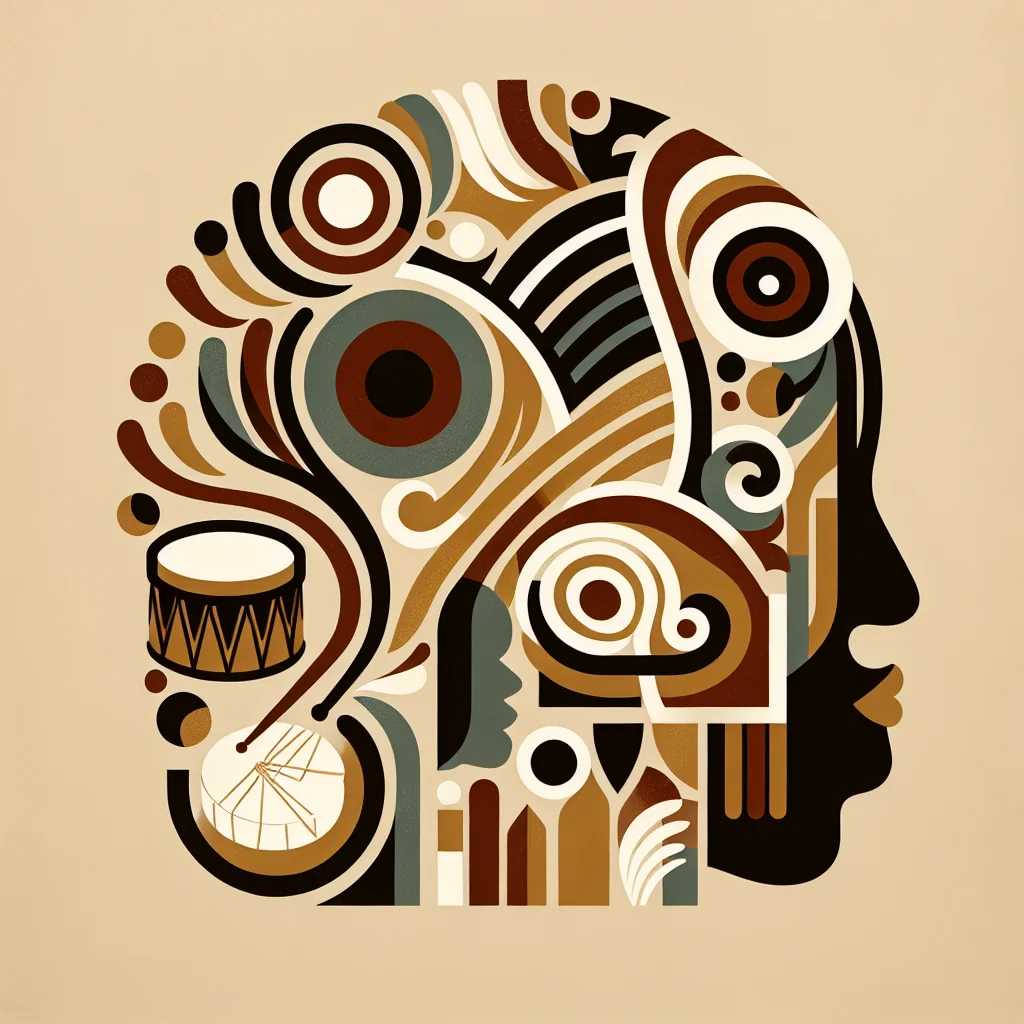
Breton culture is rich in music and dance, with traditional instruments like the bombarde and bagpipes being central to cultural expression.
Cultural Symbols Motifs
Symbols such as the triskelion and ermine are significant in Breton art and heraldry.
What Brings Joy
Music, dance, and communal festivals bring joy to the Breton people, fostering a sense of community and cultural pride.
Celebrations Joyful Traditions
Festivals like Fest-Noz celebrate Breton music and dance, bringing communities together in joyful expression.
Cultural Calendar And Holidays
Breton holidays often coincide with Catholic feast days, as well as unique regional celebrations like the Pardon festivals.
Additional Notes
Breton culture has a strong oral tradition, with storytelling and folklore playing a significant role in cultural expression.
Economic Context And Occupations
Historically, Bretons have been involved in agriculture, fishing, and maritime industries, with modern shifts towards tourism and technology.
Housing And Living Arrangements
Traditional Breton housing includes stone cottages, with modern adaptations in urban areas.
Nutrition And Dietary Norms
Breton cuisine features seafood, crepes, and cider, reflecting the region's coastal geography and agricultural heritage.
Interpretation Needs
Breton speakers may require interpretation services in healthcare and legal contexts where French is predominantly used.
Interpreter Notes
Interpreters should be aware of regional dialects and cultural nuances when working with Breton speakers.
Documentation Traditions
Breton culture has a strong oral tradition, though efforts are being made to document language and folklore in written form.
Interactions With Other Cultures
Breton culture interacts with other Celtic cultures through festivals and cultural exchanges, fostering a sense of shared heritage.
Conflict Resolution Mechanisms
Community gatherings and local councils often play a role in resolving conflicts, emphasizing dialogue and consensus.
Cultural Exchange Programs
Programs exist to promote cultural exchange between Brittany and other Celtic regions, enhancing mutual understanding and collaboration.
Trade Relations
Historically, Brittany engaged in maritime trade, with modern economic ties extending throughout France and Europe.
Shared Artistic Projects
Breton artists collaborate with other Celtic and French artists, producing works that celebrate shared cultural themes.
Intercultural Marriages
Intercultural marriages are common, reflecting the blending of Breton and French cultural identities.
Shared Educational Initiatives
Educational initiatives often focus on bilingualism and cultural preservation, involving collaboration with other regions.
Youth Perspectives
Breton youth are increasingly engaged in cultural preservation, balancing modern influences with traditional values.
Education Initiatives
Initiatives focus on bilingual education and cultural heritage, encouraging youth to learn and use the Breton language.
Future Challenges
Challenges include language preservation and economic opportunities, as youth navigate a globalized world.
Youth Employment Trends
Youth employment is shifting towards technology and tourism, with efforts to retain talent within the region.
Future Visions
Future visions include a vibrant cultural identity that embraces both tradition and modernity, with sustainable development.
Youth Leadership Roles
Youth are taking on leadership roles in cultural organizations, driving initiatives for language and cultural preservation.
Innovation And Startups
Breton youth are involved in startups focusing on technology, sustainable practices, and cultural tourism.
Festivals And Celebrations
Festivals like the Interceltic Festival of Lorient celebrate Breton and Celtic culture, attracting international visitors.
Traditional Medicine Practices
Herbal remedies and traditional healing practices are part of Breton cultural heritage, though less common today.
Environmental Practices
Bretons have a strong connection to the land and sea, with practices emphasizing sustainability and conservation.
Rituals
Rituals often involve community gatherings, music, and dance, celebrating seasonal changes and religious events.
Rites Of Passage
Rites of passage include religious ceremonies like baptisms and confirmations, as well as community celebrations.
Culinary Traditions
Breton cuisine is known for its use of local ingredients, with dishes like galettes and kouign-amann being iconic.
Climate Adaptation Strategies
Efforts are being made to adapt to climate change, focusing on coastal protection and sustainable agriculture.
Biodiversity Conservation
Conservation efforts focus on preserving the unique biodiversity of Brittany's coastal and rural landscapes.
Sustainable Tourism Practices
Sustainable tourism initiatives aim to balance cultural preservation with economic development, promoting eco-friendly practices.
Renewable Energy Use
Brittany is investing in renewable energy, including wind and tidal power, to reduce environmental impact.
Community Involvement In Practices
Community involvement is key in environmental and cultural practices, with local organizations leading initiatives.
Environmental Education Programs
Programs focus on educating youth about environmental stewardship and the importance of cultural heritage.
Notable Figures
Notable Bretons include writer Pierre-Jakez Hélias and musician Alan Stivell, who have contributed to cultural preservation.
Cultural Innovations
Breton culture has innovated in music and dance, influencing Celtic music worldwide.
Literary Works
Breton literature includes works in both Breton and French, often exploring themes of identity and heritage.
Architectural Styles
Breton architecture features distinct stone buildings and churches, reflecting both Celtic and medieval influences.
Scientific Contributions
Bretons have contributed to marine sciences and environmental research, reflecting the region's maritime heritage.
Culinary Innovations
Breton culinary innovations include the popularization of crepes and cider, now enjoyed globally.
Global Influence
Breton culture has influenced global Celtic music and dance, with festivals and artists gaining international recognition.
Awards And Recognition
Breton artists and cultural figures have received awards for their contributions to music, literature, and cultural preservation.
Modern Influences
Modern influences include globalization and digital technology, impacting cultural practices and communication.
Digital Presence
Breton culture has a growing digital presence, with online platforms promoting language learning and cultural events.
Globalization Effects
Globalization presents challenges and opportunities, with efforts to maintain cultural identity amidst broader influences.
Urbanization Effects
Urbanization is leading to cultural shifts, with younger generations balancing traditional and modern lifestyles.
Technology Adoption
Technology is being adopted in cultural preservation efforts, including digital archives and online language courses.
Hybrid Cultural Forms
Hybrid cultural forms are emerging, blending traditional Breton elements with contemporary influences.
Social Media Presence
Social media is used to promote Breton culture, connect communities, and engage youth in cultural activities.
Challenges
Challenges include language preservation, economic development, and maintaining cultural identity in a globalized world.
Preservation Efforts
Preservation efforts focus on language revitalization, cultural festivals, and education programs to sustain Breton heritage.
Cultural Artwork
Community Discussion
Further Reading
Explore credible external sources to deepen your understanding of Breton culture.