

Votic
Ingria, Russia VoticRussian
The Votic culture is one of the indigenous Finno-Ugric cultures of the Baltic region, primarily located in the Ingria area of Russia. It is characterized by its unique language, traditions, and historical resilience.
Historical Context
The Votic people have inhabited the region of Ingria for centuries, with their presence documented as early as the 13th century. They have historically been influenced by neighboring cultures, including the Russians, Swedes, and Finns.
Migration Patterns
Historically, the Votic people have remained largely in their native region of Ingria, though some migration occurred due to political pressures and economic opportunities.
Conflict And Resilience History
The Votic culture has faced numerous challenges, including forced assimilation policies during the Soviet era, which led to a decline in cultural practices and language use.
Diaspora Perspectives
There is limited Votic diaspora, with most cultural preservation efforts focused within their native region.
Regional Variations
There are minor dialectal differences within the Votic language, influenced by proximity to Russian and Estonian-speaking areas.
Bridging Notes
Efforts to bridge cultural gaps include language revitalization programs and cultural festivals celebrating Votic heritage.
Spiritual And Religious Practices
Traditionally, the Votic people practiced a form of animism, with a strong connection to nature. Over time, many have adopted Christianity, primarily Eastern Orthodoxy.
Beliefs And Worldview
The Votic worldview is deeply connected to the natural environment, with a strong emphasis on community and tradition.
Cultural Proverbs Sayings
Votic proverbs often reflect themes of nature, resilience, and community.
Naming Conventions And Terms Of Address
Votic naming conventions traditionally include a given name followed by a patronymic, reflecting family lineage.
Health And Mental Health
Access to healthcare can be limited in rural Votic areas, with traditional practices often supplementing modern medicine.
Mental Health Views
Mental health is traditionally viewed through a communal lens, with support often sought from family and community.
Traditional Healers
Traditional healers, known as 'tietäjät', play a role in Votic health practices, using herbal remedies and spiritual guidance.
Gender Roles In Healthcare
Healthcare roles are traditionally gendered, with women often serving as primary caregivers within families.
Healthcare Barriers
Barriers include geographic isolation, language differences, and limited access to culturally sensitive healthcare services.
Education And Learning Styles
Education in Votic communities emphasizes oral traditions and practical skills, with formal education often conducted in Russian.
Learning Styles
Learning is often experiential, with a focus on storytelling and hands-on activities.
Parental Engagement
Parents are highly involved in their children's education, often passing down cultural knowledge and skills.
Family And Social Structure
Votic society is traditionally organized around extended family units, with strong kinship ties.
Discipline And Behavior
Discipline is community-oriented, with an emphasis on maintaining harmony and respect within the group.
Authority Attitudes
Respect for elders and community leaders is a central value, with decisions often made collectively.
Etiquette And Customs
Customs include traditional greetings, communal meals, and participation in cultural festivals.
Community Strengths Resilience
The Votic community is known for its resilience, maintaining cultural practices despite external pressures.
Art Music And Expression
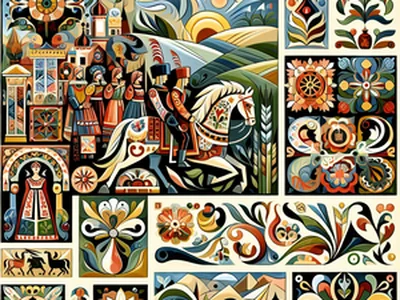
Votic art includes traditional crafts, such as weaving and embroidery, while music features folk songs and dances.
Cultural Symbols Motifs
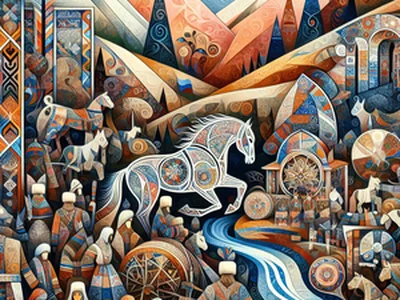
Common motifs include natural elements like trees and animals, reflecting the Votic connection to nature.
What Brings Joy
Community gatherings, storytelling, and music are central to Votic expressions of joy.
Celebrations Joyful Traditions
Festivals such as the Votic Day celebrate cultural heritage with music, dance, and traditional foods.
Cultural Calendar And Holidays
The Votic calendar includes traditional celebrations tied to the agricultural cycle and Christian holidays.
Additional Notes
Efforts to preserve Votic culture include documenting traditional songs and dances.
Economic Context And Occupations
The Votic economy is traditionally based on agriculture, fishing, and forestry, with some modern diversification.
Housing And Living Arrangements
Housing is typically rural, with family homes often passed down through generations.
Nutrition And Dietary Norms
The Votic diet includes locally sourced foods, such as fish, berries, and grains, with an emphasis on seasonal eating.
Interpretation Needs
Votic speakers may require interpretation services in Russian-dominated areas, especially for older generations.
Interpreter Notes
Interpreters should be aware of cultural nuances and the potential for dialectal variations.
Documentation Traditions
Votic culture has a strong oral tradition, with recent efforts to document language and stories in written form.
Interactions With Other Cultures
The Votic people have historically interacted with neighboring Russian, Estonian, and Finnish cultures, leading to cultural exchanges.
Conflict Resolution Mechanisms
Conflict resolution is typically handled through community discussion and consensus-building.
Cultural Exchange Programs
There are initiatives to promote cultural exchange with other Finno-Ugric groups, fostering mutual understanding.
Trade Relations
Historically, trade involved agricultural products and crafts, with modern trade focusing on regional goods.
Shared Artistic Projects
Collaborative projects with other Finno-Ugric artists help preserve and promote Votic cultural expressions.
Intercultural Marriages
Intercultural marriages are not uncommon, reflecting historical interactions with neighboring cultures.
Shared Educational Initiatives
Educational programs often include elements of Votic culture, promoting awareness and preservation.
Youth Perspectives
Votic youth are increasingly engaged in cultural preservation efforts, balancing modern influences with traditional values.
Education Initiatives
Initiatives focus on teaching the Votic language and cultural practices to younger generations.
Future Challenges
Challenges include cultural assimilation, language preservation, and economic opportunities in rural areas.
Youth Employment Trends
Employment trends show a shift towards service industries and technology, alongside traditional occupations.
Future Visions
The Votic community envisions a future where cultural heritage is preserved and integrated with modern life.
Youth Leadership Roles
Youth are taking on leadership roles in cultural organizations and community projects.
Innovation And Startups
There is growing interest in startups that leverage traditional knowledge and modern technology.
Festivals And Celebrations
Festivals celebrate seasonal changes and historical events, with music, dance, and traditional foods.
Traditional Medicine Practices
Herbal remedies and spiritual healing are part of traditional Votic medicine.
Environmental Practices
Sustainable practices are integral, with a focus on maintaining harmony with nature.
Rituals
Rituals often mark life events, such as births and marriages, with community participation.
Rites Of Passage
Rites of passage include ceremonies for coming of age and other significant life transitions.
Culinary Traditions
Culinary traditions emphasize local ingredients and seasonal dishes, with recipes passed down through generations.
Climate Adaptation Strategies
Adaptation strategies include traditional knowledge of weather patterns and sustainable resource use.
Biodiversity Conservation
Conservation efforts focus on preserving local flora and fauna, integral to Votic cultural identity.
Sustainable Tourism Practices
Tourism initiatives promote cultural heritage while ensuring environmental sustainability.
Renewable Energy Use
There is interest in renewable energy, aligning with traditional values of environmental stewardship.
Community Involvement In Practices
Community involvement is key in environmental and cultural preservation efforts.
Environmental Education Programs
Programs aim to educate both locals and visitors about Votic environmental practices and values.
Notable Figures
Notable figures include cultural leaders and activists working to preserve the Votic language and traditions.
Cultural Innovations
Innovations include the revival of traditional crafts and the integration of modern technology in cultural preservation.
Literary Works
Literary works often focus on folklore and oral traditions, with recent efforts to publish in the Votic language.
Architectural Styles
Traditional Votic architecture includes wooden structures with intricate carvings and designs.
Scientific Contributions
Contributions are primarily in ethnographic and linguistic research, documenting Votic culture and language.
Culinary Innovations
Culinary innovations involve modern interpretations of traditional dishes, promoting Votic cuisine.
Global Influence
The Votic culture has influenced neighboring regions through shared traditions and cultural exchanges.
Awards And Recognition
Recognition includes awards for cultural preservation and contributions to Finno-Ugric heritage.
Modern Influences
Modern influences include technology and media, impacting how Votic culture is practiced and shared.
Digital Presence
Digital platforms are increasingly used to promote Votic language and culture, reaching a wider audience.
Globalization Effects
Globalization presents both challenges and opportunities for cultural preservation and exchange.
Urbanization Effects
Urbanization has led to shifts in traditional lifestyles, with some Votic people moving to urban areas for opportunities.
Technology Adoption
Technology is being adopted to document and share Votic cultural practices, aiding in preservation efforts.
Hybrid Cultural Forms
Hybrid forms emerge as traditional Votic elements blend with modern influences, creating new cultural expressions.
Social Media Presence
Social media is used to connect Votic communities and promote cultural events and initiatives.
Challenges
Challenges include language endangerment, cultural assimilation, and economic pressures in rural areas.
Preservation Efforts
Efforts focus on language revitalization, cultural documentation, and community engagement to preserve Votic heritage.
Cultural Artwork
Community Discussion
Further Reading
Explore credible external sources to deepen your understanding of Votic culture.