
Teleuts
Southern Siberia, Russia TeleutRussian
The Teleuts are a small ethnic group living in the Altai Mountains of southern Siberia, Russia.
Historical Context
The Teleuts have a long history in the Altai Mountains, with archaeological evidence dating back to the Bronze Age.
Migration Patterns
Teleuts migrated from Mongolia to southern Siberia around the 13th century, influenced by Genghis Khan's conquests.
Conflict And Resilience History
The Teleuts have faced numerous challenges, including Soviet collectivization policies and modern-day economic pressures.
Diaspora Perspectives
Many Teleuts have migrated to urban areas in search of better economic opportunities, leading to a loss of traditional skills and cultural practices.
Regional Variations
Teleut culture has regional variations depending on the specific location within southern Siberia.
Spiritual And Religious Practices
The Teleuts are predominantly shamanistic, with a strong emphasis on animism and ancestor worship.
Beliefs And Worldview
Teleut worldview is centered around the concept of 'tengri,' or the divine power that governs the universe.
Cultural Proverbs Sayings
Examples include: 'Tengri's will is not to be questioned' and 'The land provides for those who respect it.'
Health And Mental Health
Traditional Teleut medicine emphasizes holistic approaches, including herbal remedies and spiritual healing.
Mental Health Views
Teleuts view mental health as closely tied to physical well-being and the balance of nature.
Traditional Healers
Respected elder healers play a crucial role in maintaining community health and providing spiritual guidance.
Gender Roles In Healthcare
Women often take on primary caregiving roles, while men focus on hunting and animal husbandry.
Healthcare Barriers
Limited access to modern healthcare facilities and services remains a significant challenge for the Teleuts.
Education And Learning Styles
Teleut education emphasizes hands-on learning, with an emphasis on practical skills and community involvement.
Learning Styles
Children learn through observation, imitation, and participation in daily activities.
Parental Engagement
Parents actively participate in their children's education, often involving them in traditional crafts and hunting practices.
Family And Social Structure
Teleut society is organized around extended family units, with a strong emphasis on kinship ties and community cooperation.
Discipline And Behavior
Children are taught discipline and responsibility through hands-on learning and participation in community activities.
Authority Attitudes
Respected elders hold positions of authority, guiding the community through shared decision-making processes.
Etiquette And Customs
Teleuts place great importance on hospitality, respect for elders, and reciprocity within the community.
Community Strengths Resilience
The Teleut community is known for its strong social bonds, adaptability, and resilience in the face of adversity.
Art Music And Expression
Teleut art often incorporates natural materials, such as wood, stone, and animal hides.
Cultural Symbols Motifs
Examples include: the 'tengri' symbol (representing divine power) and the 'khara' motif (depicting a mythical creature).
What Brings Joy
Teleuts find joy in traditional activities like hunting, gathering, and handicrafts.
Celebrations Joyful Traditions
The Teleuts celebrate the summer solstice with a grand festival, featuring music, dance, and feasting.
Cultural Calendar And Holidays
Key dates include: the spring equinox ( renewal of life), the summer solstice (festival of light), and the autumnal equinox (harvest celebration).
Economic Context And Occupations
Teleuts engage in subsistence agriculture, animal husbandry, and handicrafts.
Housing And Living Arrangements
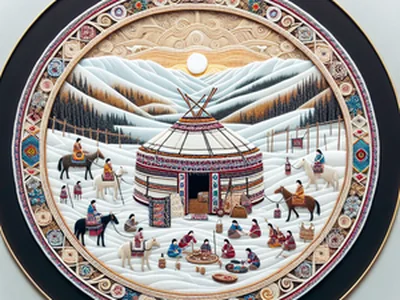
Traditional Teleut dwellings are made from natural materials like wood, stone, and animal hides.
Nutrition And Dietary Norms
The Teleuts follow a traditional diet based on locally available foods, including meat, fish, fruits, and vegetables.
Interpretation Needs
Teleut language is not widely spoken outside of the community; interpretation services are often required for external interactions.
Interpreter Notes
Interpreters may be needed to facilitate communication between Teleuts and outsiders, particularly in official settings.
Documentation Traditions
Teleut oral traditions emphasize storytelling and passing down knowledge through generations.
Interactions With Other Cultures
Teleuts have interactions with neighboring ethnic groups, such as the Altaians and Khakas.
Conflict Resolution Mechanisms
Disputes are often resolved through mediation by respected elders or community leaders.
Cultural Exchange Programs
The Teleuts participate in cultural exchange programs with other Siberian communities to promote mutual understanding and cooperation.
Trade Relations
Teleuts engage in trade with neighboring communities, exchanging goods like handicrafts, textiles, and animal products.
Shared Artistic Projects
The Teleuts collaborate on artistic projects with other Siberian communities, such as music, dance, or visual arts.
Intercultural Marriages
Intermarriage between Teleuts and other ethnic groups is common, promoting cultural exchange and understanding.
Shared Educational Initiatives
Teleut schools often partner with neighboring communities to develop shared educational programs and materials.
Youth Perspectives
Young Teleuts are increasingly interested in modern education and economic opportunities, while still valuing traditional skills and cultural practices.
Education Initiatives
The Teleut community has initiated programs to promote education and vocational training for young people.
Future Challenges
The Teleuts face challenges related to climate change, economic development, and cultural preservation in the face of modernization.
Youth Employment Trends
Young Teleuts are increasingly seeking employment in urban areas or pursuing entrepreneurial ventures.
Future Visions
Community members envision a future where they can balance traditional practices with modern opportunities for education and economic growth.
Youth Leadership Roles
Young Teleuts are taking on leadership roles within the community, promoting innovation and progress.
Innovation And Startups
The Teleut community is exploring innovative approaches to sustainable development, such as eco-tourism and renewable energy.
Festivals And Celebrations
The Teleuts celebrate the summer solstice with a grand festival, featuring music, dance, and feasting.
Traditional Medicine Practices
Teleut traditional medicine emphasizes holistic approaches, including herbal remedies and spiritual healing.
Environmental Practices
The Teleuts have developed sustainable practices for hunting, gathering, and agriculture, respecting the balance of nature.
Rituals
Community members participate in various rituals to honor ancestors, ensure fertility, and promote balance within nature.
Rites Of Passage
The Teleuts have specific rituals for important life events, like birth, coming of age, and marriage.
Culinary Traditions
The Teleuts follow a traditional diet based on locally available foods, including meat, fish, fruits, and vegetables.
Climate Adaptation Strategies
Community members are adapting to climate change by implementing innovative agricultural techniques and renewable energy systems.
Biodiversity Conservation
The Teleuts actively work to conserve biodiversity through community-led conservation efforts and environmental education programs.
Sustainable Tourism Practices
Teleut communities are developing sustainable tourism initiatives that respect local traditions and the environment.
Renewable Energy Use
Teleut communities are increasingly adopting renewable energy sources, such as solar and wind power.
Community Involvement In Practices
Teleut community members actively participate in environmental conservation efforts, such as reforestation and wildlife protection.
Environmental Education Programs
Community-led programs promote environmental education and awareness among young people.
Notable Figures
Notable figures include: respected elder healers, skilled artisans, and innovative entrepreneurs.
Cultural Innovations
Teleut innovations include: traditional medicine practices, sustainable agriculture techniques, and eco-tourism initiatives.
Literary Works
Examples of Teleut literature include: oral stories, songs, and poetry that reflect their cultural heritage.
Architectural Styles
Traditional Teleut dwellings are made from natural materials like wood, stone, and animal hides.
Scientific Contributions
Teleuts have contributed to scientific understanding through their traditional knowledge of medicine, agriculture, and environmental conservation.
Culinary Innovations
The Teleuts have developed unique culinary traditions that reflect their cultural heritage and adaptability.
Global Influence
Teleut culture has influenced neighboring communities through trade, intermarriage, and cultural exchange programs.
Modern Influences
Modern influences include: education, technology, and urbanization, which have shaped Teleut culture and traditions.
Digital Presence
The Teleuts have a growing digital presence, with some community members using social media to promote their culture and traditions.
Globalization Effects
Globalization has brought economic opportunities but also challenges traditional practices and cultural identity.
Urbanization Effects
Urbanization has led to changes in lifestyle, economic opportunities, and cultural identity among the Teleuts.
Technology Adoption
The Teleuts are adopting modern technologies like renewable energy systems, solar panels, and digital tools for education and communication.
Hybrid Cultural Forms
Teleut communities are developing hybrid cultural forms that blend traditional practices with modern influences.
Social Media Presence
Community members use social media to share their experiences, promote cultural exchange, and preserve traditional knowledge.
Challenges
The Teleuts face challenges related to climate change, economic development, and cultural preservation in the face of modernization.
Preservation Efforts
Community-led initiatives focus on preserving traditional practices, promoting environmental conservation, and developing sustainable tourism.
Cultural Artwork
Community Discussion
Further Reading
Explore credible external sources to deepen your understanding of Teleuts culture.