
Tajikistan
Central Asia TajikRussian
The Tajik people have a rich cultural heritage, with a strong emphasis on hospitality and respect for elders.
Historical Context
Tajikistan has a complex history, with various empires and dynasties rising and falling over the centuries.
Migration Patterns
The Tajiks have migrated to various parts of Central Asia and beyond, influencing local cultures and traditions.
Conflict And Resilience History
Tajikistan has experienced periods of conflict and instability, but its people have shown remarkable resilience and adaptability.
Diaspora Perspectives
The Tajik diaspora is scattered across the world, with communities in Russia, Europe, and North America.
Regional Variations
There are regional variations within Tajikistan, with different dialects and customs in different areas.
Spiritual And Religious Practices
The majority of Tajiks are Sunni Muslims, with a strong emphasis on prayer, fasting, and charity.
Beliefs And Worldview
Tajik culture is deeply rooted in Islamic values, with a focus on community, respect for elders, and hospitality.
Cultural Proverbs Sayings
Some common proverbs include 'Khushkun' (happiness) and 'Safar' (journey).
Naming Conventions And Terms Of Address
Tajiks use a patronymic naming system, with names based on the father's name.
Health And Mental Health
Mental health is not widely discussed in Tajik culture, but there is an increasing awareness of its importance.
Mental Health Views
Traditional healers often focus on spiritual and emotional causes of illness rather than physical ones.
Traditional Healers
Traditional healers use a combination of herbal remedies, prayer, and spiritual practices to treat illnesses.
Gender Roles In Healthcare
Women play a significant role in healthcare, particularly in rural areas where they may be the primary caregivers.
Healthcare Barriers
Limited access to healthcare services, particularly in rural areas, is a major challenge.
Education And Learning Styles
Tajik education emphasizes rote memorization and respect for authority.
Learning Styles
Students are expected to be passive learners, with teachers holding significant authority.
Parental Engagement
Parents play an active role in their children's education, often helping with homework and encouraging academic achievement.
Family And Social Structure
Tajik society is patriarchal, with men holding significant power and influence.
Discipline And Behavior
Children are expected to be obedient and respectful to elders, with corporal punishment used in some cases.
Authority Attitudes
Authority figures, such as teachers and government officials, are highly respected and obeyed.
Etiquette And Customs
Tajiks place a strong emphasis on hospitality, with guests often receiving food, drink, and shelter.
Community Strengths Resilience
Community cohesion and social support are key strengths of Tajik culture.
Art Music And Expression
Traditional music and dance, such as the 'Tajik Tanbur', are highly valued in Tajik culture.
Cultural Symbols Motifs
The pomegranate is a symbol of fertility and abundance in Tajik culture.
What Brings Joy
Music, dance, and storytelling bring joy to Tajiks.
Celebrations Joyful Traditions
The Nowruz (New Year) celebration is an important tradition in Tajikistan.
Cultural Calendar And Holidays
Tajiks celebrate various holidays, including Eid al-Fitr and Eid al-Adha.
Economic Context And Occupations
Agriculture is a significant sector in Tajikistan's economy, with many people employed in farming or related industries.
Housing And Living Arrangements
Housing is often simple and functional, with an emphasis on family and community ties.
Nutrition And Dietary Norms
Traditional Tajik cuisine emphasizes meat, bread, and vegetables, with a focus on hospitality and sharing food with guests.
Interpretation Needs
Interpreters may be needed for official business or in situations where language barriers exist.
Interpreter Notes
Interpreters should be familiar with local customs and cultural norms to provide accurate interpretation.
Documentation Traditions
Documentation is often oral, with stories and traditions passed down through generations.
Interactions With Other Cultures
Tajiks have interacted with various cultures, including Russian, Uzbek, and Kyrgyz.
Conflict Resolution Mechanisms
Traditional conflict resolution mechanisms include mediation and arbitration.
Cultural Exchange Programs
Cultural exchange programs exist between Tajikistan and other countries in Central Asia.
Trade Relations
Tajikistan has trade relations with various countries, including Russia and China.
Shared Artistic Projects
Tajiks have collaborated on artistic projects with other cultures, such as music and dance performances.
Intercultural Marriages
Intercultural marriages are common in Tajikistan, particularly between Tajiks and Russians.
Shared Educational Initiatives
Shared educational initiatives exist between Tajikistan and other countries in Central Asia.
Youth Perspectives
Youth in Tajikistan face challenges such as limited access to education and job opportunities.
Education Initiatives
Education initiatives focus on improving literacy rates and providing vocational training.
Future Challenges
Tajikistan faces challenges such as climate change, poverty, and limited economic development.
Youth Employment Trends
Youth employment trends show a shift towards service-oriented industries.
Future Visions
Future visions for Tajikistan include increased economic development, improved education, and enhanced cultural preservation.
Youth Leadership Roles
Youth leadership roles are increasingly important in Tajik society, with young people taking on more responsibilities.
Innovation And Startups
Innovation and startups are emerging in Tajikistan, particularly in the tech sector.
Festivals And Celebrations
Festivals such as Nowruz (New Year) and Eid al-Fitr are important cultural events.
Traditional Medicine Practices
Traditional medicine practices include herbal remedies and spiritual healing.
Environmental Practices
Environmental practices focus on sustainable agriculture, water conservation, and waste management.
Rituals
Rituals such as prayer and fasting are an integral part of Tajik culture.
Rites Of Passage
Rites of passage include traditional weddings, circumcisions, and funerals.
Culinary Traditions
Culinary traditions emphasize meat, bread, and vegetables, with a focus on hospitality and sharing food with guests.
Climate Adaptation Strategies
Climate adaptation strategies include sustainable agriculture, water conservation, and renewable energy use.
Biodiversity Conservation
Biodiversity conservation efforts focus on protecting endangered species and preserving natural habitats.
Sustainable Tourism Practices
Sustainable tourism practices emphasize responsible travel, cultural preservation, and community engagement.
Renewable Energy Use
Renewable energy use is increasing in Tajikistan, particularly in the form of solar and wind power.
Community Involvement In Practices
Community involvement in environmental practices is essential for long-term sustainability.
Environmental Education Programs
Environmental education programs focus on raising awareness about climate change, conservation, and sustainable development.
Notable Figures
Notable figures include the poet and writer Mirzo Tursunzoda and the musician and composer Abdurahmon Juraev.
Cultural Innovations
Cultural innovations include traditional music, dance, and handicrafts.
Literary Works
Literary works such as poetry and fiction are highly valued in Tajik culture.
Architectural Styles
Architectural styles include traditional mud-brick houses and modern buildings inspired by Islamic architecture.
Scientific Contributions
Scientific contributions include research on agriculture, water management, and renewable energy.
Culinary Innovations
Culinary innovations include traditional dishes such as plov (pilaf) and shurpa (soup).
Global Influence
Tajik culture has influenced other cultures in Central Asia, particularly through trade and migration.
Awards And Recognition
Awards and recognition for Tajikistan include the UNESCO World Heritage designation for the city of Penjikent.
Modern Influences
Modern influences on Tajik culture include globalization, urbanization, and technology adoption.
Digital Presence
Tajiks are increasingly active online, with social media platforms such as Facebook and Instagram gaining popularity.
Globalization Effects
Globalization has led to increased economic development, cultural exchange, and access to education and healthcare.
Urbanization Effects
Urbanization has led to changes in lifestyle, culture, and economy, particularly in cities like Dushanbe.
Technology Adoption
Technology adoption is increasing in Tajikistan, with a focus on e-government services, online education, and digital payments.
Hybrid Cultural Forms
Hybrid cultural forms include fusion music, dance, and art that blend traditional and modern styles.
Social Media Presence
Social media presence is growing among Tajiks, particularly among young people.
Challenges
Challenges facing Tajik culture include poverty, limited access to education and healthcare, and environmental degradation.
Preservation Efforts
Preservation efforts focus on protecting cultural heritage sites, promoting traditional practices, and supporting local artisans.
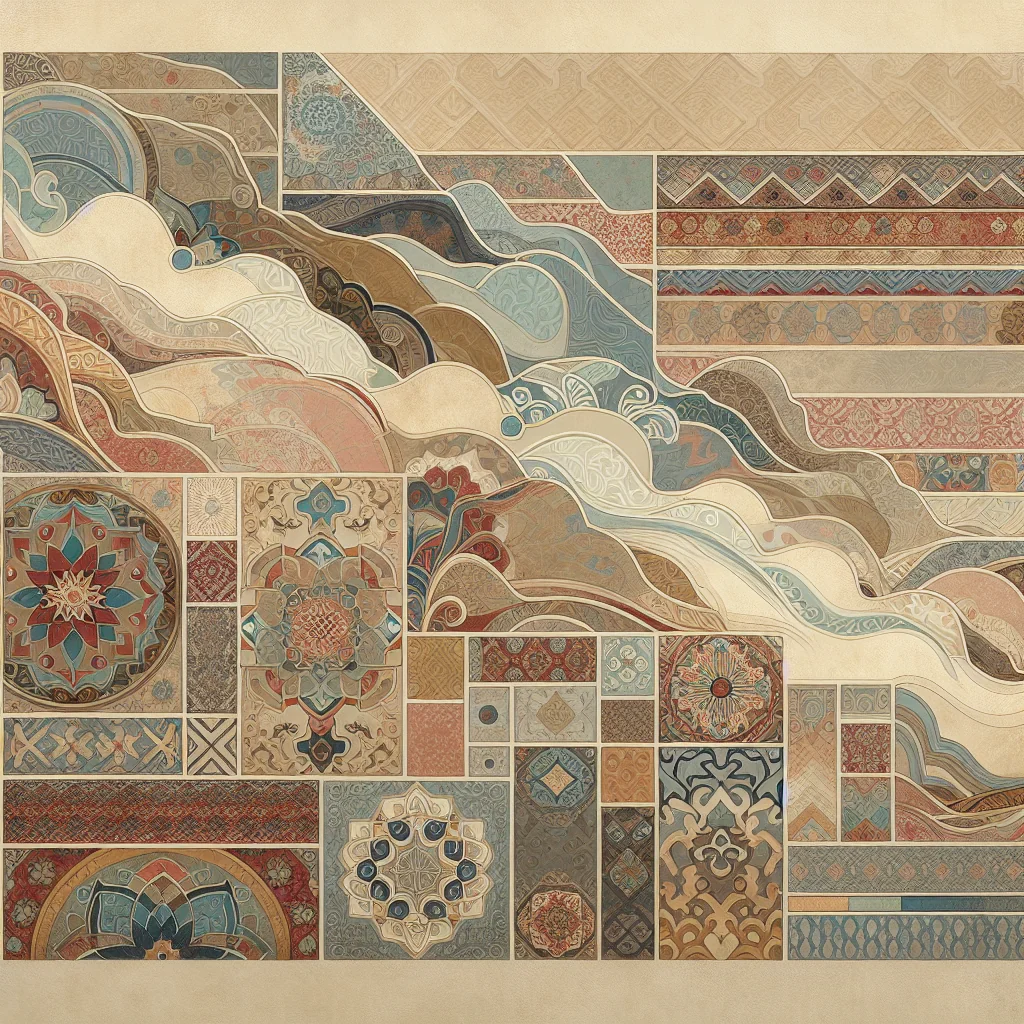
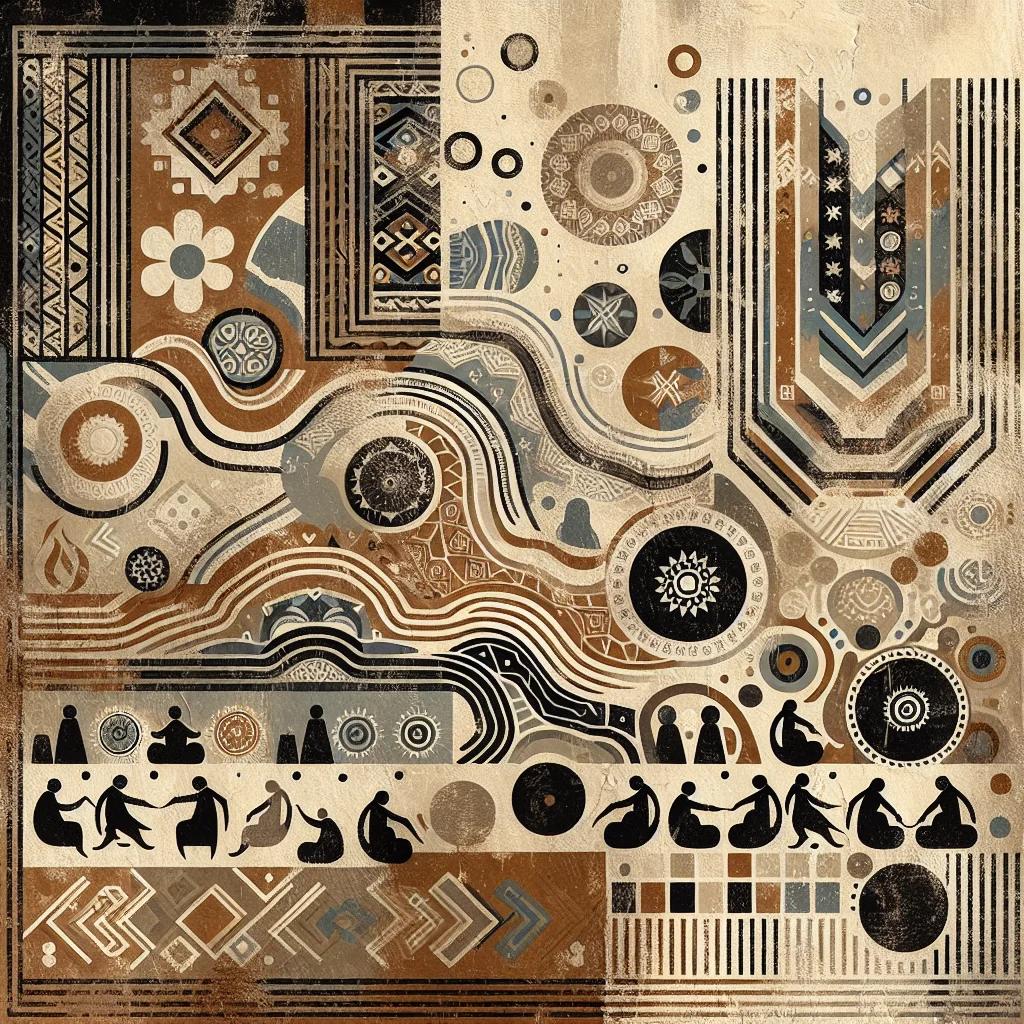
Cultural Artwork
Community Discussion
Further Reading
Explore credible external sources to deepen your understanding of Tajikistan culture.