
Rabha
Northeast India, primarily Assam and Meghalaya RabhaAssamese
The Rabha are an indigenous ethnic group primarily residing in the northeastern states of India, particularly Assam and Meghalaya. They have a rich cultural heritage with distinct traditions, language, and social practices.
Historical Context
The Rabha people have a long history in the northeastern region of India, with roots tracing back to the Tibeto-Burman ethnic group migrations. They have traditionally lived in harmony with nature, practicing shifting cultivation and maintaining a close-knit community structure.
Migration Patterns
Historically, the Rabha have migrated within the northeastern states due to socio-political changes and environmental factors. Some have also moved to urban areas for better economic opportunities.
Conflict And Resilience History
The Rabha community has faced challenges due to land disputes and socio-political marginalization. Despite these challenges, they have shown resilience by preserving their cultural identity and traditions.
Diaspora Perspectives
The Rabha diaspora, though limited, maintains strong ties with their homeland, often participating in cultural events and festivals to keep their traditions alive.
Regional Variations
There are variations in dialects and cultural practices among Rabha sub-groups, such as the Maitori and Pati Rabha, influenced by their geographical locations.
Bridging Notes
Efforts are being made to bridge cultural gaps through educational programs and cultural exchanges, promoting understanding and appreciation of Rabha traditions.
Spiritual And Religious Practices
The Rabha people practice a blend of animism and Hinduism, with a strong emphasis on nature worship. They celebrate various festivals that honor deities and natural elements.
Beliefs And Worldview
The Rabha worldview is deeply connected to nature, with a belief in the interdependence of all living things. They value community harmony and respect for elders.
Cultural Proverbs Sayings
Rabha proverbs often reflect their connection to nature and community values, emphasizing wisdom, patience, and respect.
Naming Conventions And Terms Of Address
Naming conventions in the Rabha community often include names derived from natural elements and ancestors. Respectful terms of address are used for elders and community leaders.
Health And Mental Health
Traditional health practices are prevalent, with a reliance on herbal medicine and local healers. Access to modern healthcare is limited in some areas.
Mental Health Views
Mental health is often viewed through a traditional lens, with community support playing a crucial role in addressing mental well-being.
Traditional Healers
Traditional healers, known as 'Ojhas', are respected figures in the community, providing remedies for various ailments using indigenous knowledge.
Gender Roles In Healthcare
Women often play a significant role in family healthcare, utilizing traditional knowledge in daily health practices.
Healthcare Barriers
Barriers include limited access to healthcare facilities, economic constraints, and a lack of culturally sensitive healthcare services.
Education And Learning Styles
Education is valued, with a focus on both formal schooling and traditional knowledge. Learning is often experiential, with an emphasis on community participation.
Learning Styles
Rabha children learn through observation and participation in community activities, with storytelling being a key educational tool.
Parental Engagement
Parents are actively involved in their children's education, often teaching traditional skills and values alongside formal education.
Family And Social Structure
The Rabha community is organized around extended family units, with a strong emphasis on kinship and communal living.
Discipline And Behavior
Discipline is maintained through community norms and values, with elders playing a significant role in guiding behavior.
Authority Attitudes
Respect for elders and community leaders is paramount, with decisions often made collectively.
Etiquette And Customs
Customs emphasize respect, hospitality, and community participation. Greetings and interactions are marked by politeness and formality.
Community Strengths Resilience
The Rabha community is known for its resilience, maintaining cultural practices and social cohesion despite external pressures.
Art Music And Expression
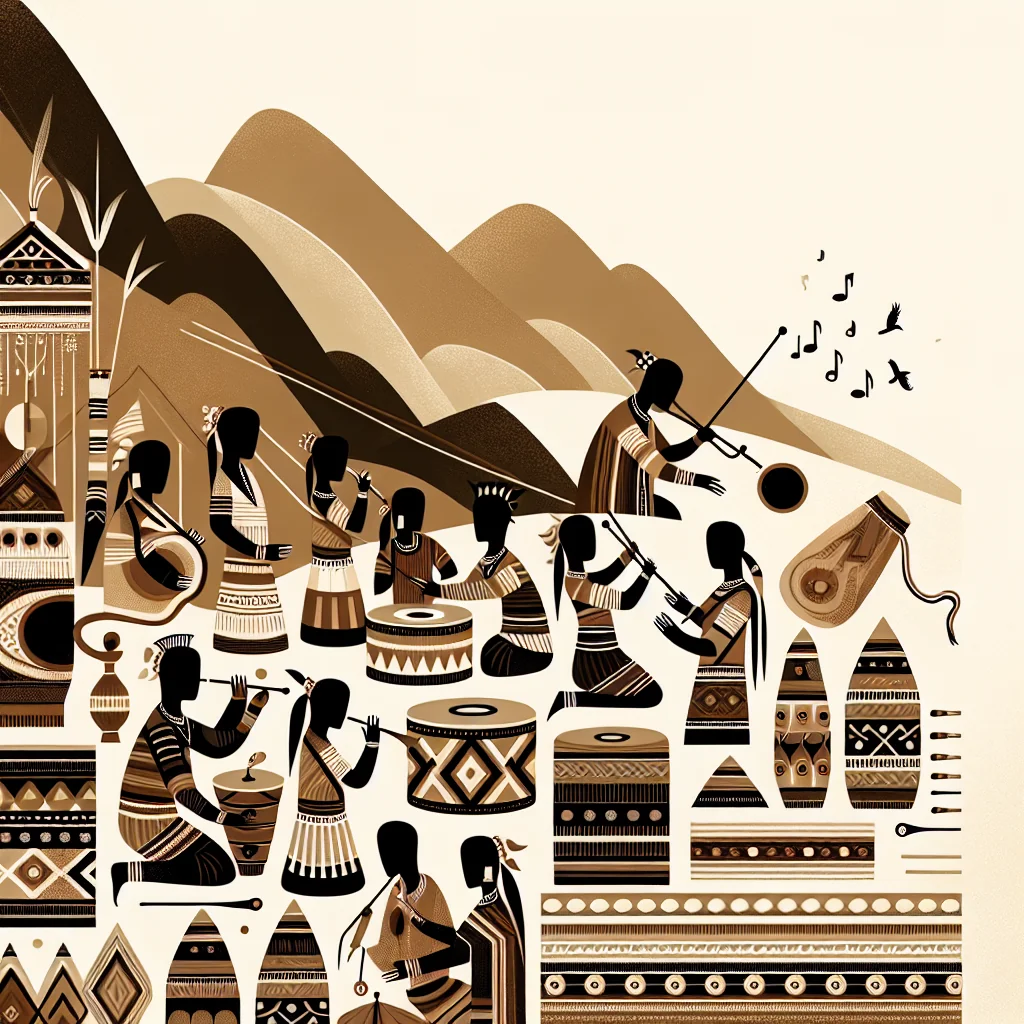
Rabha art and music are vibrant, featuring traditional dances like the 'Baikho' and music played on indigenous instruments.
Cultural Symbols Motifs
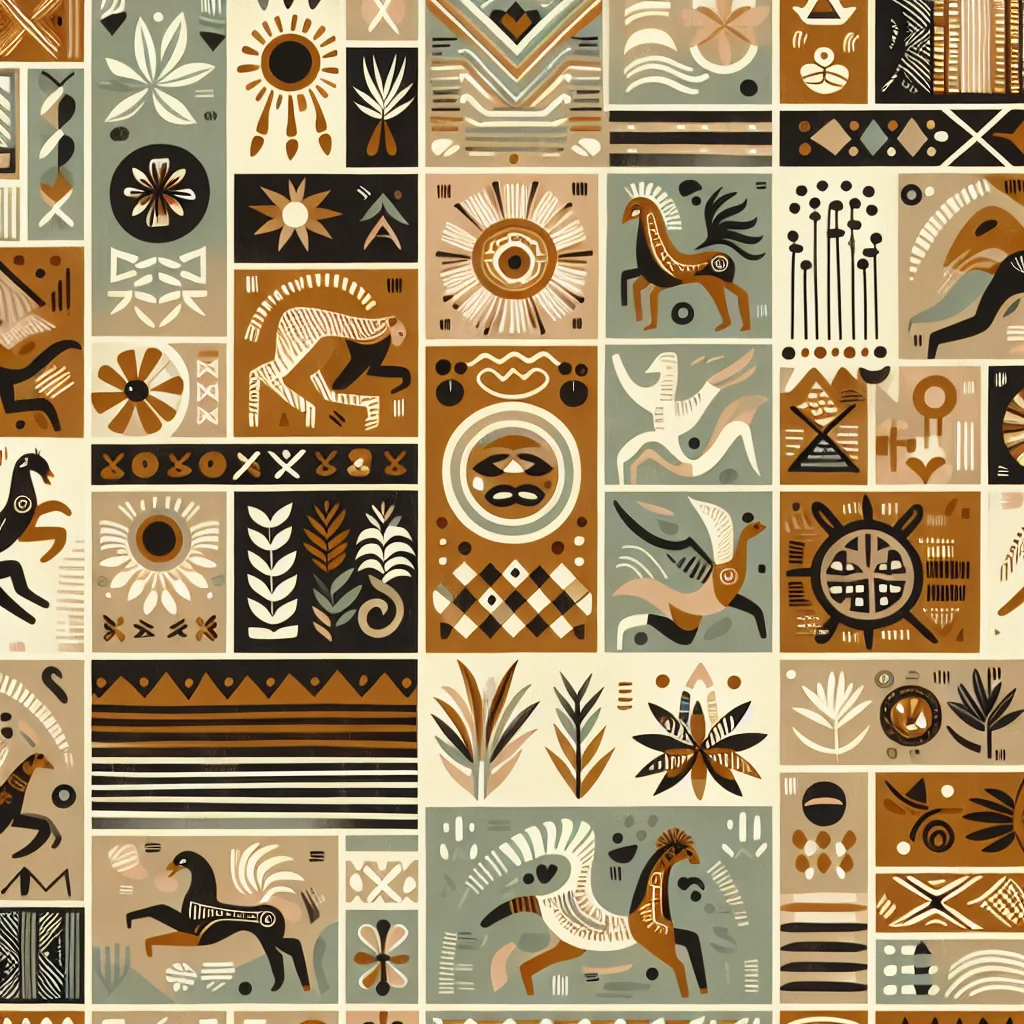
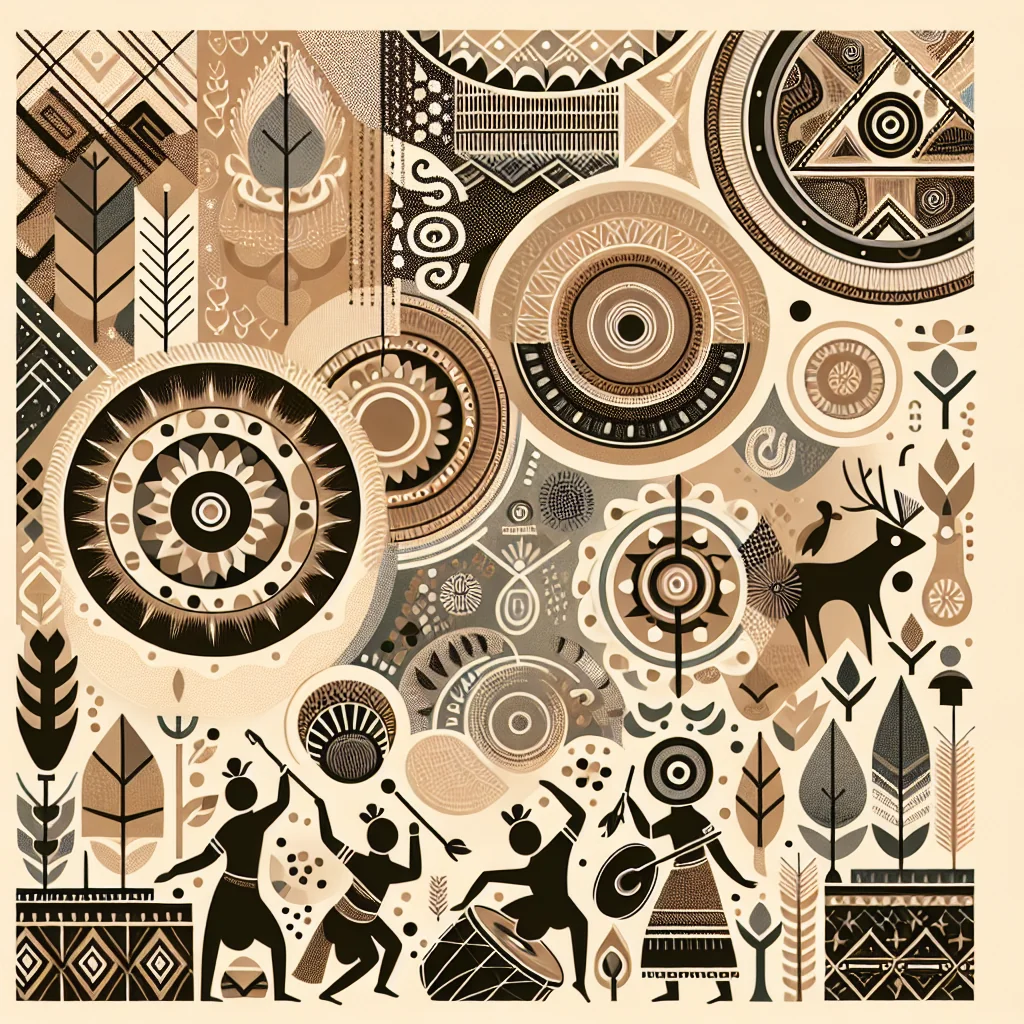
Common motifs include natural elements and animals, reflecting their deep connection to the environment.
What Brings Joy
Community gatherings, festivals, and traditional music and dance are sources of joy and cultural pride.
Celebrations Joyful Traditions
Festivals such as 'Baikho' and 'Sawarni' are celebrated with dance, music, and communal feasting.
Cultural Calendar And Holidays
The Rabha cultural calendar includes various agricultural and religious festivals, marking important seasonal and spiritual events.
Additional Notes
The Rabha people are known for their vibrant textiles and traditional weaving techniques, which are integral to their cultural expression.
Economic Context And Occupations
Agriculture is the primary occupation, with many Rabha people engaged in farming, weaving, and small-scale trading.
Housing And Living Arrangements
Traditional Rabha houses are made of bamboo and thatch, reflecting sustainable living practices.
Nutrition And Dietary Norms
The Rabha diet is primarily rice-based, supplemented with vegetables, fish, and occasionally meat, reflecting their agrarian lifestyle.
Interpretation Needs
Interpretation services are often needed for Rabha speakers in healthcare and legal settings, where Assamese or English may be the primary languages.
Interpreter Notes
Interpreters should be culturally sensitive and aware of Rabha social norms and communication styles.
Documentation Traditions
Oral traditions are strong, with storytelling and oral history being key methods of cultural transmission.
Interactions With Other Cultures
The Rabha have historically interacted with neighboring communities like the Bodo and Garo, sharing cultural practices and participating in regional festivals.
Conflict Resolution Mechanisms
Traditional conflict resolution involves community elders and leaders mediating disputes, often through dialogue and consensus.
Cultural Exchange Programs
Cultural exchange programs with neighboring tribes and communities help promote mutual understanding and preserve cultural heritage.
Trade Relations
Trade relations with neighboring communities involve the exchange of agricultural products and traditional crafts.
Shared Artistic Projects
Collaborative artistic projects often occur during regional festivals, where different communities showcase their cultural expressions.
Intercultural Marriages
Intercultural marriages are not uncommon, often strengthening ties between the Rabha and neighboring communities.
Shared Educational Initiatives
Shared educational initiatives focus on promoting indigenous knowledge and cultural heritage among the youth.
Youth Perspectives
Rabha youth are increasingly seeking education and employment opportunities while striving to maintain their cultural identity.
Education Initiatives
Initiatives are in place to improve educational access and quality for Rabha youth, emphasizing both formal education and traditional knowledge.
Future Challenges
Challenges include balancing modernization with cultural preservation and addressing economic and educational disparities.
Youth Employment Trends
Many Rabha youth are exploring opportunities in urban areas, often in sectors like education, healthcare, and technology.
Future Visions
The Rabha community envisions a future where cultural heritage is preserved alongside economic and educational advancement.
Youth Leadership Roles
Youth are increasingly taking on leadership roles in cultural preservation and community development initiatives.
Innovation And Startups
There is a growing interest in entrepreneurship, with some Rabha youth exploring startups in agriculture and traditional crafts.
Festivals And Celebrations
Rabha festivals are vibrant and community-oriented, often involving traditional music, dance, and rituals.
Traditional Medicine Practices
Traditional medicine is practiced using locally sourced herbs and plants, with knowledge passed down through generations.
Environmental Practices
Sustainable agricultural practices and forest conservation are integral to Rabha environmental stewardship.
Rituals
Rituals often involve offerings to deities and nature spirits, reflecting the Rabha's spiritual connection to the environment.
Rites Of Passage
Rites of passage, such as coming-of-age ceremonies, are significant cultural events marked by community participation.
Culinary Traditions
Rabha cuisine features locally sourced ingredients, with dishes like 'bamboo shoot curry' and 'fish wrapped in banana leaves'.
Climate Adaptation Strategies
The Rabha community employs traditional knowledge to adapt to climate changes, such as altering agricultural practices.
Biodiversity Conservation
Efforts are made to conserve local biodiversity, with community involvement in protecting native flora and fauna.
Sustainable Tourism Practices
Sustainable tourism initiatives are being explored to promote cultural heritage while protecting the environment.
Renewable Energy Use
There is growing interest in renewable energy sources, such as solar power, to meet community energy needs sustainably.
Community Involvement In Practices
Community involvement is key in environmental and cultural practices, ensuring collective responsibility and participation.
Environmental Education Programs
Programs are in place to educate the Rabha youth about environmental conservation and sustainable practices.
Notable Figures
Notable Rabha figures include cultural leaders and artists who have contributed to the preservation and promotion of Rabha heritage.
Cultural Innovations
Innovations include the adaptation of traditional weaving techniques to create contemporary designs.
Literary Works
Rabha oral literature, including folktales and myths, is a rich source of cultural knowledge and storytelling.
Architectural Styles
Traditional Rabha architecture features bamboo and thatch constructions, reflecting sustainable building practices.
Scientific Contributions
The Rabha community contributes to ethnobotanical knowledge, particularly in the use of medicinal plants.
Culinary Innovations
Culinary innovations involve the fusion of traditional Rabha ingredients with modern cooking techniques.
Global Influence
The Rabha culture has influenced regional art and music, contributing to the cultural diversity of Northeast India.
Awards And Recognition
Rabha artists and cultural practitioners have received recognition for their contributions to cultural preservation and promotion.
Modern Influences
Modern influences include the integration of technology in education and communication, as well as exposure to global cultural trends.
Digital Presence
The Rabha community is increasingly present online, using digital platforms to share cultural content and connect with the diaspora.
Globalization Effects
Globalization has brought both opportunities and challenges, influencing Rabha cultural practices and economic activities.
Urbanization Effects
Urbanization has led to changes in lifestyle and employment patterns, with some Rabha people moving to cities for better opportunities.
Technology Adoption
Technology adoption is growing, with mobile phones and the internet becoming common tools for communication and information access.
Hybrid Cultural Forms
Hybrid cultural forms are emerging, blending traditional Rabha elements with contemporary influences in art, music, and fashion.
Social Media Presence
Social media is used to promote Rabha culture, share community news, and engage with a wider audience.
Challenges
Challenges include cultural erosion due to modernization, economic pressures, and limited access to resources.
Preservation Efforts
Preservation efforts focus on documenting oral traditions, promoting cultural education, and supporting traditional crafts.
Cultural Artwork
Community Discussion
Further Reading
Explore credible external sources to deepen your understanding of Rabha culture.