
Paraguayan
South America, specifically Paraguay SpanishGuarani
The Paraguayan culture is a unique blend of indigenous, Spanish, and African influences.
Historical Context
Paraguay's history is marked by colonialism, independence movements, and struggles for self-determination.
Migration Patterns
Indigenous peoples migrated to Paraguay from the north, while Spanish colonizers arrived from Europe.
Conflict And Resilience History
Paraguay has experienced numerous conflicts with neighboring countries, but its people have shown remarkable resilience in the face of adversity.
Diaspora Perspectives
Many Paraguayan diasporans maintain strong ties to their homeland and contribute to its cultural development.
Regional Variations
Regional variations exist within Paraguay due to differences in geography, climate, and cultural influences.
Spiritual And Religious Practices
Paraguayan culture is predominantly Catholic, with a strong emphasis on indigenous spiritual practices.
Beliefs And Worldview
Paraguayans believe in the interconnectedness of all living things and the importance of respecting nature.
Cultural Proverbs Sayings
Some common proverbs include: 'La vida es un río' (Life is a river) and 'El que no corre, no llega' (He who does not run will not arrive).
Naming Conventions And Terms Of Address
Paraguayans use both Spanish and Guarani names, with the latter often reflecting indigenous heritage.
Health And Mental Health
Mental health is a growing concern in Paraguay, with many people struggling to cope with stress and trauma.
Mental Health Views
Traditional healers play an important role in addressing mental health issues, while modern healthcare services are increasingly available.
Traditional Healers
Curanderos (healers) use a combination of indigenous knowledge and Western medicine to treat patients.
Gender Roles In Healthcare
Women often take on caregiving roles within families, but men are also involved in healthcare decision-making.
Healthcare Barriers
Limited access to healthcare services, particularly in rural areas, is a significant challenge.
Education And Learning Styles
Paraguayan education emphasizes hands-on learning and community involvement.
Learning Styles
Students learn through a combination of formal instruction and apprenticeships.
Parental Engagement
Parents are actively involved in their children's education, often participating in school activities and decision-making.
Family And Social Structure
Paraguayan families are close-knit and extended, with multiple generations living together.
Discipline And Behavior
Children are taught to respect authority figures and adhere to traditional values.
Authority Attitudes
Authority is often seen as paternalistic, with elders holding significant influence in community decision-making.
Etiquette And Customs
Greetings involve the use of formal titles and physical touch (e.g., handshakes or kisses on the cheek).
Community Strengths Resilience
Paraguayan communities are known for their strong social bonds, resilience in the face of adversity, and ability to adapt to changing circumstances.
Art Music And Expression
Traditional music features a mix of indigenous and European influences, while art often incorporates natural materials.
Cultural Symbols Motifs
The yacaré (caiman) is a revered symbol in Paraguayan culture, representing strength and resilience.
What Brings Joy
Community celebrations, such as the Fiesta de la Vendimia (Grape Harvest Festival), bring people together and create joy.
Celebrations Joyful Traditions
Paraguayans celebrate various festivals throughout the year, including the Fiestas Patrias (National Holidays).
Cultural Calendar And Holidays
The Paraguayan calendar includes both Western-style holidays and indigenous celebrations.
Economic Context And Occupations
Agriculture is a significant sector in Paraguay, with many people employed in farming or related industries.
Housing And Living Arrangements
Housing varies from urban apartments to rural homes, often built using local materials and traditional techniques.
Nutrition And Dietary Norms
Traditional Paraguayan cuisine emphasizes cornmeal, beans, and meat (especially beef), with a focus on community meals and shared cooking.
Interpretation Needs
Interpreters are often required for interactions between Spanish-speaking officials and Guarani-speaking citizens.
Interpreter Notes
Interpreters must be familiar with both languages to facilitate effective communication.
Documentation Traditions
Official documents, such as birth certificates and identification cards, are issued in both Spanish and Guarani.
Interactions With Other Cultures
Paraguayans interact with neighboring countries through trade, tourism, and cultural exchange.
Conflict Resolution Mechanisms
Disputes are often resolved through mediation or negotiation between community leaders.
Cultural Exchange Programs
The Paraguayan government sponsors cultural exchange programs to promote understanding between nations.
Trade Relations
Paraguay engages in trade with neighboring countries, including Argentina and Brazil.
Shared Artistic Projects
Collaborative artistic projects bring together artists from different cultures, promoting cross-cultural understanding.
Intercultural Marriages
Intercultural marriages are common, reflecting the blending of cultural influences within Paraguayan society.
Shared Educational Initiatives
Paraguay participates in regional educational initiatives to promote cultural exchange and cooperation.
Youth Perspectives
Young people in Paraguay face challenges related to education, employment, and social mobility.
Education Initiatives
The government has implemented programs to improve access to quality education for all citizens.
Future Challenges
Paraguay will need to address issues such as climate change, economic development, and cultural preservation.
Youth Employment Trends
Youth employment rates are increasing, but many young people face challenges in finding stable, well-paying jobs.
Future Visions
Young Paraguayans envision a future with improved living standards, greater social mobility, and enhanced cultural expression.
Youth Leadership Roles
Youth leaders play an increasingly important role in shaping community decisions and promoting social change.
Innovation And Startups
Paraguay is home to a growing number of startups and innovation hubs, driven by young entrepreneurs.
Festivals And Celebrations
Fiestas Patrias (National Holidays) are an important part of Paraguayan culture.
Traditional Medicine Practices
Curanderos use a combination of indigenous knowledge and Western medicine to treat patients.
Environmental Practices
Paraguayans prioritize sustainable practices, such as reforestation and conservation efforts.
Rituals
Traditional rituals, like the blessing of crops, are still practiced today.
Rites Of Passage
Rites of passage, such as the initiation ceremony for young men, are an essential part of Paraguayan culture.
Culinary Traditions
Traditional Paraguayan cuisine emphasizes cornmeal, beans, and meat (especially beef), with a focus on community meals and shared cooking.
Climate Adaptation Strategies
The government has implemented initiatives to address climate change, including renewable energy projects and disaster preparedness plans.
Biodiversity Conservation
Paraguay has established protected areas to conserve its rich biodiversity, including the Chaco National Park.
Sustainable Tourism Practices
Tourism is becoming increasingly important to Paraguay's economy, with a focus on sustainable practices and community engagement.
Renewable Energy Use
Paraguay is investing in renewable energy sources, such as solar and wind power, to reduce its carbon footprint.
Community Involvement In Practices
Community members are actively involved in environmental conservation efforts, such as tree planting and wildlife protection.
Environmental Education Programs
The government has launched programs to educate citizens about environmental issues and promote sustainable practices.
Notable Figures
Notable figures include José Gaspar Rodríguez de Francia, a national hero and founder of Paraguayan independence.
Cultural Innovations
Paraguay has contributed to cultural innovations in music, dance, and art, blending indigenous and European influences.
Literary Works
Literary works, such as the poetry of Juan Eulogio Martínez, reflect the country's rich cultural heritage.
Architectural Styles
Traditional Paraguayan architecture combines indigenous and Spanish styles, with a focus on natural materials and community spaces.
Scientific Contributions
Paraguay has made significant contributions to scientific fields like botany and zoology, particularly in the study of tropical ecosystems.
Culinary Innovations
Paraguayan cuisine has influenced regional cooking styles, introducing new ingredients and techniques.
Global Influence
Paraguay's culture has had a global impact through its music, dance, and art, inspiring artists worldwide.
Awards And Recognition
Paraguay has received international recognition for its cultural achievements, including awards in literature and music.
Modern Influences
Paraguayans are exposed to a wide range of modern influences, from technology and social media to international cuisine and cultural trends.
Digital Presence
Paraguayans are increasingly active online, with a growing number of social media users and digital entrepreneurs.
Globalization Effects
Globalization has brought both opportunities and challenges to Paraguay, including increased economic integration and cultural exchange.
Urbanization Effects
Urbanization has led to changes in lifestyle, culture, and social dynamics within Paraguayan cities.
Technology Adoption
The government has invested in digital infrastructure, promoting the adoption of technology across various sectors.
Hybrid Cultural Forms
Modern adaptations in Paraguayan culture include the blending of traditional and Western influences in music, art, and literature.
Social Media Presence
Social media platforms have become an essential tool for communication and self-expression among Paraguayans.
Challenges
Paraguay faces challenges related to cultural preservation, economic development, and environmental conservation.
Preservation Efforts
The government has implemented initiatives to preserve traditional practices, languages, and cultural heritage sites.
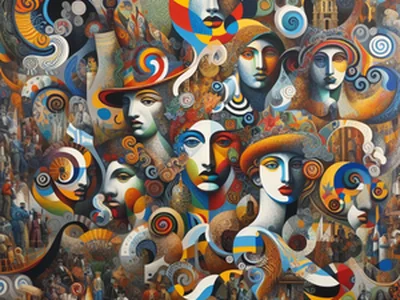
Cultural Artwork
Community Discussion
Further Reading
Explore credible external sources to deepen your understanding of Paraguayan culture.