
Palestine
Middle East, Levant ArabicEnglish
The Palestinian culture is a rich and diverse blend of Arab, Islamic, and Mediterranean influences.
Historical Context
The Palestinian people have a long and complex history dating back to the ancient Canaanites, with periods of occupation by various empires including the Romans, Ottomans, and British.
Migration Patterns
Palestinians have migrated to various parts of the world, including the United States, Canada, Australia, and Europe, due to conflict, economic opportunities, or family reunification.
Conflict And Resilience History
The Palestinian people have faced numerous conflicts, including the 1948 Nakba (Catastrophe) and the ongoing Israeli-Palestinian conflict, yet they continue to demonstrate resilience and determination for self-determination.
Diaspora Perspectives
Palestinians in diaspora maintain strong connections with their homeland and culture through various means, including language, cuisine, music, and family ties.
Regional Variations
Regional variations within Palestinian culture exist due to factors such as geography, climate, and historical events.
Bridging Notes
The Palestinian people have a deep connection to their land, history, and culture, which is reflected in their art, literature, music, and daily life.
Spiritual And Religious Practices
Islam is the dominant religion in Palestine, with approximately 98% of the population identifying as Muslim. Christianity and other faiths also have a significant presence.
Beliefs And Worldview
Palestinian culture is deeply rooted in Islamic values, emphasizing compassion, justice, and equality.
Cultural Proverbs Sayings
Proverbs such as 'Al-sabr yajma' (Patience is the key) reflect the Palestinian people's emphasis on perseverance and resilience.
Naming Conventions And Terms Of Address
In Palestinian culture, names often carry significant meaning and are chosen based on their significance in Islamic tradition or family history.
Health And Mental Health
Mental health issues such as anxiety and depression are prevalent among Palestinians due to ongoing conflict and displacement.
Mental Health Views
Traditional healing practices, including herbal remedies and spiritual guidance, coexist with modern Western-style mental health services.
Traditional Healers
Healers often combine traditional knowledge with modern medical practices to address physical and mental health concerns.
Gender Roles In Healthcare
Women play a significant role in healthcare provision within Palestinian families, particularly in rural areas.
Healthcare Barriers
Access to quality healthcare is limited due to factors such as poverty, displacement, and conflict.
Education And Learning Styles
Palestinian education emphasizes critical thinking, problem-solving, and community engagement.
Learning Styles
Students often learn through hands-on activities, discussions, and project-based learning.
Parental Engagement
Parents are actively involved in their children's education, with a strong emphasis on family support and involvement.
Family And Social Structure
Palestinian society is characterized by close-knit families and extended social networks.
Discipline And Behavior
Social norms emphasize respect for elders, authority figures, and community leaders.
Authority Attitudes
Authority figures are generally respected, but there is also a strong tradition of questioning and challenging unjust systems.
Etiquette And Customs
Greetings, hospitality, and generosity towards guests are deeply ingrained in Palestinian culture.
Community Strengths Resilience
Palestinian communities have demonstrated remarkable resilience in the face of adversity, with a strong emphasis on solidarity and mutual support.
Art Music And Expression
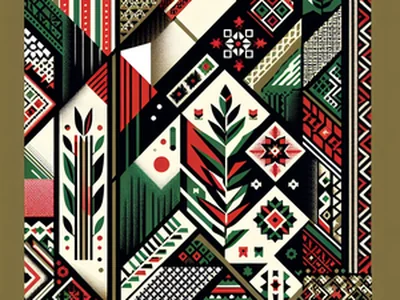
Traditional Palestinian art forms include calligraphy, embroidery, and woodcarving, while music and dance are integral to celebrations and daily life.
Cultural Symbols Motifs
Symbols such as the olive branch, dove, and falcon hold significant meaning in Palestinian culture, often representing peace, freedom, or strength.
What Brings Joy
Joy is often found in simple pleasures like family gatherings, traditional food, music, and storytelling.
Celebrations Joyful Traditions
Festivals such as Eid al-Fitr, Eid al-Adha, and Christmas are celebrated with great enthusiasm and community involvement.
Cultural Calendar And Holidays
The Palestinian calendar is marked by significant dates, including the Nakba (Catastrophe) on May 15th and the anniversary of the 1948 Arab-Israeli War.
Additional Notes
Palestinian culture places a strong emphasis on storytelling, with oral traditions passed down through generations.
Economic Context And Occupations
The Palestinian economy is primarily based on agriculture, services, and small-scale industry, with many people employed in the informal sector.
Housing And Living Arrangements
Housing conditions vary greatly depending on location, with some areas experiencing overcrowding and poverty.
Nutrition And Dietary Norms
Traditional Palestinian cuisine emphasizes locally sourced ingredients, including olive oil, olives, dates, and fresh vegetables.
Interpretation Needs
Interpreters are often required for official documents, court proceedings, and medical consultations due to language barriers.
Interpreter Notes
Trained interpreters with knowledge of Palestinian dialects and cultural nuances are essential for effective communication.
Documentation Traditions
Documentation practices vary depending on the context, but written records are often used in conjunction with oral traditions.
Interactions With Other Cultures
Palestinians interact with various cultures, including Arab, Islamic, and Mediterranean communities, through trade, tourism, and cultural exchange programs.
Conflict Resolution Mechanisms
Traditional conflict resolution mechanisms include mediation, arbitration, and negotiation, often facilitated by community leaders or elders.
Cultural Exchange Programs
Cultural exchange programs facilitate the sharing of knowledge, skills, and traditions between Palestinian and other cultures.
Trade Relations
Trade relationships exist with neighboring countries, including Jordan, Lebanon, and Syria, as well as with international partners.
Shared Artistic Projects
Artistic collaborations and joint projects reflect the shared cultural heritage and creative expression of Palestinians and other communities.
Intercultural Marriages
Intermarriage between Palestinian and other cultures is common due to historical migration patterns and ongoing social interactions.
Shared Educational Initiatives
Educational initiatives, including language programs, vocational training, and academic partnerships, promote mutual understanding and cooperation.
Youth Perspectives
Youth in Palestine face unique challenges, including limited access to education, employment opportunities, and healthcare services.
Education Initiatives
Initiatives focus on improving educational outcomes, promoting critical thinking, and developing skills relevant to the job market.
Future Challenges
Challenges include addressing poverty, displacement, and conflict, as well as promoting sustainable development and environmental conservation.
Youth Employment Trends
Youth employment trends indicate a growing need for vocational training, entrepreneurship, and innovation in Palestine.
Future Visions
Palestinian youth envision a future marked by peace, prosperity, and self-determination, with a strong emphasis on education, innovation, and community engagement.
Youth Leadership Roles
Youth leaders play a crucial role in promoting social change, advocating for human rights, and developing sustainable solutions to community challenges.
Innovation And Startups
Innovation and entrepreneurship are increasingly recognized as key drivers of economic growth and development in Palestine.
Festivals And Celebrations
Festivals such as Eid al-Fitr, Eid al-Adha, and Christmas are celebrated with great enthusiasm and community involvement.
Traditional Medicine Practices
Traditional healing practices, including herbal remedies and spiritual guidance, coexist with modern Western-style medical services.
Environmental Practices
Environmental conservation efforts focus on sustainable agriculture, renewable energy, and waste management.
Rituals
Daily rituals, such as prayer, fasting, and charity, are an integral part of Palestinian spiritual practices.
Rites Of Passage
Rites of passage, including birth, marriage, and death ceremonies, reflect the cultural significance of these life events in Palestinian society.
Culinary Traditions
Traditional Palestinian cuisine emphasizes locally sourced ingredients, including olive oil, olives, dates, and fresh vegetables.
Climate Adaptation Strategies
Strategies include adapting agricultural practices to changing climate conditions, promoting water conservation, and developing early warning systems for natural disasters.
Biodiversity Conservation
Conservation efforts focus on protecting endangered species, preserving natural habitats, and promoting sustainable land use practices.
Sustainable Tourism Practices
Sustainable tourism initiatives promote eco-friendly accommodations, transportation, and activities that support local communities and conservation efforts.
Renewable Energy Use
Renewable energy sources, such as solar and wind power, are increasingly used in Palestine to reduce dependence on fossil fuels.
Community Involvement In Practices
Community members are actively involved in environmental conservation efforts, including tree planting, clean-up initiatives, and advocacy campaigns.
Environmental Education Programs
Environmental education programs promote awareness about sustainable practices, climate change, and conservation efforts among Palestinians of all ages.
Notable Figures
Notable figures include Palestinian leaders, writers, artists, and intellectuals who have made significant contributions to their field.
Cultural Innovations
Innovations in fields such as literature, music, dance, and visual arts reflect the creativity and resilience of Palestinians.
Literary Works
Literary works, including poetry, novels, and short stories, provide insights into Palestinian experiences, struggles, and aspirations.
Architectural Styles
Traditional Palestinian architecture reflects a blend of Arab, Islamic, and Mediterranean influences, with an emphasis on functionality and aesthetics.
Scientific Contributions
Palestinian scientists have made significant contributions to fields such as medicine, physics, and mathematics.
Culinary Innovations
Culinary innovations in Palestine include the development of new recipes, cooking techniques, and food products that reflect local ingredients and traditions.
Global Influence
Palestinian culture has a global influence through its art, literature, music, and cuisine, which are appreciated by people from diverse backgrounds.
Awards And Recognition
Awards and recognition for Palestinian contributions include literary prizes, artistic accolades, and humanitarian awards.
Modern Influences
Modern influences on Palestinian culture include Western-style education, media, and technology, which have shaped contemporary values and practices.
Digital Presence
Palestinian communities have a growing digital presence through social media platforms, online forums, and digital art forms.
Globalization Effects
Globalization has led to increased cultural exchange, economic integration, and technological advancements in Palestine.
Urbanization Effects
Urbanization has led to changes in lifestyle, education, and economic opportunities for Palestinians, particularly in cities like Ramallah and Gaza.
Technology Adoption
Technology adoption in Palestine has accelerated in recent years, with a focus on digital literacy, e-government services, and innovation hubs.
Hybrid Cultural Forms
Hybrid cultural forms, such as fusion music and cuisine, reflect the blending of traditional and modern influences in Palestinian culture.
Social Media Presence
Social media platforms are increasingly used for social mobilization, advocacy, and community engagement among Palestinians.
Challenges
Challenges facing Palestinian culture include conflict, displacement, poverty, and limited access to education, healthcare services, and economic opportunities.
Preservation Efforts
Efforts to preserve Palestinian cultural heritage include documentation of traditional practices, language preservation, and promotion of cultural exchange programs.
Cultural Artwork
Community Discussion
Further Reading
Explore credible external sources to deepen your understanding of Palestine culture.