
Oromo
East Africa, specifically Ethiopia and Kenya Afaan OromoAmharic
The Oromo people are an ethnic group native to Ethiopia and Kenya, known for their rich cultural heritage and traditions.
Historical Context
The Oromo have a complex and often tumultuous history, marked by periods of migration, conflict, and cultural exchange.
Migration Patterns
The Oromo migrated to the Horn of Africa from the north around the 13th century, displacing earlier inhabitants and establishing their own distinct culture.
Conflict And Resilience History
Throughout their history, the Oromo have faced numerous conflicts with neighboring groups, including the Ethiopian Empire. Despite these challenges, they have maintained a strong sense of identity and cultural resilience.
Diaspora Perspectives
Many Oromo people have been displaced from their homeland due to conflict or economic hardship, leading to a global diaspora community that maintains strong connections to their heritage.
Regional Variations
The Oromo culture has regional variations, with distinct traditions and practices in different parts of Ethiopia and Kenya.
Spiritual And Religious Practices
The Oromo people are predominantly Muslim but also practice traditional animist beliefs. They have a strong spiritual connection to the land and their ancestors.
Beliefs And Worldview
Oromo culture is deeply rooted in a holistic worldview, emphasizing interconnectedness with nature, community, and the divine.
Cultural Proverbs Sayings
Proverb: 'Gadaa waliin gadaa' (The Gadaa system is our strength).
Naming Conventions And Terms Of Address
Oromo names often reflect family ties or ancestral heritage. Terms of address are formal and respectful, with age and social status playing a significant role in determining how one is addressed.
Health And Mental Health
The Oromo people have a strong emphasis on holistic health, incorporating traditional medicine and spiritual practices to maintain physical and mental well-being.
Mental Health Views
Mental health is viewed as an integral part of overall health, with a focus on community support and social connections.
Traditional Healers
Traditional healers play a significant role in Oromo culture, using herbal remedies and spiritual practices to treat illnesses.
Gender Roles In Healthcare
Women often take on caregiving roles within the family, while men may be more involved in traditional healing practices.
Healthcare Barriers
Limited access to modern healthcare services and cultural barriers can hinder the adoption of Western medical practices among Oromo communities.
Education And Learning Styles
Oromo culture values experiential learning, with a focus on hands-on experience and community-based education.
Learning Styles
Learning styles tend to be oral and kinesthetic, with an emphasis on storytelling and practical application.
Parental Engagement
Parents are highly involved in their children's education, often serving as teachers or mentors within the community.
Family And Social Structure
Oromo society is organized around extended family ties and clan affiliations. Community cohesion and social support are highly valued.
Discipline And Behavior
Discipline is maintained through a combination of traditional practices, such as Gadaa, and community norms.
Authority Attitudes
Authority figures, such as elders or spiritual leaders, are respected for their wisdom and experience.
Etiquette And Customs
Etiquette emphasizes respect for elders, guests, and the environment. Customary practices include traditional greetings and gift-giving.
Community Strengths Resilience
Community strength lies in its ability to adapt to challenges through collective decision-making and shared responsibility.
Art Music And Expression
Oromo art forms include traditional music, dance, and handicrafts. Storytelling is a highly valued form of expression.
Cultural Symbols Motifs
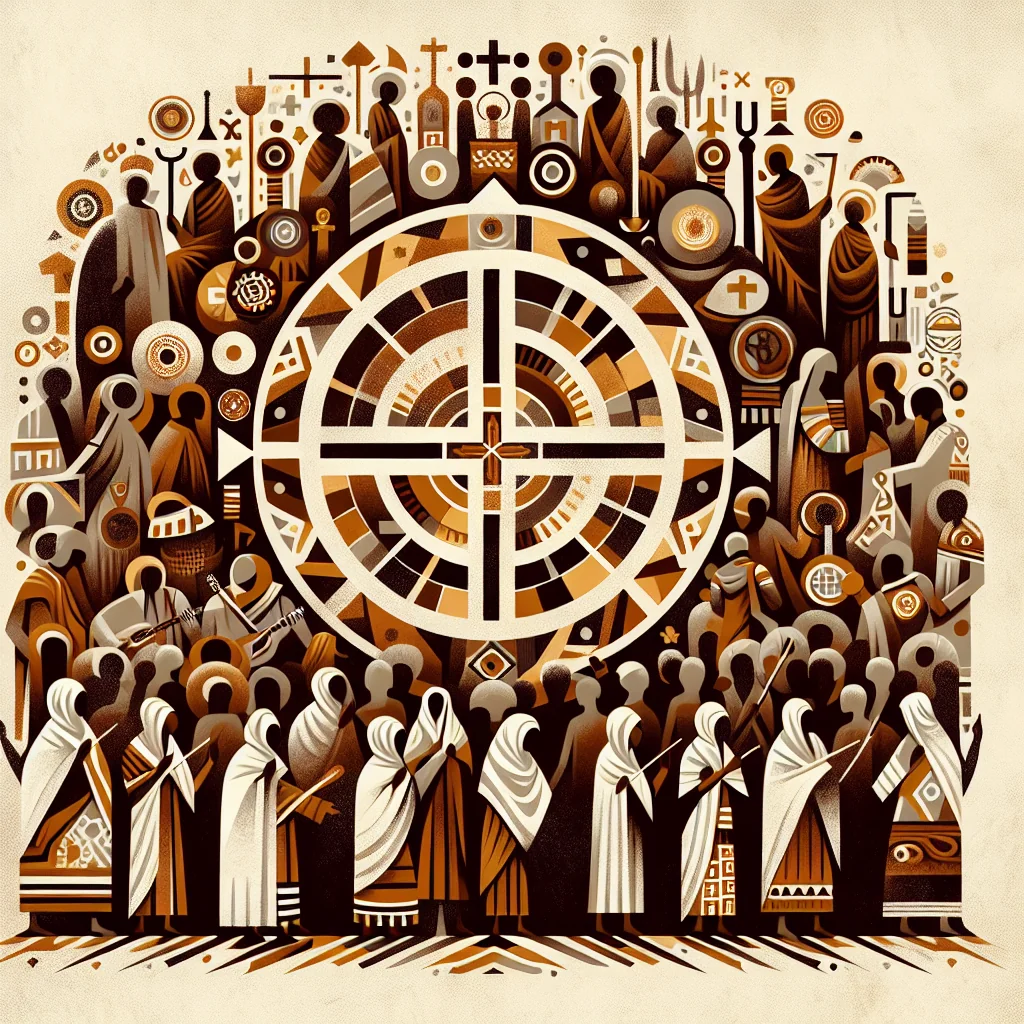
Cultural symbols include the Gadaa system, which represents social organization and community cohesion.
What Brings Joy
Joy is often associated with communal celebrations, such as weddings or harvest festivals.
Celebrations Joyful Traditions
Celebrations include traditional dances, music, and feasting. Joyful traditions emphasize community bonding and shared experience.
Cultural Calendar And Holidays
The Oromo calendar includes several important holidays, including the Gadaa festival and the Ethiopian New Year.
Economic Context And Occupations
Oromo people engage in various economic activities, including agriculture, herding, and trade. Traditional occupations include craftsmanship and traditional healing.
Housing And Living Arrangements
Housing varies from traditional thatched huts to modern homes. Living arrangements often prioritize community cohesion and shared space.
Nutrition And Dietary Norms
Traditional Oromo diet emphasizes locally sourced foods, including grains, legumes, and dairy products.
Interpretation Needs
Interpretation services may be necessary for non-Oromo speakers to communicate effectively within the community.
Interpreter Notes
Trained interpreters can facilitate communication between Oromo speakers and outsiders.
Documentation Traditions
Documentation of traditional knowledge and practices is often oral, with a focus on storytelling and community transmission.
Interactions With Other Cultures
The Oromo people have a long history of interactions with neighboring cultures, including the Somali and Maasai.
Conflict Resolution Mechanisms
Traditional conflict resolution mechanisms include mediation by elders or spiritual leaders.
Cultural Exchange Programs
Cultural exchange programs facilitate the sharing of knowledge, skills, and traditions between Oromo communities and outsiders.
Trade Relations
Trade relationships exist with neighboring groups, including the Somali and Maasai.
Shared Artistic Projects
Shared artistic projects include traditional music and dance performances.
Intercultural Marriages
Intermarriage is common among Oromo people and their neighbors, promoting cultural exchange and understanding.
Shared Educational Initiatives
Shared educational initiatives focus on language instruction, cultural preservation, and community development.
Youth Perspectives
Youth perspectives emphasize the importance of education, community engagement, and cultural preservation.
Education Initiatives
Education initiatives prioritize experiential learning, community-based education, and vocational training.
Future Challenges
Future challenges include addressing poverty, inequality, and environmental degradation within Oromo communities.
Youth Employment Trends
Youth employment trends focus on entrepreneurship, small-scale agriculture, and traditional craftsmanship.
Future Visions
Future visions emphasize the importance of cultural preservation, community development, and sustainable livelihoods.
Youth Leadership Roles
Youth leadership roles prioritize community engagement, mentorship, and social responsibility.
Innovation And Startups
Innovation and startup initiatives focus on technology adoption, renewable energy, and eco-friendly entrepreneurship.
Festivals And Celebrations
Festivals and celebrations include traditional dances, music, and feasting. Joyful traditions emphasize community bonding and shared experience.
Traditional Medicine Practices
Traditional healers use herbal remedies and spiritual practices to treat illnesses.
Environmental Practices
Environmental practices prioritize sustainable agriculture, water conservation, and waste management.
Rituals
Rituals include traditional ceremonies for birth, marriage, and death. These emphasize community cohesion and social support.
Rites Of Passage
Rites of passage include initiation rituals for young men and women, marking their transition to adulthood.
Culinary Traditions
Culinary traditions emphasize locally sourced foods, including grains, legumes, and dairy products.
Climate Adaptation Strategies
Climate adaptation strategies focus on sustainable agriculture, water conservation, and renewable energy.
Biodiversity Conservation
Biodiversity conservation efforts prioritize community-led initiatives for forest restoration and wildlife protection.
Sustainable Tourism Practices
Sustainable tourism practices promote eco-friendly accommodations, local cuisine, and cultural immersion.
Renewable Energy Use
Renewable energy use prioritizes solar power, wind energy, and biogas production.
Community Involvement In Practices
Community involvement in environmental practices emphasizes collective decision-making and shared responsibility.
Environmental Education Programs
Environmental education programs focus on experiential learning, community-based education, and vocational training.
Cultural Innovations
The Gadaa system represents a unique cultural innovation in social organization and community cohesion.
Literary Works
Literary works include traditional oral poetry, songs, and stories. Written literature includes novels, short stories, and plays.
Architectural Styles
Architectural styles reflect traditional Oromo designs for homes, churches, and other buildings.
Scientific Contributions
Scientific contributions include research on traditional medicine, environmental conservation, and sustainable agriculture.
Culinary Innovations
Culinary innovations emphasize locally sourced foods, including grains, legumes, and dairy products.
Global Influence
The Oromo culture has influenced neighboring cultures, including the Somali and Maasai.
Modern Influences
Modern influences include technology adoption, urbanization, and globalization.
Digital Presence
Digital presence includes social media platforms, online forums, and digital archives for cultural preservation.
Globalization Effects
Globalization effects prioritize cultural exchange, economic development, and environmental sustainability.
Urbanization Effects
Urbanization effects focus on community adaptation to urban environments, including housing, transportation, and services.
Technology Adoption
Technology adoption prioritizes renewable energy, digital literacy, and e-commerce platforms.
Hybrid Cultural Forms
Hybrid cultural forms include fusion music, dance, and art. These reflect the blending of traditional and modern influences.
Social Media Presence
Social media presence emphasizes community engagement, cultural promotion, and social responsibility.
Challenges
Challenges include addressing poverty, inequality, and environmental degradation within Oromo communities.
Preservation Efforts
Preservation efforts prioritize cultural documentation, language instruction, and community-led initiatives for environmental conservation.
Cultural Artwork
Community Discussion
Further Reading
Explore credible external sources to deepen your understanding of Oromo culture.