
Oraon
India, primarily in Jharkhand, Chhattisgarh, Odisha, and West Bengal KurukhSadriHindi
The Oraon people, also known as Kurukh, are an indigenous tribal community primarily residing in the Indian states of Jharkhand, Chhattisgarh, Odisha, and West Bengal. They have a rich cultural heritage with distinct traditions, languages, and social structures.
Historical Context
The Oraon have a long history as one of the indigenous tribes of India. They have traditionally been agriculturists and have lived in harmony with nature. Their history is marked by resistance to external influences and a strong sense of community.
Migration Patterns
Historically, the Oraon have migrated within the Indian subcontinent, primarily due to economic opportunities and environmental changes. Some have moved to urban areas for employment.
Conflict And Resilience History
The Oraon have faced challenges such as land displacement and cultural assimilation pressures but have shown resilience through community solidarity and cultural preservation.
Diaspora Perspectives
Oraon diaspora communities exist in urban areas across India and abroad, maintaining cultural ties through festivals and community gatherings.
Regional Variations
There are regional variations in dialects, customs, and practices among Oraon communities in different states.
Bridging Notes
Efforts are ongoing to bridge traditional Oraon practices with modern societal norms, ensuring cultural preservation while embracing development.
Spiritual And Religious Practices
The Oraon practice Sarnaism, which involves worship of nature and ancestral spirits. They also celebrate various festivals like Sarhul and Karma, which are tied to agricultural cycles.
Beliefs And Worldview
The Oraon worldview is deeply connected to nature, with a belief in the sacredness of the earth and the importance of living in harmony with the environment.
Cultural Proverbs Sayings
Oraon proverbs often reflect their connection to nature and community values, emphasizing wisdom, cooperation, and respect for elders.
Naming Conventions And Terms Of Address
Oraon naming conventions often include names derived from nature or ancestors. Respectful terms of address are used for elders and community leaders.
Health And Mental Health
Oraon health practices include traditional herbal medicine and community-based healing rituals. Mental health is often addressed through community support and spiritual practices.
Mental Health Views
Mental health is viewed holistically, with emphasis on spiritual well-being and community harmony.
Traditional Healers
Traditional healers, known as 'Pahan' or 'Baiga', play a crucial role in Oraon healthcare, using herbal remedies and spiritual healing techniques.
Gender Roles In Healthcare
Both men and women participate in healthcare practices, but traditional roles often see women as primary caregivers within families.
Healthcare Barriers
Access to modern healthcare can be limited due to geographical and economic barriers, with reliance on traditional practices in rural areas.
Education And Learning Styles
Oraon education traditionally involves oral transmission of knowledge, with a focus on practical skills and cultural teachings.
Learning Styles
Learning is often experiential, with emphasis on storytelling, observation, and participation in community activities.
Parental Engagement
Parents are actively involved in their children's education, often teaching cultural values and traditions at home.
Family And Social Structure
Oraon society is organized around extended family units, with strong kinship ties and communal living.
Discipline And Behavior
Discipline is maintained through community norms and the guidance of elders, with an emphasis on respect and cooperation.
Authority Attitudes
Elders and community leaders hold significant authority, with decisions often made collectively.
Etiquette And Customs
Oraon customs include greeting elders with respect, participating in community events, and adhering to traditional dress codes during festivals.
Community Strengths Resilience
The Oraon community is resilient, with strengths in cultural preservation, communal support, and adaptability to change.
Art Music And Expression
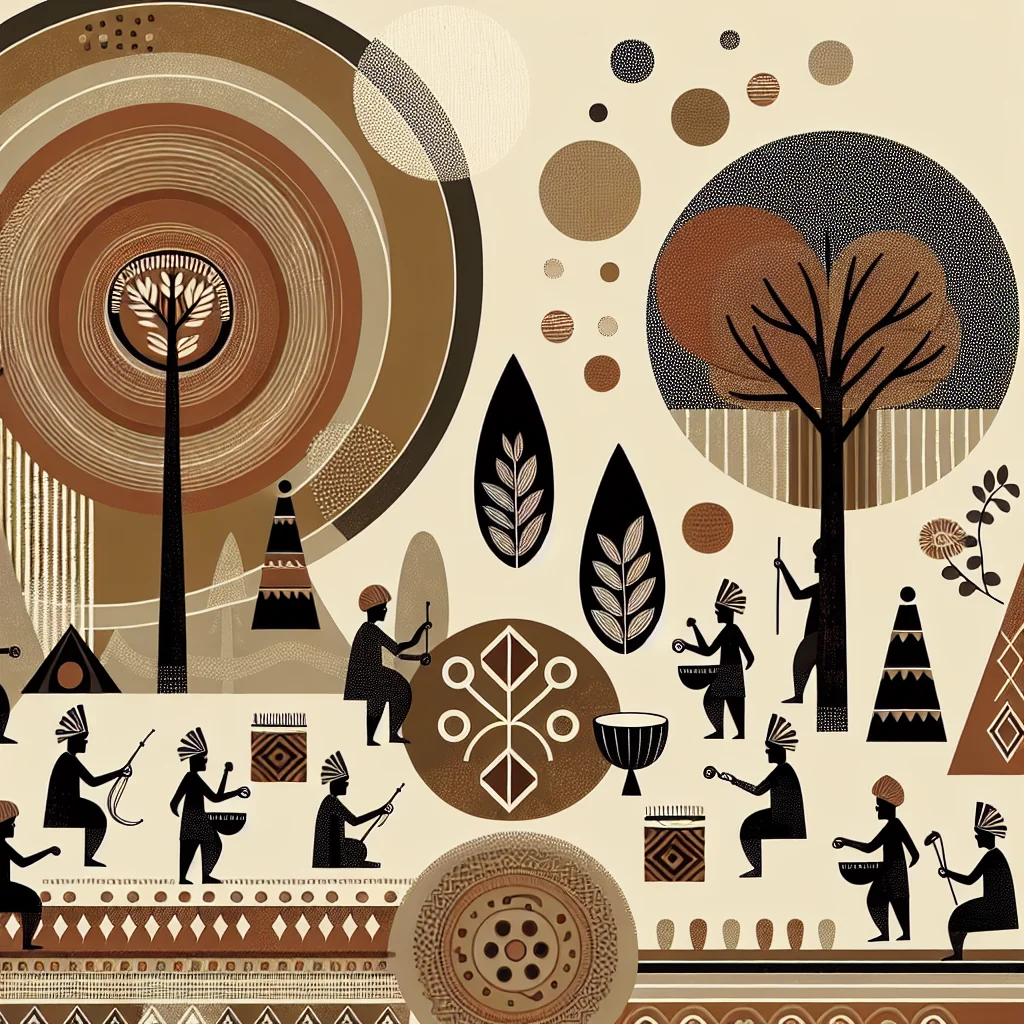
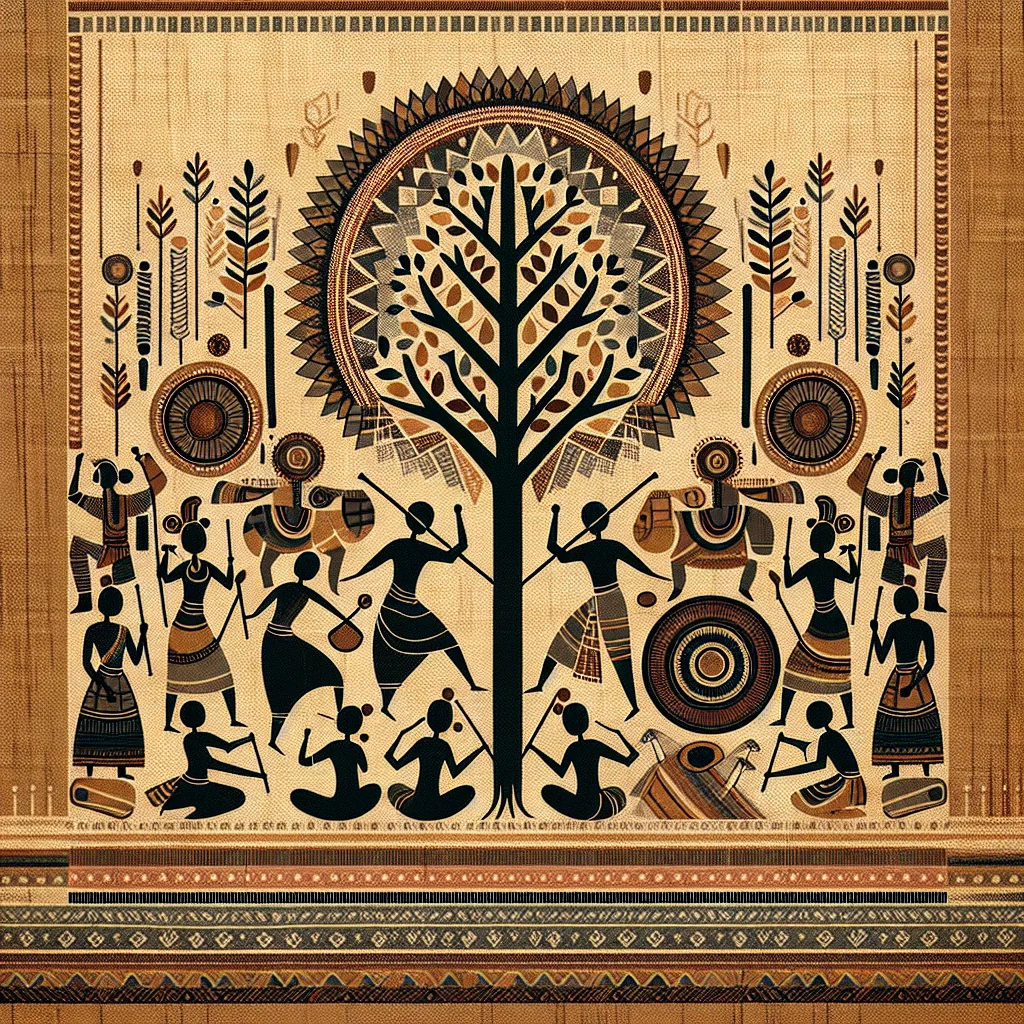
Oraon art includes intricate designs in textiles and crafts, while music and dance are integral to cultural expression, featuring traditional instruments like the Mandar and Nagara.
Cultural Symbols Motifs
Common symbols include natural elements like trees and animals, reflecting their connection to the environment.
What Brings Joy
Community gatherings, festivals, and traditional dances bring joy and strengthen social bonds.
Celebrations Joyful Traditions
Festivals like Sarhul and Karma are celebrated with music, dance, and communal feasts, marking important agricultural and seasonal events.
Cultural Calendar And Holidays
The Oraon cultural calendar is marked by agricultural cycles, with festivals and rituals aligned with sowing and harvest seasons.
Additional Notes
Oraon cultural expression is vibrant and community-focused, with a strong emphasis on preserving traditions through generations.
Economic Context And Occupations
The Oraon primarily engage in agriculture, with some involved in forestry and labor work. Economic opportunities are expanding with education and urban migration.
Housing And Living Arrangements
Traditional Oraon housing is made of natural materials like mud and thatch, with communal living spaces reflecting their social structure.
Nutrition And Dietary Norms
The Oraon diet is largely plant-based, with staples like rice, millet, and seasonal vegetables, supplemented by occasional meat and fish.
Interpretation Needs
Interpretation services may be needed for Oraon speakers in healthcare and legal settings, particularly for those who speak only Kurukh.
Interpreter Notes
Interpreters should be familiar with cultural nuances and respectful of Oraon traditions and communication styles.
Documentation Traditions
Oraon traditions are primarily oral, with stories, songs, and rituals passed down through generations.
Interactions With Other Cultures
The Oraon interact with neighboring tribal and non-tribal communities, sharing cultural practices and participating in regional festivals.
Conflict Resolution Mechanisms
Conflicts are often resolved through community meetings and the mediation of elders, emphasizing consensus and harmony.
Cultural Exchange Programs
There are initiatives to promote cultural exchange and understanding between Oraon and other communities, often through educational and cultural programs.
Trade Relations
Trade relations exist with nearby communities, particularly in agricultural products and traditional crafts.
Shared Artistic Projects
Collaborative artistic projects with other tribal groups are common, showcasing shared cultural heritage.
Intercultural Marriages
Intercultural marriages occur, often strengthening ties between different communities and fostering cultural exchange.
Shared Educational Initiatives
Educational initiatives often involve collaboration with other tribal groups, focusing on cultural preservation and modern education.
Youth Perspectives
Oraon youth are increasingly engaging with modern education and technology, while maintaining a connection to their cultural roots.
Education Initiatives
There are efforts to improve educational access and quality for Oraon youth, with a focus on bilingual education and cultural studies.
Future Challenges
Challenges include balancing modernization with cultural preservation, economic opportunities, and environmental sustainability.
Youth Employment Trends
Employment trends show a shift towards urban jobs and entrepreneurship, with many youth pursuing higher education and skilled professions.
Future Visions
The Oraon envision a future where cultural heritage is preserved alongside economic and educational advancement.
Youth Leadership Roles
Youth are increasingly taking on leadership roles in community development and cultural preservation initiatives.
Innovation And Startups
There is a growing interest in innovation and startups among Oraon youth, particularly in areas like agriculture, technology, and sustainable practices.
Festivals And Celebrations
Festivals such as Sarhul and Karma are central to Oraon cultural life, celebrating nature and community through music, dance, and rituals.
Traditional Medicine Practices
Traditional medicine involves the use of local herbs and spiritual healing, often practiced by community healers.
Environmental Practices
The Oraon practice sustainable agriculture and forest conservation, reflecting their deep connection to the land.
Rituals
Rituals often involve offerings to nature spirits and ancestors, seeking blessings for health and prosperity.
Rites Of Passage
Rites of passage include ceremonies for birth, marriage, and death, marking important life transitions with community participation.
Culinary Traditions
Oraon cuisine features locally sourced ingredients, with dishes like rice, lentils, and seasonal vegetables, often prepared communally.
Climate Adaptation Strategies
Adaptation strategies include traditional agricultural practices that are resilient to climate changes, such as crop rotation and mixed farming.
Biodiversity Conservation
The Oraon engage in biodiversity conservation through sustainable land use and protection of sacred groves.
Sustainable Tourism Practices
There is potential for sustainable tourism that highlights Oraon culture and natural heritage, promoting eco-friendly practices.
Renewable Energy Use
Some Oraon communities are exploring renewable energy sources, such as solar power, to meet their energy needs sustainably.
Community Involvement In Practices
Community involvement is central to environmental and cultural practices, with collective decision-making and participation.
Environmental Education Programs
Programs are being developed to educate Oraon youth about environmental conservation and sustainable practices.
Notable Figures
Notable Oraon figures include leaders and activists who have contributed to tribal rights and cultural preservation.
Cultural Innovations
Innovations include the adaptation of traditional crafts for modern markets and the integration of cultural elements into contemporary art forms.
Literary Works
Oraon oral literature includes folktales, songs, and proverbs that convey cultural values and historical narratives.
Architectural Styles
Traditional Oraon architecture features eco-friendly designs using local materials, reflecting their environmental ethos.
Scientific Contributions
Contributions include traditional knowledge of agriculture and herbal medicine, which are increasingly recognized for their scientific value.
Culinary Innovations
Culinary innovations involve the fusion of traditional and modern cooking techniques, promoting Oraon cuisine to wider audiences.
Global Influence
The Oraon culture has influenced global discussions on indigenous rights and environmental conservation.
Awards And Recognition
Oraon individuals and communities have received recognition for their contributions to cultural preservation and social development.
Modern Influences
Modern influences include increased access to education, technology, and media, impacting Oraon lifestyle and cultural practices.
Digital Presence
The Oraon are increasingly using digital platforms to share cultural content and connect with diaspora communities.
Globalization Effects
Globalization has brought both opportunities and challenges, with increased cultural exchange and pressures on traditional practices.
Urbanization Effects
Urbanization has led to changes in living arrangements and employment, with some Oraon adapting to urban lifestyles while maintaining cultural ties.
Technology Adoption
Technology adoption is growing, with Oraon youth using digital tools for education, communication, and cultural promotion.
Hybrid Cultural Forms
Hybrid cultural forms are emerging, blending traditional Oraon elements with contemporary influences in art, music, and fashion.
Social Media Presence
Social media is used by Oraon individuals and groups to promote cultural awareness and engage with broader audiences.
Challenges
Challenges include cultural assimilation pressures, economic disparities, and environmental threats to traditional lands.
Preservation Efforts
Preservation efforts focus on documenting oral traditions, promoting cultural education, and advocating for indigenous rights.
Cultural Artwork
Community Discussion
Further Reading
Explore credible external sources to deepen your understanding of Oraon culture.