
Nias
Nias Island, North Sumatra, Indonesia NiasIndonesian
The Nias culture is indigenous to Nias Island, located off the western coast of Sumatra, Indonesia. Known for its rich traditions, unique architecture, and vibrant festivals, the Nias people have a distinct cultural identity.
Historical Context
Nias Island has a long history of megalithic culture, with evidence of human settlement dating back thousands of years. The island was historically isolated, which helped preserve its unique cultural practices.
Migration Patterns
The Nias people are believed to have migrated from mainland Southeast Asia, with cultural influences from other Austronesian groups.
Conflict And Resilience History
Nias has faced challenges such as colonial influence and natural disasters, including the 2005 earthquake, but the community has shown resilience in preserving its cultural heritage.
Diaspora Perspectives
There is a small Nias diaspora in urban areas of Indonesia, where they maintain cultural practices and community ties.
Regional Variations
Cultural practices can vary between northern and southern parts of Nias Island, with differences in dialects and traditional ceremonies.
Bridging Notes
Efforts are ongoing to bridge traditional practices with modern influences, ensuring cultural preservation while embracing development.
Spiritual And Religious Practices
The Nias people traditionally practiced animism, with a belief in spirits and ancestors. Christianity, particularly Protestantism, has become prevalent due to missionary influence.
Beliefs And Worldview
Nias culture emphasizes harmony with nature, respect for ancestors, and community cooperation.
Cultural Proverbs Sayings
Proverbs often reflect values of bravery, community, and respect for elders.
Naming Conventions And Terms Of Address
Names often reflect familial ties and ancestral lineage, with respect shown through specific terms of address for elders.
Health And Mental Health
Traditional health practices include herbal medicine and spiritual healing. Modern healthcare is accessible in urban areas but limited in rural regions.
Mental Health Views
Mental health is often viewed through a spiritual lens, with traditional healers playing a role in addressing psychological issues.
Traditional Healers
Known as 'dukun', these healers use herbal remedies and spiritual rituals to treat ailments.
Gender Roles In Healthcare
Women often serve as caregivers within families, while men may seek external healthcare services.
Healthcare Barriers
Geographical isolation and limited infrastructure pose challenges to accessing healthcare services.
Education And Learning Styles
Education is valued, with a focus on both formal schooling and traditional knowledge. Storytelling and hands-on learning are common.
Learning Styles
Interactive and communal learning styles are prevalent, with an emphasis on oral traditions.
Parental Engagement
Parents are actively involved in their children's education, often emphasizing the importance of cultural knowledge alongside formal education.
Family And Social Structure
The Nias community is organized around extended family units, with a strong emphasis on kinship and communal living.
Discipline And Behavior
Discipline is maintained through community norms and respect for elders, with a focus on collective well-being.
Authority Attitudes
Elders and traditional leaders hold significant authority, guiding community decisions and conflict resolution.
Etiquette And Customs
Respectful greetings, communal meals, and participation in community events are important customs.
Community Strengths Resilience
Strong kinship ties and communal support systems contribute to the resilience and cohesion of Nias communities.
Art Music And Expression
Nias culture is rich in artistic expression, including traditional dances, music, and wood carving. The 'Fame'e Afo' dance is a notable cultural performance.
Cultural Symbols Motifs
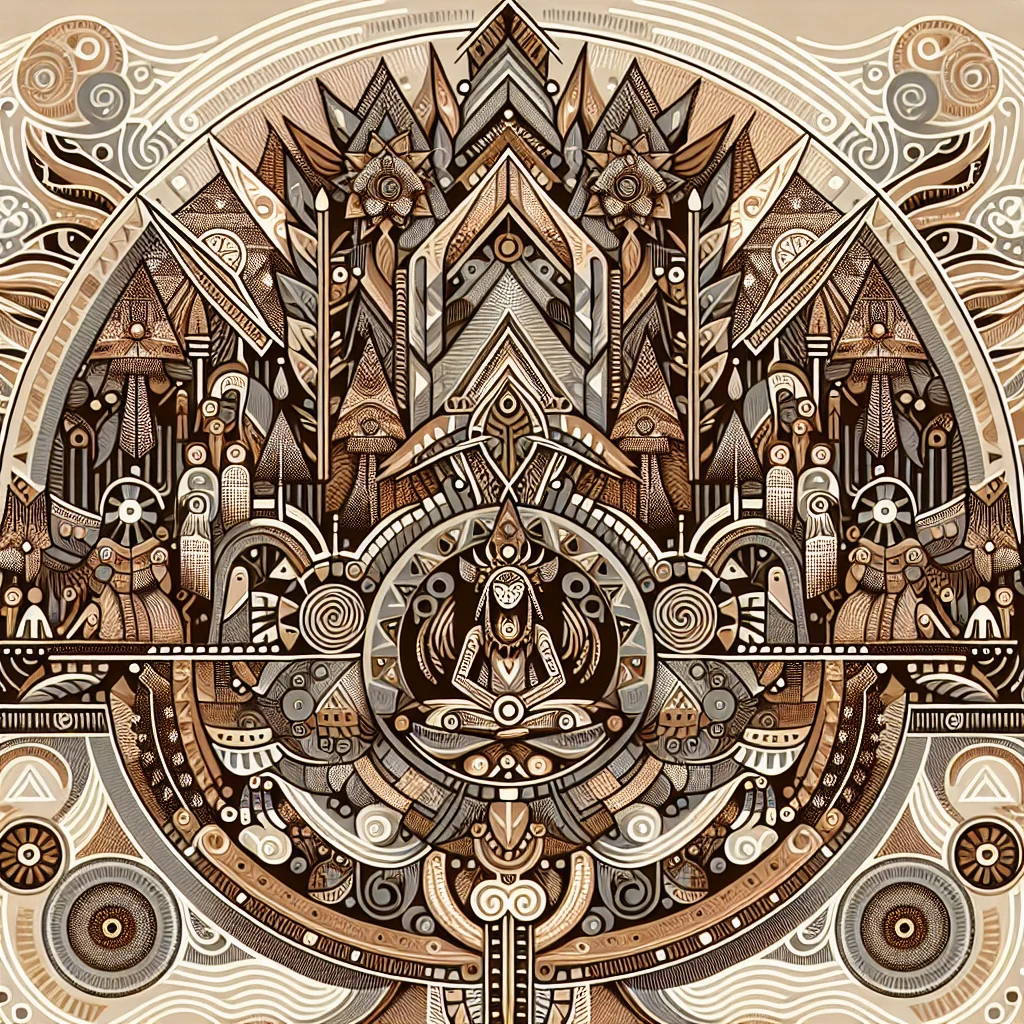
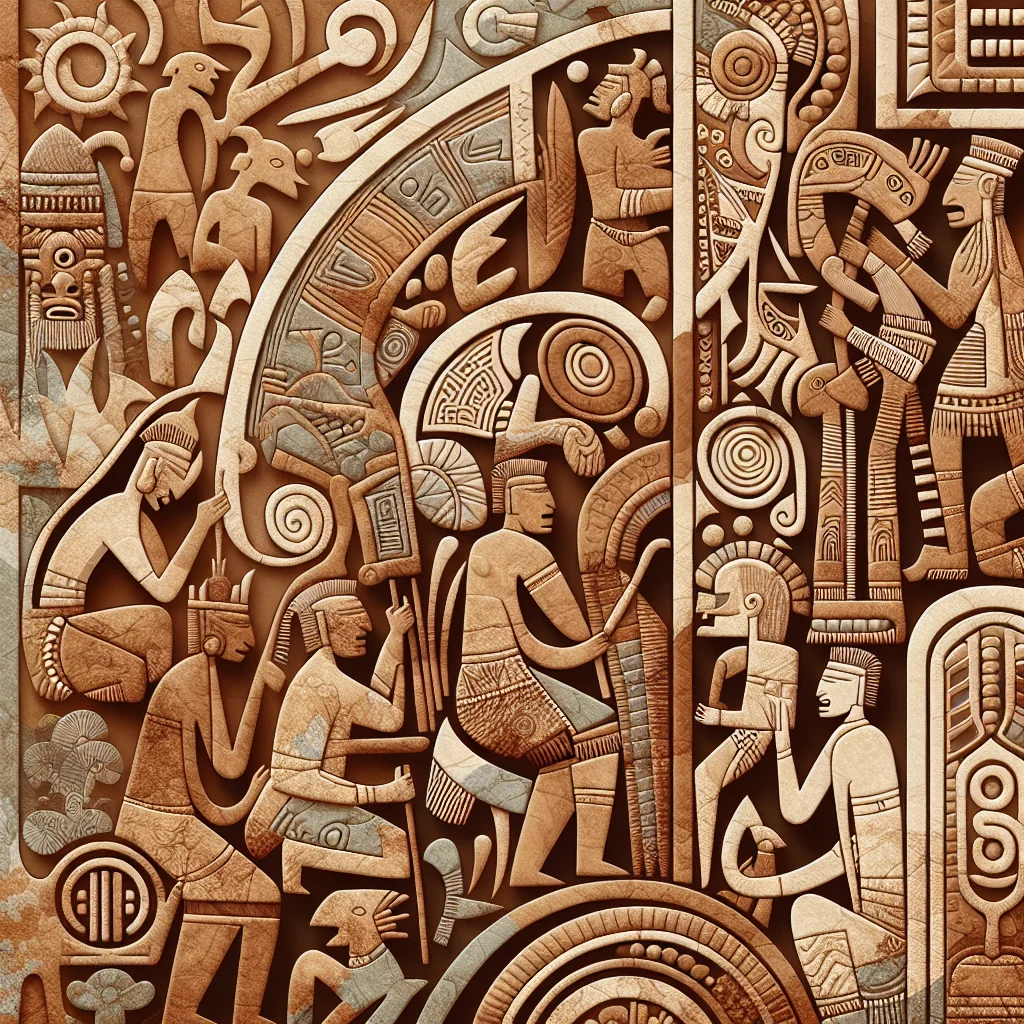
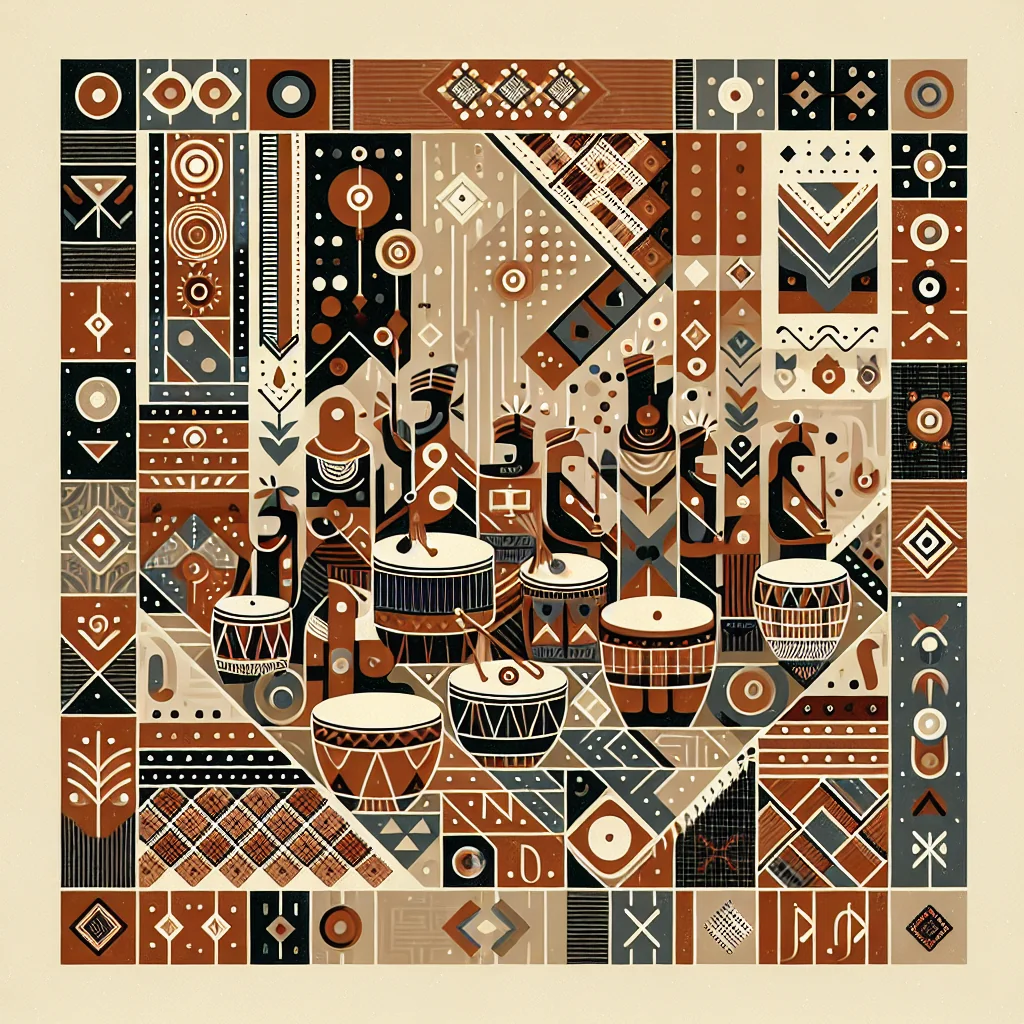
Common motifs include geometric patterns and representations of animals, often seen in carvings and textiles.
What Brings Joy
Community gatherings, traditional festivals, and music bring joy and strengthen social bonds.
Celebrations Joyful Traditions
Festivals such as 'Ono Niha' celebrate cultural heritage with music, dance, and communal feasts.
Cultural Calendar And Holidays
Cultural events are often tied to agricultural cycles and religious observances, blending traditional and Christian practices.
Additional Notes
Nias art and music are integral to cultural identity, serving as a means of storytelling and historical preservation.
Economic Context And Occupations
The economy is primarily based on agriculture, fishing, and handicrafts, with tourism growing in importance.
Housing And Living Arrangements
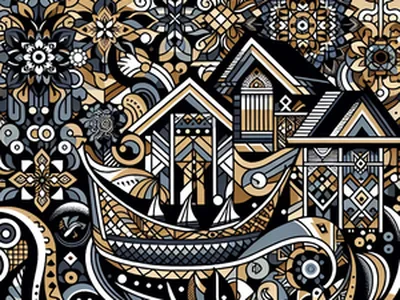
Traditional houses, known as 'Omo Hada', are built on stilts and feature intricate carvings, reflecting social status and cultural values.
Nutrition And Dietary Norms
The diet is based on rice, tubers, fish, and locally grown vegetables, with communal meals being a central aspect of social life.
Interpretation Needs
Interpretation services may be needed for Nias speakers in healthcare and legal settings, especially in urban areas.
Interpreter Notes
Interpreters should be familiar with cultural nuances and traditional terms used in the Nias language.
Documentation Traditions
Oral traditions are strong, with stories and histories often passed down verbally rather than in written form.
Interactions With Other Cultures
Nias people interact with neighboring cultures through trade and intermarriage, while maintaining distinct cultural practices.
Conflict Resolution Mechanisms
Traditional leaders and community councils play a key role in mediating disputes and maintaining harmony.
Cultural Exchange Programs
There are initiatives to promote cultural exchange and understanding between Nias and other Indonesian cultures.
Trade Relations
Trade of agricultural products and handicrafts is common with neighboring islands and mainland Sumatra.
Shared Artistic Projects
Collaborations in art and music with other Indonesian cultures help promote cultural diversity and mutual appreciation.
Intercultural Marriages
Intermarriage with other ethnic groups is present, often leading to a blending of cultural practices.
Shared Educational Initiatives
Educational programs aim to preserve Nias culture while integrating broader Indonesian educational standards.
Youth Perspectives
Nias youth are increasingly engaging with global cultures through education and technology, while valuing their cultural roots.
Education Initiatives
Programs focus on bilingual education, incorporating both Nias language and Indonesian, to preserve linguistic heritage.
Future Challenges
Balancing modernization with cultural preservation is a key challenge, as is addressing economic opportunities for youth.
Youth Employment Trends
Many young people are moving to urban areas for better employment opportunities, leading to concerns about cultural continuity.
Future Visions
There is a vision for sustainable development that respects cultural heritage while embracing technological advancements.
Youth Leadership Roles
Youth are increasingly taking on leadership roles in cultural preservation and community development initiatives.
Innovation And Startups
Entrepreneurial initiatives in tourism and handicrafts are emerging, driven by young Nias entrepreneurs.
Festivals And Celebrations
Festivals such as 'Ya'ahowu' celebrate cultural heritage with traditional music, dance, and communal gatherings.
Traditional Medicine Practices
Herbal remedies and spiritual healing are integral to traditional medicine, often practiced by community healers.
Environmental Practices
Sustainable farming and fishing practices are traditional, with a focus on maintaining ecological balance.
Rituals
Rituals often involve offerings to ancestors and nature spirits, reflecting a deep connection to the environment.
Rites Of Passage
Ceremonies mark important life stages, such as birth, marriage, and death, with community participation.
Culinary Traditions
Traditional dishes feature locally sourced ingredients, with communal meals playing a central role in social life.
Climate Adaptation Strategies
Traditional knowledge is used to adapt to climate changes, particularly in agriculture and fishing.
Biodiversity Conservation
Efforts are made to preserve local biodiversity, recognizing its importance to cultural and ecological health.
Sustainable Tourism Practices
Tourism initiatives focus on cultural heritage and environmental sustainability, promoting responsible travel.
Renewable Energy Use
There is growing interest in renewable energy sources, such as solar power, to reduce environmental impact.
Community Involvement In Practices
Community participation is key in environmental and cultural preservation efforts, ensuring local engagement and ownership.
Environmental Education Programs
Programs aim to educate the community, especially youth, about environmental conservation and sustainable practices.
Notable Figures
Prominent figures include traditional leaders and artists who have contributed to cultural preservation and promotion.
Cultural Innovations
Innovations in traditional crafts and music have gained recognition, blending traditional techniques with modern influences.
Literary Works
Oral literature, including folktales and legends, is a significant aspect of Nias cultural heritage.
Architectural Styles
Nias architecture, particularly the traditional 'Omo Hada', is renowned for its unique design and cultural significance.
Scientific Contributions
While scientific contributions are limited, traditional ecological knowledge is valued for its insights into sustainable practices.
Culinary Innovations
Culinary practices incorporate traditional ingredients with new cooking methods, appealing to both locals and tourists.
Global Influence
Nias culture has gained international interest, particularly in the fields of anthropology and cultural studies.
Awards And Recognition
Cultural preservation efforts have received recognition from national and international organizations.
Modern Influences
Globalization and technology are influencing Nias culture, leading to a blend of traditional and modern practices.
Digital Presence
Social media and digital platforms are used to promote Nias culture and connect with the diaspora.
Globalization Effects
Exposure to global cultures is leading to changes in lifestyle and cultural practices, particularly among youth.
Urbanization Effects
Urbanization is impacting traditional ways of life, with migration to cities affecting cultural continuity.
Technology Adoption
Technology is increasingly adopted in education and communication, facilitating cultural exchange and preservation.
Hybrid Cultural Forms
New cultural expressions are emerging, combining traditional elements with contemporary influences.
Social Media Presence
Social media is a tool for cultural promotion and community engagement, particularly among younger generations.
Challenges
Preserving cultural identity in the face of modernization and economic pressures is a significant challenge.
Preservation Efforts
Efforts include cultural festivals, educational programs, and community initiatives to maintain and promote Nias heritage.
Cultural Artwork
Community Discussion
Further Reading
Explore credible external sources to deepen your understanding of Nias culture.