
Mozambique
Southeastern Africa PortugueseEmakhuwaXitsonga
Located in southeastern Africa, Mozambique is a country with a rich cultural heritage.
Historical Context
Mozambique has a history dating back to the 10th century, with various empires and colonial powers influencing its development.
Migration Patterns
The country has experienced significant migration patterns due to colonialism, civil war, and economic factors.
Conflict And Resilience History
Mozambique has faced numerous conflicts, including a long civil war, but has shown resilience in rebuilding and recovering.
Diaspora Perspectives
The Mozambican diaspora is significant, with many communities around the world maintaining strong ties to their homeland.
Regional Variations
Regional variations exist within Mozambique, reflecting local customs, languages, and traditions.
Spiritual And Religious Practices
Mozambicans practice a mix of traditional animism, Christianity, and Islam, with many blending these faiths in their daily lives.
Beliefs And Worldview
The Mozambican worldview emphasizes community, respect for elders, and a strong connection to nature.
Cultural Proverbs Sayings
Proverbs like 'Ukutya kwakwana' (Food is shared) emphasize the importance of sharing and community.
Naming Conventions And Terms Of Address
Names often reflect family ties or cultural heritage, with terms of address showing respect for elders.
Health And Mental Health
Mozambicans face significant health challenges, including HIV/AIDS, malaria, and mental health issues.
Mental Health Views
Traditional healers play a crucial role in addressing mental health concerns, often incorporating spiritual practices.
Traditional Healers
Healers use a combination of herbal remedies, rituals, and spiritual practices to treat various ailments.
Gender Roles In Healthcare
Women often take on caregiving roles, while men may be more involved in traditional healing practices.
Healthcare Barriers
Barriers to healthcare include limited access to medical facilities, lack of resources, and cultural stigma around certain health issues.
Education And Learning Styles
Mozambican education emphasizes hands-on learning, community involvement, and respect for traditional knowledge.
Learning Styles
Learning styles vary depending on age, location, and socio-economic status, with some communities placing greater emphasis on oral traditions.
Parental Engagement
Parents often play an active role in their children's education, encouraging participation in cultural activities.
Family And Social Structure
Mozambican society is characterized by close-knit families and strong community ties.
Discipline And Behavior
Discipline is emphasized through respect for elders, community norms, and traditional practices.
Authority Attitudes
Authority figures are respected, but also subject to scrutiny and accountability within the community.
Etiquette And Customs
Etiquette emphasizes politeness, respect for elders, and proper use of titles and honorifics.
Community Strengths Resilience
Community strength lies in its ability to come together during times of crisis, with resilience built on shared values and traditions.
Art Music And Expression
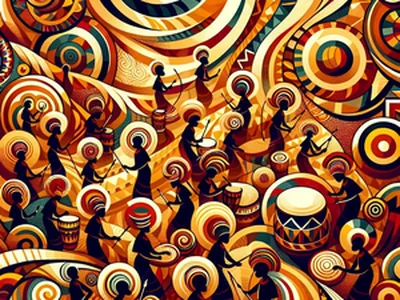
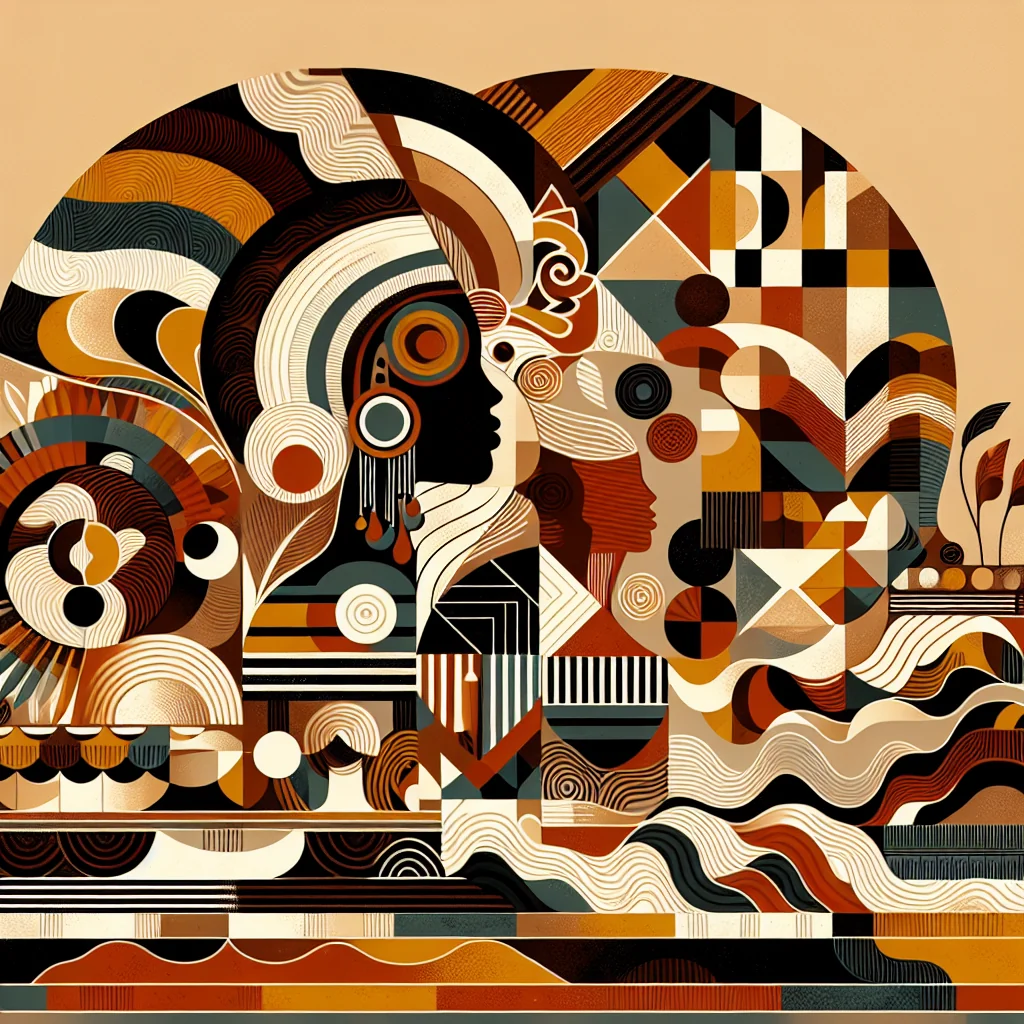
Mozambican art reflects African, Portuguese, and indigenous influences, with a focus on music, dance, and visual arts.
Cultural Symbols Motifs
Symbols like the 'Matopos' (a mythical creature) represent Mozambican identity and connection to nature.
What Brings Joy
Joy is often found in community celebrations, traditional music, and shared storytelling.
Celebrations Joyful Traditions
Celebrations include the 'Festa do Divino Espírito Santo' (Feast of the Divine Holy Spirit), emphasizing faith, family, and community.
Cultural Calendar And Holidays
Mozambique celebrates various holidays, including Independence Day (June 25th) and Heroes' Day (September 3rd).
Economic Context And Occupations
The economy is primarily driven by agriculture, with a growing service sector.
Housing And Living Arrangements
Housing varies from rural villages to urban apartments, with many communities relying on extended family networks for support.
Nutrition And Dietary Norms
Diet consists of staple foods like maize, rice, and cassava, often accompanied by fish or meat.
Interpretation Needs
Interpretation services are necessary due to the country's linguistic diversity, with many languages spoken alongside Portuguese.
Interpreter Notes
Interpreters may be required for official business, education, and healthcare interactions.
Documentation Traditions
Documentation often involves written records in Portuguese or local languages, with oral traditions also playing a significant role.
Interactions With Other Cultures
Mozambique engages in cultural exchange programs with neighboring countries, promoting understanding and cooperation.
Conflict Resolution Mechanisms
Disputes are often resolved through mediation, emphasizing community involvement and respect for traditional practices.
Cultural Exchange Programs
Programs like the 'Africa Cultural Exchange Program' facilitate collaboration between Mozambican and international artists.
Trade Relations
Mozambique engages in trade with various countries, including South Africa, China, and Portugal.
Shared Artistic Projects
Artists from Mozambique collaborate on projects with international partners, showcasing African creativity and innovation.
Intercultural Marriages
Intermarriage between Mozambicans and people from other cultures is common, reflecting the country's openness to diversity.
Shared Educational Initiatives
Mozambique participates in regional educational initiatives, promoting cross-cultural understanding and cooperation.
Youth Perspectives
Youth in Mozambique face challenges like unemployment, but also drive innovation and entrepreneurship through initiatives like 'Start-Up Mozambique'.
Education Initiatives
Initiatives focus on improving access to education, particularly for girls and marginalized communities.
Future Challenges
Challenges include addressing climate change, promoting economic development, and ensuring social justice.
Youth Employment Trends
Youth employment trends show a shift towards entrepreneurship, with many starting their own businesses or working in the service sector.
Future Visions
Mozambicans envision a future where technology drives innovation, education is accessible to all, and community development is prioritized.
Youth Leadership Roles
Youth take on leadership roles in various sectors, including politics, business, and civil society.
Innovation And Startups
Innovation hubs like 'Mozambique Innovation Hub' support startups and entrepreneurs, driving economic growth.
Festivals And Celebrations
Festivals like the 'Festa do Divino Espírito Santo' (Feast of the Divine Holy Spirit) bring communities together to celebrate faith, family, and community.
Traditional Medicine Practices
Traditional healers use herbal remedies, rituals, and spiritual practices to treat various ailments.
Environmental Practices
Mozambicans prioritize environmental conservation through sustainable agriculture, reforestation efforts, and waste management initiatives.
Culinary Traditions
Culinary traditions emphasize local ingredients, often featuring staple foods like maize, rice, and cassava.
Climate Adaptation Strategies
Strategies include adapting agricultural practices to climate change, promoting renewable energy sources, and implementing early warning systems for natural disasters.
Community Involvement In Practices
Community involvement is crucial in environmental conservation efforts, with many participating in tree planting, beach cleanups, and other initiatives.
Environmental Education Programs
Programs focus on promoting environmental awareness, sustainable practices, and climate change mitigation among Mozambican youth.
Notable Figures
Notable figures include Nelson Mandela, who played a significant role in Mozambique's struggle for independence.
Cultural Innovations
Innovations like the 'Mozambican dance style' blend traditional and modern elements, showcasing African creativity and expression.
Literary Works
Literary works by authors like Mia Couto reflect the country's rich cultural heritage and its struggles with colonialism and independence.
Architectural Styles
Architectural styles in Mozambique blend African, Portuguese, and indigenous influences, reflecting the country's complex history.
Scientific Contributions
Scientists from Mozambique have made significant contributions to fields like medicine, agriculture, and environmental science.
Culinary Innovations
Culinary innovations like 'Peri-Peri chicken' combine traditional flavors with modern twists, showcasing African creativity in the culinary arts.
Global Influence
Mozambican culture has a global influence through its music, dance, art, and literature, inspiring artists and audiences worldwide.
Awards And Recognition
Awards like the 'Prémio Mozambique' recognize outstanding contributions to Mozambican culture, education, and community development.
Modern Influences
Modern influences from technology, media, and international culture shape Mozambican society, often blending with traditional practices.
Digital Presence
Mozambicans increasingly use digital platforms for communication, commerce, and cultural expression.
Globalization Effects
Globalization has brought economic growth, but also challenges like cultural homogenization and environmental degradation.
Urbanization Effects
Urbanization has led to economic growth, but also challenges like overcrowding, pollution, and social inequality.
Technology Adoption
Technology adoption is increasing, particularly among youth, driving innovation and entrepreneurship in sectors like agriculture, finance, and education.
Hybrid Cultural Forms
Hybrid forms of music, dance, and art blend traditional and modern elements, reflecting the country's complex cultural identity.
Social Media Presence
Social media platforms like Facebook, WhatsApp, and Instagram are widely used in Mozambique for communication, information sharing, and community engagement.
Challenges
Challenges facing Mozambican culture include preserving traditional practices in the face of globalization, addressing climate change, and promoting social justice.
Preservation Efforts
Efforts to preserve cultural heritage involve initiatives like language documentation, oral history projects, and community-based conservation programs.
Cultural Artwork
Community Discussion
Further Reading
Explore credible external sources to deepen your understanding of Mozambique culture.