
Moroccan
North Africa ArabicBerberFrenchSpanish
The Moroccan culture is a rich and diverse blend of Arab, Berber, and Mediterranean influences.
Historical Context
Morocco has a complex history, with various empires rising and falling over the centuries. The ancient Phoenicians established trade routes in Morocco around 1000 BCE.
Migration Patterns
Morocco has experienced significant migration patterns throughout its history, including the arrival of Arab and Berber tribes from North Africa and the Middle East.
Conflict And Resilience History
Morocco has faced numerous conflicts over the centuries, including wars with European powers and internal struggles for power. However, it has also shown remarkable resilience in preserving its cultural heritage.
Diaspora Perspectives
The Moroccan diaspora is significant, with many Moroccans living abroad, particularly in France, Spain, and other parts of Europe.
Regional Variations
Morocco has several regional variations, including the Berber-speaking regions of the Atlas Mountains and the Arabic-speaking coastal cities.
Spiritual And Religious Practices
Islam is the dominant religion in Morocco, with over 99% of the population identifying as Muslim. However, there are also significant minority communities of Christians and Jews.
Beliefs And Worldview
Moroccan culture places a strong emphasis on family, community, and tradition. Moroccans believe in the importance of respecting elders and authority figures.
Cultural Proverbs Sayings
Some common Moroccan proverbs include 'Alhamdulillah' (Praise be to God) and 'Mashallah' (God's will).
Naming Conventions And Terms Of Address
In Morocco, it is customary to use formal titles such as 'Hajj' or 'Sheikh' when addressing older men. Women are often addressed with the title 'Khadija'.
Health And Mental Health
Moroccan culture places a strong emphasis on traditional medicine and holistic approaches to health.
Mental Health Views
Mental health is still stigmatized in Moroccan society, but there are efforts underway to raise awareness and provide support services.
Traditional Healers
Traditional healers, known as 'Hakims', play an important role in Moroccan healthcare, particularly for treating mental and spiritual ailments.
Gender Roles In Healthcare
Women often take on a caregiving role in Moroccan society, but men are increasingly involved in healthcare decision-making.
Healthcare Barriers
Access to healthcare is limited in rural areas, and there are significant barriers to accessing modern medical services.
Education And Learning Styles
Moroccan education places a strong emphasis on rote memorization and traditional teaching methods.
Learning Styles
Students often learn through repetition and practice, with an emphasis on mastering basic skills before moving on to more complex subjects.
Parental Engagement
Parents are highly involved in their children's education, particularly in rural areas where access to formal schooling is limited.
Family And Social Structure
Moroccan culture places a strong emphasis on family and community ties. Extended families often live together or nearby.
Discipline And Behavior
Children are taught from an early age to respect authority figures and adhere to traditional values and norms.
Authority Attitudes
Authority is highly respected in Moroccan society, particularly among older men.
Etiquette And Customs
Moroccan culture places a strong emphasis on hospitality and respect for guests. Visitors are often greeted with tea and offered food and shelter.
Community Strengths Resilience
Moroccan communities are known for their resilience and ability to adapt to challenging circumstances.
Art Music And Expression
Moroccan art and music are highly expressive and emotive, reflecting the country's rich cultural heritage.
Cultural Symbols Motifs
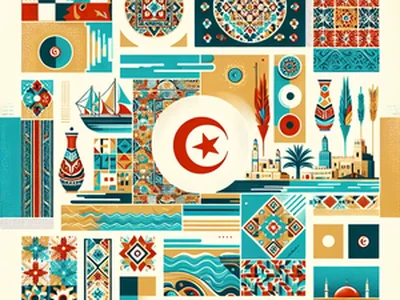
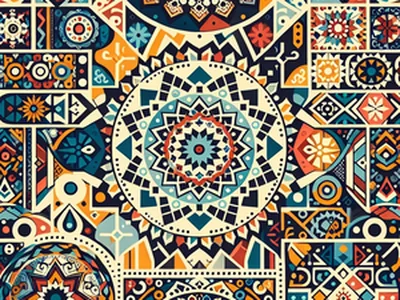
Common motifs in Moroccan art include geometric patterns, floral designs, and Arabic calligraphy.
What Brings Joy
Music, dance, and storytelling are all important sources of joy and entertainment in Moroccan culture.
Celebrations Joyful Traditions
Moroccan celebrations often involve music, dance, and feasting. The most significant celebration is Eid al-Fitr, marking the end of Ramadan.
Cultural Calendar And Holidays
The Moroccan calendar includes several important holidays, including Eid al-Adha, Ashura, and Mawlid al-Nabi.
Economic Context And Occupations
Morocco has a diverse economy, with significant sectors in agriculture, manufacturing, and tourism.
Housing And Living Arrangements
Housing options vary widely in Morocco, from traditional riads to modern apartments.
Nutrition And Dietary Norms
Traditional Moroccan cuisine is heavily influenced by Arabic, Berber, and Mediterranean flavors. Staples include couscous, tagines, and harira soup.
Interpretation Needs
Interpretation services are often required for non-Arabic speakers, particularly in rural areas.
Interpreter Notes
Interpreters may be needed to facilitate communication between Arabic-speaking Moroccans and visitors or service providers.
Documentation Traditions
Documentation is often informal in Moroccan culture, with a strong emphasis on oral tradition and storytelling.
Interactions With Other Cultures
Morocco has significant cultural exchange programs with European countries, particularly France and Spain.
Conflict Resolution Mechanisms
Disputes are often resolved through mediation or arbitration, reflecting the importance of community and family ties in Moroccan culture.
Cultural Exchange Programs
Cultural exchange programs are popular in Morocco, with many students and professionals participating in exchanges with European countries.
Trade Relations
Morocco has significant trade relationships with Europe, particularly France and Spain.
Shared Artistic Projects
Moroccan artists often collaborate with international partners on joint projects, reflecting the country's rich cultural heritage.
Intercultural Marriages
Intercultural marriages are becoming increasingly common in Morocco, particularly between Moroccans and Europeans.
Shared Educational Initiatives
Morocco has several educational initiatives in partnership with European countries, focusing on language training, teacher exchange programs, and curriculum development.
Youth Perspectives
Youth in Morocco are increasingly interested in technology, entrepreneurship, and social activism.
Education Initiatives
Several education initiatives aim to improve access to quality education for Moroccan youth, particularly in rural areas.
Future Challenges
Morocco faces several challenges in the future, including climate change, economic development, and social inequality.
Youth Employment Trends
Youth employment trends are shifting towards more informal and entrepreneurial approaches, reflecting the country's growing startup culture.
Future Visions
Many Moroccans envision a brighter future for their country, with increased economic growth, improved education, and enhanced social welfare.
Youth Leadership Roles
Youth are increasingly taking on leadership roles in Moroccan society, particularly in areas such as technology, entrepreneurship, and activism.
Innovation And Startups
Morocco has a growing startup culture, with many innovative companies emerging in fields such as clean energy, e-commerce, and fintech.
Festivals And Celebrations
Moroccan festivals often involve music, dance, and feasting. The most significant celebration is Eid al-Fitr, marking the end of Ramadan.
Traditional Medicine Practices
Traditional healers, known as 'Hakims', play an important role in Moroccan healthcare, particularly for treating mental and spiritual ailments.
Environmental Practices
Moroccan culture places a strong emphasis on environmental conservation, with many communities involved in sustainable agriculture and eco-tourism initiatives.
Rituals
Rituals are an important part of Moroccan culture, often involving music, dance, and prayer. Examples include the annual pilgrimage to Mecca and the celebration of Eid al-Fitr.
Rites Of Passage
Moroccan culture places a strong emphasis on traditional rites of passage, including birth, marriage, and death ceremonies.
Culinary Traditions
Traditional Moroccan cuisine is heavily influenced by Arabic, Berber, and Mediterranean flavors. Staples include couscous, tagines, and harira soup.
Climate Adaptation Strategies
Morocco is implementing various climate adaptation strategies, including renewable energy projects, water management systems, and disaster risk reduction programs.
Biodiversity Conservation
Biodiversity conservation efforts are underway in Morocco, focusing on protecting endangered species and preserving natural habitats.
Sustainable Tourism Practices
Sustainable tourism practices are becoming increasingly popular in Morocco, with many tour operators promoting eco-friendly accommodations and activities.
Renewable Energy Use
Renewable energy use is growing in Morocco, particularly solar and wind power, as the country seeks to reduce its reliance on fossil fuels.
Community Involvement In Practices
Community involvement in environmental practices is significant in Morocco, with many communities participating in conservation efforts and sustainable development initiatives.
Environmental Education Programs
Environmental education programs are becoming increasingly popular in Moroccan schools, focusing on topics such as climate change, biodiversity conservation, and sustainable agriculture.
Notable Figures
Notable figures from Morocco include the poet and writer Mohammed Khair-Eddine, the artist and sculptor Ahmed Slaoui, and the musician and composer Hassan El-Hajjami.
Cultural Innovations
Morocco has made significant cultural innovations in areas such as literature, art, music, and film. Examples include the development of Arabic calligraphy and the creation of traditional Moroccan instruments like the qraqeb.
Literary Works
Notable literary works from Morocco include the novel 'The Sand Child' by Tahar Ben Jelloun and the poetry collection 'The Sea and the Mirror' by Abderrahim Bouabid.
Architectural Styles
Moroccan architecture is known for its unique blend of Arabic, Berber, and Mediterranean influences. Examples include the Alhambra palace in Marrakech and the Bahia Palace in Rabat.
Scientific Contributions
Morocco has made significant scientific contributions in areas such as astronomy, mathematics, and medicine. Examples include the work of the 11th-century astronomer Ibn Yunus and the development of Arabic numerals.
Culinary Innovations
Traditional Moroccan cuisine is heavily influenced by Arabic, Berber, and Mediterranean flavors. Staples include couscous, tagines, and harira soup.
Global Influence
Moroccan culture has had a significant global influence, particularly in areas such as literature, art, music, and film. Examples include the development of Arabic calligraphy and the creation of traditional Moroccan instruments like the qraqeb.
Awards And Recognition
Morocco has received numerous awards and recognition for its cultural achievements, including UNESCO World Heritage designations for several historical sites.
Modern Influences
Modern influences on Moroccan culture come from a range of sources, including European art movements, African diasporic traditions, and Middle Eastern cultural exchange programs.
Digital Presence
Moroccan culture is increasingly present online, with many artists, musicians, and writers sharing their work on social media platforms.
Globalization Effects
Globalization has had a significant impact on Moroccan culture, particularly in areas such as language, education, and economic development.
Urbanization Effects
Urbanization has had a significant impact on Moroccan culture, particularly in areas such as language, education, and economic development.
Technology Adoption
Technology adoption is growing rapidly in Morocco, particularly in areas such as mobile payments, e-commerce, and digital education.
Hybrid Cultural Forms
Hybrid cultural forms are emerging in Morocco, reflecting the country's growing diversity and cosmopolitanism. Examples include fusion music styles like Gnawa blues and Arabic rock.
Social Media Presence
Social media is increasingly popular in Morocco, with many young people using platforms like Instagram and Facebook to share their experiences and connect with others.
Challenges
Morocco faces several cultural challenges, including the preservation of traditional practices and customs in the face of globalization and urbanization.
Preservation Efforts
Efforts are underway to preserve Moroccan culture, particularly through initiatives such as language documentation, cultural heritage conservation, and community-based development programs.
Cultural Artwork
Community Discussion
Further Reading
Explore credible external sources to deepen your understanding of Moroccan culture.