
Moldova
Eastern Europe RomanianRussianMoldovan
Moldova is a small, landlocked country in Eastern Europe with a rich cultural heritage.
Historical Context
Moldova has a complex history, with various empires and dynasties vying for control over the region.
Migration Patterns
The country has experienced significant migration patterns throughout its history, including the arrival of Romanian and Russian settlers.
Conflict And Resilience History
Moldova has faced numerous conflicts, including the Soviet occupation and the Transnistrian conflict. Despite these challenges, the Moldovan people have shown remarkable resilience and adaptability.
Diaspora Perspectives
The Moldovan diaspora is scattered throughout Europe and beyond, with many communities maintaining strong ties to their homeland.
Regional Variations
Moldova has several regional variations, including the Transnistrian region, which has a distinct cultural identity.
Spiritual And Religious Practices
The majority of Moldovans are Orthodox Christians, with many attending church services regularly. There is also a significant minority of Muslims and Catholics in the country.
Beliefs And Worldview
Moldovans tend to be traditional and family-oriented, with a strong emphasis on community and social relationships.
Cultural Proverbs Sayings
Some common Moldovan proverbs include "Dragostea este viața" (Love is life) and "Familiile sunt sacre" (Families are sacred).
Naming Conventions And Terms Of Address
In Moldova, it's customary to use formal titles such as "Domnul" or "Doamna" when addressing older individuals or those in positions of authority.
Health And Mental Health
Moldovans tend to prioritize physical health and well-being, with many engaging in regular exercise and healthy eating habits.
Mental Health Views
There is a growing awareness of mental health issues in Moldova, with efforts underway to promote mental health education and support services.
Traditional Healers
Traditional healers, known as "medici populari," are still used by some communities in Moldova for treating various ailments.
Gender Roles In Healthcare
In Moldova, women tend to play a significant role in healthcare, with many working as nurses or midwives.
Healthcare Barriers
Access to quality healthcare can be limited in rural areas of Moldova, particularly for marginalized communities.
Education And Learning Styles
Moldovans value education highly, with a strong emphasis on formal schooling and academic achievement.
Learning Styles
The country has a relatively high literacy rate, with many students pursuing higher education in fields such as engineering, medicine, or law.
Parental Engagement
Parents in Moldova tend to be actively involved in their children's education, often attending parent-teacher conferences and participating in school activities.
Family And Social Structure
Moldovans place a strong emphasis on family and social relationships, with many communities maintaining close ties through extended family networks.
Discipline And Behavior
Discipline is highly valued in Moldovan culture, with children often expected to respect their elders and follow traditional norms.
Authority Attitudes
Authority figures, such as teachers or government officials, are generally respected and obeyed in Moldova.
Etiquette And Customs
Moldovans observe various customs and traditions, including the use of formal titles and the exchange of gifts during special occasions.
Community Strengths Resilience
The Moldovan community has shown remarkable resilience in the face of adversity, with many individuals and families supporting one another through difficult times.
Art Music And Expression
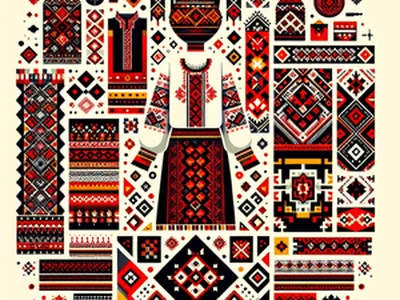
Moldova has a rich cultural heritage in music, dance, and visual arts, with many traditional folk songs and dances still performed today.
Cultural Symbols Motifs
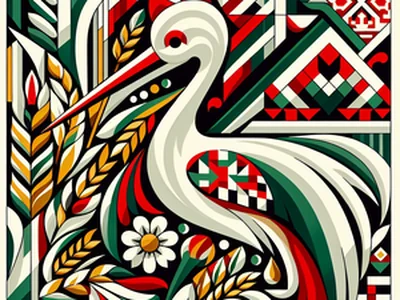
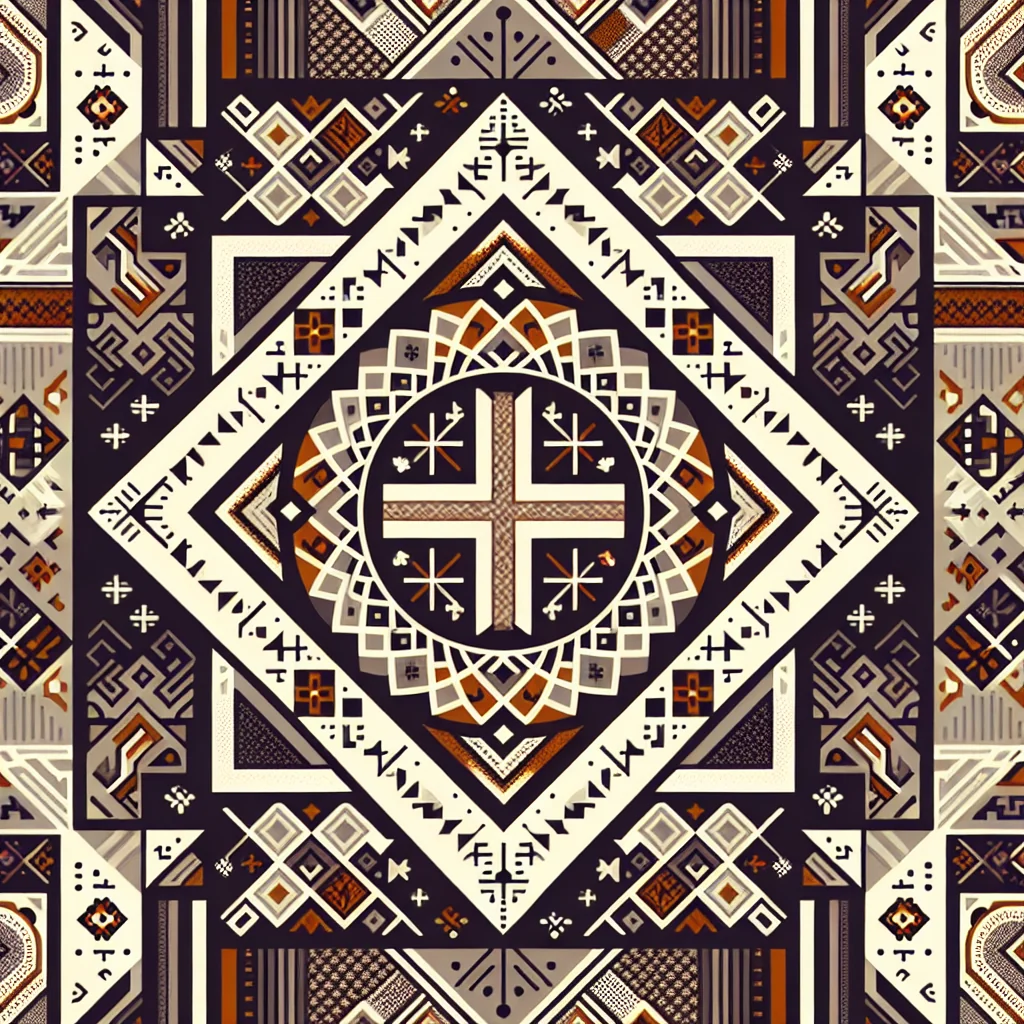
Some common Moldovan symbols include the tricolor flag, the coat of arms, and various folk motifs such as flowers or animals.
What Brings Joy
Moldovans often find joy in simple pleasures like spending time with family, enjoying traditional food, or participating in cultural events.
Celebrations Joyful Traditions
The country celebrates several holidays and festivals throughout the year, including Easter, Christmas, and the Moldovan National Day.
Cultural Calendar And Holidays
Moldova has a unique calendar of celebrations and traditions, with many tied to agricultural cycles or historical events.
Economic Context And Occupations
The Moldovan economy is primarily based on agriculture, with many people employed in farming or related industries.
Housing And Living Arrangements
Housing options vary widely in Moldova, from traditional rural homes to modern apartments in urban areas.
Nutrition And Dietary Norms
Moldovans tend to eat a diet rich in fruits, vegetables, and whole grains, with many traditional dishes featuring meat or fish.
Interpretation Needs
While Romanian is the official language of Moldova, many people also speak Russian or Ukrainian, particularly in urban areas.
Interpreter Notes
Interpreters may be needed for individuals who require assistance with communication in a different language.
Documentation Traditions
Moldovans have a rich tradition of written documentation, including historical records and literary works.
Interactions With Other Cultures
Moldovans have a long history of interacting with neighboring cultures, including the Romanians, Ukrainians, and Russians.
Conflict Resolution Mechanisms
The country has developed various mechanisms for resolving conflicts, including mediation and arbitration.
Cultural Exchange Programs
Moldova participates in several cultural exchange programs with other countries, promoting mutual understanding and cooperation.
Trade Relations
The country engages in trade relations with neighboring countries and beyond, with a focus on exporting agricultural products and manufactured goods.
Shared Artistic Projects
Moldovans have collaborated with artists from other cultures on various projects, including music, dance, and visual arts.
Intercultural Marriages
Intercultural marriages are relatively common in Moldova, reflecting the country's cultural diversity and openness to external influences.
Shared Educational Initiatives
Moldova has partnered with other countries on educational initiatives, promoting exchange programs and joint research projects.
Youth Perspectives
Young people in Moldova are increasingly interested in pursuing higher education and careers in fields such as technology, entrepreneurship, or the arts.
Education Initiatives
The government has launched several initiatives to improve access to quality education, including programs for disadvantaged youth and vocational training.
Future Challenges
Moldova faces various challenges in the future, including economic development, environmental sustainability, and social cohesion.
Youth Employment Trends
Youth employment trends in Moldova are influenced by factors such as economic conditions, education levels, and labor market demand.
Future Visions
Many young people in Moldova envision a brighter future for their country, with improved living standards, greater opportunities, and increased global connectivity.
Youth Leadership Roles
Youth leaders play an important role in shaping the future of Moldova, advocating for social change and promoting community development.
Innovation And Startups
Moldova has a growing startup ecosystem, with many young entrepreneurs launching innovative businesses in fields such as technology, agriculture, or sustainable energy.
Festivals And Celebrations
Moldova celebrates several festivals and holidays throughout the year, including Easter, Christmas, and the Moldovan National Day.
Traditional Medicine Practices
Traditional healers in Moldova use various techniques, such as herbalism or spiritual healing, to treat ailments and promote well-being.
Environmental Practices
Moldovans have a strong connection with nature, with many communities practicing sustainable agriculture, forestry, or wildlife conservation.
Rituals
The country has a rich tradition of rituals and ceremonies, including the use of sacred objects, prayers, or music to mark important life events.
Rites Of Passage
Moldovans observe various rites of passage, such as birth, coming-of-age, marriage, and death, with traditional customs and practices.
Culinary Traditions
The country has a unique culinary tradition, with many dishes featuring local ingredients like fruits, vegetables, or meat.
Climate Adaptation Strategies
Moldovans have developed various strategies to adapt to climate change, including sustainable agriculture, renewable energy, and eco-tourism initiatives.
Biodiversity Conservation
The country has made efforts to conserve biodiversity, with protected areas, wildlife reserves, and conservation programs in place.
Sustainable Tourism Practices
Moldova promotes sustainable tourism practices, encouraging visitors to respect local customs, traditions, and the environment.
Renewable Energy Use
The country has invested in renewable energy sources, including solar, wind, or hydroelectric power, to reduce dependence on fossil fuels.
Community Involvement In Practices
Moldovans often participate in community-led initiatives for environmental conservation, sustainable development, and cultural preservation.
Notable Figures
Some notable Moldovan figures include the poet Mihai Eminescu, the writer Ion Creangă, and the composer Ciprian Porumbescu.
Cultural Innovations
Moldova has made significant cultural innovations in fields such as literature, music, or visual arts, with many artists pushing boundaries and exploring new themes.
Literary Works
The country has a rich literary tradition, with works like Eminescu's "Luceafărul" and Creangă's "Miorița" considered classics of Moldovan literature.
Architectural Styles
Moldova has a unique architectural style, blending traditional elements with modern influences, as seen in buildings like the National Museum or the Palace of Culture.
Scientific Contributions
The country has made contributions to various scientific fields, including physics, mathematics, or biology, with notable researchers and scientists making significant discoveries.
Culinary Innovations
Moldovan cuisine has evolved over time, incorporating new ingredients and techniques while maintaining traditional flavors and methods.
Global Influence
Moldova's cultural influence extends beyond its borders, with many artists, writers, or musicians gaining international recognition and acclaim.
Awards And Recognition
The country has received various awards and recognition for its cultural achievements, including UNESCO designations, literary prizes, or music competitions.
Modern Influences
Moldova has been influenced by modern trends in fields such as technology, fashion, or entertainment, with many young people embracing global styles and ideas.
Digital Presence
The country has a growing digital presence, with many individuals and businesses using social media, online platforms, or e-commerce to reach new audiences.
Globalization Effects
Moldova is experiencing the effects of globalization, including increased trade, cultural exchange, and economic integration with other countries.
Urbanization Effects
The country's urbanization has led to changes in lifestyle, culture, and economy, with many people moving from rural areas to cities for work or education.
Technology Adoption
Moldovans are increasingly adopting new technologies, including smartphones, computers, or internet services, to improve their daily lives and access information.
Hybrid Cultural Forms
The country is witnessing the emergence of hybrid cultural forms, blending traditional elements with modern influences in fields like music, dance, or visual arts.
Social Media Presence
Moldovans are active on social media platforms, using them to connect with others, share information, and express themselves creatively.
Challenges
Moldova faces various cultural challenges, including the preservation of traditional practices, the promotion of cultural diversity, and the adaptation to modern influences.
Preservation Efforts
The country has made efforts to preserve its cultural heritage, including initiatives for language documentation, cultural education, or historical conservation.
Cultural Artwork
Community Discussion
Further Reading
Explore credible external sources to deepen your understanding of Moldova culture.