
Mentawai
Mentawai Islands, Indonesia MentawaiIndonesian
The Mentawai culture is indigenous to the Mentawai Islands in Indonesia, known for its rich traditions, animistic beliefs, and unique tattoo art.
Historical Context
The Mentawai people have inhabited the Mentawai Islands for thousands of years, maintaining a distinct culture largely isolated from the influences of mainland Indonesia.
Migration Patterns
Historically, the Mentawai have remained on their islands, with limited migration due to geographical isolation.
Conflict And Resilience History
The Mentawai have faced challenges from external pressures to assimilate into mainstream Indonesian culture but have shown resilience in preserving their traditions.
Diaspora Perspectives
There is a small Mentawai diaspora, primarily in urban areas of Indonesia, who often strive to maintain cultural connections.
Regional Variations
Cultural practices can vary slightly between different islands within the Mentawai archipelago.
Bridging Notes
Efforts are ongoing to bridge traditional practices with modern influences, ensuring cultural preservation while adapting to contemporary challenges.
Spiritual And Religious Practices
The Mentawai practice animism, believing in the spiritual essence of all living and non-living things. Shamans, known as 'sikerei', play a crucial role in spiritual and healing practices.
Beliefs And Worldview
The Mentawai worldview is deeply connected to nature, with a belief in maintaining harmony between humans and the environment.
Cultural Proverbs Sayings
Proverbs often reflect the importance of community, nature, and balance in life.
Naming Conventions And Terms Of Address
Names often reflect natural elements or ancestral lineage, with respectful terms used for elders and shamans.
Health And Mental Health
Health practices are traditionally managed by shamans using herbal medicine and spiritual rituals.
Mental Health Views
Mental health is seen as a balance of spiritual and physical well-being, with disruptions often addressed through traditional healing practices.
Traditional Healers
Sikerei are the traditional healers, responsible for both physical and spiritual health.
Gender Roles In Healthcare
Both men and women can be involved in healthcare, but shamans are predominantly male.
Healthcare Barriers
Access to modern healthcare is limited due to geographical isolation and cultural preferences for traditional practices.
Education And Learning Styles
Education is traditionally informal, with knowledge passed down orally through storytelling and practical demonstration.
Learning Styles
Learning is experiential, with a focus on observing and participating in daily activities.
Parental Engagement
Parents are highly involved in the education of their children, teaching them cultural practices and survival skills.
Family And Social Structure
The Mentawai social structure is communal, with extended families living together in longhouses.
Discipline And Behavior
Discipline is maintained through community norms and the guidance of elders.
Authority Attitudes
Elders and shamans hold significant authority and are respected for their wisdom and leadership.
Etiquette And Customs
Customs emphasize respect for elders, communal living, and harmony with nature.
Community Strengths Resilience
The community's strength lies in its cohesion, cultural pride, and adaptability to external pressures.
Art Music And Expression
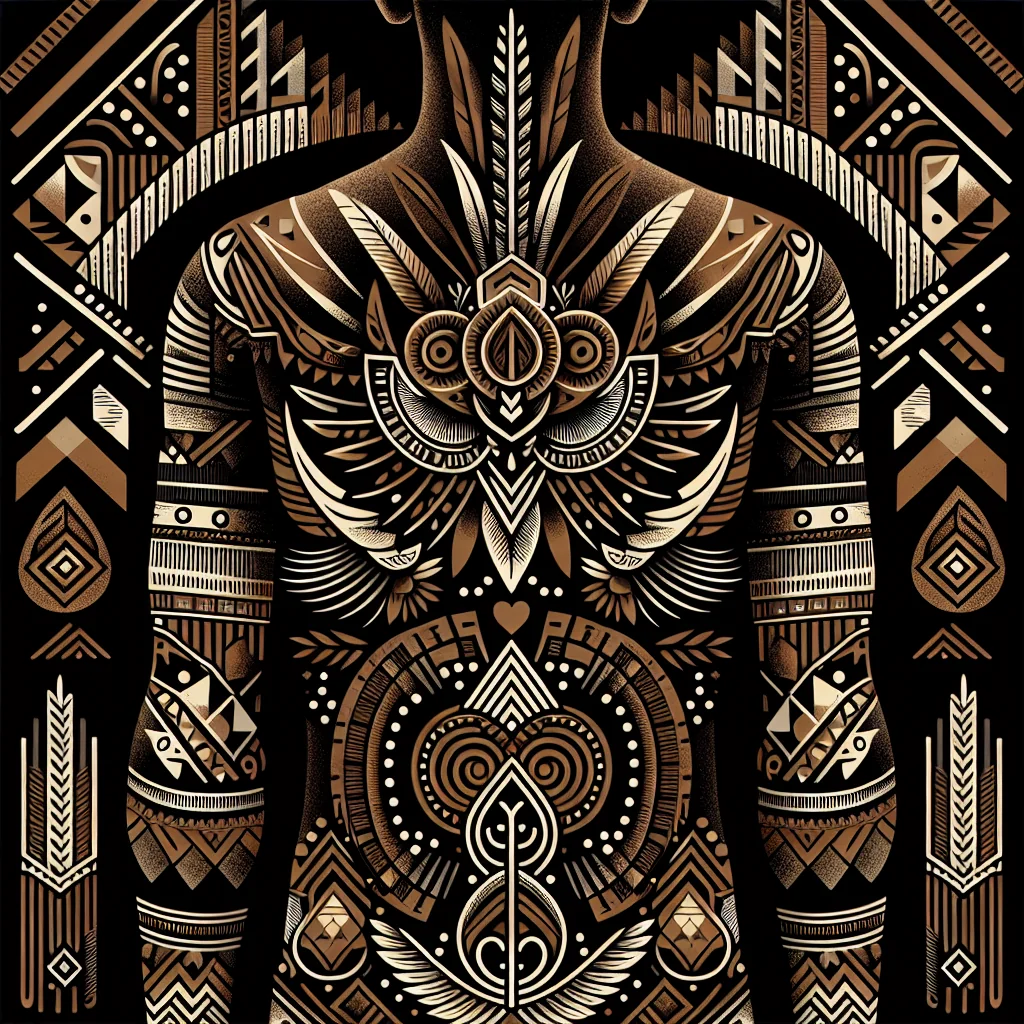
The Mentawai are renowned for their intricate tattoos, traditional music using drums and flutes, and dance rituals.
Cultural Symbols Motifs
Tattoos are a significant cultural symbol, representing identity, status, and spiritual beliefs.
What Brings Joy
Community gatherings, storytelling, and traditional ceremonies bring joy and reinforce cultural bonds.
Celebrations Joyful Traditions
Ceremonies such as the 'punen' celebrate life events and are marked by feasting, music, and dance.
Cultural Calendar And Holidays
Cultural events are tied to agricultural cycles and spiritual beliefs, with no fixed calendar dates.
Additional Notes
Artistic expression is a vital part of Mentawai identity, serving both aesthetic and spiritual purposes.
Economic Context And Occupations
The economy is primarily subsistence-based, with fishing, hunting, and small-scale agriculture.
Housing And Living Arrangements
Traditional longhouses, known as 'uma', are communal living spaces for extended families.
Nutrition And Dietary Norms
The diet consists mainly of sago, fish, and forest products, reflecting the natural resources available.
Interpretation Needs
Interpretation may be needed for those not fluent in Indonesian, especially among elders.
Interpreter Notes
Interpreters should be culturally sensitive and aware of the nuances in Mentawai communication.
Documentation Traditions
Traditionally, knowledge is passed orally, with limited written documentation.
Interactions With Other Cultures
Interactions are limited but increasing due to tourism and external influences.
Conflict Resolution Mechanisms
Conflicts are traditionally resolved through community discussions led by elders.
Cultural Exchange Programs
There are emerging programs aimed at cultural exchange and preservation.
Trade Relations
Trade is primarily local, involving barter of goods like sago and handicrafts.
Shared Artistic Projects
Collaborations with artists and researchers help document and share Mentawai culture.
Intercultural Marriages
Intercultural marriages are rare but becoming more common with increased external contact.
Shared Educational Initiatives
Educational initiatives focus on cultural preservation and sustainable development.
Youth Perspectives
Youth are increasingly exposed to modern influences but remain connected to their cultural roots.
Education Initiatives
Initiatives aim to balance traditional knowledge with modern education.
Future Challenges
Challenges include cultural preservation amidst modernization and environmental changes.
Youth Employment Trends
Employment is shifting towards tourism and service industries, alongside traditional occupations.
Future Visions
The community envisions a future where tradition and modernity coexist harmoniously.
Youth Leadership Roles
Youth are encouraged to take leadership roles in cultural preservation and community development.
Innovation And Startups
There is potential for innovation in eco-tourism and sustainable practices.
Festivals And Celebrations
Festivals are tied to agricultural cycles and spiritual beliefs, featuring music, dance, and communal feasting.
Traditional Medicine Practices
Traditional medicine involves herbal remedies and spiritual healing by shamans.
Environmental Practices
Sustainable use of natural resources is a core practice, reflecting a deep respect for the environment.
Rituals
Rituals are integral to daily life, marking events such as births, marriages, and harvests.
Rites Of Passage
Rites of passage, such as tattooing, signify important life transitions and social status.
Culinary Traditions
Culinary practices emphasize local ingredients, with sago and fish as staples.
Climate Adaptation Strategies
Traditional knowledge guides adaptation to environmental changes, such as shifting agricultural practices.
Biodiversity Conservation
Conservation is inherent in cultural practices that prioritize ecological balance.
Sustainable Tourism Practices
Efforts are made to develop tourism that respects cultural and environmental integrity.
Renewable Energy Use
There is limited use of renewable energy, with potential for future development.
Community Involvement In Practices
Community involvement is crucial in maintaining cultural and environmental practices.
Environmental Education Programs
Programs aim to educate both locals and visitors on sustainable practices and cultural heritage.
Notable Figures
Notable figures include respected shamans and community leaders who advocate for cultural preservation.
Cultural Innovations
Innovations include the integration of traditional practices with modern sustainable techniques.
Literary Works
Oral traditions are rich, though written literature is limited.
Architectural Styles
Traditional longhouses are a distinctive architectural feature, reflecting communal living.
Scientific Contributions
Traditional ecological knowledge contributes to biodiversity conservation and sustainable practices.
Culinary Innovations
Culinary practices focus on local, sustainable ingredients, with potential for fusion cuisine.
Global Influence
The Mentawai culture has influenced global perceptions of indigenous lifestyles and sustainability.
Awards And Recognition
Recognition comes from cultural preservation efforts and sustainable tourism initiatives.
Modern Influences
Modern influences include technology, education, and tourism, impacting traditional lifestyles.
Digital Presence
Digital presence is growing, with efforts to document and share cultural heritage online.
Globalization Effects
Globalization brings both opportunities and challenges, influencing cultural practices and economic activities.
Urbanization Effects
Urbanization is limited but increasing, leading to shifts in traditional living arrangements.
Technology Adoption
Technology is gradually being adopted, particularly in communication and education.
Hybrid Cultural Forms
Hybrid forms emerge as traditional practices blend with modern influences.
Social Media Presence
Social media is used to promote cultural awareness and connect with broader audiences.
Challenges
Challenges include cultural erosion, environmental threats, and balancing tradition with modernity.
Preservation Efforts
Efforts focus on documenting traditions, promoting sustainable tourism, and educating youth on cultural heritage.
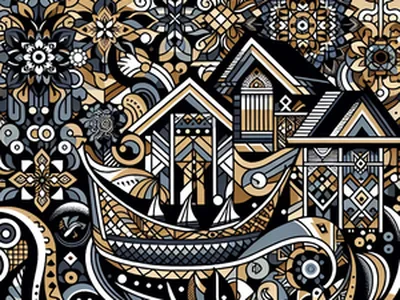
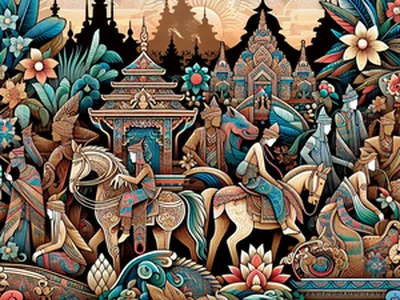
Cultural Artwork
Community Discussion
Further Reading
Explore credible external sources to deepen your understanding of Mentawai culture.