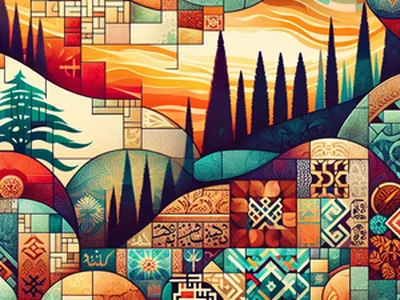
Lebanese
- Historical Context
- Lebanon has a rich history dating back to ancient Phoenician times. It has been influenced by various empires, including the Roman, Byzantine, and Ottoman empires. The country gained independence from France in 1943, and its history has been marked by periods of conflict and peace, including the Lebanese Civil War from 1975 to 1990.
- Migration Patterns
- Lebanon has experienced significant emigration due to economic and political instability, leading to a large diaspora in countries like Brazil, the United States, and Australia. Conversely, it has also been a host to refugees from neighboring countries.
- Conflict And Resilience History
- The Lebanese Civil War and subsequent conflicts have shaped the nation's resilience and adaptability. Despite challenges, Lebanese society has shown a remarkable ability to rebuild and maintain cultural identity.
- Diaspora Perspectives
- The Lebanese diaspora maintains strong ties to their homeland, contributing to its economy through remittances and preserving cultural traditions abroad. They often serve as cultural ambassadors, promoting Lebanese heritage globally.
- Regional Variations
- Lebanon's regions exhibit cultural variations, with distinct traditions in areas like Mount Lebanon, the Bekaa Valley, and the coastal cities. These differences are reflected in dialects, cuisine, and religious practices.
- Bridging Notes
- Lebanon's diverse cultural landscape serves as a bridge between different religious and ethnic communities, fostering a unique environment of coexistence and cultural exchange.
- Spiritual And Religious Practices
- Lebanon is home to a variety of religious communities, including Christians, Muslims, and Druze. Religious practices are integral to daily life, with significant observances like Ramadan, Easter, and Eid being widely celebrated.
- Beliefs And Worldview
- Lebanese culture values hospitality, family, and community. There is a strong emphasis on social relationships and maintaining honor and respect within the community. The Lebanese worldview is shaped by a blend of traditional and modern influences, balancing heritage with contemporary life.
- Cultural Proverbs Sayings
- Common Lebanese proverbs emphasize wisdom, patience, and the importance of family. For example, 'He who has no old people in his house, should buy some,' highlights the value placed on elders and their wisdom.
- Naming Conventions And Terms Of Address
- Lebanese naming conventions often reflect religious and familial heritage. It is common to use titles such as 'Mr.' or 'Mrs.' followed by the first name in formal settings, while close friends and family use first names or affectionate nicknames.
- Health And Mental Health
- Lebanese healthcare combines modern medical practices with traditional remedies. Mental health awareness is growing, though stigma remains a challenge. Efforts are being made to integrate mental health services into primary care.
- Mental Health Views
- Mental health is often viewed through a lens of stigma, but awareness is increasing. Traditional views are gradually shifting towards acceptance and understanding, with more people seeking professional help.
- Traditional Healers
- Traditional healers, including herbalists and spiritual healers, play a role in Lebanese healthcare, especially in rural areas. They often complement modern medical practices.
- Gender Roles In Healthcare
- Gender roles in healthcare can vary, with women often being primary caregivers within families. However, both men and women are increasingly pursuing careers in healthcare professions.
- Healthcare Barriers
- Barriers to healthcare in Lebanon include economic challenges, political instability, and disparities in access between urban and rural areas. Efforts are underway to improve healthcare infrastructure and accessibility.
- Education And Learning Styles
- Lebanese education emphasizes multilingual proficiency, with Arabic, French, and English being taught from an early age. The system values critical thinking and academic excellence.
- Learning Styles
- Lebanese students often engage in interactive and discussion-based learning. There is a strong emphasis on memorization and examination performance, reflecting a blend of traditional and modern educational practices.
- Parental Engagement
- Parents in Lebanon are highly involved in their children's education, often participating in school activities and supporting academic achievement. Education is seen as a pathway to success and social mobility.
- Family And Social Structure
- Family is the cornerstone of Lebanese society, with extended families often living close together. Social structures are hierarchical, with respect for elders and authority figures being paramount.
- Discipline And Behavior
- Discipline in Lebanese families is often guided by traditional values, with an emphasis on respect and obedience. Parents play a central role in instilling cultural and moral values.
- Authority Attitudes
- Lebanese culture respects authority figures, including elders, religious leaders, and government officials. This respect is balanced with a strong sense of individualism and personal freedom.
- Etiquette And Customs
- Lebanese etiquette emphasizes hospitality, politeness, and respect. Common customs include greeting with a handshake or cheek kisses, and offering food and drink to guests.
- Community Strengths Resilience
- Lebanese communities are known for their resilience and solidarity, often coming together to support each other in times of need. This strength is rooted in a deep sense of cultural pride and identity.
- Art Music And Expression
- Lebanese art and music are vibrant and diverse, reflecting the country's rich cultural heritage. Traditional music includes genres like Dabke and Tarab, while contemporary artists blend Western and Eastern influences. Visual arts, including painting and sculpture, often explore themes of identity and resilience.
- Cultural Symbols Motifs
- Cedar trees, the Lebanese flag, and traditional Phoenician symbols are prominent cultural motifs. These symbols represent strength, endurance, and a connection to ancient heritage.
- What Brings Joy
- Lebanese people find joy in social gatherings, music, dance, and culinary experiences. Family celebrations and community festivals are central to cultural expression and happiness.
- Celebrations Joyful Traditions
- Lebanese celebrations include weddings, religious holidays, and national festivals. These events are marked by music, dance, and elaborate feasts, reflecting the culture's love for life and community.
- Cultural Calendar And Holidays
- Key holidays include Independence Day, Eid al-Fitr, Easter, and Christmas. These occasions are celebrated with family gatherings, traditional foods, and community events.
- Additional Notes
- Lebanese culture is a dynamic blend of tradition and modernity, with a strong emphasis on preserving heritage while embracing new influences.
- Economic Context And Occupations
- Lebanon's economy is diverse, with key sectors including banking, tourism, and agriculture. Many Lebanese work in service industries, while others are involved in trade and entrepreneurship.
- Housing And Living Arrangements
- Housing in Lebanon ranges from urban apartments to rural homes. Extended families often live together or in close proximity, reflecting the culture's emphasis on family ties.
- Nutrition And Dietary Norms
- Lebanese cuisine is renowned for its variety and flavor, featuring dishes like hummus, tabbouleh, and kibbeh. Meals are often shared with family and friends, emphasizing communal dining.
- Interpretation Needs
- Given Lebanon's multilingual society, interpretation services are often needed in Arabic, French, and English, especially in healthcare and legal settings.
- Interpreter Notes
- Interpreters should be culturally sensitive and aware of regional dialects and nuances. Professionalism and confidentiality are crucial in maintaining trust.
- Documentation Traditions
- Documentation in Lebanon is typically conducted in Arabic, with French and English used in official and educational contexts. Written records are important for legal and administrative purposes.
- Interactions With Other Cultures
- Lebanon has a long history of cultural exchange due to its strategic location. It interacts with neighboring Arab countries and has strong ties with Western nations through its diaspora.
- Conflict Resolution Mechanisms
- Traditional conflict resolution in Lebanon often involves mediation by community leaders or religious figures. Modern approaches include legal arbitration and dialogue initiatives.
- Cultural Exchange Programs
- Lebanon participates in cultural exchange programs that promote mutual understanding and collaboration with other countries, particularly in the arts and education sectors.
- Trade Relations
- Lebanon engages in trade with countries across the Middle East, Europe, and beyond. Key exports include jewelry, agricultural products, and textiles.
- Shared Artistic Projects
- Collaborative artistic projects between Lebanese and international artists are common, fostering cross-cultural dialogue and innovation in fields like music, film, and visual arts.
- Intercultural Marriages
- Intercultural marriages in Lebanon are becoming more common, reflecting the country's diverse society. These unions often blend different traditions and practices.
- Shared Educational Initiatives
- Lebanese educational institutions collaborate with international universities, offering exchange programs and joint research projects that enhance global academic ties.
- Youth Perspectives
- Lebanese youth are dynamic and forward-thinking, often advocating for social change and innovation. They value education, technology, and cultural heritage.
- Education Initiatives
- Initiatives to improve education in Lebanon focus on access, quality, and multilingual proficiency. Programs aim to equip youth with skills for a globalized world.
- Future Challenges
- Challenges facing Lebanese youth include economic instability, unemployment, and political uncertainty. Addressing these issues is crucial for future development.
- Youth Employment Trends
- Youth employment in Lebanon is concentrated in service industries, technology, and entrepreneurship. Many young people seek opportunities abroad due to limited local prospects.
- Future Visions
- Lebanese youth envision a future that balances tradition with modernity, emphasizing innovation, sustainability, and cultural preservation.
- Youth Leadership Roles
- Young Lebanese are increasingly taking on leadership roles in social movements, entrepreneurship, and community development, driving positive change.
- Innovation And Startups
- Lebanon's startup ecosystem is growing, with young entrepreneurs leading ventures in technology, creative industries, and social enterprises.
- Festivals And Celebrations
- Lebanese festivals celebrate cultural diversity and heritage, including events like the Baalbeck International Festival and Byblos Festival, showcasing music, dance, and art.
- Traditional Medicine Practices
- Traditional medicine in Lebanon includes herbal remedies and holistic approaches, often used alongside modern healthcare practices, especially in rural areas.
- Environmental Practices
- Environmental awareness is growing in Lebanon, with initiatives focusing on conservation, waste management, and sustainable agriculture.
- Rituals
- Lebanese rituals often revolve around religious and life events, such as weddings, baptisms, and funerals, each with specific customs and traditions.
- Rites Of Passage
- Rites of passage in Lebanon include religious ceremonies like first communion and circumcision, as well as cultural milestones like graduation and marriage.
- Culinary Traditions
- Lebanese cuisine is a cornerstone of cultural identity, featuring dishes like mezze, grilled meats, and pastries. Cooking and sharing meals are central to social life.
- Climate Adaptation Strategies
- Lebanon is developing strategies to adapt to climate change, focusing on water conservation, reforestation, and sustainable urban planning.
- Biodiversity Conservation
- Efforts to conserve Lebanon's biodiversity include protecting natural reserves and promoting eco-friendly tourism to preserve the country's unique ecosystems.
- Sustainable Tourism Practices
- Sustainable tourism in Lebanon aims to balance economic growth with environmental protection, promoting eco-tourism and cultural heritage sites.
- Renewable Energy Use
- Lebanon is investing in renewable energy sources, such as solar and wind, to reduce reliance on fossil fuels and address energy shortages.
- Community Involvement In Practices
- Community involvement in environmental practices is encouraged through local initiatives and NGOs, fostering a culture of sustainability and conservation.
- Environmental Education Programs
- Environmental education programs in Lebanon aim to raise awareness among youth and communities about sustainable practices and conservation efforts.
- Notable Figures
- Lebanon has produced many notable figures, including poet Khalil Gibran, singer Fairuz, and fashion designer Elie Saab, who have made significant contributions to global culture.
- Cultural Innovations
- Lebanese cultural innovations include the development of modern Arabic literature, fusion cuisine, and pioneering contributions to the music and film industries.
- Literary Works
- Lebanese literature is rich and diverse, with works by authors like Amin Maalouf and Hanan al-Shaykh exploring themes of identity, exile, and cultural heritage.
- Architectural Styles
- Lebanese architecture blends traditional and modern styles, with influences from Phoenician, Ottoman, and French colonial periods evident in its urban and rural landscapes.
- Scientific Contributions
- Lebanese scientists have made notable contributions in fields such as medicine, engineering, and environmental science, often collaborating with international research institutions.
- Culinary Innovations
- Lebanese cuisine is renowned for its innovation, blending traditional flavors with modern techniques. Dishes like fusion mezze and contemporary interpretations of classic recipes are popular.
- Global Influence
- Lebanese culture has a significant global influence, particularly through its diaspora, which has spread Lebanese cuisine, music, and art worldwide. The country's cultural exports continue to shape perceptions and foster cross-cultural connections.
- Awards And Recognition
- Lebanese artists and intellectuals have received numerous international awards, recognizing their contributions to literature, film, and the arts, enhancing Lebanon's cultural prestige.
- Modern Influences
- Lebanese culture is influenced by globalization, with Western media, fashion, and technology impacting daily life. This blend creates a unique cultural landscape that balances tradition with modernity.
- Digital Presence
- Lebanon has a strong digital presence, with widespread use of social media and digital platforms for communication, business, and cultural expression.
- Globalization Effects
- Globalization has brought both opportunities and challenges to Lebanon, influencing economic practices, cultural exchanges, and societal norms.
- Urbanization Effects
- Urbanization in Lebanon has led to the growth of cities like Beirut, impacting infrastructure, lifestyle, and cultural dynamics, while also posing challenges such as congestion and pollution.
- Technology Adoption
- Lebanon is rapidly adopting new technologies, with a focus on digital innovation and entrepreneurship. The tech sector is a growing part of the economy, driven by a young, tech-savvy population.
- Hybrid Cultural Forms
- Hybrid cultural forms in Lebanon emerge from the fusion of traditional and contemporary influences, seen in music, fashion, and art, reflecting a dynamic cultural evolution.
- Social Media Presence
- Social media is a powerful tool in Lebanon for cultural expression, activism, and community building, with platforms like Instagram and Facebook being widely used.
- Challenges
- Lebanese culture faces challenges such as political instability, economic hardship, and the preservation of cultural heritage amidst modernization. These issues impact social cohesion and cultural continuity.
- Preservation Efforts
- Efforts to preserve Lebanese culture include initiatives to protect historical sites, promote traditional arts, and support cultural education. NGOs and government programs play key roles in these efforts.