

Kvens
Northern Norway, particularly in the regions of Troms and Finnmark. KvenNorwegianFinnish
The Kvens are a distinct ethnic minority in Norway, recognized for their unique cultural heritage and historical ties to the Finnish-speaking populations of Northern Scandinavia.
Historical Context
The Kvens are descendants of Finnish-speaking people who migrated to Northern Norway from the 18th century onwards, primarily due to economic opportunities and agricultural prospects.
Migration Patterns
Kvens migrated from Finland and Sweden to Norway, especially during the 18th and 19th centuries, driven by famine and the search for better living conditions.
Conflict And Resilience History
The Kvens have faced cultural assimilation pressures and have struggled to maintain their language and traditions amidst Norwegianization policies.
Diaspora Perspectives
Kvens in the diaspora often maintain strong ties to their cultural heritage, emphasizing the importance of language and traditional practices.
Regional Variations
There are variations in dialect and cultural practices among Kvens depending on their specific geographic location within Norway.
Bridging Notes
Efforts are ongoing to bridge the cultural gaps between Kvens and other ethnic groups in Norway, focusing on mutual respect and understanding.
Spiritual And Religious Practices
Traditionally, Kvens have been Lutheran, but they also incorporate elements of Finnish paganism and Sami shamanistic practices.
Beliefs And Worldview
Kvens value community, nature, and resilience, often viewing their cultural identity as a blend of Finnish, Norwegian, and Sami influences.
Cultural Proverbs Sayings
Proverbs often reflect the importance of nature and community, such as 'Yhteisössä on voimaa' (There is strength in community).
Naming Conventions And Terms Of Address
Kvens often use Finnish naming conventions, with a focus on family names and patronymics.
Health And Mental Health
Kvens have access to the Norwegian healthcare system, but there may be cultural barriers due to language and differing health beliefs.
Mental Health Views
Mental health among the Kvens is influenced by their historical experiences of marginalization and cultural assimilation pressures, which have impacted community well-being.
Traditional Healers
Traditional healing practices among the Kvens often involve herbal remedies and knowledge passed down through generations, reflecting their connection to nature.
Gender Roles In Healthcare
Traditionally, women have played a significant role in family health care, often serving as caregivers and health decision-makers.
Healthcare Barriers
Language barriers and a lack of culturally sensitive healthcare services have historically been challenges for the Kven community.
Education And Learning Styles
Kvens value education and often emphasize bilingualism, incorporating both Norwegian and Kven languages in learning.
Learning Styles
Kven educational approaches emphasize bilingualism, integrating both Norwegian and Kven languages, and often focus on preserving cultural heritage through storytelling and community involvement.
Parental Engagement
Parents are actively involved in their children's education, often advocating for the inclusion of Kven language and culture in school curricula.
Family And Social Structure
Kven communities are tightly knit, with extended family playing a crucial role in social and cultural life.
Discipline And Behavior
Discipline is often community-oriented, with an emphasis on mutual respect and responsibility.
Authority Attitudes
Respect for elders and community leaders is a significant aspect of Kven culture.
Etiquette And Customs
Kvens place importance on hospitality and politeness, often sharing meals and stories as part of social gatherings.
Community Strengths Resilience
The Kven community is known for its resilience, maintaining cultural traditions despite historical pressures to assimilate.
Art Music And Expression
Kven culture includes traditional music, dance, and crafts, often reflecting their Finnish and Sami heritage.
Cultural Symbols Motifs
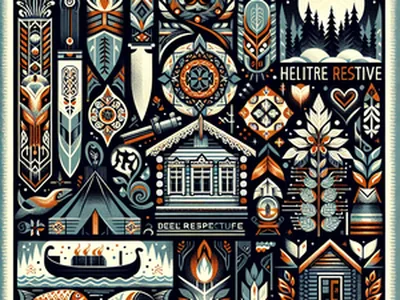
Common symbols include elements from nature, such as trees and rivers, which are central to Kven identity.
What Brings Joy
Community gatherings, storytelling, and traditional music are sources of joy for the Kvens.
Celebrations Joyful Traditions
Kvens celebrate traditional Finnish and Norwegian holidays, often with unique local customs.
Cultural Calendar And Holidays
The Kvens celebrate cultural festivals such as the Kven Culture Week, which highlights traditional music, dance, and crafts.
Additional Notes
Kven cultural expression is rich in traditional music and dance, often featuring instruments like the kantele, a traditional Finnish string instrument.
Economic Context And Occupations
Historically, Kvens have been involved in agriculture, fishing, and forestry, with modern shifts towards diverse occupations.
Housing And Living Arrangements
Kvens typically live in rural areas, with housing reflecting traditional Finnish and Norwegian styles.
Nutrition And Dietary Norms
Kven cuisine includes traditional Finnish dishes, with an emphasis on fish, game, and berries.
Interpretation Needs
There is a need for interpretation services in Kven for older community members who may not be fluent in Norwegian.
Interpreter Notes
There may be a need for Kven language interpreters in healthcare and legal settings to ensure effective communication.
Documentation Traditions
Kven documentation traditions include oral histories and the preservation of cultural narratives through storytelling.
Interactions With Other Cultures
Kvens interact with Norwegian and Sami communities, often sharing cultural practices and participating in multicultural events.
Conflict Resolution Mechanisms
Traditional conflict resolution involves community discussions and consensus-building.
Cultural Exchange Programs
There are initiatives to promote cultural exchange between Kvens and other ethnic groups in Norway.
Trade Relations
Historically, Kvens engaged in trade with neighboring communities, exchanging goods like fish and timber.
Shared Artistic Projects
Collaborative artistic projects often focus on shared heritage and environmental themes.
Intercultural Marriages
Intercultural marriages are common, reflecting the blending of Kven, Norwegian, and Sami cultures.
Shared Educational Initiatives
Educational programs often include elements of Kven culture, promoting understanding and appreciation among diverse student populations.
Youth Perspectives
Kven youth are increasingly engaged in cultural preservation, balancing modern influences with traditional values.
Education Initiatives
There are efforts to include Kven language and history in school curricula to foster cultural pride among youth.
Future Challenges
Challenges include maintaining cultural identity in a rapidly modernizing world and ensuring language preservation.
Youth Employment Trends
Youth are entering diverse fields, with a focus on technology and service industries.
Future Visions
Kven youth envision a future where their culture is recognized and celebrated within a multicultural Norway.
Youth Leadership Roles
Young Kvens are taking on leadership roles in cultural organizations and community initiatives.
Innovation And Startups
There is a growing interest in entrepreneurship, with youth exploring startups that blend traditional practices with modern technology.
Festivals And Celebrations
Kvens celebrate traditional Finnish festivals, often incorporating local customs and Sami influences.
Traditional Medicine Practices
Traditional medicine includes herbal remedies and practices influenced by Finnish and Sami traditions.
Environmental Practices
Kvens have a strong connection to nature, practicing sustainable fishing and agriculture.
Rituals
Rituals often involve nature and community, such as seasonal celebrations and harvest festivals.
Rites Of Passage
Rites of passage include traditional ceremonies for births, marriages, and coming-of-age.
Culinary Traditions
Kven cuisine features traditional Finnish dishes, with an emphasis on local ingredients like fish and berries.
Climate Adaptation Strategies
Kvens adapt to harsh climates through traditional knowledge and practices, such as building techniques and seasonal activities.
Biodiversity Conservation
Conservation efforts focus on preserving local flora and fauna, reflecting the Kvens' deep respect for nature.
Sustainable Tourism Practices
Tourism initiatives highlight Kven culture and natural landscapes, promoting sustainable and respectful engagement.
Renewable Energy Use
There is an increasing interest in renewable energy, with some communities exploring wind and solar power.
Community Involvement In Practices
Community involvement is central to environmental practices, with collective efforts to preserve cultural landscapes.
Environmental Education Programs
Programs aim to educate both Kvens and non-Kvens about sustainable practices and the importance of environmental stewardship.
Notable Figures
Notable Kvens include authors, musicians, and community leaders who have contributed to cultural preservation.
Cultural Innovations
Innovations include the revival of traditional crafts and the integration of Kven motifs in modern art.
Literary Works
Kven literature often explores themes of identity, nature, and resilience, with works in both Kven and Norwegian languages.
Architectural Styles
Kven architecture reflects Finnish and Norwegian influences, with traditional wooden structures and modern adaptations.
Scientific Contributions
Kvens have contributed to environmental sciences, particularly in areas related to sustainable practices and biodiversity.
Culinary Innovations
Culinary innovations include modern interpretations of traditional dishes, often highlighting local ingredients.
Global Influence
Kven culture influences global discussions on minority rights and cultural preservation, serving as a model for other indigenous groups.
Awards And Recognition
Kven cultural contributions have been recognized through various awards in literature, music, and community service.
Modern Influences
Kvens are influenced by global trends, integrating modern technology and media into their cultural practices.
Digital Presence
There is a growing digital presence, with Kven culture being promoted through social media and online platforms.
Globalization Effects
Globalization presents both challenges and opportunities for cultural preservation and innovation.
Urbanization Effects
Urbanization has led to shifts in traditional lifestyles, with more Kvens moving to urban areas for education and employment.
Technology Adoption
Technology is embraced for cultural documentation and communication, helping to connect Kvens globally.
Hybrid Cultural Forms
Hybrid cultural forms emerge as Kvens blend traditional practices with modern influences.
Social Media Presence
Social media is used to share cultural stories, promote events, and connect with the broader Kven community.
Challenges
Challenges include language preservation, cultural assimilation pressures, and maintaining community cohesion.
Preservation Efforts
Efforts focus on language revitalization, cultural education, and community events to strengthen Kven identity.
Cultural Artwork
Community Discussion
Further Reading
Explore credible external sources to deepen your understanding of Kvens culture.