
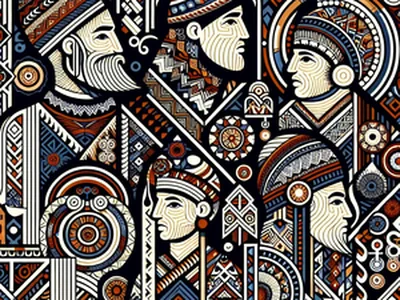
Kurukh
Indian subcontinent, primarily Jharkhand and Odisha KurukhHindiEnglish
The Kurukh people are an indigenous ethnic group native to the Indian subcontinent, primarily residing in the states of Jharkhand and Odisha.
Historical Context
The Kurukh people have a long history dating back to the ancient times, with evidence of their presence found in the Mahabharata and other Hindu scriptures.
Migration Patterns
They migrated from Central India to the eastern regions of the Indian subcontinent over time.
Conflict And Resilience History
The Kurukh people have faced various conflicts and challenges throughout history, including colonization, displacement, and marginalization.
Diaspora Perspectives
Many Kurukh people have migrated to other parts of India and abroad in search of better opportunities, leading to a diasporic community.
Regional Variations
Regional variations exist within the Kurukh culture, with different communities having their unique customs and traditions.
Spiritual And Religious Practices
The Kurukh people follow a mix of Hinduism and indigenous animist practices, with a strong emphasis on ancestor worship and nature-based spirituality.
Beliefs And Worldview
They believe in a complex cosmology that includes multiple deities, spirits, and supernatural beings.
Cultural Proverbs Sayings
Proverbs like 'Kurukh kai' (Kurukh is life) emphasize the importance of community and cultural identity.
Naming Conventions And Terms Of Address
Names are often derived from nature, with terms of address reflecting respect for elders and authority figures.
Health And Mental Health
Traditional Kurukh medicine emphasizes holistic approaches to health, including herbal remedies, spiritual practices, and community support.
Mental Health Views
Mental health is often linked to spiritual well-being, with a focus on balance and harmony within the individual and community.
Traditional Healers
Respected elders and spiritual leaders serve as traditional healers, using their knowledge of herbs, rituals, and spiritual practices to treat ailments.
Gender Roles In Healthcare
Women play a significant role in healthcare, often serving as caregivers and midwives, while men are involved in more spiritual aspects of healing.
Healthcare Barriers
Limited access to modern healthcare services, cultural stigma around mental health, and lack of awareness about traditional practices hinder effective healthcare delivery.
Education And Learning Styles
Kurukh education emphasizes experiential learning, storytelling, and hands-on training, with a focus on practical skills and community relevance.
Learning Styles
Children learn through observation, imitation, and participation in community activities, while adults engage in apprenticeships and mentorship programs.
Parental Engagement
Parents are actively involved in their children's education, often serving as teachers or mentors themselves.
Family And Social Structure
The Kurukh people live in close-knit communities with extended family ties, often residing in small villages or hamlets.
Discipline And Behavior
Social norms emphasize respect for elders, community harmony, and self-reliance, with a focus on personal responsibility and contribution to the collective good.
Authority Attitudes
Authority figures are respected and revered, but also held accountable for their actions and decisions.
Etiquette And Customs
Etiquette emphasizes politeness, respect, and hospitality towards guests, while customs include elaborate ceremonies and rituals for life events.
Community Strengths Resilience
Community cohesion, shared values, and collective support enable the Kurukh people to navigate challenges and adapt to changing circumstances.
Art Music And Expression
Kurukh art forms include folk music, dance, and storytelling, often performed during festivals and celebrations.
Cultural Symbols Motifs
Symbols like the 'Kurukh tree' (a sacred fig tree) and motifs from nature are used in art, crafts, and textiles to represent cultural identity.
What Brings Joy
Joy is found in community gatherings, storytelling, music, dance, and other forms of creative expression.
Celebrations Joyful Traditions
Festivals like the 'Kurukh festival' (a harvest celebration) and 'Diwali' (the Hindu festival of lights) are significant cultural events.
Cultural Calendar And Holidays
The Kurukh calendar includes traditional festivals, agricultural cycles, and seasonal celebrations.
Economic Context And Occupations
The Kurukh people engage in subsistence farming, small-scale agriculture, and craft-based industries like pottery and weaving.
Housing And Living Arrangements
Traditional homes are made from natural materials like wood, thatch, and mud, with a focus on sustainability and environmental harmony.
Nutrition And Dietary Norms
The Kurukh diet consists of locally grown crops, fruits, and vegetables, with an emphasis on seasonal and organic produce.
Interpretation Needs
Interpretation services are required for official documents, education, and healthcare, particularly in urban areas.
Interpreter Notes
Trained interpreters from the Kurukh community can facilitate communication between speakers of different languages.
Documentation Traditions
Traditional documentation methods include oral storytelling, visual arts, and written records on palm leaves or paper.
Interactions With Other Cultures
The Kurukh people have interactions with other indigenous communities in India and abroad, as well as with mainstream society.
Conflict Resolution Mechanisms
Traditional conflict resolution mechanisms include mediation, negotiation, and community consensus-building.
Cultural Exchange Programs
Cultural exchange programs facilitate the sharing of knowledge, skills, and artistic expressions between the Kurukh people and other cultures.
Trade Relations
The Kurukh people engage in trade with neighboring communities and urban centers, exchanging goods like handicrafts, agricultural products, and livestock.
Shared Artistic Projects
Collaborative artistic projects showcase the rich cultural heritage of the Kurukh people through music, dance, and visual arts.
Intercultural Marriages
Intermarriage between the Kurukh people and other communities is common, promoting cross-cultural understanding and exchange.
Shared Educational Initiatives
Joint educational initiatives focus on preserving indigenous knowledge, language, and cultural practices.
Youth Perspectives
Youth in the Kurukh community are actively engaged in preserving their culture, promoting education, and advocating for social justice.
Education Initiatives
Initiatives like the 'Kurukh Education Project' aim to improve access to quality education, particularly for girls and marginalized communities.
Future Challenges
Challenges facing the Kurukh people include land rights disputes, cultural erasure, and climate change impacts on their traditional way of life.
Youth Employment Trends
Youth in the Kurukh community are increasingly pursuing education and employment opportunities in fields like sustainable agriculture, eco-tourism, and cultural heritage management.
Future Visions
The Kurukh people envision a future where they can preserve their culture, language, and traditional practices while adapting to changing circumstances.
Youth Leadership Roles
Youth leaders play a crucial role in promoting community development, advocating for social justice, and preserving cultural heritage.
Innovation And Startups
Innovative startups and initiatives focus on sustainable livelihoods, eco-friendly products, and cultural preservation technologies.
Festivals And Celebrations
Festivals like the 'Kurukh festival' (a harvest celebration) and 'Diwali' (the Hindu festival of lights) are significant cultural events.
Traditional Medicine Practices
Traditional Kurukh medicine emphasizes holistic approaches to health, including herbal remedies, spiritual practices, and community support.
Environmental Practices
The Kurukh people have a deep connection with nature, practicing sustainable agriculture, forestry, and water management techniques.
Rituals
Rituals like the 'Kurukh tree' (a sacred fig tree) ceremony emphasize respect for nature and the interconnectedness of all living beings.
Rites Of Passage
Rites of passage like initiation ceremonies and weddings are significant cultural events, often involving elaborate rituals and celebrations.
Culinary Traditions
The Kurukh diet consists of locally grown crops, fruits, and vegetables, with an emphasis on seasonal and organic produce.
Climate Adaptation Strategies
The Kurukh people have developed strategies to adapt to climate change impacts, such as shifting agricultural practices and using traditional knowledge for disaster risk reduction.
Biodiversity Conservation
Community-led conservation efforts focus on preserving biodiversity, protecting sacred sites, and promoting sustainable forest management.
Sustainable Tourism Practices
Sustainable tourism initiatives promote eco-friendly accommodations, responsible travel practices, and cultural exchange programs.
Renewable Energy Use
The Kurukh people use renewable energy sources like solar power, wind energy, and biogas for cooking and lighting.
Community Involvement In Practices
Community members are actively involved in decision-making processes related to environmental conservation, sustainable development, and cultural preservation.
Notable Figures
Notable figures like the 'Kurukh king' (a legendary leader) and 'Kurukh saint' (a revered spiritual figure) have contributed significantly to the community's history and culture.
Cultural Innovations
Innovative cultural practices like the 'Kurukh dance' (a traditional folk dance) and 'Kurukh music' (a unique blend of indigenous and classical styles) showcase the community's creativity and resilience.
Literary Works
Literary works like the 'Kurukh epic poem' (a oral tradition) and 'Kurukh folk tales' (written records) reflect the community's rich storytelling heritage.
Architectural Styles
Traditional Kurukh architecture features unique designs, materials, and construction techniques that blend with the natural environment.
Scientific Contributions
The Kurukh people have made significant contributions to traditional knowledge in areas like agriculture, medicine, and environmental conservation.
Culinary Innovations
Culinary innovations like the 'Kurukh dish' (a unique blend of local ingredients) showcase the community's creativity and adaptability in food preparation.
Global Influence
The Kurukh culture has influenced other indigenous communities in India and abroad, as well as mainstream society through cultural exchange programs and artistic collaborations.
Awards And Recognition
The Kurukh people have received awards and recognition for their contributions to cultural preservation, environmental conservation, and social justice.
Modern Influences
Modern influences like urbanization, globalization, and technology adoption have impacted the Kurukh culture, leading to changes in traditional practices and values.
Digital Presence
The Kurukh people have a growing digital presence through social media platforms, online cultural exchange programs, and e-commerce initiatives.
Globalization Effects
Globalization has led to increased connectivity with other cultures, but also poses challenges like cultural homogenization and loss of traditional practices.
Urbanization Effects
Urbanization has brought opportunities for education, employment, and cultural exchange, but also poses challenges like cultural disconnection and environmental degradation.
Technology Adoption
The Kurukh people are adopting technology to preserve their culture, promote sustainable development, and improve access to healthcare and education.
Hybrid Cultural Forms
Hybrid cultural forms like the 'Kurukh fusion music' (a blend of traditional and modern styles) showcase the community's creativity and adaptability in artistic expression.
Social Media Presence
The Kurukh people have a significant social media presence, using platforms to promote their culture, share knowledge, and connect with other communities.
Challenges
Challenges facing the Kurukh people include land rights disputes, cultural erasure, climate change impacts on their traditional way of life, and limited access to modern healthcare services.
Preservation Efforts
Efforts like the 'Kurukh Cultural Preservation Project' aim to document and preserve the community's language, culture, and traditional practices.
Cultural Artwork
Community Discussion
Further Reading
Explore credible external sources to deepen your understanding of Kurukh culture.