
Japanese
East Asia Japanese
The Japanese culture is known for its rich traditions, technological advancements, and harmonious social structure.
Historical Context
Japan has a long history dating back thousands of years, with influences from China and Korea shaping its early development. The country has undergone periods of isolation and rapid modernization.
Migration Patterns
Historically, Japan has been relatively isolated, with limited immigration. In recent years, there has been an increase in foreign workers and students.
Conflict And Resilience History
Japan has experienced significant conflict, including the Sengoku period and World War II, but has shown resilience and recovery, becoming a leading global economy.
Diaspora Perspectives
The Japanese diaspora is spread across the Americas, Europe, and Asia, maintaining cultural ties while integrating into local societies.
Regional Variations
Japan has distinct regional cultures, such as the Ainu in Hokkaido and the Ryukyuans in Okinawa, each with unique traditions.
Bridging Notes
Efforts to bridge traditional and modern aspects of Japanese culture are ongoing, with a focus on preserving heritage while embracing innovation.
Spiritual And Religious Practices
Shinto and Buddhism are the primary religions, with practices such as visiting shrines and temples, and celebrating festivals like Obon and Shogatsu.
Beliefs And Worldview
Japanese worldview emphasizes harmony, respect, and community, with a strong sense of duty and responsibility.
Cultural Proverbs Sayings
Proverbs such as 'The nail that sticks out gets hammered down' reflect the value placed on conformity and harmony.
Naming Conventions And Terms Of Address
Japanese names typically consist of a family name followed by a given name, with honorifics like '-san' used to show respect.
Health And Mental Health
Japan has a high standard of healthcare, with a focus on preventative care and longevity. Mental health is gaining more attention, though stigma remains.
Mental Health Views
Mental health issues are often stigmatized, but awareness and acceptance are gradually increasing.
Traditional Healers
Traditional practices like Kampo (herbal medicine) are used alongside modern medicine.
Gender Roles In Healthcare
Healthcare roles are traditionally gendered, but women are increasingly entering medical professions.
Healthcare Barriers
Language and cultural differences can be barriers for non-Japanese residents accessing healthcare.
Education And Learning Styles
Education is highly valued, with a rigorous system emphasizing discipline, respect, and group harmony.
Learning Styles
Japanese education focuses on rote memorization, group work, and respect for teachers.
Parental Engagement
Parents are highly involved in their children's education, often participating in school activities and supporting after-school programs.
Family And Social Structure
The family is the cornerstone of Japanese society, with a strong emphasis on respect for elders and collective well-being.
Discipline And Behavior
Discipline is maintained through social norms and expectations, with a focus on group harmony and respect.
Authority Attitudes
Respect for authority is deeply ingrained, with hierarchical structures present in both family and professional settings.
Etiquette And Customs
Etiquette is crucial, with customs such as bowing, gift-giving, and removing shoes indoors being important aspects of social interaction.
Community Strengths Resilience
Japanese communities are known for their resilience, cooperation, and ability to come together in times of crisis.
Art Music And Expression
Japanese art and music range from traditional forms like Ikebana and Noh to contemporary pop culture phenomena like anime and J-pop.
Cultural Symbols Motifs
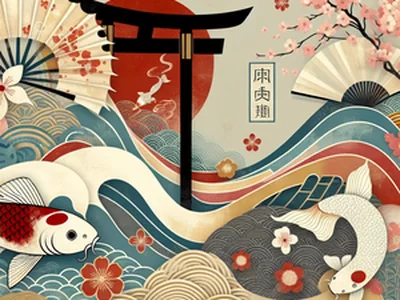
Symbols such as cherry blossoms, cranes, and Mount Fuji are prevalent in Japanese art and culture.
What Brings Joy
Joy is often found in nature, seasonal changes, and communal activities like festivals and tea ceremonies.
Celebrations Joyful Traditions
Festivals such as Hanami (cherry blossom viewing) and Tanabata are celebrated with enthusiasm and community participation.
Cultural Calendar And Holidays
The Japanese calendar includes holidays like New Year's Day, Golden Week, and Obon, each with unique traditions.
Additional Notes
Japanese culture places a strong emphasis on aesthetics and the appreciation of beauty in everyday life.
Economic Context And Occupations
Japan has a diverse economy with strengths in technology, manufacturing, and services. Employment is often characterized by long-term commitment to a single company.
Housing And Living Arrangements
Housing varies from traditional wooden homes to modern apartments, with a trend towards urban living.
Nutrition And Dietary Norms
The Japanese diet is known for its health benefits, featuring rice, fish, vegetables, and fermented foods like miso.
Interpretation Needs
Non-Japanese speakers often require interpretation services, especially in legal and medical contexts.
Interpreter Notes
Interpreters must be aware of cultural nuances and formal language used in professional settings.
Documentation Traditions
Documentation is thorough and formal, with a preference for written records and official stamps (hanko).
Interactions With Other Cultures
Japan engages in cultural exchange through tourism, international business, and educational programs.
Conflict Resolution Mechanisms
Japan emphasizes diplomacy and dialogue in resolving international conflicts.
Cultural Exchange Programs
Programs like JET and student exchange initiatives promote cultural understanding.
Trade Relations
Japan is a major global trading partner, with strong economic ties to the US, China, and the EU.
Shared Artistic Projects
Collaborations in film, music, and art are common, fostering cross-cultural creativity.
Intercultural Marriages
Intercultural marriages are increasing, contributing to cultural diversity.
Shared Educational Initiatives
Japan participates in international educational collaborations, promoting global learning.
Youth Perspectives
Japanese youth are increasingly global-minded, valuing innovation and cultural exchange.
Education Initiatives
STEM education and international exchange programs are prioritized to prepare youth for global challenges.
Future Challenges
Japan faces challenges such as an aging population, economic stagnation, and environmental sustainability.
Youth Employment Trends
Youth employment is shifting towards technology and service industries, with a focus on innovation.
Future Visions
Japan envisions a future of technological advancement balanced with cultural preservation.
Youth Leadership Roles
Youth are encouraged to take leadership roles in community and environmental initiatives.
Innovation And Startups
The startup ecosystem is growing, with support for young entrepreneurs in technology and creative industries.
Festivals And Celebrations
Festivals like Gion Matsuri and Awa Odori celebrate cultural heritage and community spirit.
Traditional Medicine Practices
Kampo, acupuncture, and moxibustion are traditional practices still in use today.
Environmental Practices
Japan is a leader in recycling and waste management, with a strong emphasis on environmental conservation.
Rituals
Rituals such as tea ceremonies and sumo wrestling reflect deep cultural traditions.
Rites Of Passage
Coming-of-age ceremonies like Seijin Shiki mark important life transitions.
Culinary Traditions
Japanese cuisine emphasizes seasonal ingredients, presentation, and balance, with dishes like sushi and tempura.
Climate Adaptation Strategies
Japan invests in technology and infrastructure to adapt to climate change, including flood defenses and renewable energy.
Biodiversity Conservation
Efforts include protecting endangered species and preserving natural habitats.
Sustainable Tourism Practices
Eco-tourism and cultural tourism are promoted to preserve natural and cultural heritage.
Renewable Energy Use
Japan is expanding its use of solar, wind, and geothermal energy to reduce reliance on fossil fuels.
Community Involvement In Practices
Local communities actively participate in conservation and sustainability initiatives.
Environmental Education Programs
Programs in schools and communities raise awareness about environmental issues and sustainability.
Notable Figures
Figures like Akira Kurosawa, Haruki Murakami, and Hayao Miyazaki have made significant cultural contributions.
Cultural Innovations
Japan has pioneered innovations in technology, fashion, and design, influencing global trends.
Literary Works
Japanese literature includes classics like 'The Tale of Genji' and modern works by authors like Yukio Mishima.
Architectural Styles
Japanese architecture blends traditional elements like tatami and shoji with modern design, as seen in works by Tadao Ando.
Scientific Contributions
Japan is a leader in robotics, electronics, and automotive technology, with significant contributions to global science.
Culinary Innovations
Japanese cuisine has introduced the world to sushi, ramen, and umami, influencing global culinary trends.
Global Influence
Japan's cultural exports, including anime, manga, and technology, have a significant global impact.
Awards And Recognition
Japanese individuals and works have received international acclaim, including Nobel Prizes and film awards.
Modern Influences
Japan is influenced by global trends in technology, fashion, and entertainment, while maintaining cultural traditions.
Digital Presence
Japan has a strong digital presence, with advancements in technology and widespread internet use.
Globalization Effects
Globalization has led to increased cultural exchange and economic integration, impacting traditional lifestyles.
Urbanization Effects
Urbanization has transformed Japanese society, with a shift towards city living and modern conveniences.
Technology Adoption
Japan is at the forefront of technology adoption, with innovations in robotics, AI, and digital communication.
Hybrid Cultural Forms
Hybrid cultural forms, such as J-pop and fusion cuisine, reflect the blending of traditional and modern influences.
Social Media Presence
Social media platforms are widely used for communication, cultural exchange, and business.
Challenges
Japan faces challenges such as an aging population, cultural preservation, and balancing modernization with tradition.
Preservation Efforts
Efforts are underway to preserve cultural heritage through education, tourism, and government initiatives.
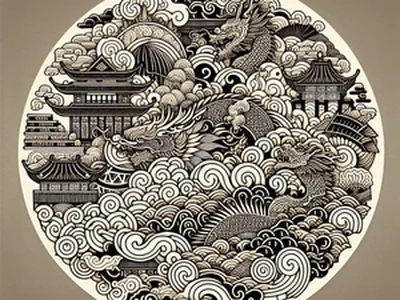
Cultural Artwork
Community Discussion
Further Reading
Explore credible external sources to deepen your understanding of Japanese culture.