
Irish
Ireland EnglishIrish (Gaeilge)
Irish culture is rich in history, arts, and traditions, known for its vibrant music, literature, and strong community ties.
Historical Context
Irish history is marked by a rich Celtic heritage, the influence of Christianity, and a long struggle for independence from British rule. The Great Famine and subsequent emigration significantly impacted the population.
Migration Patterns
Significant emigration occurred during the 19th century due to the Great Famine, leading to large Irish communities in the United States, Canada, Australia, and the UK.
Conflict And Resilience History
The Irish have a history of resilience, overcoming colonization, the Great Famine, and the Troubles in Northern Ireland, which have shaped their national identity.
Diaspora Perspectives
The Irish diaspora maintains strong cultural ties to Ireland, celebrating Irish traditions and contributing to global perceptions of Irish culture.
Regional Variations
Cultural variations exist between regions, such as linguistic differences between the Gaeltacht areas and urban centers.
Bridging Notes
Efforts to bridge cultural gaps include promoting the Irish language and traditional arts, fostering a sense of shared heritage.
Spiritual And Religious Practices
Predominantly Roman Catholic, with a growing secular population. Traditional practices include attending mass and celebrating religious festivals.
Beliefs And Worldview
Irish culture values community, storytelling, and a connection to the land. Humor and resilience are key aspects of the Irish worldview.
Cultural Proverbs Sayings
Common sayings include 'Ní neart go cur le chéile' (There is no strength without unity) and 'May the road rise up to meet you.'
Naming Conventions And Terms Of Address
Traditional Irish names often have Gaelic origins. Terms of address include using first names or titles like 'Mr.' and 'Mrs.' in formal settings.
Health And Mental Health
Healthcare is publicly funded, with increasing awareness of mental health issues. Traditional remedies are sometimes used alongside modern medicine.
Mental Health Views
Mental health is gaining recognition, with efforts to reduce stigma and improve access to services.
Traditional Healers
While not common, some rural areas may still use traditional remedies and herbal medicine.
Gender Roles In Healthcare
Healthcare roles are becoming more gender-balanced, though women traditionally played a significant role in caregiving.
Healthcare Barriers
Barriers include rural access to services and long waiting times for certain treatments.
Education And Learning Styles
Education is highly valued, with a strong emphasis on literacy and critical thinking. Schools often incorporate Irish language and culture into the curriculum.
Learning Styles
Irish students are encouraged to engage in active learning, with a focus on discussion and debate.
Parental Engagement
Parents are actively involved in their children's education, often participating in school events and activities.
Family And Social Structure
Family is central to Irish life, with strong bonds across extended family networks. Community involvement is also highly valued.
Discipline And Behavior
Discipline is generally moderate, with an emphasis on respect and politeness.
Authority Attitudes
Respect for authority is balanced with a strong sense of individualism and community input.
Etiquette And Customs
Politeness and hospitality are important, with customs such as offering tea to guests and using formal greetings.
Community Strengths Resilience
Community resilience is evident in the strong support networks and collective efforts to preserve cultural heritage.
Art Music And Expression
Ireland is renowned for its traditional music, dance, and literature. The arts are a vibrant part of cultural expression, with festivals celebrating these traditions.
Cultural Symbols Motifs
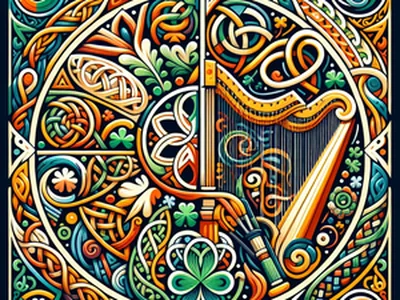
Symbols like the shamrock, harp, and Celtic knot are integral to Irish identity.
What Brings Joy
Music, storytelling, and community gatherings bring joy to the Irish people.
Celebrations Joyful Traditions
St. Patrick's Day, music festivals, and local fairs are celebrated with enthusiasm.
Cultural Calendar And Holidays
Key holidays include St. Patrick's Day, Easter, and Christmas, each celebrated with unique Irish traditions.
Additional Notes
Irish culture is characterized by a deep appreciation for humor and wit, often reflected in everyday interactions.
Economic Context And Occupations
Ireland has a diverse economy with strong sectors in technology, pharmaceuticals, and agriculture.
Housing And Living Arrangements
Housing varies from urban apartments to rural homes, with a trend towards urbanization.
Nutrition And Dietary Norms
Traditional Irish cuisine includes dishes like stew and soda bread, with a growing emphasis on healthy eating.
Interpretation Needs
While English is widely spoken, Irish language services are available in Gaeltacht areas and for cultural preservation.
Interpreter Notes
Interpreters may be needed in legal or medical settings for Irish speakers.
Documentation Traditions
Documentation often includes both English and Irish, especially in official and educational contexts.
Interactions With Other Cultures
Ireland has a history of cultural exchange, particularly with the UK, US, and European countries.
Conflict Resolution Mechanisms
Diplomatic and community-based approaches are used to resolve conflicts, drawing from historical experiences.
Cultural Exchange Programs
Programs exist to promote Irish culture abroad and to learn from other cultures.
Trade Relations
Strong trade relations with the EU, US, and UK, focusing on technology and agriculture.
Shared Artistic Projects
Collaborations in music, film, and literature are common, reflecting Ireland's vibrant arts scene.
Intercultural Marriages
Increasingly common, reflecting Ireland's growing diversity.
Shared Educational Initiatives
Partnerships with international universities and cultural institutions to promote education and research.
Youth Perspectives
Irish youth are increasingly global in outlook, valuing education and cultural heritage.
Education Initiatives
Programs to promote STEM education and preserve the Irish language are priorities.
Future Challenges
Challenges include economic stability, housing, and maintaining cultural identity in a globalized world.
Youth Employment Trends
Growth in technology and service sectors offers new opportunities for young people.
Future Visions
A vision of a culturally rich, economically vibrant Ireland that embraces diversity and innovation.
Youth Leadership Roles
Youth are encouraged to take leadership roles in community and cultural organizations.
Innovation And Startups
A thriving startup scene, particularly in technology and creative industries, driven by young entrepreneurs.
Festivals And Celebrations
Festivals like St. Patrick's Day and the Galway Arts Festival celebrate Irish culture and attract global visitors.
Traditional Medicine Practices
Herbal remedies and traditional healing practices are part of rural folklore.
Environmental Practices
Ireland emphasizes sustainable agriculture and conservation efforts to protect its natural landscapes.
Rituals
Rituals include traditional music sessions and storytelling gatherings.
Rites Of Passage
Rites such as First Communion and Confirmation are significant in Irish Catholic communities.
Culinary Traditions
Dishes like Irish stew, soda bread, and seafood reflect the country's agricultural and coastal heritage.
Climate Adaptation Strategies
Efforts focus on renewable energy and sustainable farming to address climate change.
Biodiversity Conservation
Programs aim to protect native species and habitats, with community involvement.
Sustainable Tourism Practices
Tourism initiatives promote eco-friendly travel and cultural heritage preservation.
Renewable Energy Use
Ireland invests in wind and solar energy to reduce carbon emissions.
Community Involvement In Practices
Local communities actively participate in conservation and cultural preservation projects.
Environmental Education Programs
Schools and organizations offer programs to educate about environmental sustainability and heritage.
Notable Figures
Figures like W.B. Yeats, James Joyce, and Bono have made significant contributions to literature and music.
Cultural Innovations
Ireland has contributed to global arts through its unique storytelling and musical traditions.
Literary Works
Renowned works include 'Ulysses' by James Joyce and 'The Picture of Dorian Gray' by Oscar Wilde.
Architectural Styles
Distinctive styles include Georgian architecture and traditional thatched cottages.
Scientific Contributions
Contributions in fields like medicine and technology, with notable figures such as physicist Ernest Walton.
Culinary Innovations
Modern Irish cuisine blends traditional ingredients with contemporary techniques.
Global Influence
Irish culture has a global impact, particularly through its diaspora and cultural exports like music and literature.
Awards And Recognition
Irish artists and writers have received numerous international awards, including Nobel Prizes in Literature.
Modern Influences
Globalization and technology have influenced Irish culture, blending traditional and modern elements.
Digital Presence
Strong digital presence with active participation in social media and digital arts.
Globalization Effects
Increased cultural exchange and diversity, with challenges in maintaining cultural identity.
Urbanization Effects
Urban areas are growing, leading to changes in lifestyle and cultural practices.
Technology Adoption
High adoption of technology in daily life and business, fostering innovation.
Hybrid Cultural Forms
Fusion of traditional Irish elements with global influences in music, art, and cuisine.
Social Media Presence
Irish culture is actively promoted and shared on platforms like Instagram and Twitter.
Challenges
Challenges include preserving the Irish language and cultural identity amidst globalization.
Preservation Efforts
Efforts focus on promoting the Irish language, traditional arts, and cultural heritage sites.
Cultural Artwork
Community Discussion
Further Reading
Explore credible external sources to deepen your understanding of Irish culture.