
Ingush
North Caucasus, Republic of Ingushetia, Russia IngushRussian
The Ingush people are an ethnic group native to the North Caucasus region, primarily inhabiting the Republic of Ingushetia in Russia. They have a rich cultural heritage characterized by strong family ties, traditional customs, and a deep connection to their mountainous homeland.
Historical Context
The Ingush people have a long history in the North Caucasus, with evidence of their presence dating back to ancient times. They have traditionally been mountain dwellers, with a society organized around clans and extended families.
Migration Patterns
Historically, the Ingush have experienced forced migrations, particularly during the Soviet era, when they were deported to Central Asia. Many have since returned to their ancestral lands.
Conflict And Resilience History
The Ingush have faced numerous conflicts, including territorial disputes and political upheaval. Despite these challenges, they have shown resilience and a strong commitment to preserving their cultural identity.
Diaspora Perspectives
The Ingush diaspora, primarily in Europe and the United States, maintains strong ties to their homeland, often participating in cultural and community events.
Regional Variations
Within Ingushetia, cultural practices can vary slightly between mountain and lowland communities, influenced by geography and historical interactions.
Bridging Notes
Efforts to bridge cultural gaps focus on promoting understanding and cooperation with neighboring ethnic groups, particularly the Chechens.
Spiritual And Religious Practices
The majority of Ingush people practice Sunni Islam, which plays a central role in their daily lives and community events. Religious festivals and prayers are integral to their cultural identity.
Beliefs And Worldview
Ingush culture emphasizes respect for elders, hospitality, and a strong sense of community. Their worldview is shaped by a deep connection to their land and traditions.
Cultural Proverbs Sayings
Proverbs in Ingush culture often reflect values such as bravery, wisdom, and the importance of family and community.
Naming Conventions And Terms Of Address
Names often carry significant meaning, reflecting family heritage and cultural values. Terms of address show respect and acknowledge social hierarchies.
Health And Mental Health
Traditional health practices coexist with modern medicine. Mental health is often addressed within the family or community context, with a focus on resilience.
Mental Health Views
Mental health issues may be stigmatized, but there is growing awareness and acceptance of seeking professional help.
Traditional Healers
Traditional healers, known as 'folk doctors,' are still consulted for certain ailments, using herbal remedies and spiritual practices.
Gender Roles In Healthcare
Women often play a central role in family health care, while men may be more involved in decision-making processes.
Healthcare Barriers
Access to healthcare can be limited by geographical and economic factors, with rural areas facing more challenges.
Education And Learning Styles
Education is highly valued, with a strong emphasis on academic achievement and cultural education. Schools often incorporate Ingush language and history into the curriculum.
Learning Styles
Learning is often collaborative, with a focus on oral traditions and storytelling as educational tools.
Parental Engagement
Parents are actively involved in their children's education, often encouraging higher education and professional careers.
Family And Social Structure
The Ingush community is organized around extended families and clans, with strong kinship ties and collective responsibilities.
Discipline And Behavior
Discipline is often maintained through community norms and family expectations, emphasizing respect and social harmony.
Authority Attitudes
Respect for elders and community leaders is a fundamental aspect of Ingush culture, with decisions often made collectively.
Etiquette And Customs
Hospitality is a key custom, with guests treated with great respect and generosity. Social interactions are guided by traditional etiquette.
Community Strengths Resilience
The Ingush community is known for its resilience, maintaining cultural traditions and social cohesion despite historical challenges.
Art Music And Expression
Ingush culture has a rich tradition of music and dance, often featuring traditional instruments like the accordion and drum. Folk songs and dances are central to cultural expression.
Cultural Symbols Motifs
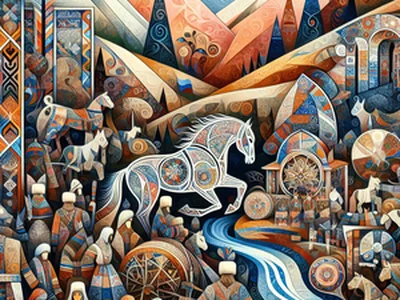
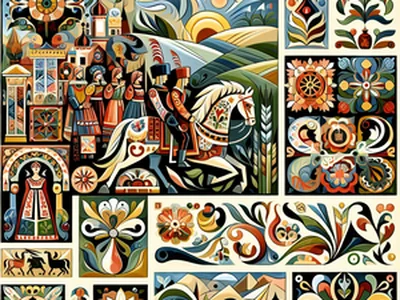
Symbols such as the wolf and mountain motifs are prevalent in Ingush art, representing strength and connection to the land.
What Brings Joy
Community gatherings, traditional celebrations, and family events are sources of joy and cultural pride.
Celebrations Joyful Traditions
Key celebrations include religious festivals like Eid, as well as traditional weddings and community feasts.
Cultural Calendar And Holidays
The Ingush cultural calendar includes Islamic holidays, as well as local festivals celebrating historical events and seasonal changes.
Additional Notes
Cultural expression is a vital part of Ingush identity, with efforts to preserve and promote traditional arts and crafts.
Economic Context And Occupations
The economy is primarily based on agriculture, livestock, and small-scale industries. Many Ingush also work in public service and education.
Housing And Living Arrangements
Traditional housing includes stone and wood structures, with modern adaptations in urban areas. Extended families often live together or in close proximity.
Nutrition And Dietary Norms
The Ingush diet is rich in meat, dairy, and grains, with traditional dishes like 'zhizhig-galnash' (meat with dumplings) being popular.
Interpretation Needs
Interpretation services may be needed for those who primarily speak Ingush, especially in legal and medical settings.
Interpreter Notes
Interpreters should be culturally sensitive and aware of the nuances of the Ingush language and social norms.
Documentation Traditions
Oral traditions are strong, with storytelling and verbal agreements playing a significant role in cultural documentation.
Interactions With Other Cultures
The Ingush have historically interacted with neighboring Caucasian cultures, sharing and exchanging cultural practices.
Conflict Resolution Mechanisms
Traditional conflict resolution often involves mediation by respected community elders and leaders.
Cultural Exchange Programs
Cultural exchange programs focus on promoting understanding and cooperation with other ethnic groups in the region.
Trade Relations
Trade has historically been conducted with neighboring regions, with a focus on agricultural and artisanal goods.
Shared Artistic Projects
Artistic collaborations often occur with neighboring cultures, particularly in music and dance.
Intercultural Marriages
Intercultural marriages are not uncommon, often strengthening ties between different ethnic groups.
Shared Educational Initiatives
Educational initiatives sometimes involve collaboration with neighboring regions to promote cultural and linguistic diversity.
Youth Perspectives
Ingush youth are increasingly engaged in cultural preservation and modernization efforts, balancing tradition with contemporary influences.
Education Initiatives
There are initiatives to improve educational opportunities, focusing on higher education and vocational training.
Future Challenges
Challenges include economic development, employment opportunities, and maintaining cultural identity in a globalized world.
Youth Employment Trends
Youth employment is often concentrated in education, public service, and emerging sectors like technology.
Future Visions
The future vision for Ingush culture includes sustainable development, cultural preservation, and increased global engagement.
Youth Leadership Roles
Youth are taking on leadership roles in community organizations and cultural initiatives, driving change and innovation.
Innovation And Startups
There is a growing interest in entrepreneurship and startups, particularly in technology and cultural industries.
Festivals And Celebrations
Festivals are an integral part of Ingush culture, celebrating religious, historical, and seasonal events with music, dance, and communal feasts.
Traditional Medicine Practices
Traditional medicine includes herbal remedies and spiritual healing practices, often passed down through generations.
Environmental Practices
The Ingush have a strong connection to their natural environment, with practices aimed at preserving the land and resources.
Rituals
Rituals often involve community participation, marking important life events and seasonal changes.
Rites Of Passage
Rites of passage, such as weddings and coming-of-age ceremonies, are significant cultural events with elaborate customs.
Culinary Traditions
Culinary traditions emphasize local ingredients and traditional recipes, with meals often being communal and celebratory.
Climate Adaptation Strategies
Adaptation strategies include sustainable agriculture and water management practices, reflecting traditional knowledge.
Biodiversity Conservation
Conservation efforts focus on protecting the unique biodiversity of the Caucasus region, involving community participation.
Sustainable Tourism Practices
Sustainable tourism is promoted to preserve cultural heritage and natural landscapes, benefiting local communities.
Renewable Energy Use
There is growing interest in renewable energy sources, such as solar and wind, to support sustainable development.
Community Involvement In Practices
Community involvement is key in environmental and cultural practices, ensuring the preservation of traditions and resources.
Environmental Education Programs
Programs aim to educate the community, especially youth, about environmental conservation and sustainable practices.
Notable Figures
Notable Ingush figures include writers, poets, and political leaders who have contributed to cultural and national identity.
Cultural Innovations
Innovations include the preservation and promotion of traditional music and dance, as well as modern adaptations of cultural expressions.
Literary Works
Ingush literature includes poetry and prose that reflect cultural themes, history, and social issues.
Architectural Styles
Traditional Ingush architecture features stone towers and fortresses, reflecting historical defense needs and aesthetic values.
Scientific Contributions
Ingush individuals have contributed to various scientific fields, including medicine and engineering, often emphasizing practical applications.
Culinary Innovations
Culinary innovations involve modern interpretations of traditional dishes, incorporating new ingredients and techniques.
Global Influence
Ingush culture has influenced neighboring regions through shared traditions and cultural exchanges, contributing to the broader Caucasian cultural landscape.
Awards And Recognition
Ingush artists and scholars have received recognition for their contributions to cultural preservation and innovation.
Modern Influences
Modern influences include global media, technology, and urbanization, impacting cultural practices and lifestyles.
Digital Presence
The Ingush community is increasingly active online, using digital platforms to share cultural content and connect with the diaspora.
Globalization Effects
Globalization has brought both opportunities and challenges, influencing cultural identity and economic development.
Urbanization Effects
Urbanization has led to changes in living arrangements and social dynamics, with a shift towards more nuclear family structures.
Technology Adoption
Technology adoption is growing, with increased access to digital tools and platforms for communication and education.
Hybrid Cultural Forms
Hybrid cultural forms are emerging, blending traditional and modern elements in music, art, and fashion.
Social Media Presence
Social media is used to promote cultural events, share traditional knowledge, and engage with a global audience.
Challenges
Challenges include preserving cultural identity amidst modernization, economic development, and political instability.
Preservation Efforts
Efforts focus on documenting and promoting traditional practices, language, and arts, often supported by cultural organizations and government initiatives.
Cultural Artwork
Community Discussion
Further Reading
Explore credible external sources to deepen your understanding of Ingush culture.