
Ijaw
Niger Delta, Nigeria IjawNembeKalabariOkrika
The Ijaw people are one of the largest ethnic groups in the Niger Delta region of Nigeria, known for their rich cultural heritage, vibrant festivals, and deep connection to the waterways and environment.
Historical Context
The Ijaw have a long history as one of the indigenous peoples of the Niger Delta, with a rich tradition of fishing and trade. They have historically been involved in regional politics and have faced challenges related to oil exploration in their homeland.
Migration Patterns
The Ijaw have traditionally been riverine people, with migration patterns influenced by the waterways of the Niger Delta. In recent times, economic factors have led to migration to urban centers within Nigeria and abroad.
Conflict And Resilience History
The Ijaw have faced numerous conflicts, particularly related to resource control and environmental degradation due to oil exploration in the Niger Delta. Despite these challenges, they have shown resilience through community solidarity and advocacy for their rights.
Diaspora Perspectives
The Ijaw diaspora is spread across various countries, with communities actively maintaining their cultural practices and advocating for the rights of the Ijaw people back home.
Regional Variations
There are several Ijaw subgroups, each with unique dialects and cultural practices, including the Kalabari, Nembe, and Okrika.
Bridging Notes
Efforts to bridge cultural gaps within the Ijaw communities often focus on language preservation and cultural festivals that bring together different subgroups.
Spiritual And Religious Practices
The Ijaw people traditionally practice a form of African spirituality that involves the worship of water spirits and ancestors. Christianity has also become prevalent, with many Ijaw integrating traditional beliefs with Christian practices.
Beliefs And Worldview
The Ijaw worldview is deeply connected to nature, particularly water bodies, which are considered sacred. They believe in the presence of spiritual beings and ancestors who influence daily life.
Cultural Proverbs Sayings
Proverbs play a significant role in Ijaw culture, often used to convey wisdom and moral lessons. An example is 'The river that forgets its source will dry up.'
Naming Conventions And Terms Of Address
Ijaw names often reflect circumstances surrounding a child's birth or aspirations for the child's future. Respectful terms of address are important, particularly for elders.
Health And Mental Health
Traditional healing practices coexist with modern healthcare. Mental health is often addressed through community support and spiritual practices.
Mental Health Views
Mental health is often approached with traditional beliefs, and there is a growing awareness of modern mental health practices.
Traditional Healers
Traditional healers, known as 'dibia' or 'babalawo', play a significant role in health practices, offering herbal remedies and spiritual guidance.
Gender Roles In Healthcare
Women often play a crucial role in healthcare, both as caregivers within the family and as traditional healers.
Healthcare Barriers
Access to healthcare can be limited due to geographical challenges and economic constraints, with traditional beliefs sometimes affecting the acceptance of modern medical practices.
Education And Learning Styles
Education is highly valued, with a focus on both formal schooling and the transmission of cultural knowledge through storytelling and apprenticeships.
Learning Styles
Ijaw education traditionally emphasizes oral storytelling and practical skills, with modern education systems integrating these with formal schooling.
Parental Engagement
Parents are actively involved in their children's education, often emphasizing the importance of both academic success and cultural knowledge.
Family And Social Structure
The Ijaw social structure is traditionally organized around extended families and clans, with a strong emphasis on kinship and communal living.
Discipline And Behavior
Discipline is often maintained through community norms and the guidance of elders, who play a significant role in resolving disputes and maintaining social order.
Authority Attitudes
Respect for elders and traditional leaders is a cornerstone of Ijaw society, with authority figures often serving as mediators and decision-makers.
Etiquette And Customs
Etiquette in Ijaw culture emphasizes respect, particularly towards elders and guests. Customs include elaborate greetings and the sharing of kola nuts during important gatherings.
Community Strengths Resilience
The Ijaw community is known for its resilience, particularly in the face of environmental and socio-political challenges. Strong community bonds and cultural pride contribute to their ability to adapt and thrive.
Art Music And Expression
Ijaw culture is rich in artistic expression, including traditional music, dance, and storytelling. Drumming and masquerades are integral parts of cultural celebrations.
Cultural Symbols Motifs
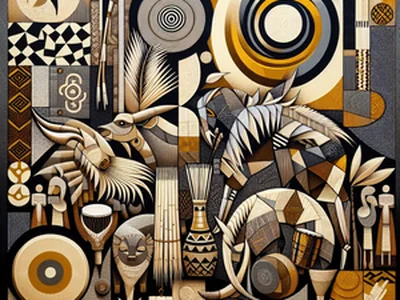
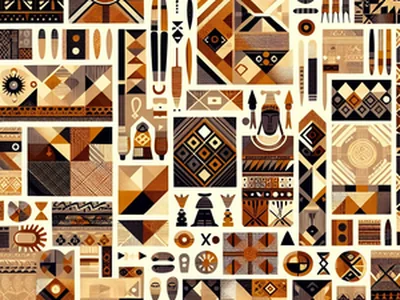
Water and aquatic life are common motifs in Ijaw art, reflecting their deep connection to the environment.
What Brings Joy
Community gatherings, music, dance, and festivals bring joy to the Ijaw people, serving as opportunities to celebrate their heritage and strengthen social bonds.
Celebrations Joyful Traditions
Festivals such as the Ijaw New Yam Festival and various water spirit festivals are celebrated with music, dance, and communal feasting.
Cultural Calendar And Holidays
The Ijaw celebrate several festivals, including the 'Seigbein' festival, which honors water spirits and ancestors, and is marked by music, dance, and boat regattas.
Additional Notes
Ijaw culture is rich in oral traditions, with storytelling, music, and dance playing central roles in cultural expression.
Economic Context And Occupations
The Ijaw economy is traditionally based on fishing, farming, and trading. However, oil exploration has significantly impacted their economic landscape, leading to both opportunities and challenges.
Housing And Living Arrangements
Many Ijaw communities live in stilt houses along the waterways, reflecting their adaptation to the riverine environment.
Nutrition And Dietary Norms
The Ijaw diet is heavily based on fish and seafood, complemented by locally grown crops such as yams and plantains.
Interpretation Needs
Interpretation services may be required for Ijaw speakers in non-Ijaw speaking regions, especially in legal and healthcare settings.
Interpreter Notes
When engaging with Ijaw communities, interpreters familiar with local dialects can facilitate better communication, especially in rural areas.
Documentation Traditions
Documentation is traditionally oral, with stories and histories passed down through generations, though there is a growing trend towards written records.
Interactions With Other Cultures
The Ijaw have historically interacted with neighboring ethnic groups through trade and cultural exchange, fostering a diverse cultural landscape in the Niger Delta.
Conflict Resolution Mechanisms
Traditional conflict resolution often involves community elders and leaders who mediate disputes and promote reconciliation.
Cultural Exchange Programs
There are initiatives to promote cultural exchange between the Ijaw and other Nigerian ethnic groups, fostering mutual understanding and respect.
Trade Relations
Trade, particularly in fish and agricultural products, has been a key aspect of Ijaw interactions with neighboring cultures.
Shared Artistic Projects
Collaborations in music and arts are common, with Ijaw artists participating in national and international festivals.
Intercultural Marriages
Intercultural marriages are common, reflecting the diverse and interconnected nature of the Niger Delta region.
Shared Educational Initiatives
Educational programs often include cultural studies that highlight the Ijaw's contributions to Nigerian heritage.
Youth Perspectives
Ijaw youth are increasingly engaged in advocating for environmental justice and cultural preservation, balancing traditional values with modern aspirations.
Education Initiatives
Programs aimed at improving educational access and quality for Ijaw youth are being implemented, focusing on both traditional and modern curricula.
Future Challenges
Challenges include environmental degradation, unemployment, and the need for improved educational opportunities.
Youth Employment Trends
There is a growing trend of youth seeking employment in urban areas, with many pursuing careers in oil and gas, technology, and entrepreneurship.
Future Visions
The Ijaw envision a future where their cultural heritage is preserved, and their communities thrive economically and socially.
Youth Leadership Roles
Youth are taking on leadership roles in community development and activism, particularly in addressing environmental and social issues.
Innovation And Startups
Ijaw youth are increasingly involved in startups, particularly in tech and environmental sectors, leveraging local knowledge and global trends.
Festivals And Celebrations
Festivals are central to Ijaw culture, often involving elaborate rituals, music, and dance to honor deities and ancestors.
Traditional Medicine Practices
Traditional medicine is widely practiced, with herbal remedies and spiritual healing playing important roles in health care.
Environmental Practices
The Ijaw have traditional practices that emphasize sustainable fishing and respect for the natural environment.
Rituals
Rituals often involve offerings to water spirits and ancestors, seeking their blessings and protection.
Rites Of Passage
Rites of passage, such as initiation ceremonies, mark important transitions in an individual's life and are celebrated with community gatherings.
Culinary Traditions
Ijaw cuisine features dishes like 'peppersoup' and 'banga soup,' reflecting the rich flavors of the Niger Delta.
Climate Adaptation Strategies
Communities are adapting to climate change by modifying traditional practices and advocating for environmental protection.
Biodiversity Conservation
Efforts are being made to conserve the rich biodiversity of the Niger Delta, balancing development with environmental stewardship.
Sustainable Tourism Practices
There is potential for sustainable tourism that highlights the unique cultural and natural heritage of the Ijaw people.
Renewable Energy Use
Some Ijaw communities are exploring renewable energy sources to reduce reliance on fossil fuels and mitigate environmental impact.
Community Involvement In Practices
Community involvement is crucial in environmental and cultural preservation efforts, with local leaders often spearheading initiatives.
Environmental Education Programs
Educational programs are being developed to raise awareness about environmental issues and promote sustainable practices among the youth.
Notable Figures
Notable Ijaw figures include Isaac Adaka Boro, a prominent activist, and Goodluck Jonathan, former President of Nigeria.
Cultural Innovations
The Ijaw have contributed to cultural innovations in music and dance, influencing broader Nigerian cultural expressions.
Literary Works
Ijaw authors and poets have contributed to Nigerian literature, often exploring themes of identity and environmental justice.
Architectural Styles
Traditional Ijaw architecture includes stilt houses designed to withstand the riverine environment.
Scientific Contributions
The Ijaw have contributed to environmental sciences, particularly in understanding the Niger Delta's unique ecosystem.
Culinary Innovations
Ijaw cuisine is known for its use of fresh seafood and unique spices, contributing to Nigeria's diverse culinary landscape.
Global Influence
The Ijaw culture has influenced global perceptions of the Niger Delta, particularly through their advocacy for environmental justice.
Awards And Recognition
Ijaw artists and cultural figures have received national and international recognition for their contributions to music, literature, and the arts.
Modern Influences
Modern influences include the integration of technology and contemporary music styles into traditional practices.
Digital Presence
Ijaw culture is increasingly represented online, with digital platforms showcasing traditional music, dance, and art.
Globalization Effects
Globalization has brought both opportunities and challenges, impacting traditional lifestyles and economic practices.
Urbanization Effects
Urbanization is affecting traditional Ijaw communities, leading to changes in social structures and economic activities.
Technology Adoption
Technology is increasingly being adopted in Ijaw communities, enhancing communication and access to information.
Hybrid Cultural Forms
Hybrid cultural forms are emerging, blending traditional Ijaw elements with modern influences.
Social Media Presence
Ijaw youth are active on social media, using platforms to promote cultural heritage and engage with global audiences.
Challenges
Challenges include environmental degradation, cultural erosion, and socio-economic disparities exacerbated by oil exploration.
Preservation Efforts
Preservation efforts focus on cultural education, documentation of traditions, and advocacy for environmental protection.
Cultural Artwork
Community Discussion
Further Reading
Explore credible external sources to deepen your understanding of Ijaw culture.