

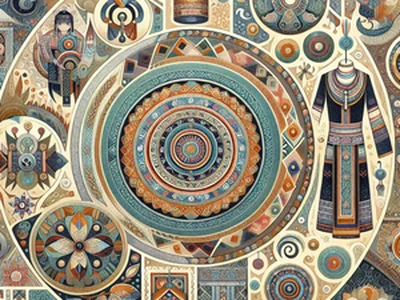
Hmong
Southeast Asia, including Laos, Vietnam, Thailand, and diaspora communities in the United States and other countries. Hmong DawHmong Njua
The Hmong culture is rich in traditions, language, and history, with a strong emphasis on family and community. Originating from the mountainous regions of China, the Hmong people have migrated to various parts of Southeast Asia and beyond, maintaining their unique cultural identity.
Historical Context
The Hmong people have a long history dating back thousands of years in China. Over time, due to conflicts and pressures, many migrated to Southeast Asia. The Hmong played significant roles during the Vietnam War, particularly in Laos, which led to further migration, especially to the United States.
Migration Patterns
Hmong migration has been influenced by conflict and search for better opportunities. Significant migrations occurred during the 19th century from China to Southeast Asia, and later in the 20th century to Western countries, particularly after the Vietnam War.
Conflict And Resilience History
The Hmong have a history of resilience, having faced numerous conflicts, including involvement in the Secret War in Laos. Despite these challenges, they have maintained their cultural identity and traditions.
Diaspora Perspectives
The Hmong diaspora, particularly in the United States, has worked to preserve their cultural heritage while adapting to new environments. They have established vibrant communities, especially in states like Minnesota and California.
Regional Variations
There are variations in dialects, clothing styles, and customs among Hmong communities in different countries, influenced by local cultures and historical interactions.
Bridging Notes
Efforts to bridge Hmong cultural practices with modern lifestyles are ongoing, with younger generations playing a crucial role in this integration.
Spiritual And Religious Practices
The Hmong practice a form of animism, believing in the presence of spirits in natural elements. Shamanism plays a significant role, with shamans conducting rituals to communicate with the spirit world.
Beliefs And Worldview
The Hmong worldview is centered around harmony with nature and respect for ancestors. They believe in the interconnectedness of all living things and the importance of maintaining balance in life.
Cultural Proverbs Sayings
Hmong proverbs often emphasize community values, wisdom, and resilience, such as 'A family is like a forest, when you are outside it is dense, when you are inside you see that each tree has its place.'
Naming Conventions And Terms Of Address
Hmong names often reflect familial and cultural significance, with children typically receiving names that honor ancestors or convey desired traits. Terms of address are used to show respect and denote relationships.
Health And Mental Health
Traditional Hmong health practices include herbal medicine and spiritual healing. Mental health is often viewed through a spiritual lens, with issues sometimes attributed to spiritual imbalance.
Mental Health Views
Mental health in Hmong culture is often viewed through a spiritual lens, with mental illness sometimes attributed to spiritual causes or imbalances. Traditional healing practices are commonly sought alongside or instead of Western medicine.
Traditional Healers
Traditional Hmong healers, known as shamans, play a crucial role in health practices, performing rituals to heal physical and spiritual ailments.
Gender Roles In Healthcare
In Hmong culture, healthcare decisions are often made collectively within the family, with elders and male family members playing significant roles.
Healthcare Barriers
Language barriers, cultural differences in understanding health and illness, and limited access to culturally competent healthcare providers are significant barriers for Hmong individuals accessing healthcare.
Education And Learning Styles
Hmong education traditionally emphasizes oral storytelling and practical skills. In modern contexts, there is a growing emphasis on formal education, with many Hmong families valuing academic achievement.
Learning Styles
Hmong students often benefit from visual and hands-on learning styles, with a strong emphasis on community and family support in educational settings.
Parental Engagement
Hmong parents are highly involved in their children's education, often encouraging them to excel academically while also instilling cultural values and traditions.
Family And Social Structure
The Hmong community is organized around extended family units, with strong kinship ties. Elders are respected and play a central role in decision-making.
Discipline And Behavior
Discipline in Hmong families is often guided by cultural values of respect and obedience, with an emphasis on maintaining family honor.
Authority Attitudes
Respect for authority is deeply ingrained in Hmong culture, with elders and community leaders holding significant influence.
Etiquette And Customs
Hmong customs include showing respect through specific greetings, offering food to guests, and participating in communal events. Etiquette is important in maintaining social harmony.
Community Strengths Resilience
The Hmong community is known for its resilience, adaptability, and strong support networks, which have helped them preserve their culture through adversity.
Art Music And Expression
Hmong art is characterized by intricate embroidery and textile work, known as paj ntaub. Music plays a vital role, with traditional instruments like the qeej being central to cultural ceremonies.
Cultural Symbols Motifs
Common motifs in Hmong art include nature-inspired designs and geometric patterns, symbolizing aspects of their spiritual beliefs and cultural stories.
What Brings Joy
Community gatherings, traditional celebrations, and the preservation of cultural practices bring joy to the Hmong people.
Celebrations Joyful Traditions
The Hmong New Year is a major celebration, marked by traditional music, dance, and cultural games. It is a time for family reunions and cultural expression.
Cultural Calendar And Holidays
Hmong cultural events are often tied to the lunar calendar, with significant holidays including the Hmong New Year and various agricultural festivals.
Additional Notes
Hmong culture is rich in textile arts, particularly intricate embroidery known as paj ntaub, which is used in traditional clothing and storytelling.
Economic Context And Occupations
Traditionally, the Hmong were subsistence farmers, but in diaspora communities, they have diversified into various occupations, including small businesses and professional fields.
Housing And Living Arrangements
Hmong families often live in multigenerational households, reflecting their strong family ties and communal living practices.
Nutrition And Dietary Norms
Hmong cuisine is characterized by fresh ingredients, with a focus on herbs, vegetables, and rice. Meals are often communal, emphasizing family and community bonds.
Interpretation Needs
Many Hmong individuals, especially older generations, may require interpretation services in healthcare and legal settings due to limited proficiency in the dominant language of their country of residence.
Interpreter Notes
When providing interpretation services, it is important to consider the dialectal differences within the Hmong language and to ensure that interpreters are sensitive to cultural nuances.
Documentation Traditions
Hmong culture traditionally relied on oral history and storytelling, with written documentation becoming more prevalent in recent years, particularly in diaspora communities.
Interactions With Other Cultures
The Hmong have historically interacted with neighboring ethnic groups, leading to cultural exchanges and adaptations, particularly in Southeast Asia.
Conflict Resolution Mechanisms
Traditional conflict resolution in Hmong culture often involves community elders mediating disputes to restore harmony.
Cultural Exchange Programs
Hmong cultural exchange programs often focus on sharing traditional arts, music, and dance with other communities, fostering mutual understanding and appreciation.
Trade Relations
Historically, the Hmong engaged in trade of agricultural products and textiles within Southeast Asia. In diaspora, trade often involves cultural goods and crafts.
Shared Artistic Projects
Collaborations in artistic projects often highlight Hmong textile arts and traditional music, promoting cultural heritage and innovation.
Intercultural Marriages
Intercultural marriages are becoming more common in Hmong diaspora communities, leading to a blending of cultural practices and traditions.
Shared Educational Initiatives
Educational initiatives often focus on preserving Hmong language and culture, sometimes in collaboration with local educational institutions.
Youth Perspectives
Hmong youth are increasingly balancing traditional cultural values with modern influences, often acting as cultural bridges within their communities.
Education Initiatives
Initiatives often focus on bilingual education and cultural preservation, ensuring Hmong youth maintain their cultural identity while succeeding in broader educational systems.
Future Challenges
Challenges for Hmong youth include navigating identity, preserving cultural heritage, and achieving educational and economic success in diverse societies.
Youth Employment Trends
Hmong youth are increasingly pursuing careers in diverse fields, balancing traditional expectations with modern opportunities.
Future Visions
Future visions for the Hmong community often include greater representation in political and social spheres, alongside cultural preservation.
Youth Leadership Roles
Hmong youth are taking on leadership roles in community organizations and advocacy groups, promoting cultural preservation and social change.
Innovation And Startups
Hmong youth are increasingly involved in startups, particularly in technology and cultural enterprises, blending traditional knowledge with modern innovation.
Festivals And Celebrations
Hmong festivals often celebrate agricultural cycles, with rituals and ceremonies that honor ancestors and nature.
Traditional Medicine Practices
Traditional Hmong medicine includes herbal remedies and spiritual healing practices, often involving shamans.
Environmental Practices
The Hmong have a deep respect for nature, practicing sustainable agriculture and resource management in their traditional homelands.
Rituals
Rituals in Hmong culture often involve offerings to spirits, ancestor worship, and ceremonies to mark life events.
Rites Of Passage
Rites of passage, such as weddings and funerals, are significant in Hmong culture, involving elaborate ceremonies and community participation.
Culinary Traditions
Hmong cuisine features dishes like laab (a meat salad), pho (noodle soup), and sticky rice, often incorporating fresh herbs and spices.
Climate Adaptation Strategies
Hmong communities traditionally practice sustainable agriculture, adapting to climate changes through crop diversification and traditional knowledge.
Biodiversity Conservation
Hmong agricultural practices often emphasize biodiversity, using traditional methods that support ecological balance.
Sustainable Tourism Practices
In regions with Hmong populations, sustainable tourism initiatives highlight cultural heritage and environmental conservation.
Renewable Energy Use
Some Hmong communities are exploring renewable energy sources, integrating traditional practices with modern sustainability efforts.
Community Involvement In Practices
Community involvement is central to Hmong environmental practices, with collective decision-making and shared responsibilities.
Environmental Education Programs
Programs often focus on traditional ecological knowledge, teaching younger generations about sustainable practices and environmental stewardship.
Notable Figures
Notable Hmong figures include General Vang Pao, a leader during the Secret War, and Kao Kalia Yang, an acclaimed author and speaker.
Cultural Innovations
Hmong textile art, particularly paj ntaub, is renowned for its intricate designs and cultural storytelling.
Literary Works
Hmong literature is growing, with works like 'The Latehomecomer' by Kao Kalia Yang gaining recognition for their portrayal of Hmong experiences.
Architectural Styles
Hmong architecture traditionally includes stilt houses in Southeast Asia, designed to adapt to the mountainous terrain and climate.
Scientific Contributions
Hmong contributions to agriculture, particularly in sustainable farming practices, are notable, blending traditional knowledge with modern techniques.
Culinary Innovations
Hmong cuisine is known for its use of fresh herbs and vegetables, with innovations often involving fusion with local cuisines in diaspora communities.
Global Influence
The Hmong have influenced global culture through their textiles, cuisine, and contributions to multicultural societies, particularly in the United States.
Awards And Recognition
Hmong individuals and communities have received recognition for cultural preservation efforts, artistic contributions, and community leadership.
Modern Influences
Hmong culture is adapting to modern influences through media, technology, and education, while striving to maintain traditional values.
Digital Presence
Hmong communities have a growing digital presence, using social media and online platforms to connect globally and share cultural content.
Globalization Effects
Globalization has led to increased cultural exchange and adaptation, with Hmong communities integrating aspects of global culture into their daily lives.
Urbanization Effects
Urbanization has led to changes in traditional living arrangements and occupations, with many Hmong adapting to urban lifestyles while maintaining cultural practices.
Technology Adoption
Hmong communities are increasingly adopting technology for education, communication, and cultural preservation, balancing modernity with tradition.
Hybrid Cultural Forms
Hybrid cultural forms are emerging, blending traditional Hmong arts with contemporary styles, particularly in music and fashion.
Social Media Presence
Social media is widely used among Hmong youth to share cultural stories, promote events, and engage with broader communities.
Challenges
The Hmong face challenges in preserving their language and cultural practices, particularly among younger generations in diaspora communities.
Preservation Efforts
Efforts to preserve Hmong culture include language programs, cultural festivals, and community organizations dedicated to maintaining traditions.
Cultural Artwork
Community Discussion
Further Reading
Explore credible external sources to deepen your understanding of Hmong culture.