
Hausa
West Africa, primarily in northern Nigeria and southern Niger. Hausa
The Hausa culture is one of the largest ethnic groups in West Africa, known for its rich history, vibrant traditions, and significant influence in the region.
Historical Context
The Hausa people have a long history dating back to the 7th century, with the establishment of city-states known as Hausa Bakwai. These states were centers of trade, culture, and Islamic scholarship.
Migration Patterns
Hausa migration patterns have been influenced by trade, colonization, and modern economic opportunities, leading to a significant diaspora in other parts of Africa and beyond.
Conflict And Resilience History
The Hausa have a history of resilience, having faced various conflicts, including colonial rule and religious tensions. They have maintained their cultural identity through strong community ties and adaptation.
Diaspora Perspectives
The Hausa diaspora is spread across West Africa and beyond, often maintaining cultural practices and language while integrating into new communities.
Regional Variations
There are regional variations in Hausa culture, particularly between those in urban centers and rural areas, affecting language dialects and cultural practices.
Bridging Notes
The Hausa have historically acted as cultural and trade intermediaries in West Africa, bridging different ethnic and cultural groups.
Spiritual And Religious Practices
The majority of Hausa people practice Islam, which influences their daily lives, rituals, and festivals. Traditional beliefs may also be integrated, particularly in rural areas.
Beliefs And Worldview
Hausa worldview is deeply influenced by Islamic teachings, emphasizing community, respect, and hospitality. There is also a belief in the importance of fate and destiny.
Cultural Proverbs Sayings
Proverbs are an essential part of Hausa culture, often used to convey wisdom and social norms. For example, 'Komai nisan dare, gari zai waye' means 'No matter how long the night, the day will come.'
Naming Conventions And Terms Of Address
Hausa naming conventions often reflect Islamic influence, with names like 'Muhammad' and 'Aisha' being common. Respectful terms of address are important, especially for elders.
Health And Mental Health
Health practices among the Hausa are influenced by both modern medicine and traditional healing. Mental health is often approached with discretion, and community support plays a crucial role.
Mental Health Views
Mental health is often approached with a mix of traditional beliefs and modern medical practices, with some stigma still attached to mental health issues.
Traditional Healers
Traditional healers, known as 'Boka' or 'Malam', play a significant role in providing healthcare, especially in rural areas.
Gender Roles In Healthcare
Gender roles can influence healthcare access, with women often requiring permission from male relatives to seek medical care, though this is changing in urban areas.
Healthcare Barriers
Barriers include limited access to modern healthcare facilities, cultural beliefs, and economic constraints.
Education And Learning Styles
Education is highly valued, with a strong emphasis on both Islamic and formal education. Quranic schools are common, alongside public and private educational institutions.
Learning Styles
Learning in Hausa culture often involves oral traditions, storytelling, and practical apprenticeships, alongside formal education systems.
Parental Engagement
Parents are actively involved in their children's education, often prioritizing religious education alongside formal schooling.
Family And Social Structure
The Hausa social structure is traditionally hierarchical, with extended families living together. Elders are respected, and family ties are strong.
Discipline And Behavior
Discipline is often community-based, with social norms enforced through family and community expectations. Respect for elders and authority is emphasized.
Authority Attitudes
Authority is respected, with traditional leaders and religious figures holding significant influence in community decisions.
Etiquette And Customs
Etiquette is important, with greetings being a crucial part of social interactions. Hospitality is highly valued, and guests are treated with great respect.
Community Strengths Resilience
The Hausa community is resilient, with strong social networks and a tradition of mutual support and cooperation.
Art Music And Expression
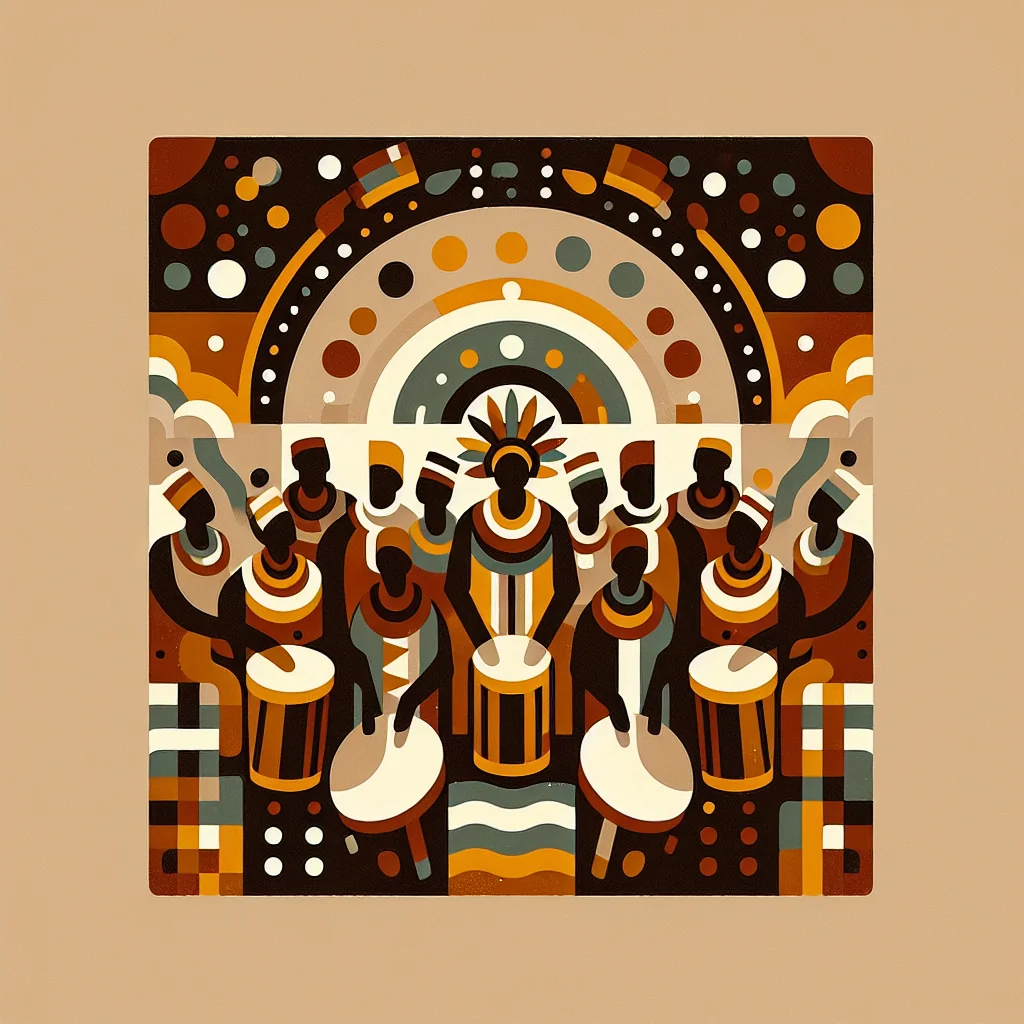
Hausa culture is rich in music and art, with traditional instruments like the 'kakaki' and 'kalangu' drums. Storytelling and praise singing are also important cultural expressions.
Cultural Symbols Motifs
Common motifs include geometric patterns and symbols reflecting Islamic art. These are often seen in textiles, architecture, and crafts.
What Brings Joy
Community gatherings, music, and festivals bring joy to the Hausa people, as do family celebrations and religious observances.
Celebrations Joyful Traditions
Festivals such as Eid al-Fitr and Eid al-Adha are celebrated with communal prayers, feasting, and cultural performances.
Cultural Calendar And Holidays
The Hausa cultural calendar includes Islamic holidays and local festivals, which are celebrated with various traditional customs.
Additional Notes
Hausa culture is renowned for its vibrant music, colorful festivals, and intricate embroidery, which are integral to its cultural expression.
Economic Context And Occupations
The Hausa are traditionally traders and farmers, with many involved in commerce, agriculture, and crafts. Urbanization has led to increased participation in various professions.
Housing And Living Arrangements
Housing varies from traditional compounds in rural areas to modern apartments in urban centers. Extended families often live together, sharing resources.
Nutrition And Dietary Norms
Hausa cuisine includes staples like millet, sorghum, and rice, often accompanied by soups and stews. Meat is commonly consumed during festivals and special occasions.
Interpretation Needs
Interpretation services are often needed for Hausa speakers in non-Hausa speaking regions, especially in healthcare and legal settings.
Interpreter Notes
Interpreters should be aware of regional dialects and cultural nuances when working with Hausa speakers to ensure effective communication.
Documentation Traditions
Hausa culture has a rich tradition of oral history, but written documentation has increased with the spread of literacy and education.
Interactions With Other Cultures
The Hausa have historically interacted with various cultures through trade and migration, fostering a tradition of cultural exchange and adaptation.
Conflict Resolution Mechanisms
Traditional conflict resolution often involves community elders and religious leaders, emphasizing dialogue and reconciliation.
Cultural Exchange Programs
Hausa cultural exchange programs often focus on language, music, and art, fostering understanding and appreciation across cultures.
Trade Relations
The Hausa have long been involved in regional trade networks, exchanging goods and cultural practices with neighboring groups.
Shared Artistic Projects
Collaborations in music and film are common, highlighting Hausa cultural themes and narratives.
Intercultural Marriages
Intercultural marriages occur, often strengthening ties between different ethnic groups and fostering mutual understanding.
Shared Educational Initiatives
Educational initiatives often involve language exchange and cultural studies programs.
Youth Perspectives
Hausa youth are increasingly engaged in education and technology, balancing traditional values with modern aspirations.
Education Initiatives
There are ongoing efforts to improve educational access and quality for Hausa youth, focusing on both traditional and modern curricula.
Future Challenges
Challenges include balancing modernization with cultural preservation, addressing unemployment, and ensuring access to quality education.
Youth Employment Trends
Youth employment is diversifying, with many entering professions beyond traditional trades, including technology and services.
Future Visions
The Hausa community envisions a future where cultural heritage is preserved while embracing modern advancements.
Youth Leadership Roles
Youth are taking on leadership roles in community development and cultural preservation, often through youth organizations and initiatives.
Innovation And Startups
Hausa youth are increasingly involved in tech startups and innovative projects, blending traditional knowledge with modern technology.
Festivals And Celebrations
Festivals are central to Hausa culture, with events like the Durbar festival showcasing traditional horsemanship and cultural pride.
Traditional Medicine Practices
Traditional medicine is practiced alongside modern healthcare, with herbal remedies and spiritual healing playing roles in health management.
Environmental Practices
Environmental practices include sustainable farming techniques and community efforts to manage natural resources responsibly.
Rituals
Rituals often involve religious observances, such as prayers and fasting during Ramadan, as well as life-cycle events like weddings and naming ceremonies.
Rites Of Passage
Rites of passage include ceremonies for birth, marriage, and death, often marked by community gatherings and religious rituals.
Culinary Traditions
Hausa culinary traditions feature dishes like 'tuwo' (a type of porridge) and 'suya' (spiced grilled meat), reflecting a blend of local ingredients and cultural influences.
Climate Adaptation Strategies
Adaptation strategies include traditional knowledge in agriculture, such as crop rotation and water conservation techniques.
Biodiversity Conservation
Efforts are being made to conserve local biodiversity through community-led initiatives and sustainable practices.
Sustainable Tourism Practices
Sustainable tourism practices are being developed to promote cultural heritage while minimizing environmental impact.
Renewable Energy Use
There is a growing interest in renewable energy, particularly solar power, to address energy needs sustainably.
Community Involvement In Practices
Community involvement is crucial in environmental and cultural practices, with local leaders playing key roles.
Environmental Education Programs
Programs are being implemented to educate communities about environmental conservation and sustainable practices.
Notable Figures
Notable Hausa figures include Ahmadu Bello, a prominent political leader, and Chinua Achebe, whose works reflect Hausa cultural themes.
Cultural Innovations
The Hausa have contributed to cultural innovations in music, literature, and film, with the 'Kannywood' film industry being a notable example.
Literary Works
Hausa literature includes oral traditions and written works, with authors like Abubakar Imam contributing to its richness.
Architectural Styles
Hausa architecture is characterized by traditional mud buildings with intricate designs, often reflecting Islamic influences.
Scientific Contributions
Hausa scholars have made significant contributions to Islamic scholarship and traditional medicine.
Culinary Innovations
Hausa cuisine is known for its unique use of local ingredients and spices, contributing to West African culinary diversity.
Global Influence
The Hausa culture has influenced West African music, language, and trade, with its diaspora spreading cultural practices globally.
Awards And Recognition
Hausa artists and scholars have received international recognition for their contributions to music, literature, and academia.
Modern Influences
Modern influences include the integration of technology and media, with Hausa music and film gaining international recognition.
Digital Presence
Hausa culture has a growing digital presence, with active participation in social media and online platforms.
Globalization Effects
Globalization has brought both opportunities and challenges, influencing cultural practices and economic activities.
Urbanization Effects
Urbanization has led to changes in lifestyle and social structures, with increased access to education and employment in cities.
Technology Adoption
Technology adoption is increasing, with mobile technology and internet access becoming more widespread.
Hybrid Cultural Forms
Hybrid cultural forms are emerging, blending traditional Hausa elements with modern influences in music, fashion, and art.
Social Media Presence
Social media is increasingly used by Hausa youth to connect, share cultural content, and engage in social and political discourse.
Challenges
Challenges include preserving cultural heritage amidst modernization, addressing socio-economic disparities, and managing environmental changes.
Preservation Efforts
Efforts to preserve Hausa culture include cultural festivals, educational programs, and initiatives to document and promote traditional practices.
Cultural Artwork
Community Discussion
Further Reading
Explore credible external sources to deepen your understanding of Hausa culture.